Landscape India LogoLandscape India Logo
  • Home
  • Projects
  • Studio
  • Publication
    BlogsColumns / MediaMisc
  • Career
  • Contact
Leaf IndiaPBB PlantsResource Centre
Navigation Preview

© 2026 landscape India. All rights reserved.

  • Instagram
  • Facebook
  • LinkedIn
  • Youtube
Footer LogoFooter Logo
HomeProjectsStudioPublicationsCareersContact
InstagramFacebookLinkedInYoutube

Get In Touch

501, South Tower, One 42, Behind Ashok Vatika, Bopal Ambli Road, Ahmedabad-380058

pbb-ahm@landscapeindia.net

+91 79269 23054

Unit No. 424, Prabhadevi Unique Industrial Estate Coop Hsg Soc Off Veer Savarkar Marg Prabhadevi, Mumbai- 400025

pbb-mum@landscapeindia.net

+91 22243 60100

© 2026 landscape India. All rights reserved.

InstagramFacebookLinkedInYoutube

Powered by:

Salt Pixels

THE DESIGN FRACTAL

“How does one create processes that allow for the development of not just narratives - but novel lenses by which to assess ideas that are familiar to us, and the spaces that we are surrounded by!”
 
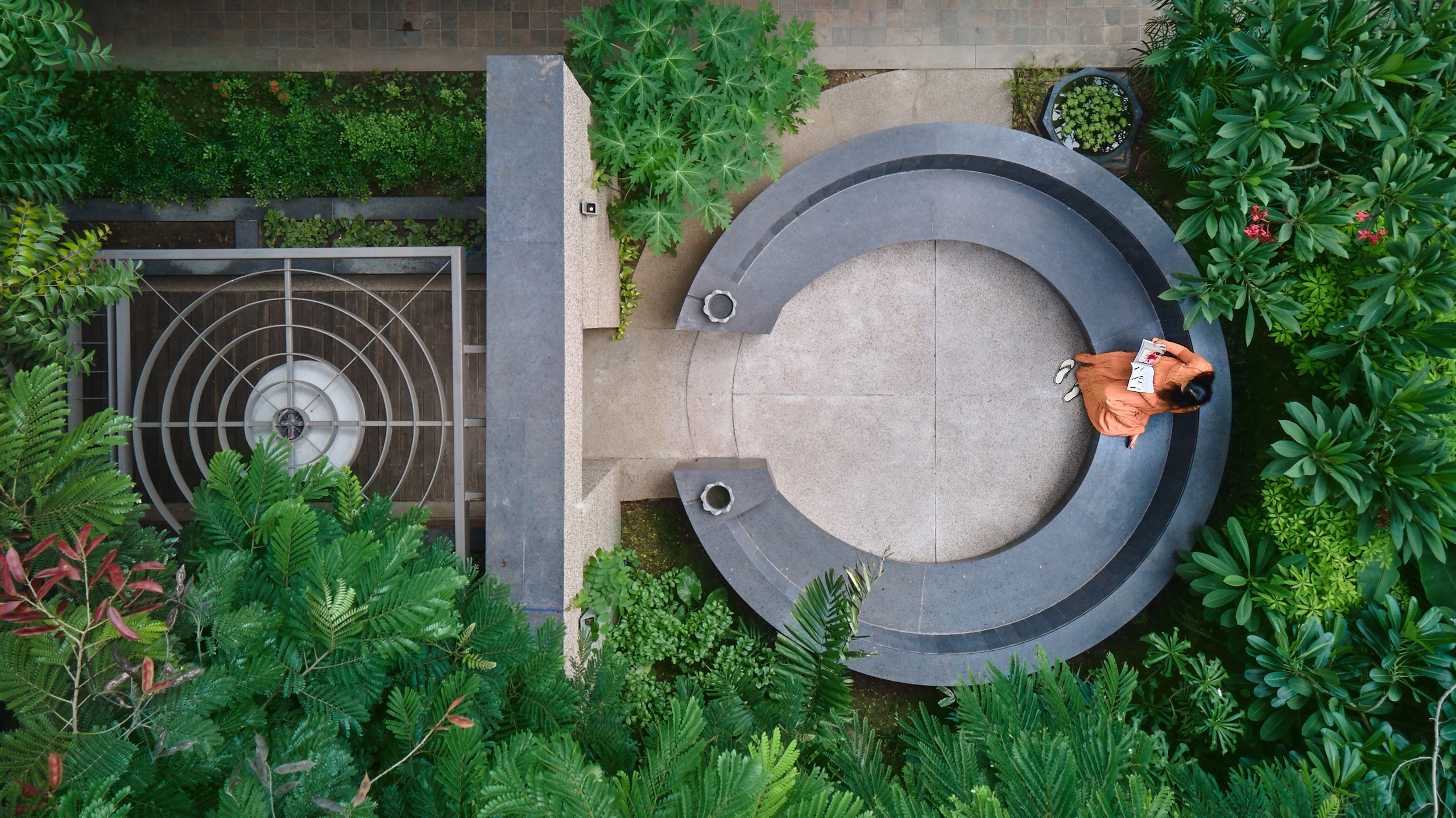
Landscape India Project Image 1

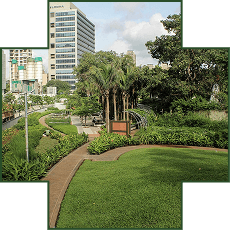
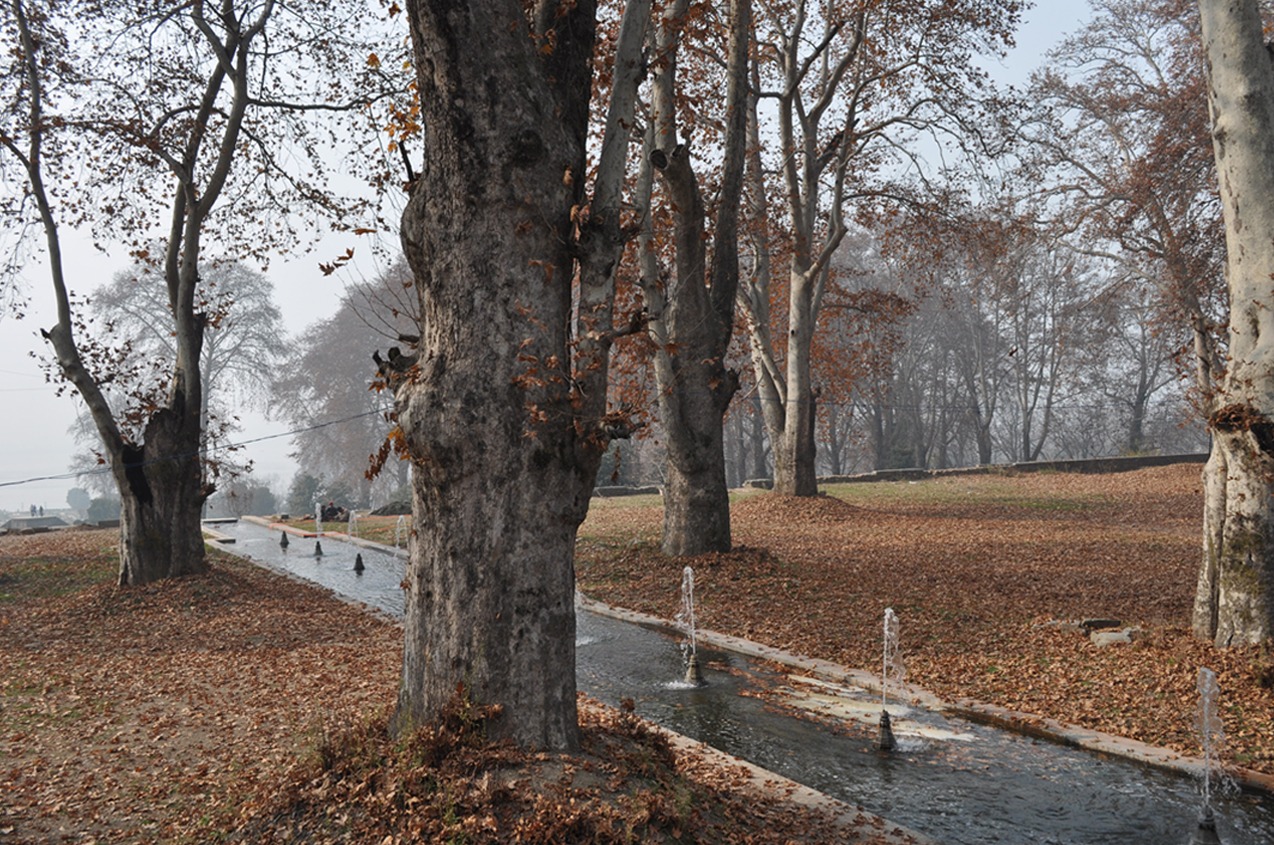
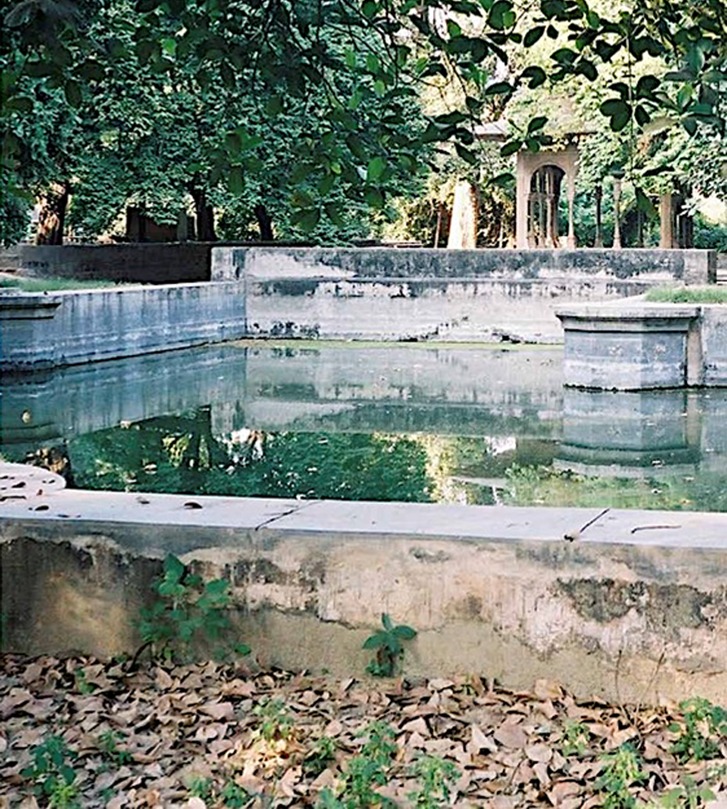
Ranging from the ‘van’ or the ‘wadi’, or the temple gardens, and gardens attached to palaces, to the Persian and Mughal ideas of the garden, and then to the more formal English Gardens introduced by the British - the idea of the ‘Indian’ garden is almost infinite.

Our investigation began in 2013. It lead to a comprehensive publication called ‘Million Gardens’. We defined the form as such - “A garden was a space that had a circumscribed territory, its limits notional or clearly marked but at all times discernible and finite; the very marking of this territory could happen by an act of active making or even claiming one already marked and within this would exist a certain prescribed ritual that allowed the many ideas of nature to be experienced in an articulate manner.

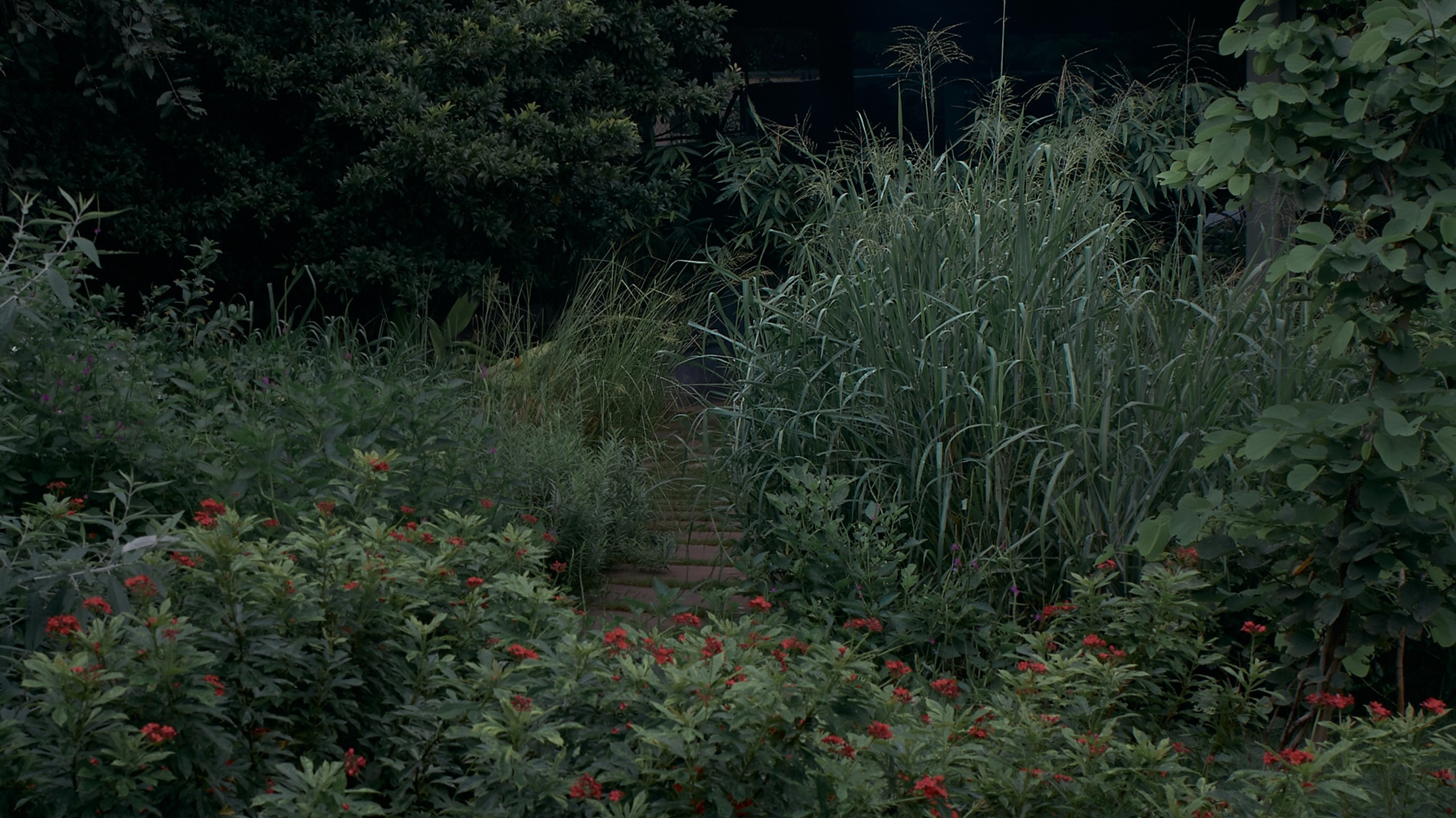
Landscape India Project Image

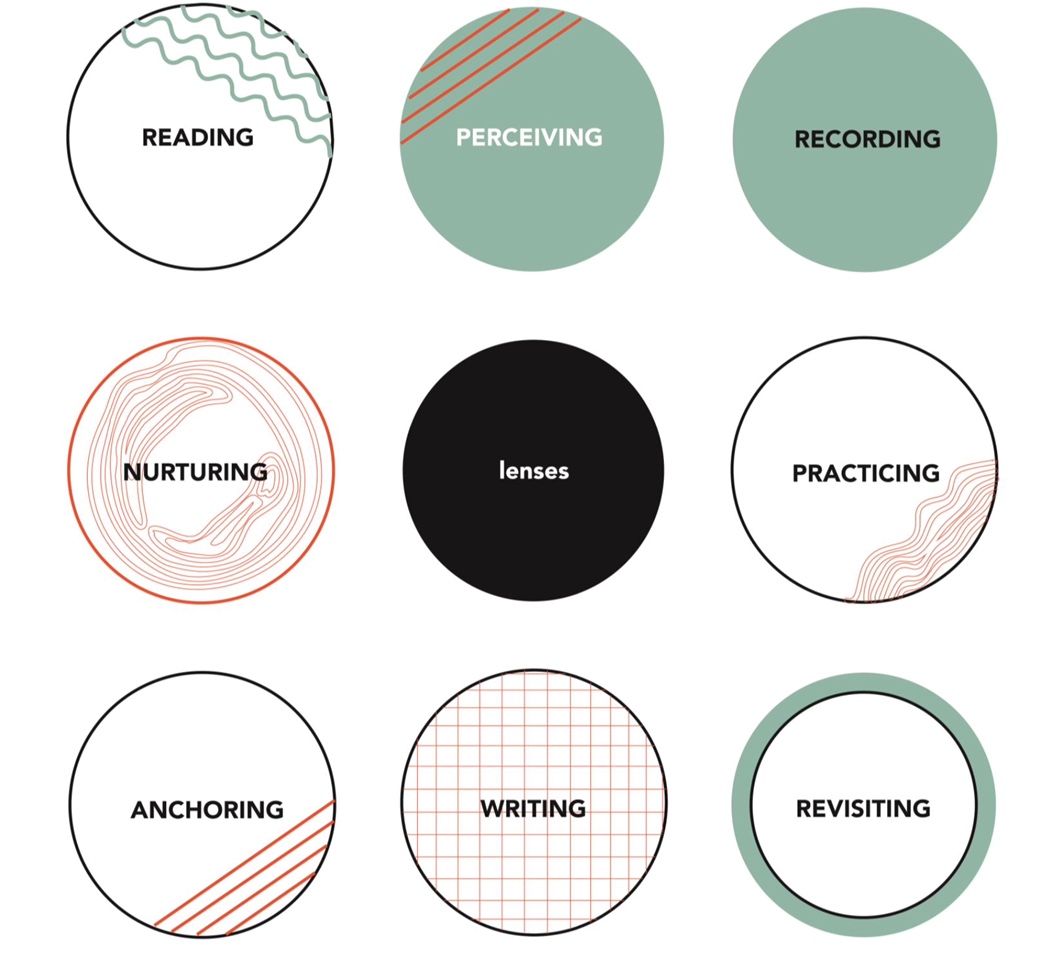
This, then, became a segue for us to be able to curate an exhibition and Monograph - Tracing Narratives - that travelled across the country for 13 months. The monograph - while providing a historical narrative pertaining to the Indian Garden - also demonstrated lenses by which to undertake conversations on the idea of Landscape Design in India - including Reading, Perceiving, Recording, Nurturing, Practicing, Anchoring, Writing, and Revisiting. These independent sections attempted to highlight the many ideas that strengthen this profession.
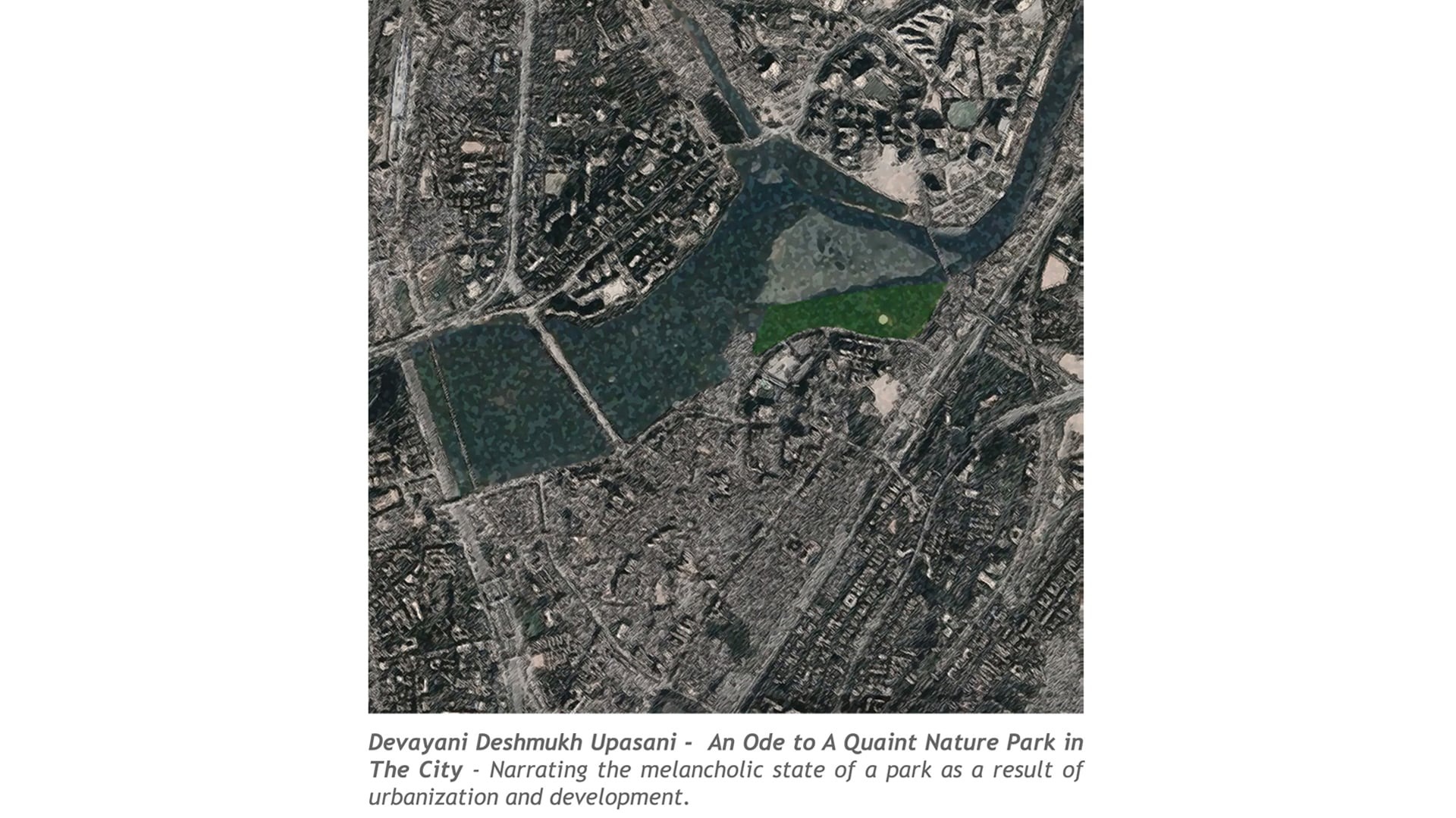
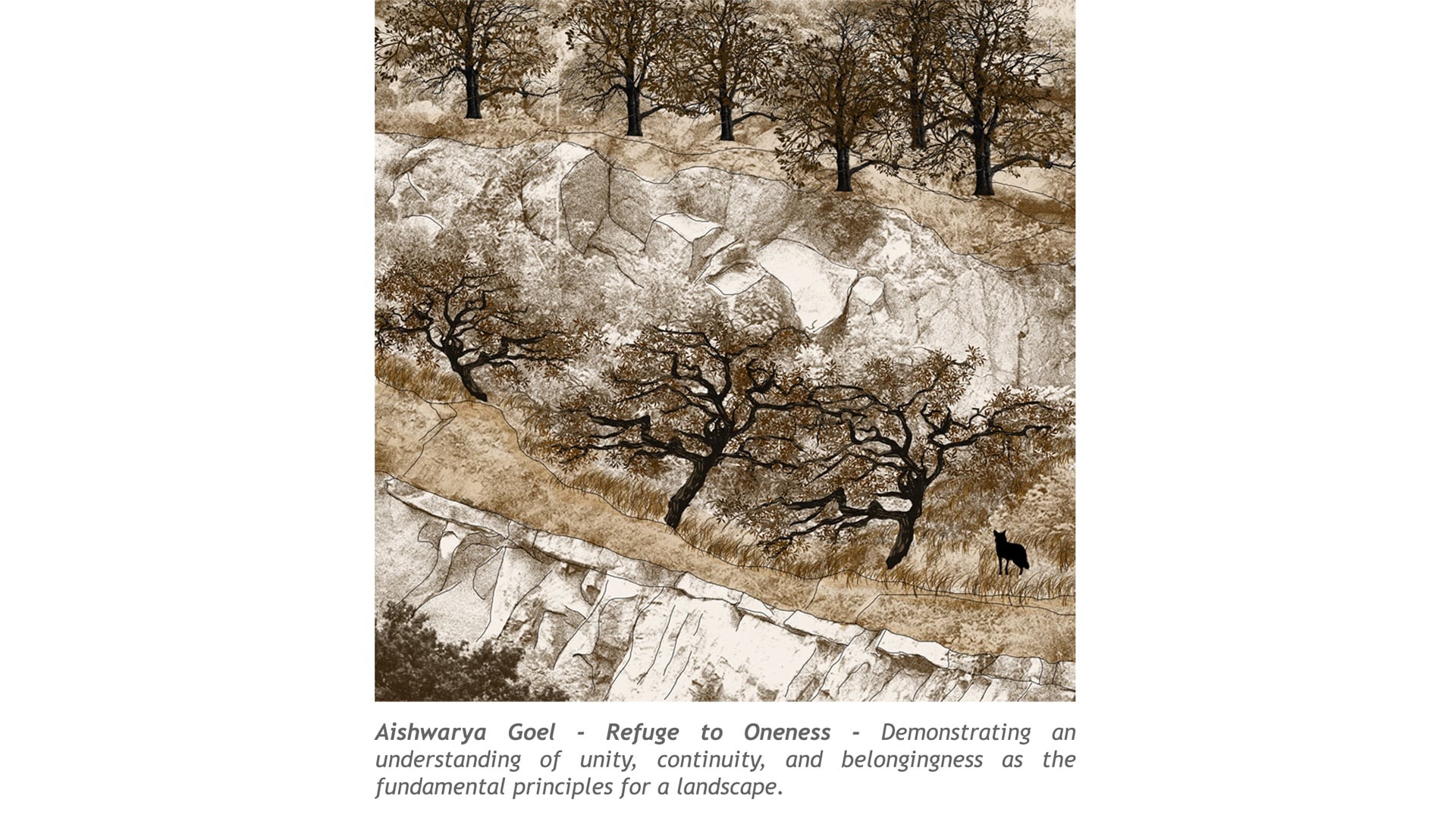
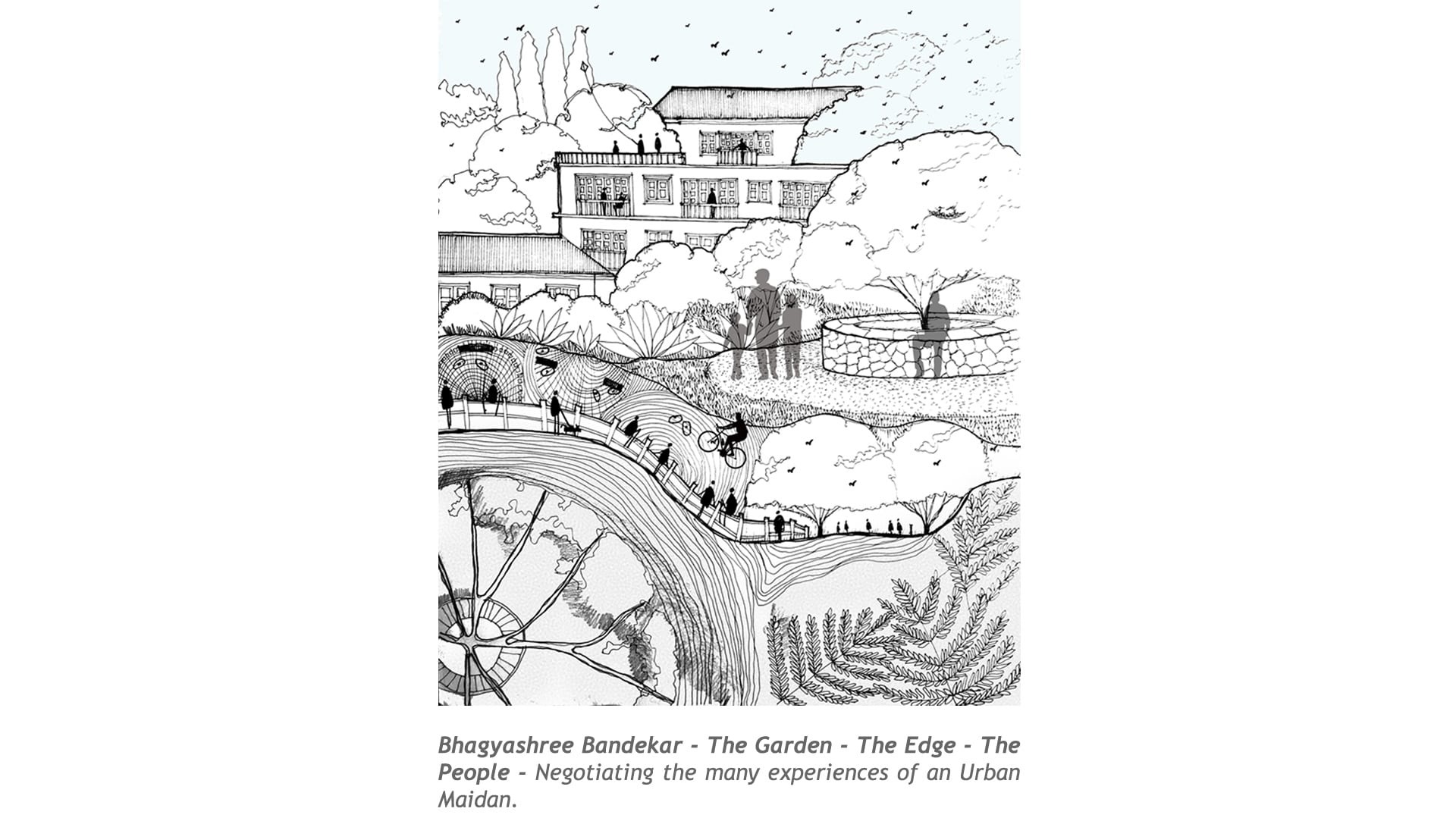
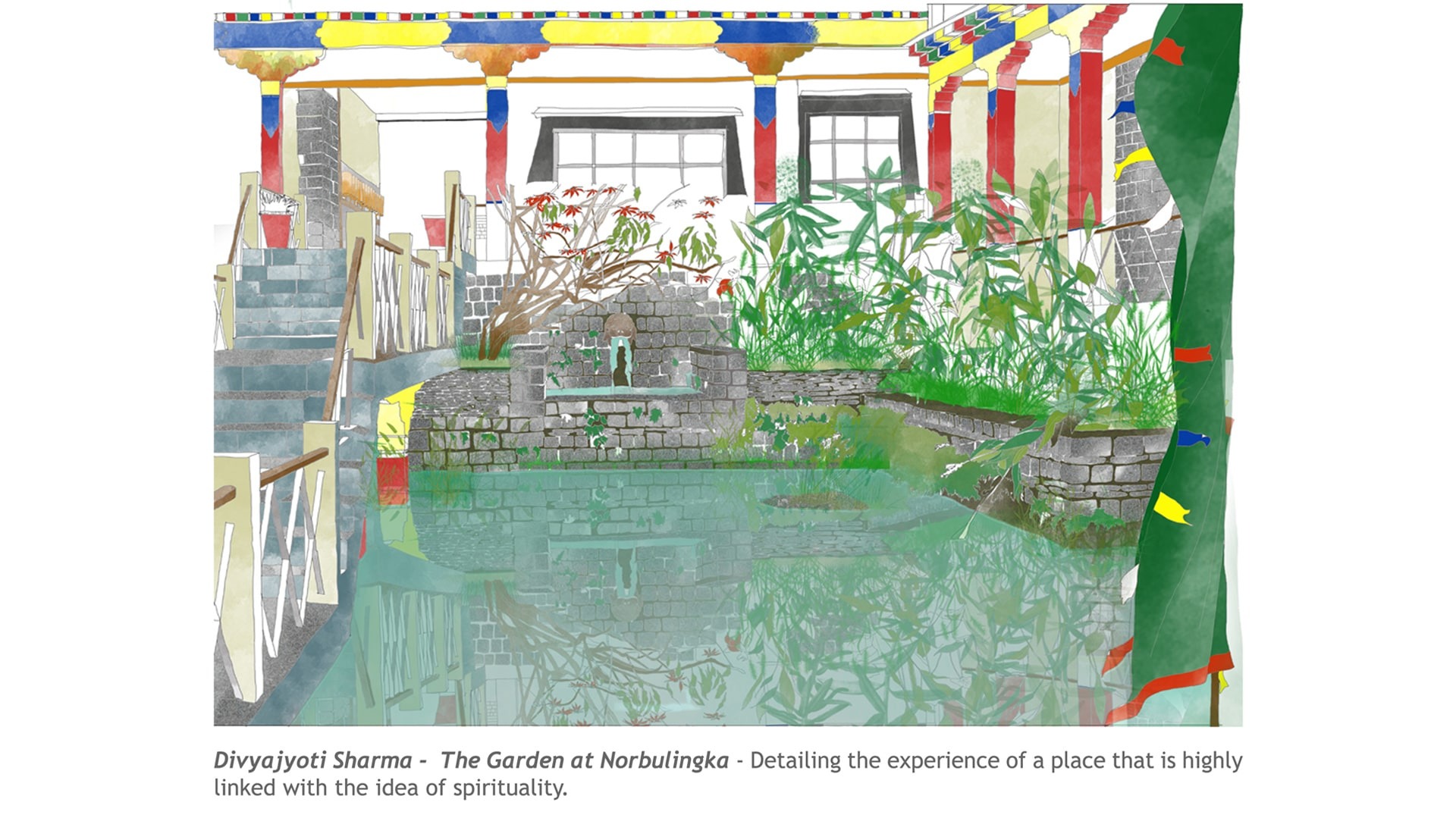
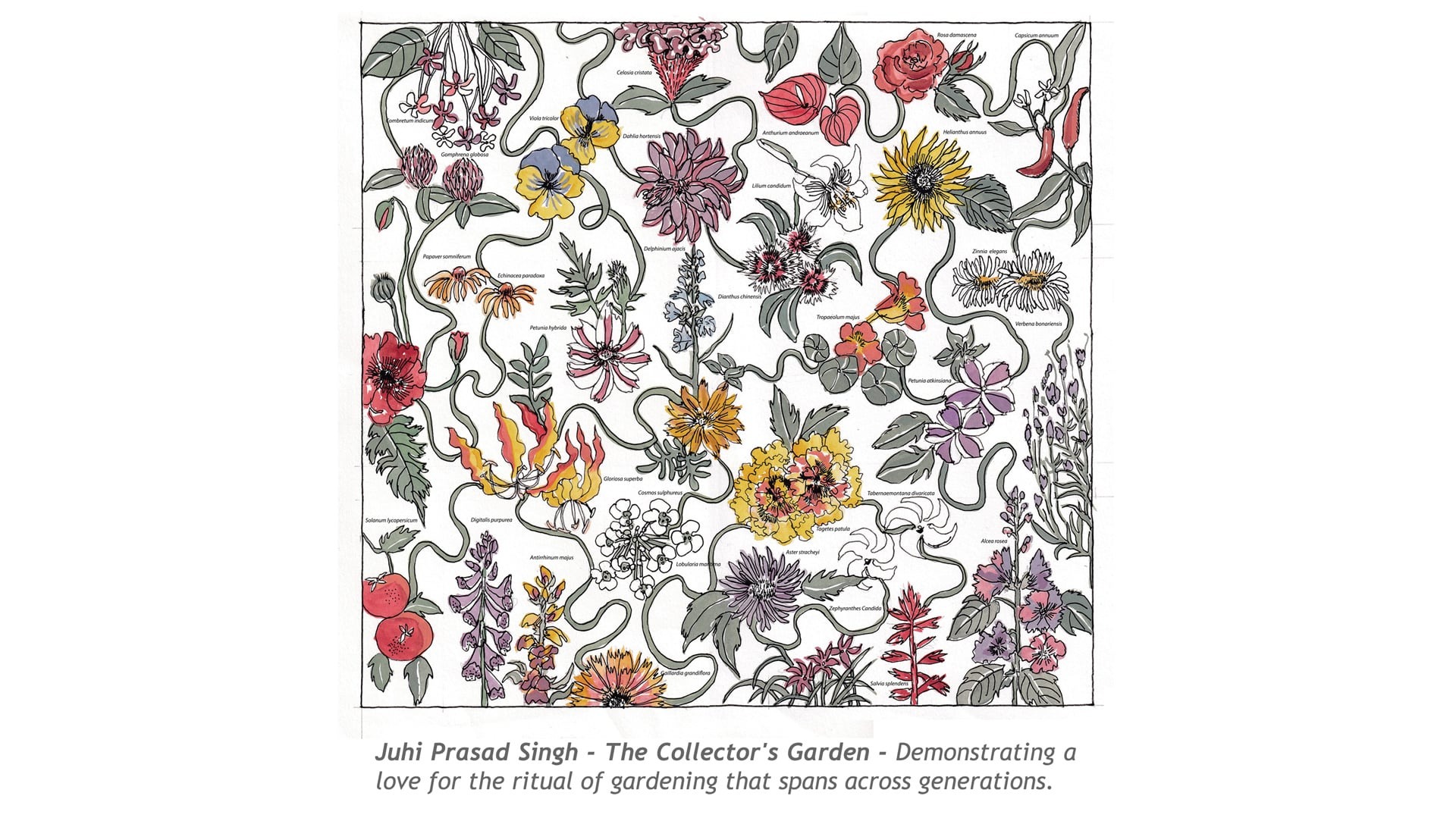
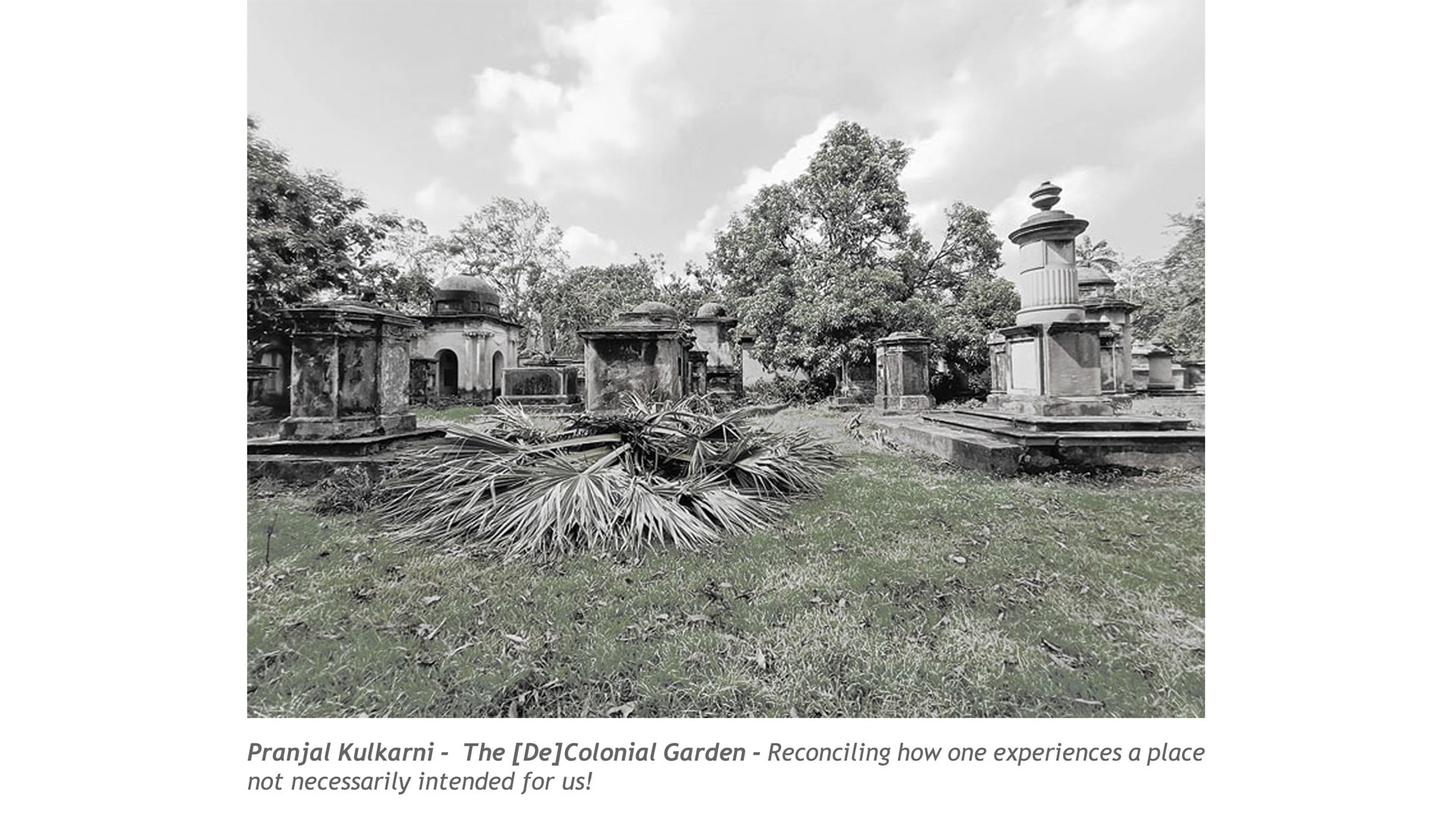
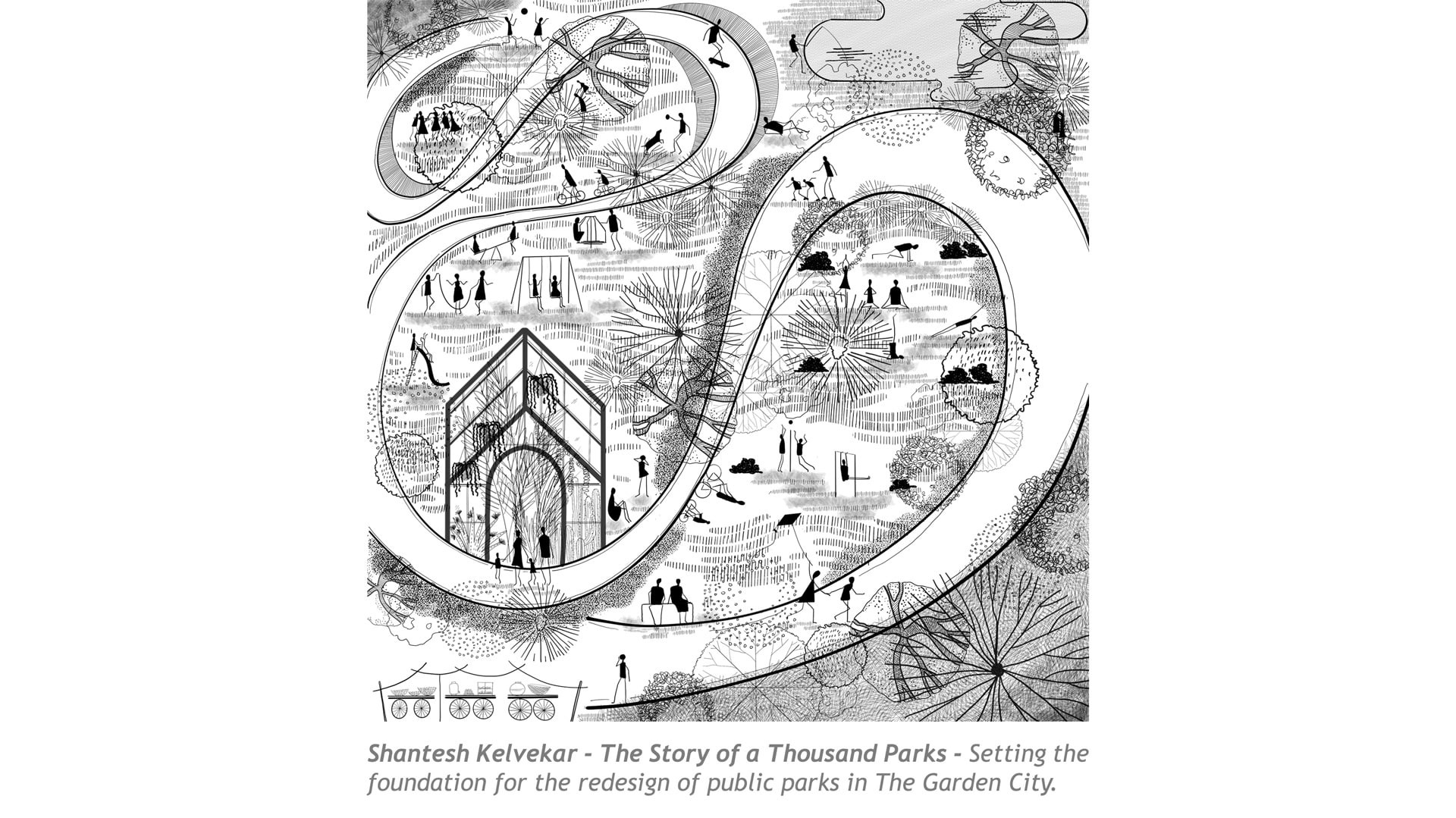
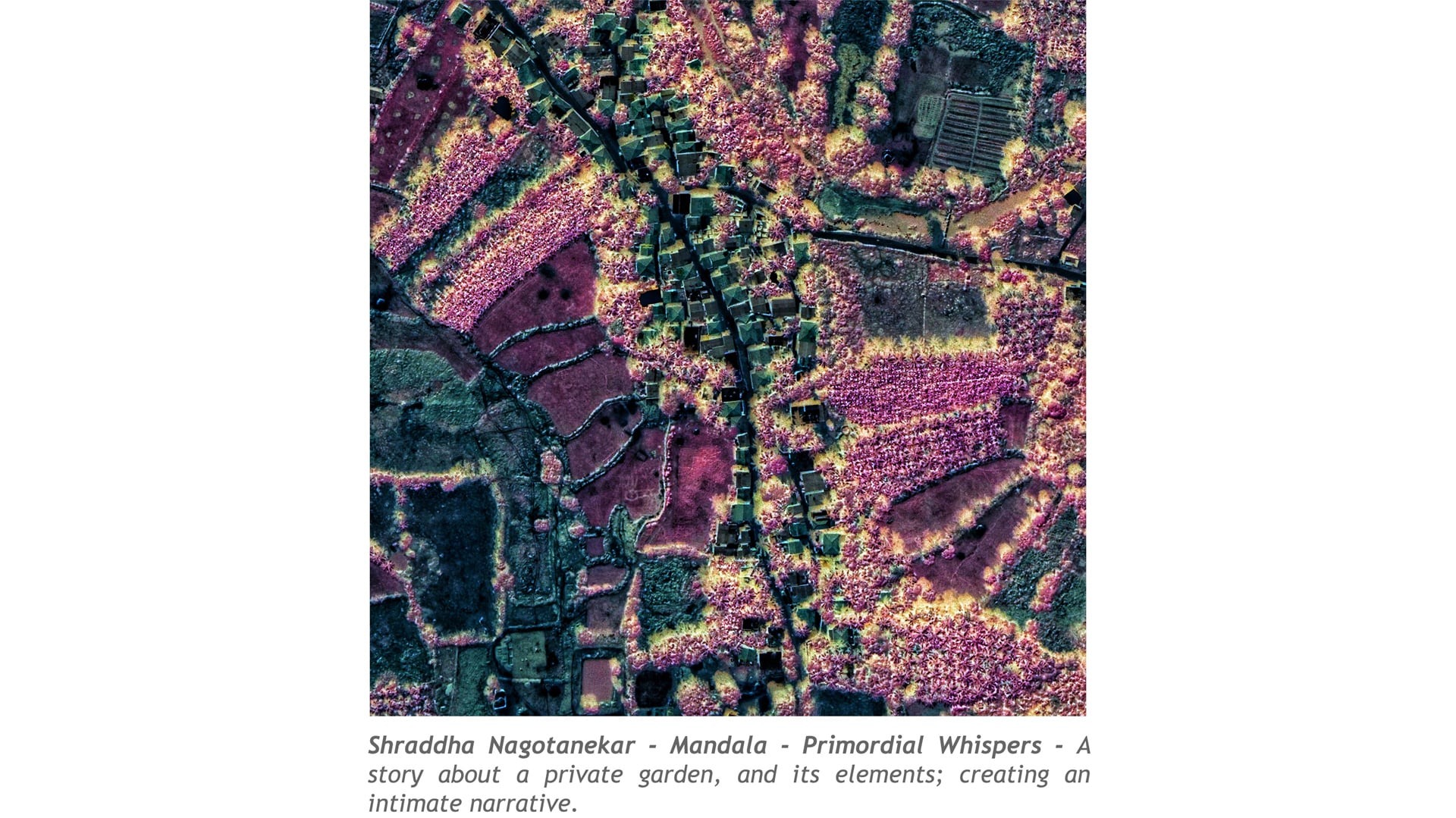
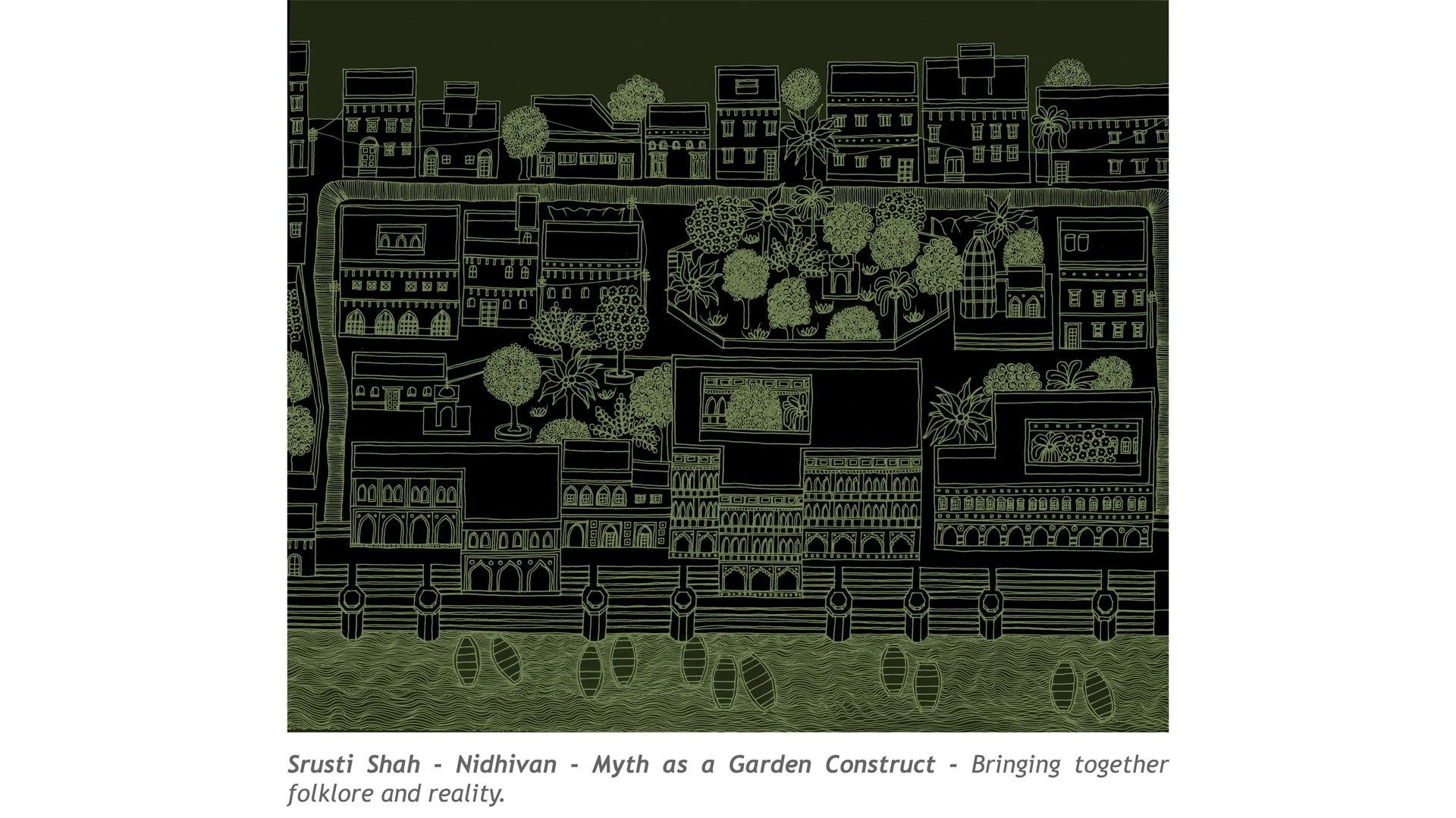
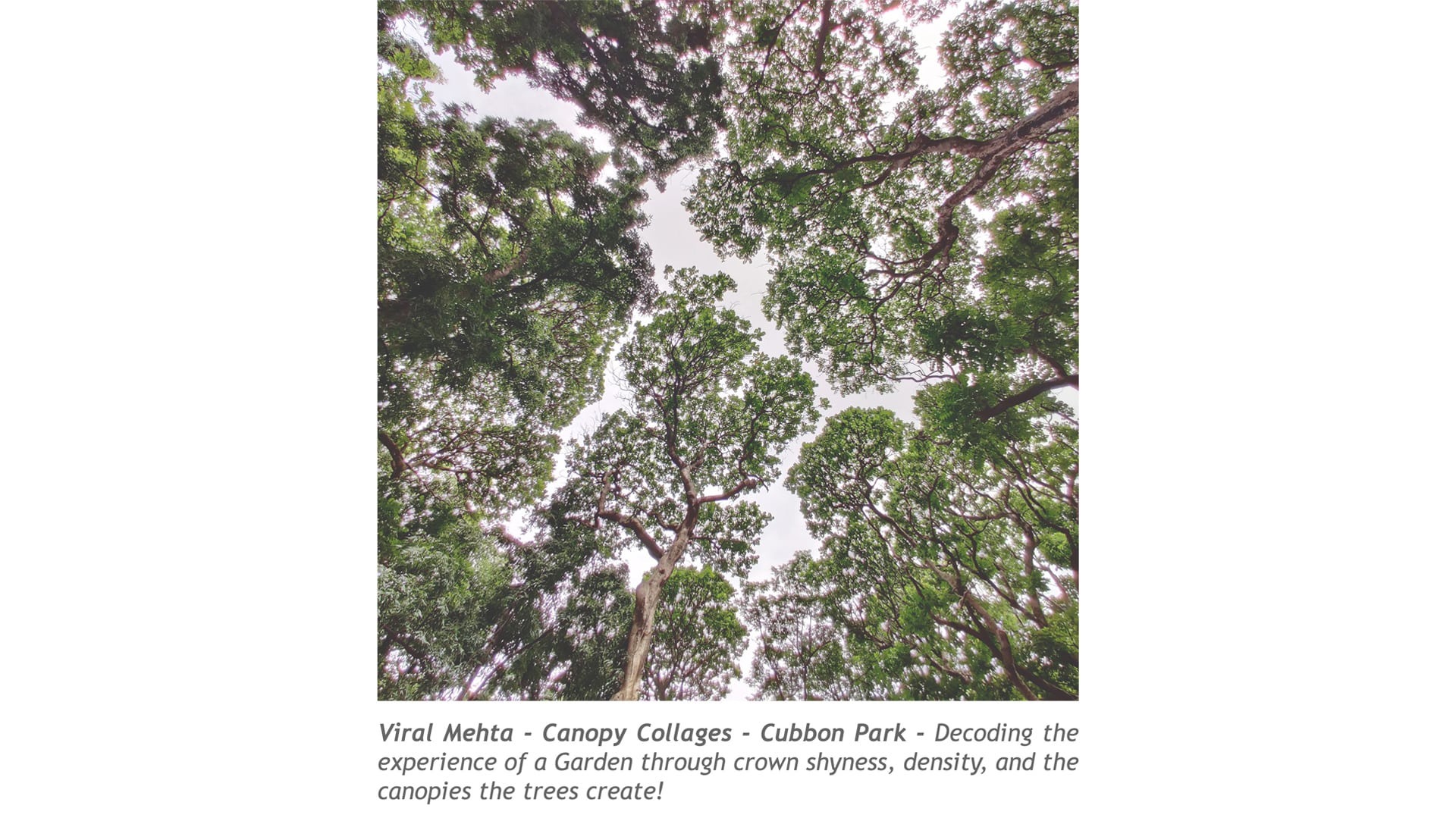
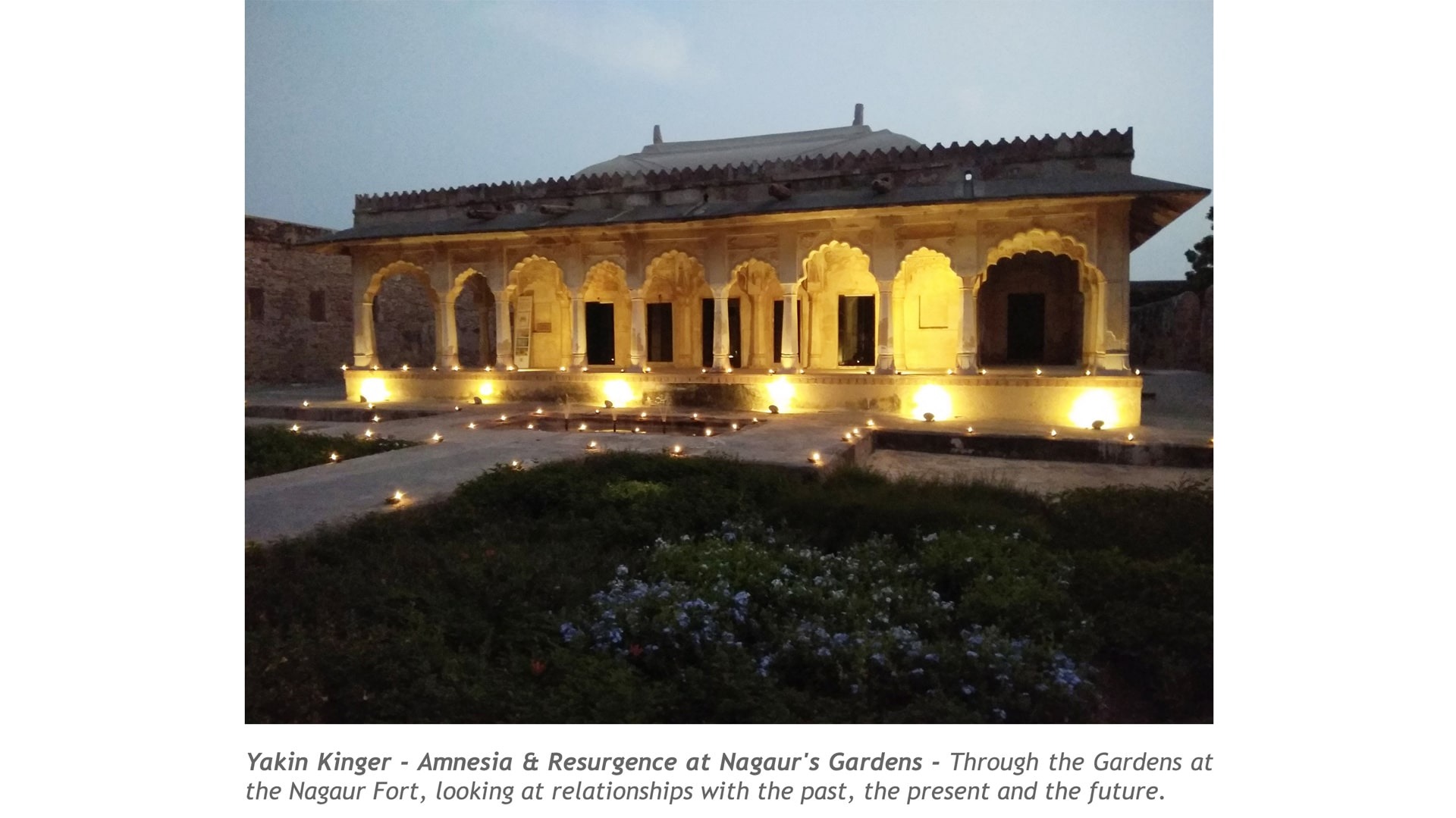
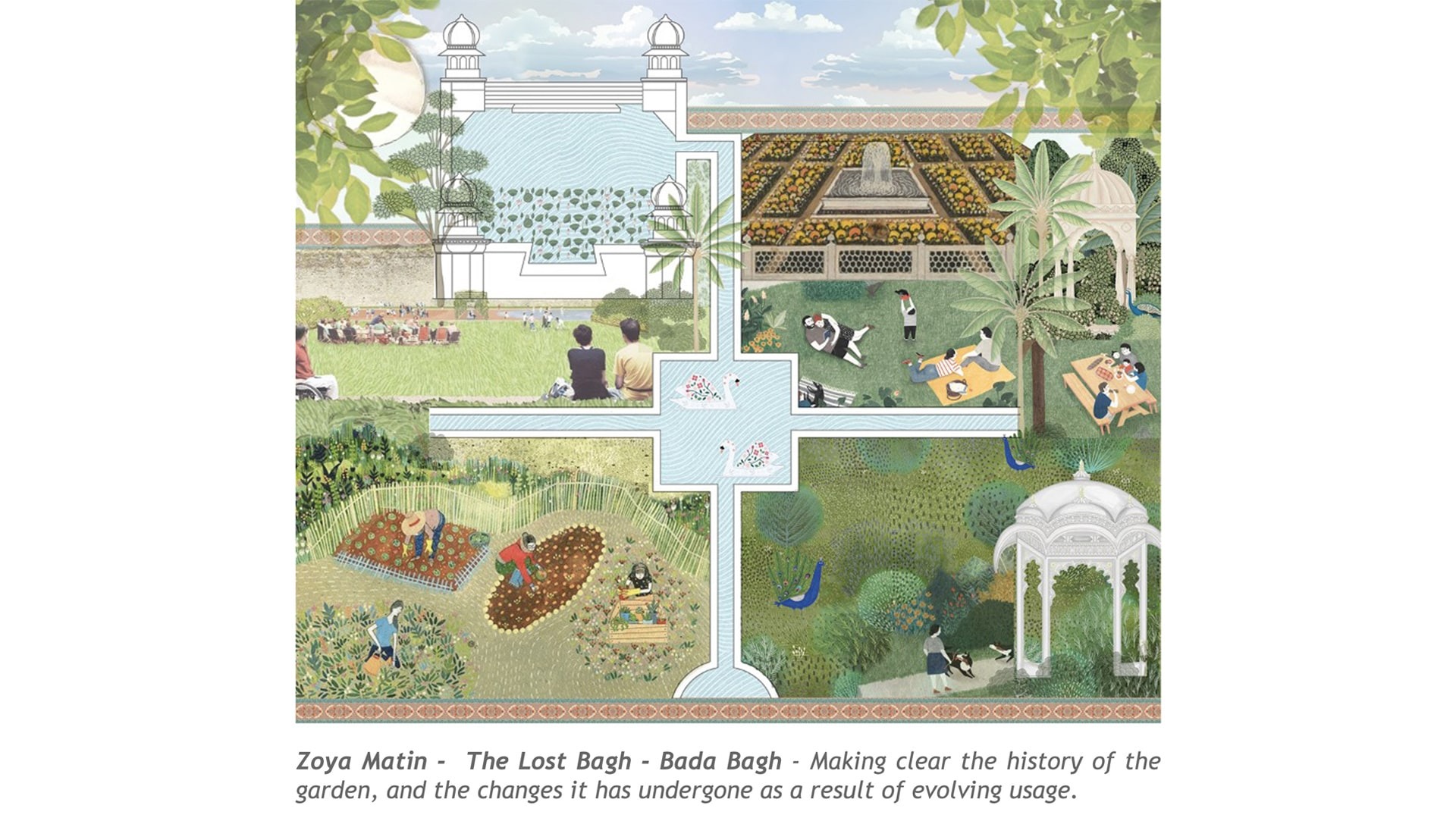
And then, in 2021, the Foundation put out a call for entries inviting everyone - writers, researchers, and designers alike - to identify a space that they consider to be a garden, and introspect on its design, its history, and the significance of the space. 

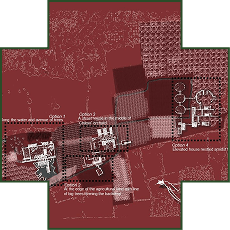
The process encouraged the author to imagine the decisions, and ideas that led to the conception of the space. It allowed them the leeway to express their narrative in any form of their choosing. 

Landscape India Project Image

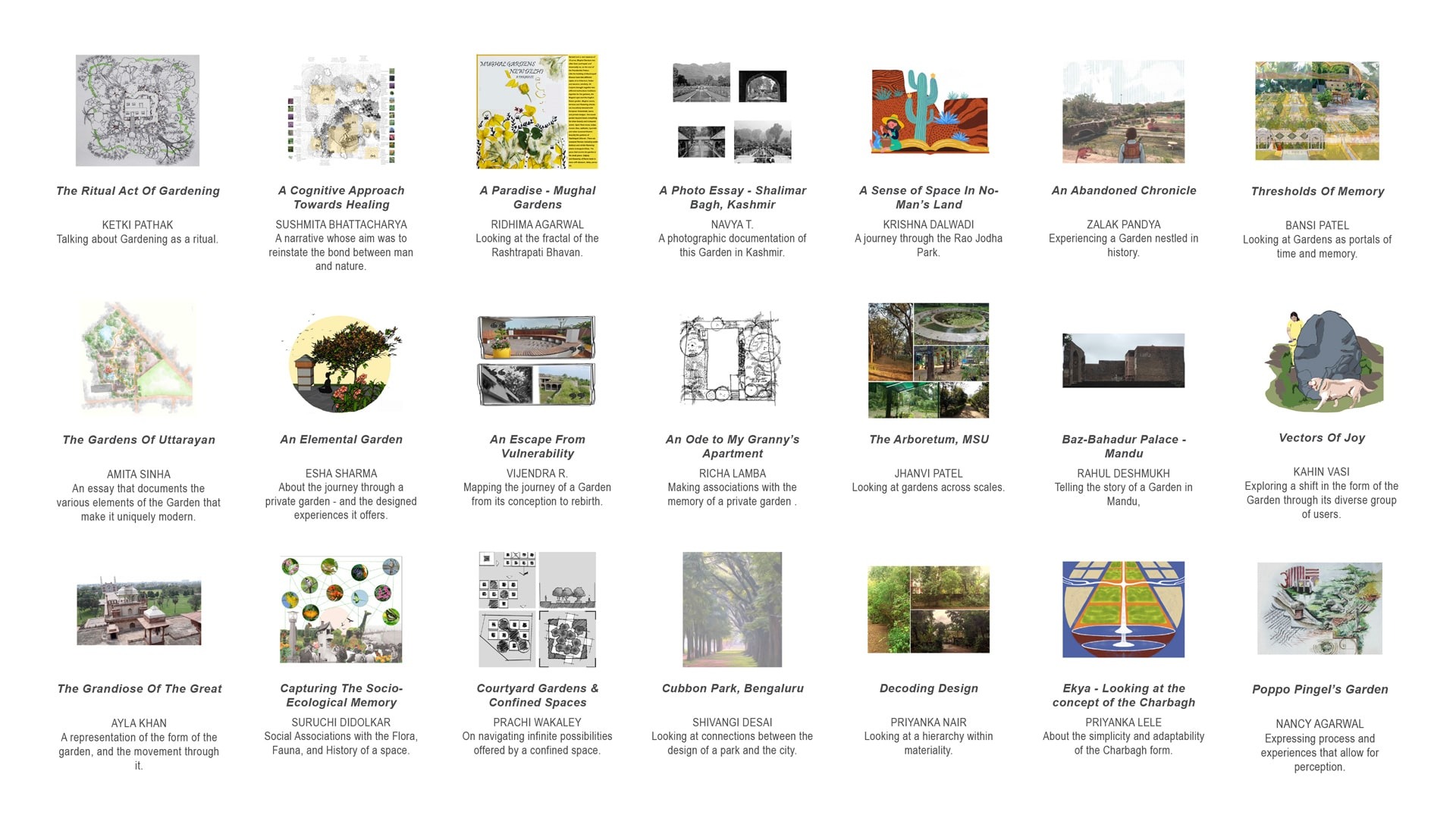
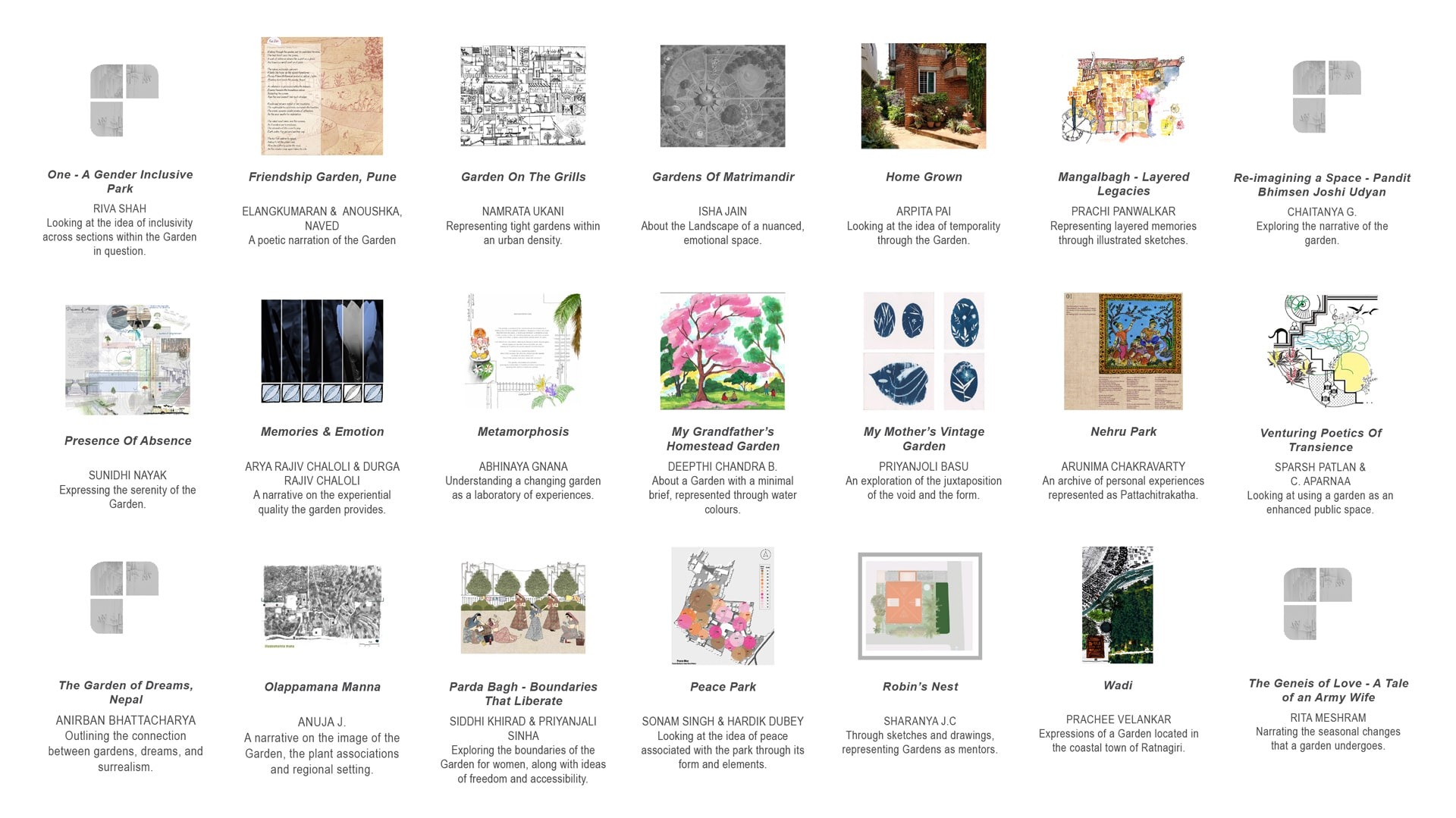
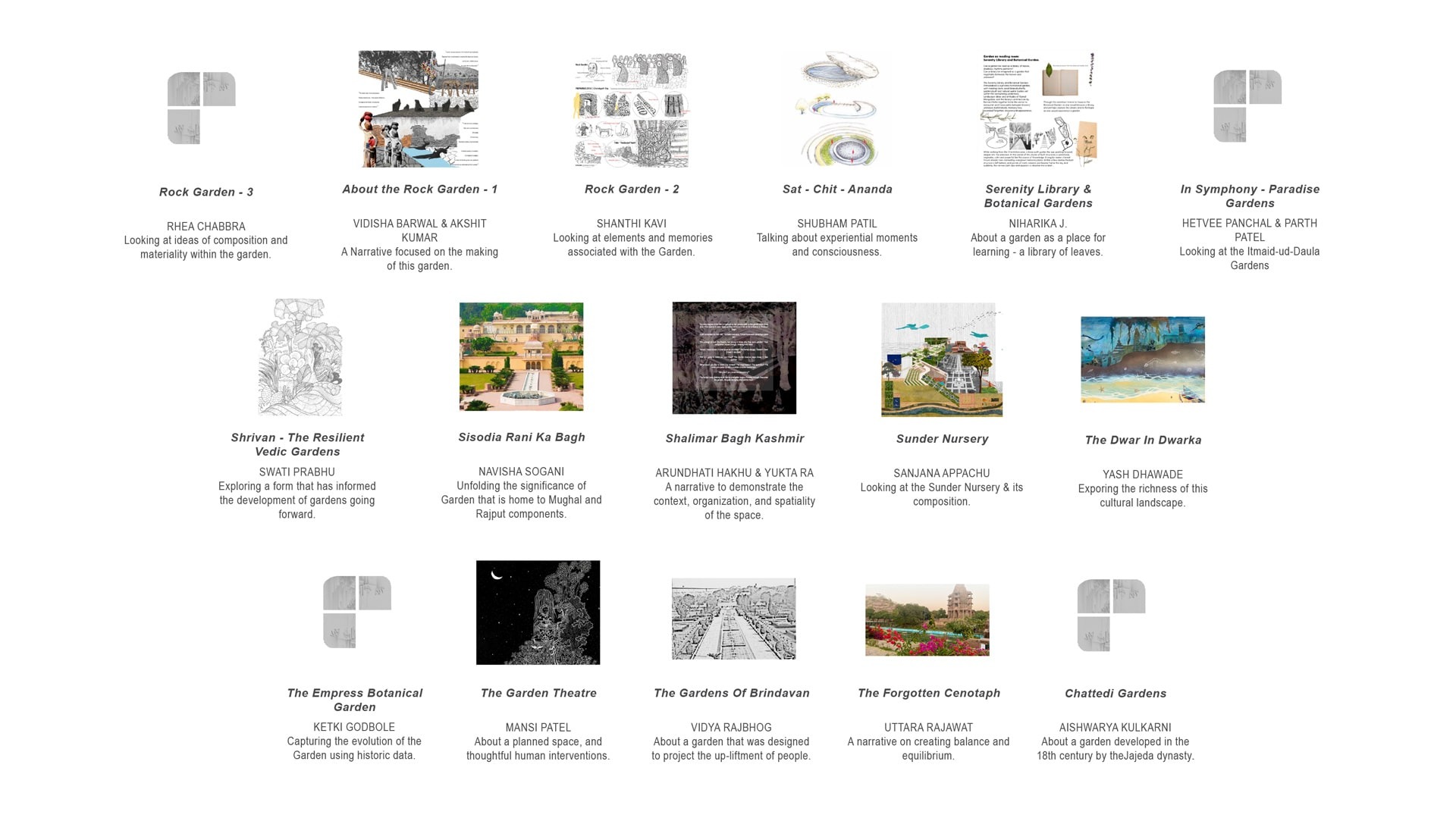
Over the course of a month, the Foundation received close to 75 entries; each entry was unique in not only the aspect of the garden it was bringing attention to, but also what the contributor chose to define as a Garden.

 
And so, at times, the Garden became a small pathway between two areas of the home; at others, it was a set of potted plants placed along the Grills of a residential building. At all times, however, what was clear was that the Garden was a space for pause; a space for respite. 


Landscape India Project Slide 1
Landscape India Project Slide 2
Landscape India Project Slide 3
Landscape India Project Slide 4
Previous
Next

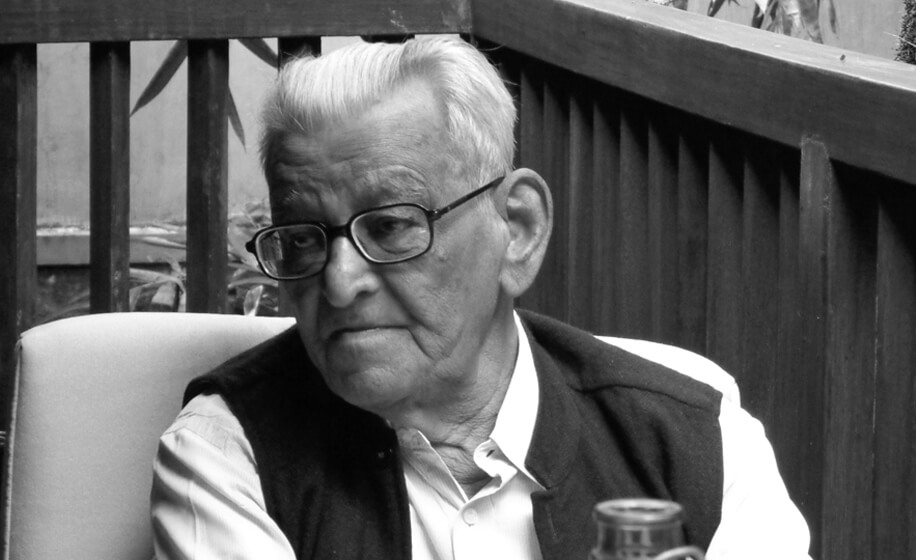
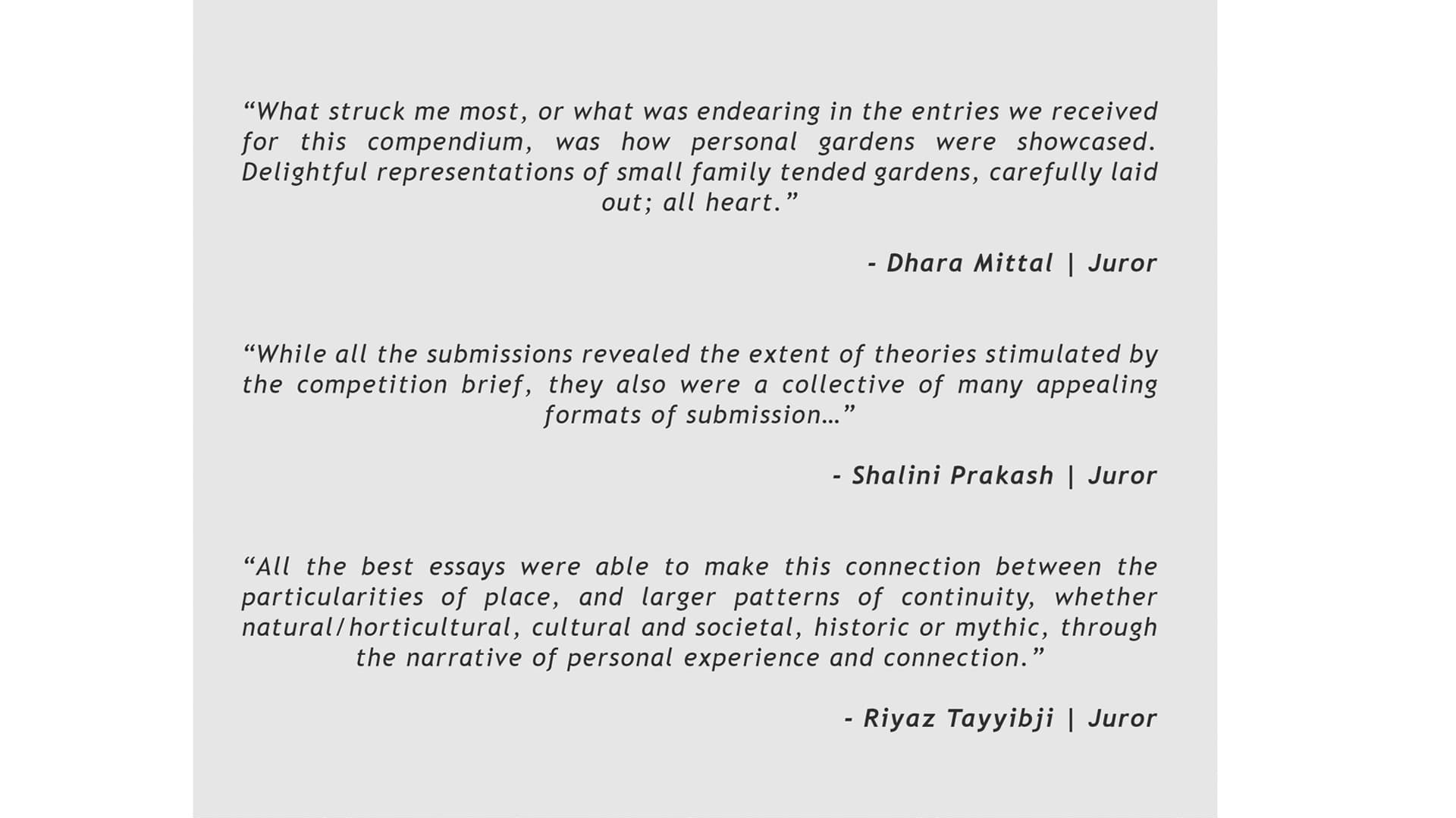
After much deliberation, and consideration, the 4-member Jury Panel identified 30 entries that were invited to submit complete proposals. The panel included a combination of Practitioners and Academicians - Mr. Riyaz Tayyibji, Ms. Dhara Mittal, Ms. Shalini Prakash and Ms. Vaidehi Bhagwat. Throughout the process, the group was cognisant of the fact that these were individuals who had not, in the past, been a part of such an undertaking. As a result, the process leaned towards being one of guidance, and conversation - rather than being one that was purely geared towards assessment. 

Landscape India Project Image

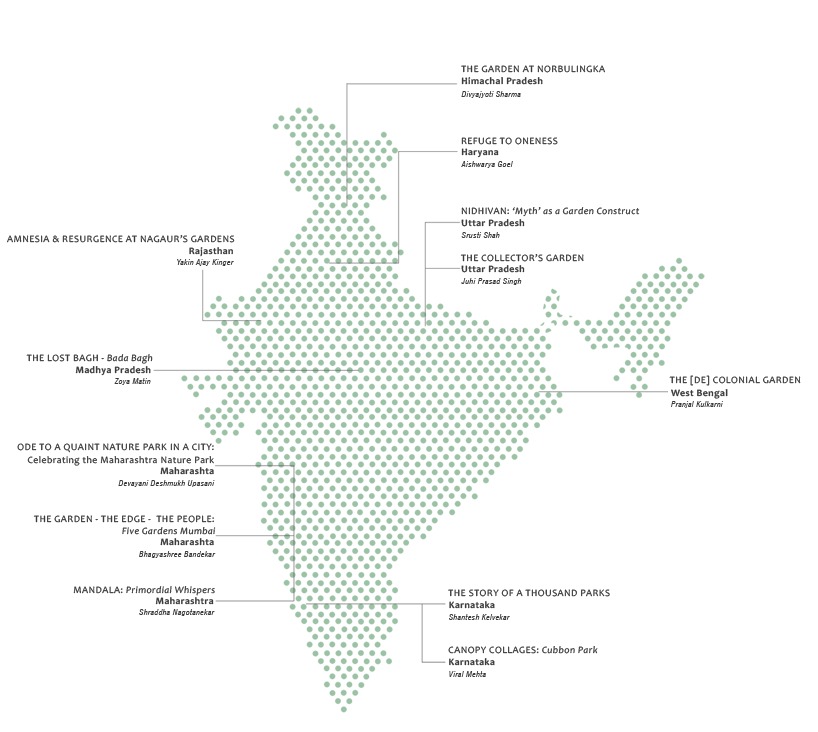
It was through this extensive process of engagement and discussion, that 12 entries were developed and published in a book - Within the Gardens We Walk. This book acts as a bridge between ideas of practice, academia, and research. 

What stands out about this process is not just the narratives that it has led to, but rather the ease with which one is able to set up dynamic processes that allow for these conversations that are undoubtedly the need of the hour. 

Landscape India Project Slide 1
Landscape India Project Slide 2
Landscape India Project Slide 3
Landscape India Project Slide 4
Landscape India Project Slide 5
Landscape India Project Slide 6
Landscape India Project Slide 7
Landscape India Project Slide 8
Landscape India Project Slide 9
Landscape India Project Slide 10
Landscape India Project Slide 11
Landscape India Project Slide 12
Landscape India Project Slide 13
Previous
Next

Continue Reading

Other Small Gardens
Project

Other Small Gardens

A small Garden
Project

A small Garden

For the 71st edition of la journal, an article on the narrative compendium whose process was run and curated by leaf, the outcome of which is a book called within the gardens we walk
Column

For the 71st edition of la journal, an article on the narrative compendium whose process was run and curated by leaf, the outcome of which is a book called within the gardens we walk

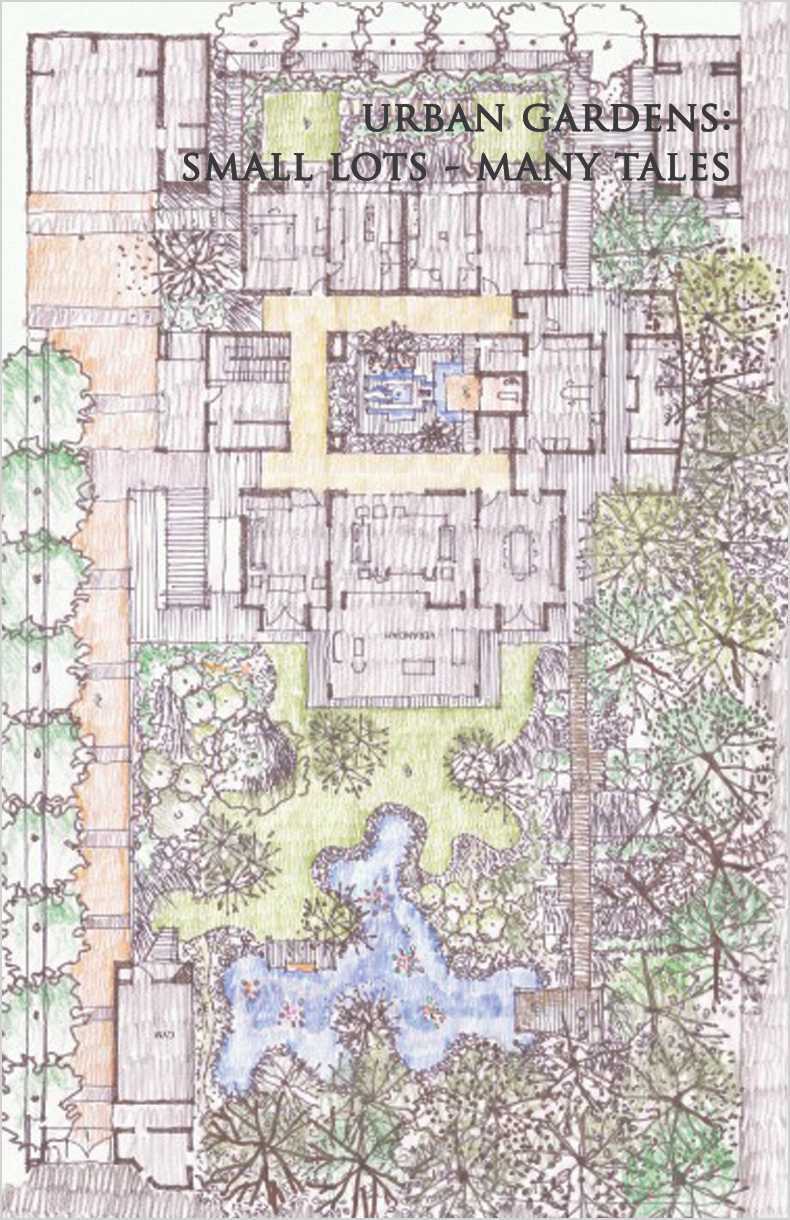
Urban gardens ; small lots- many tales
Blog

Urban gardens ; small lots- many tales