

October 02, 2013

It is not often that a public or a large landscape captures your imagination and shakes you alive! In the past many have- Central Park, Nishat Baugh , Villa D-Este , but in recent times at least for me, this has not happened often- it happened with I saw the Parc André Citroën in Paris, which is a magnificent project, and one I must post a blog on soon, and I have to confess that I have not seen the Hi-Line Park- but seeing the Australian Garden at the Royal Botanical Gardens at Cranbourne just outside Melbourne was a powerful emotional experience and only half jokingly I called it ” A Taj Mahal of a Landscape”. Simply stating, its one of the most powerful public gardens done in the last three odd decades without doubt and one that might well do for Melbourne at some level, what the Opera House did to Sydney.
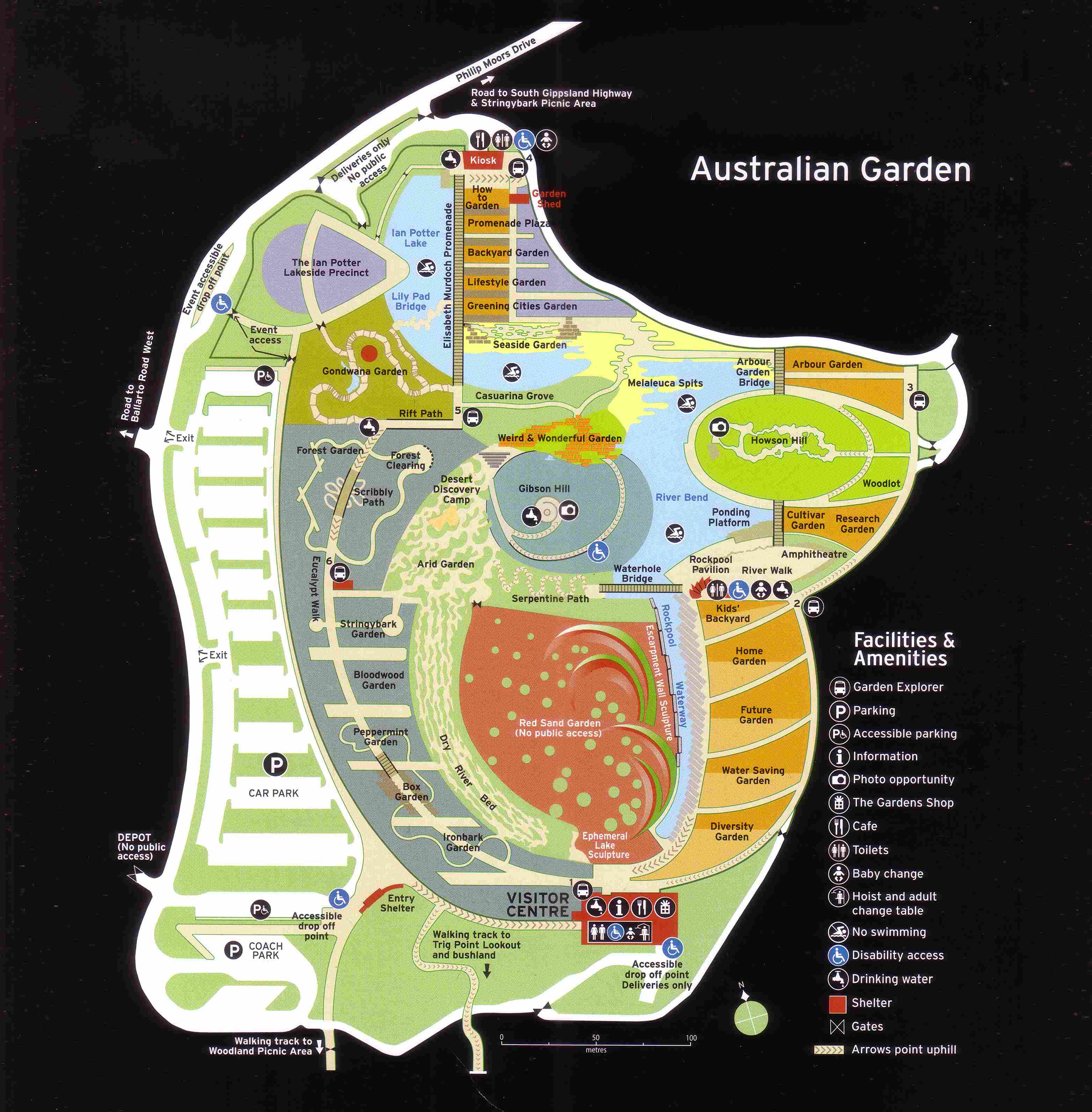
Designed by Taylor and Cullity, in the early 1990s, the garden is a result of work that started visualizing such a project in the 1980s. Spread over 15 HA, though it does feel much larger, is a botanical garden that fuses poetry, symbolism, ecological narratives and plant material. As the plan above will reveal its divided into the different ecological vignettes of the vast continent that is Australia. The stunning Red Sand Desert is the center piece, with the arid gardens,the dry river beds,the water ways, the river beds, the significant land forms all finding artistic representation.
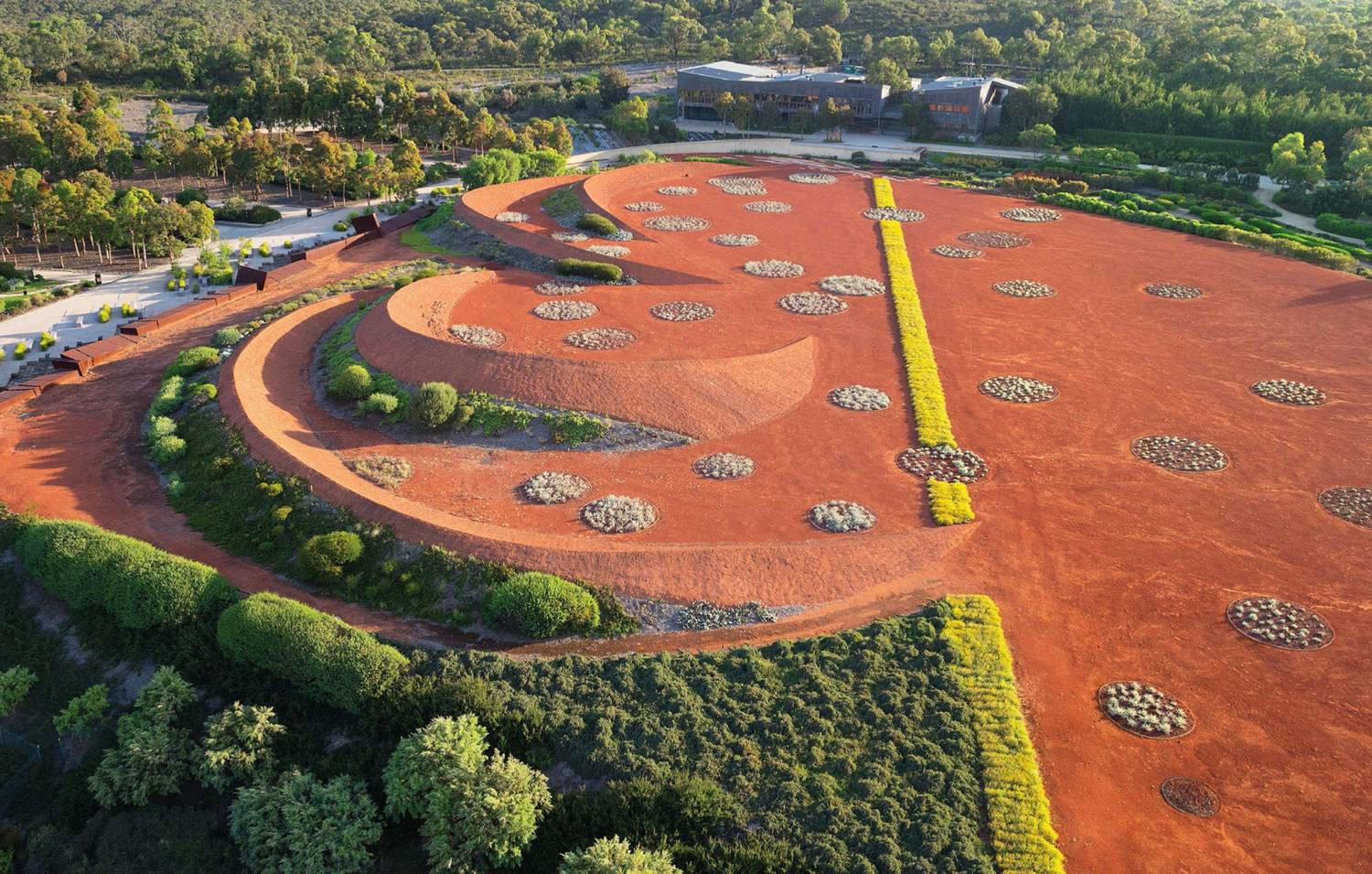
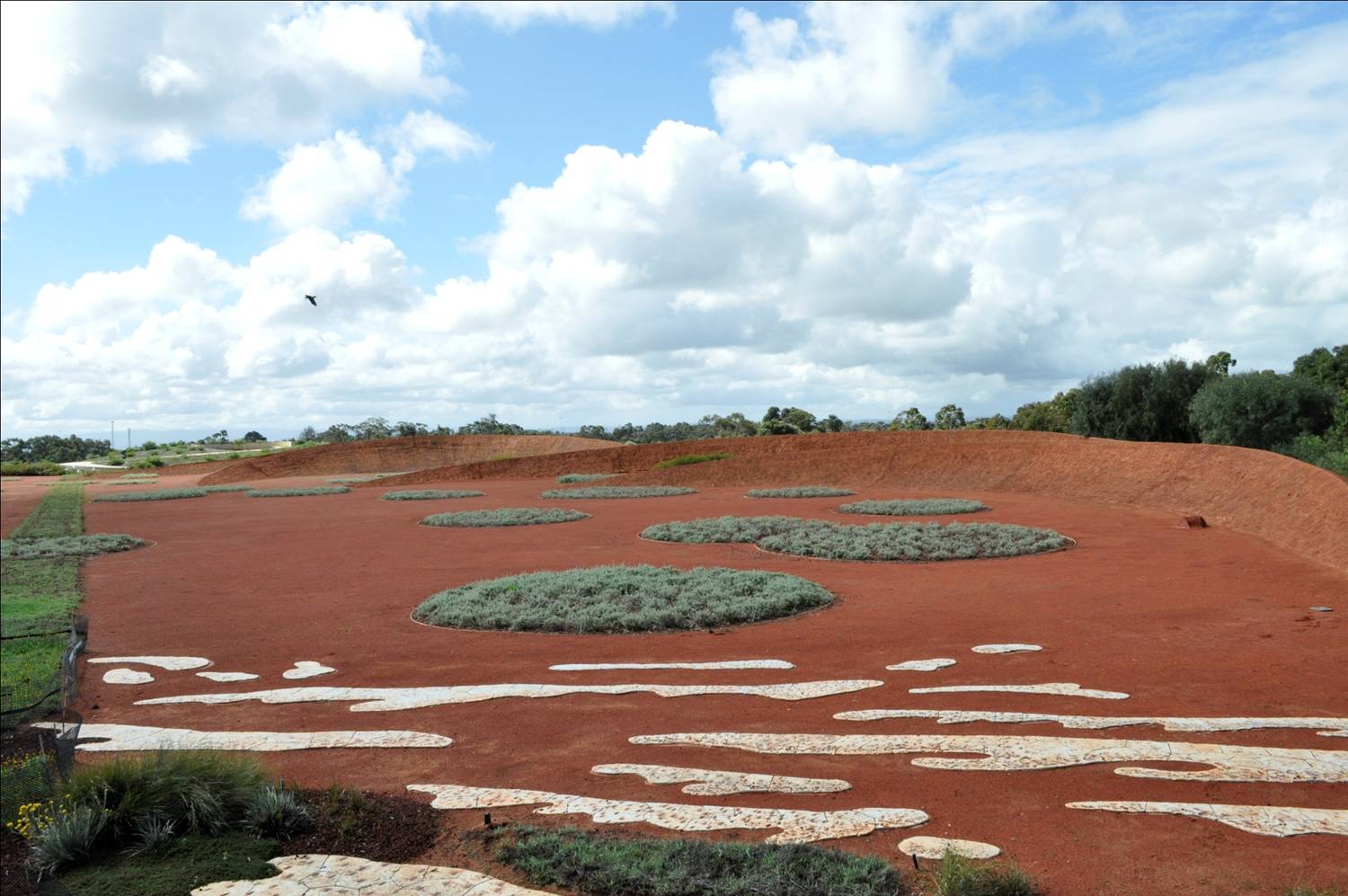
The evocative Red Sand Garden that explodes in your face as you enter the project, with a symbolic navigation line marked on it. It represents the flat burnt landscapes of Central Australia.
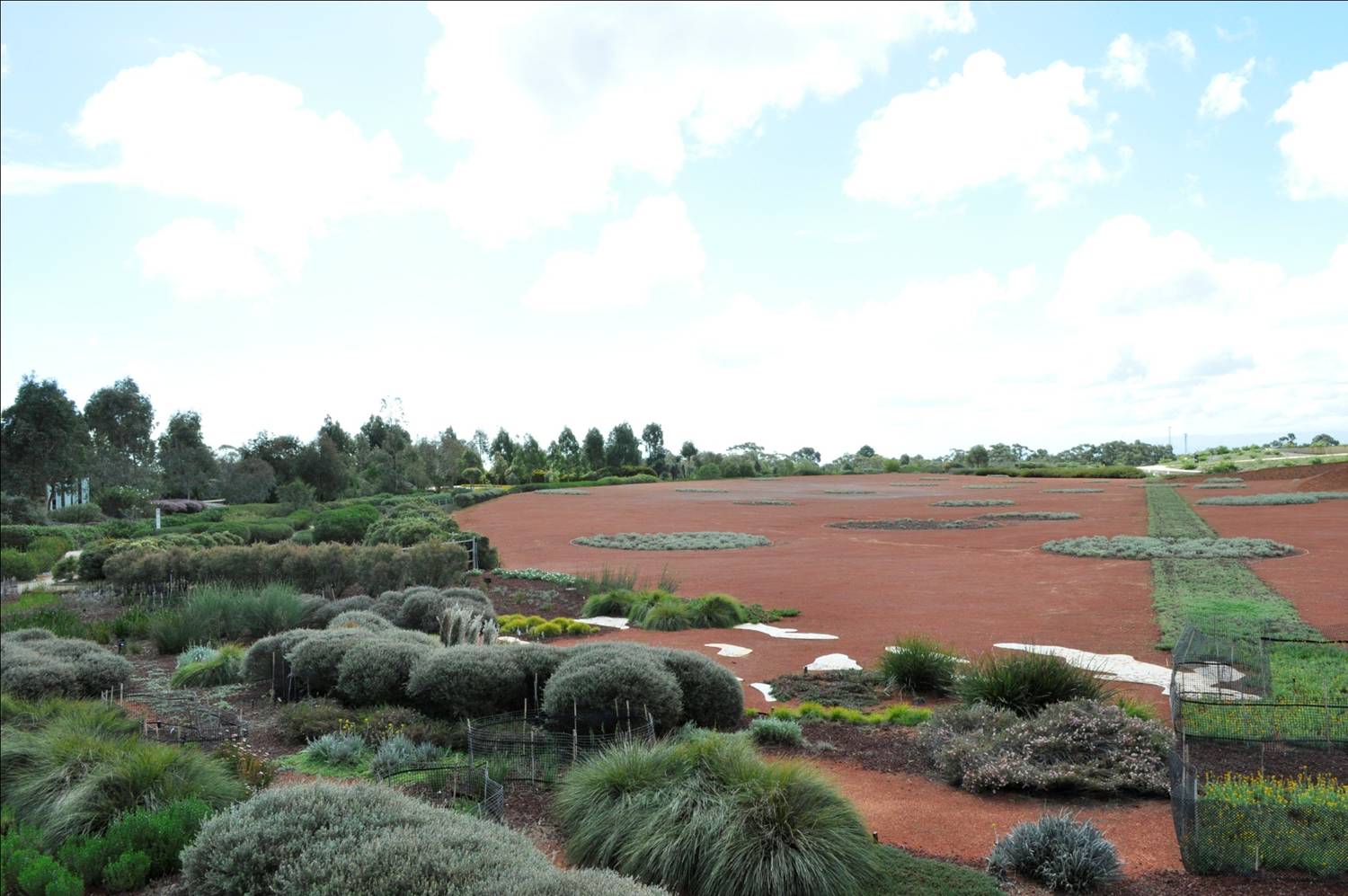
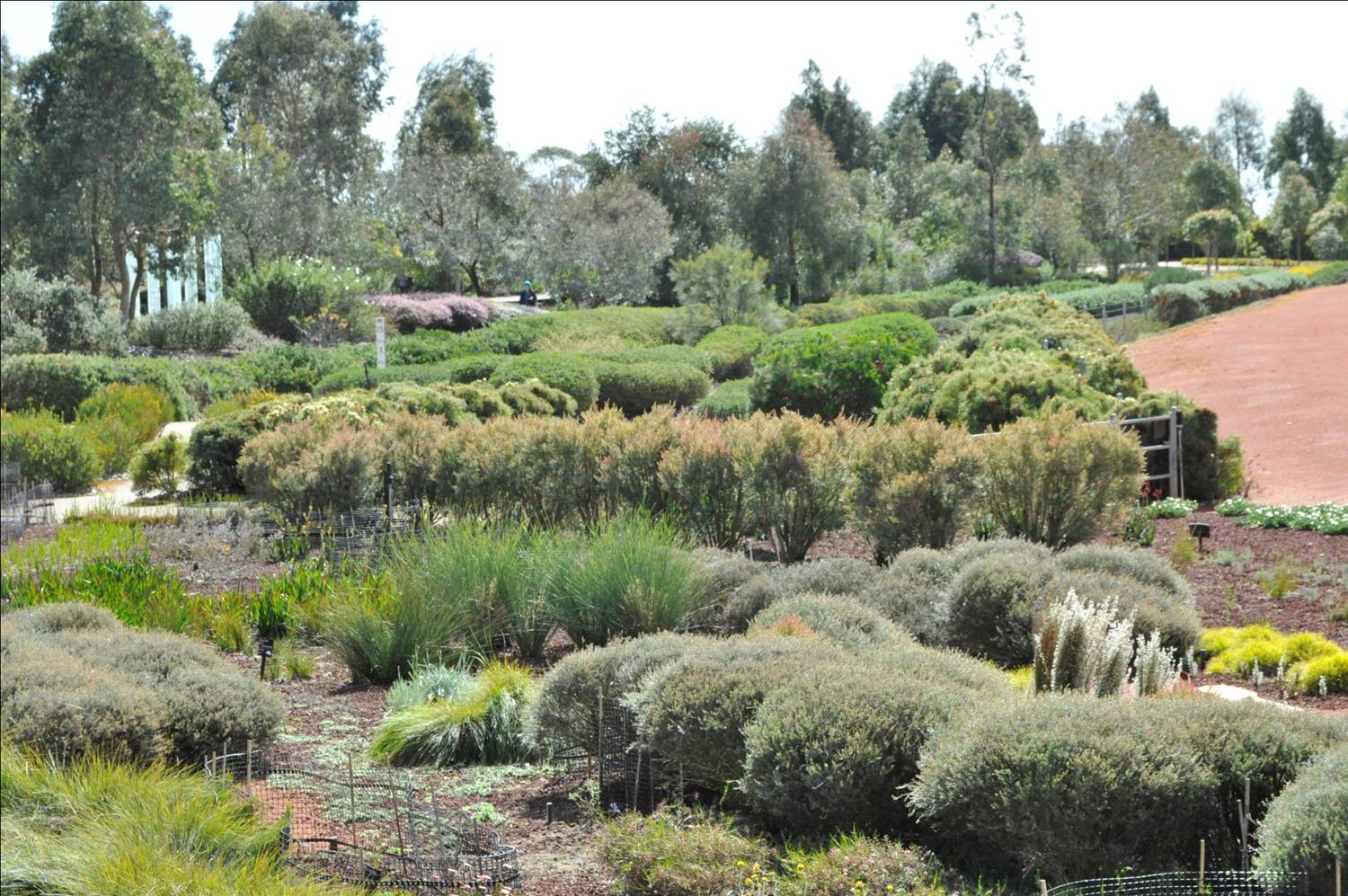
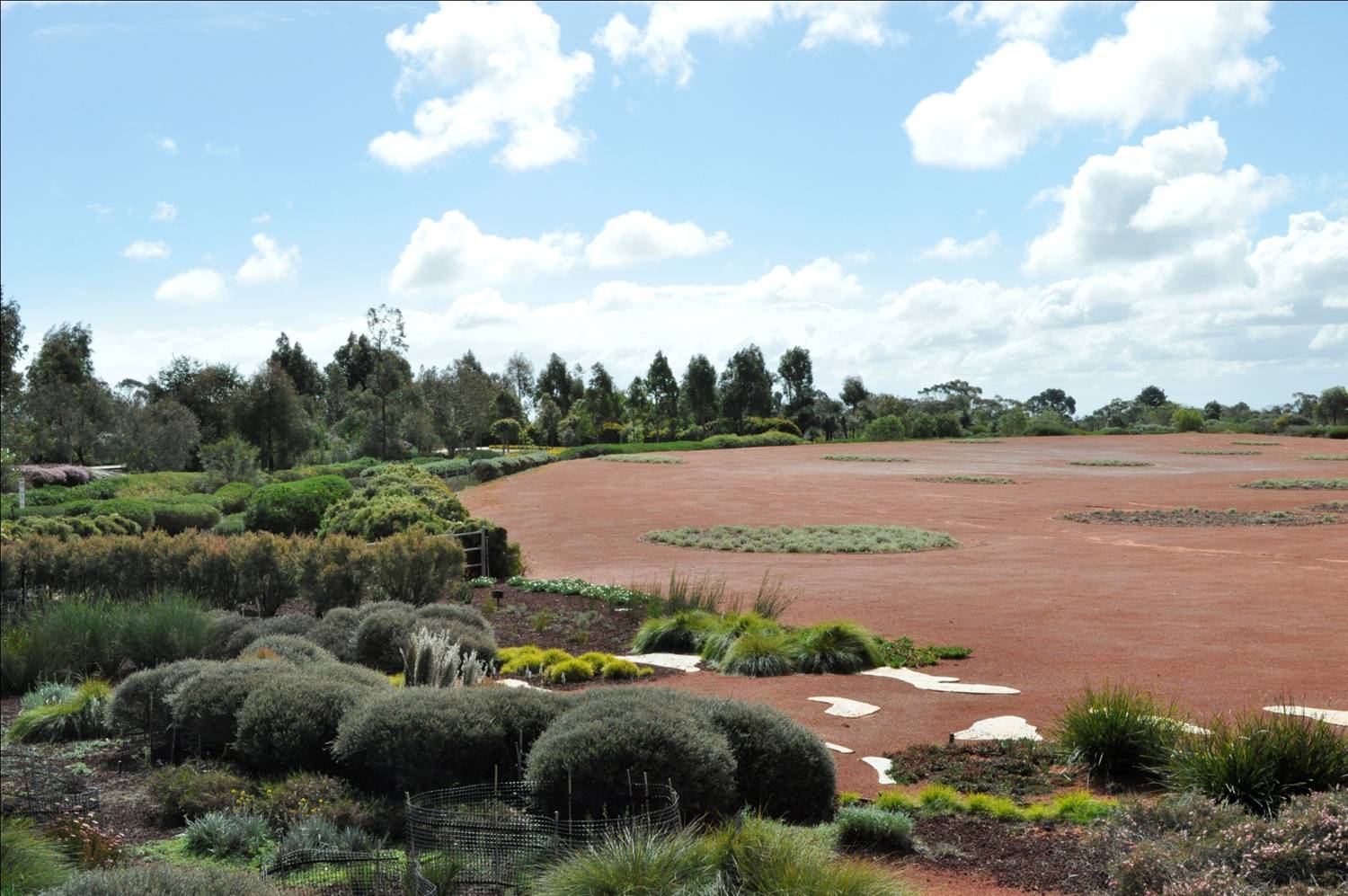
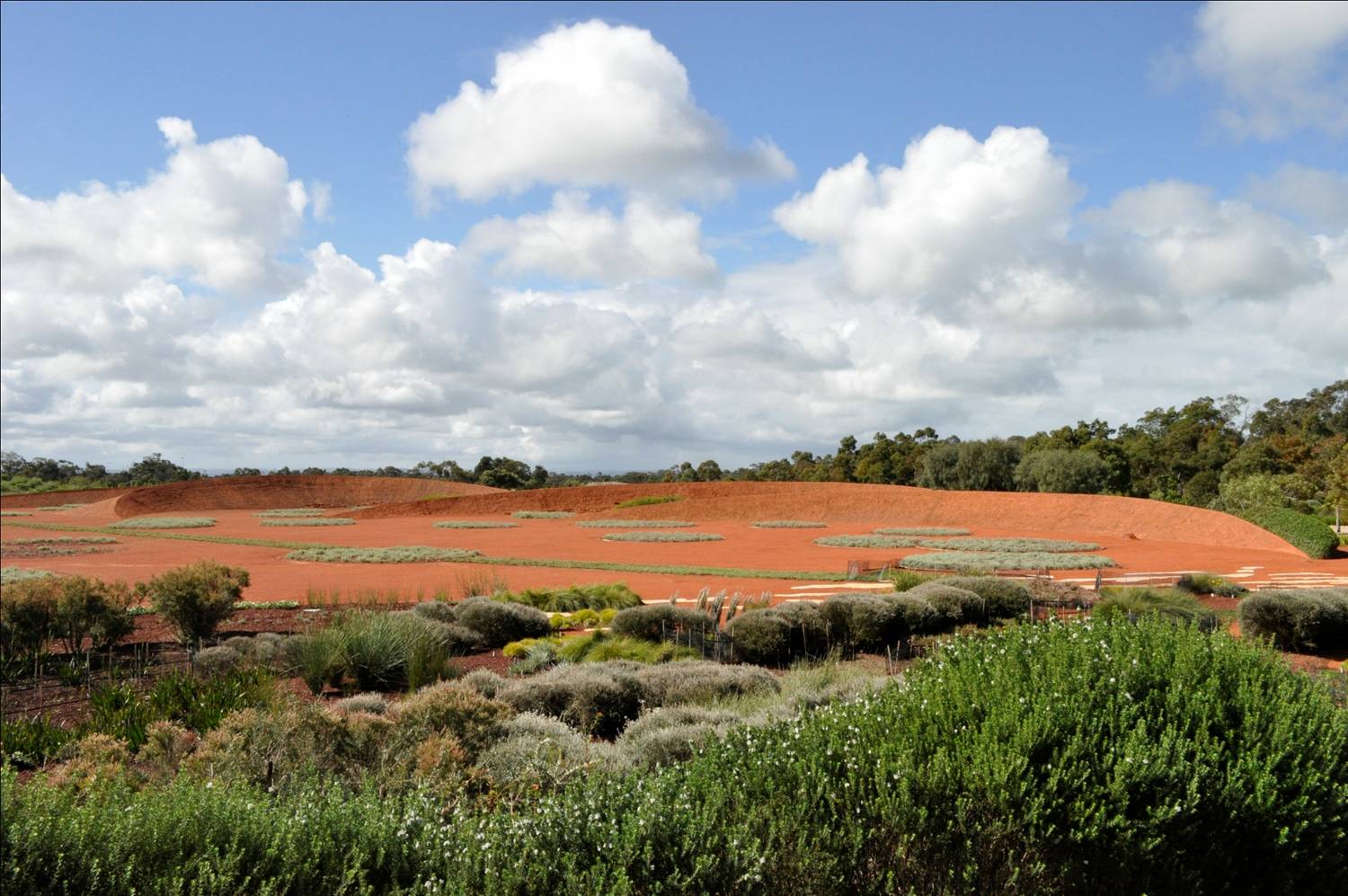
The planting sections of the various thematic gardens such as the Ironbark gardens,Peppermint gardens, Stringybark gardens that edge it.
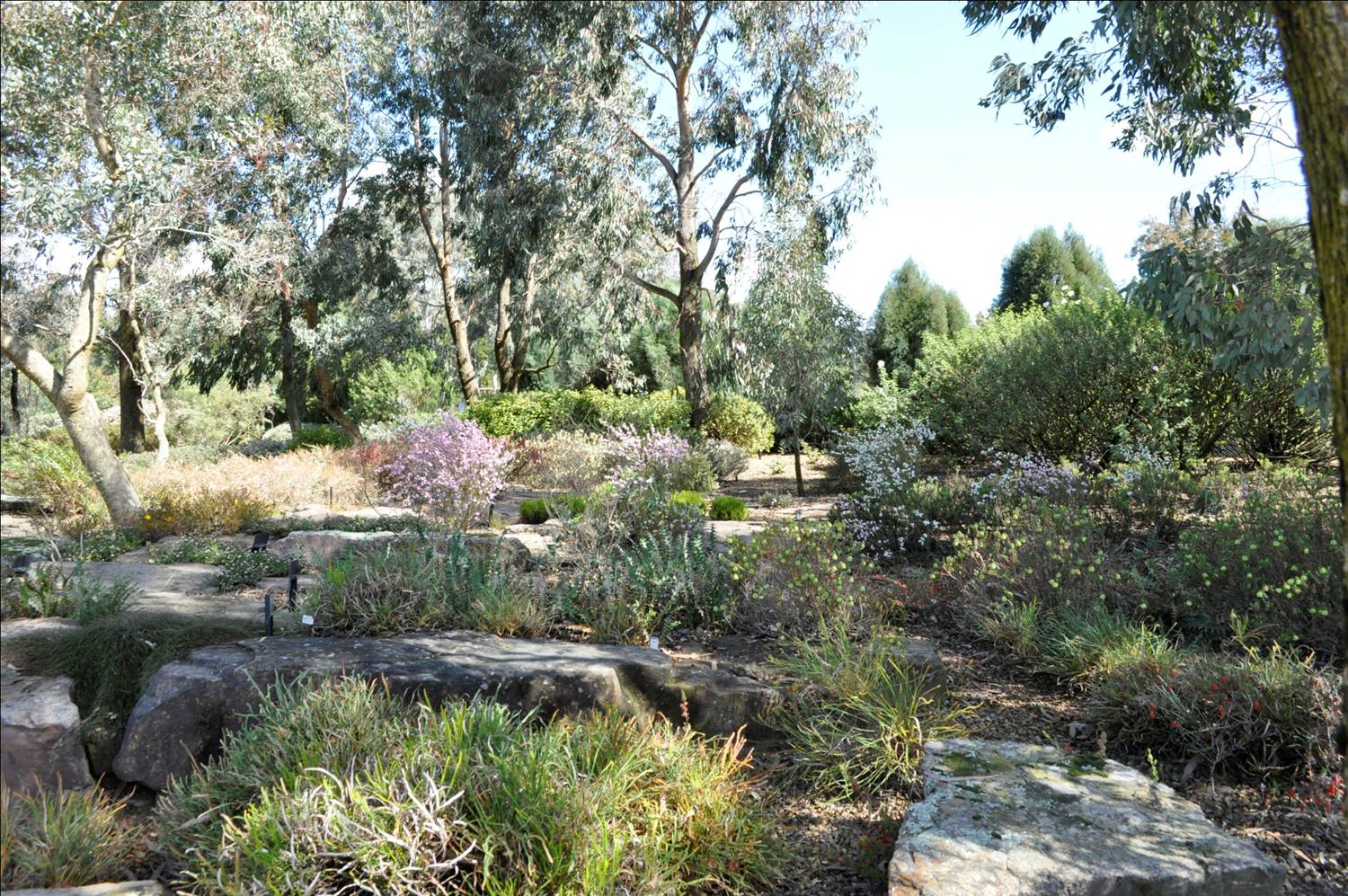
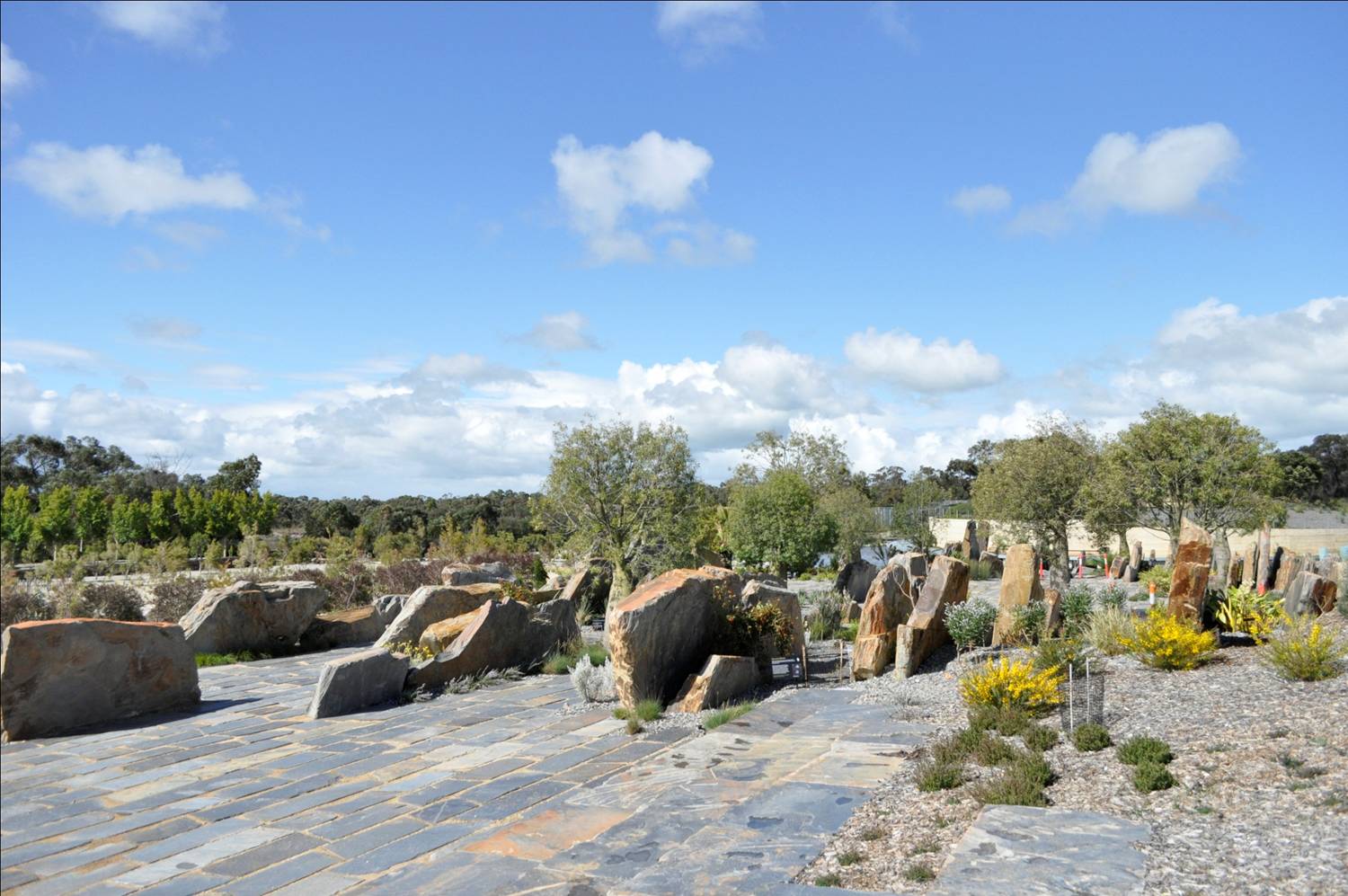
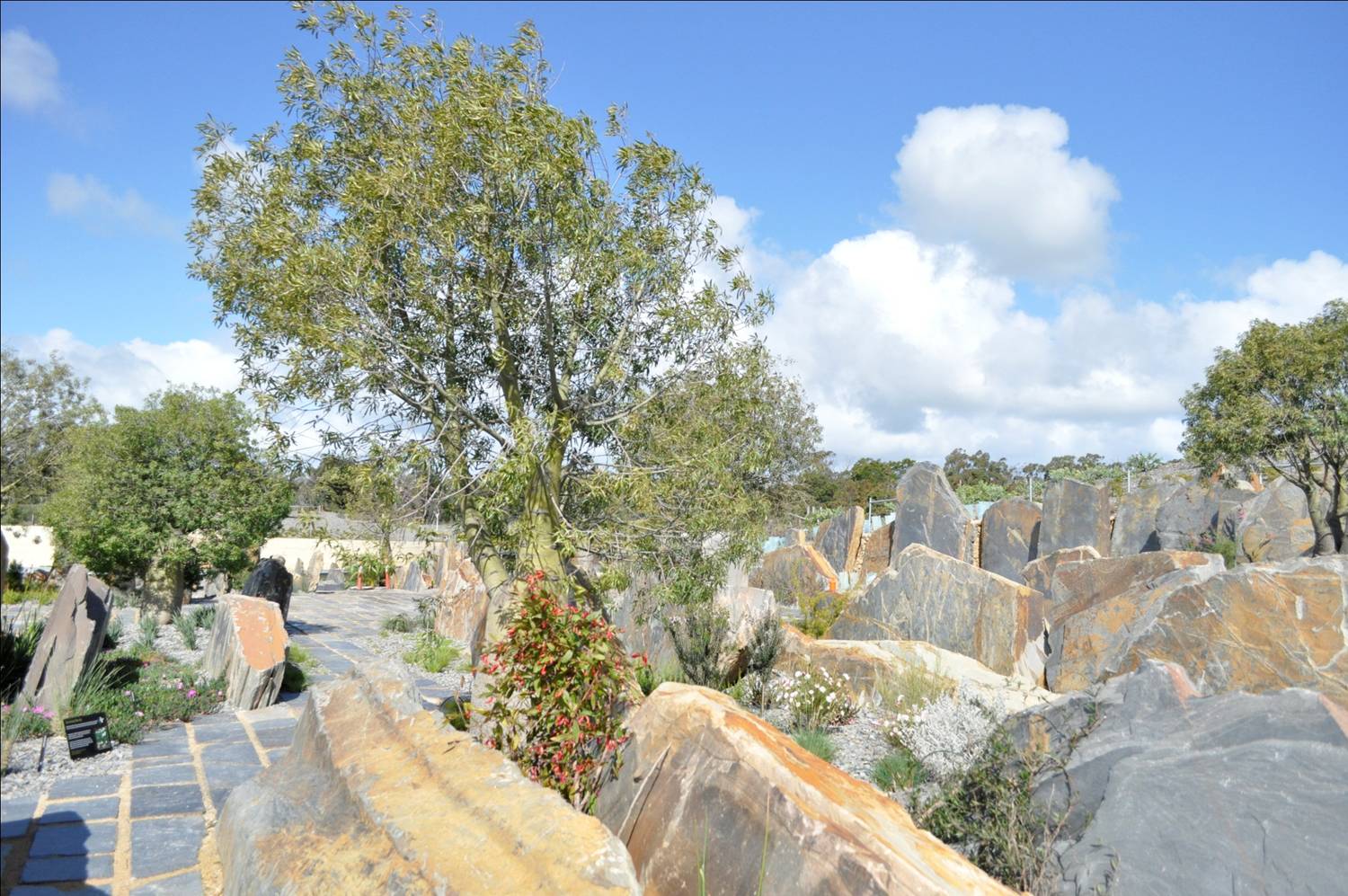
Parts of the Gondwana Gardens, representing the origins of the continent and the Rift Paths.
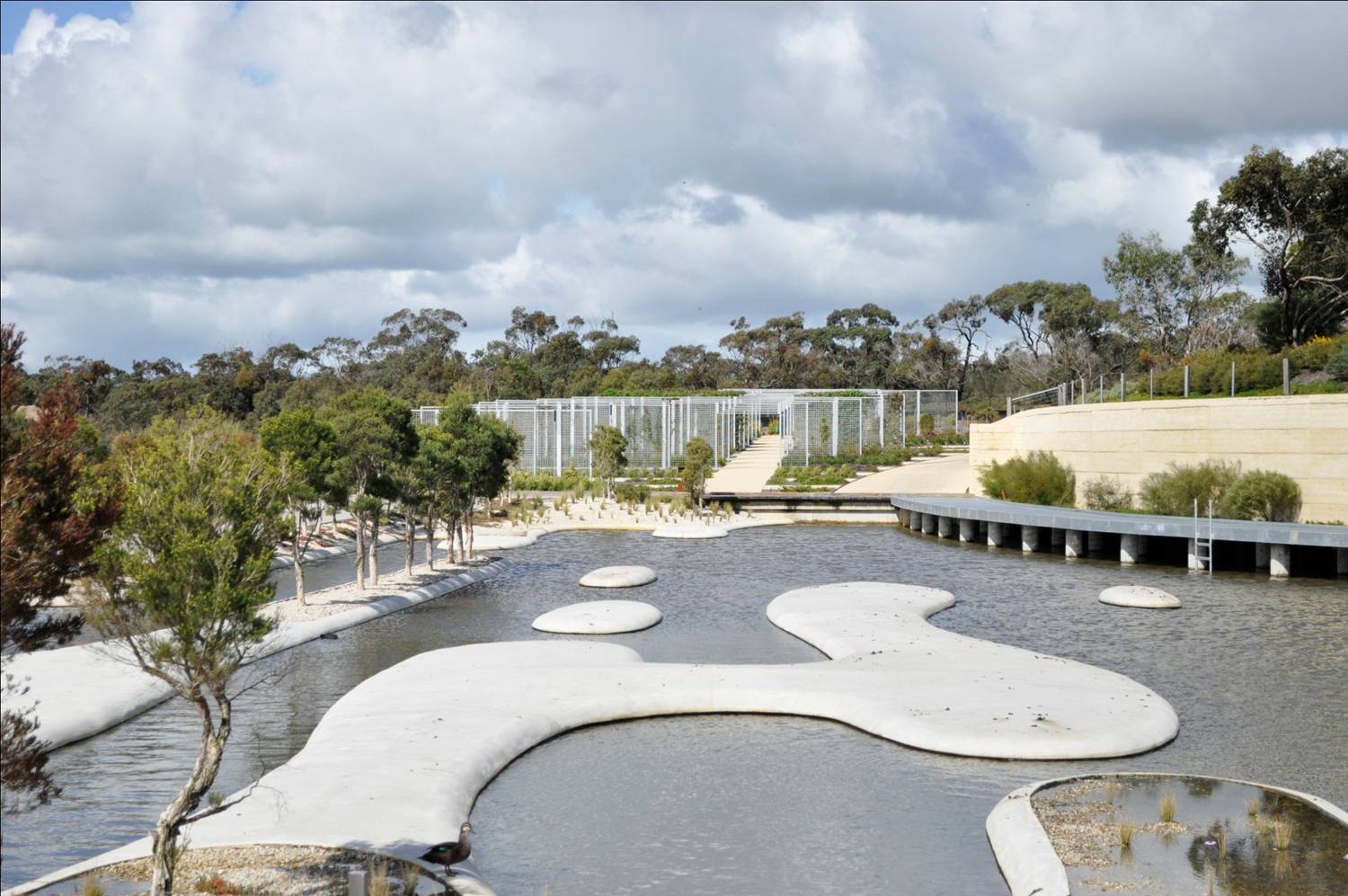
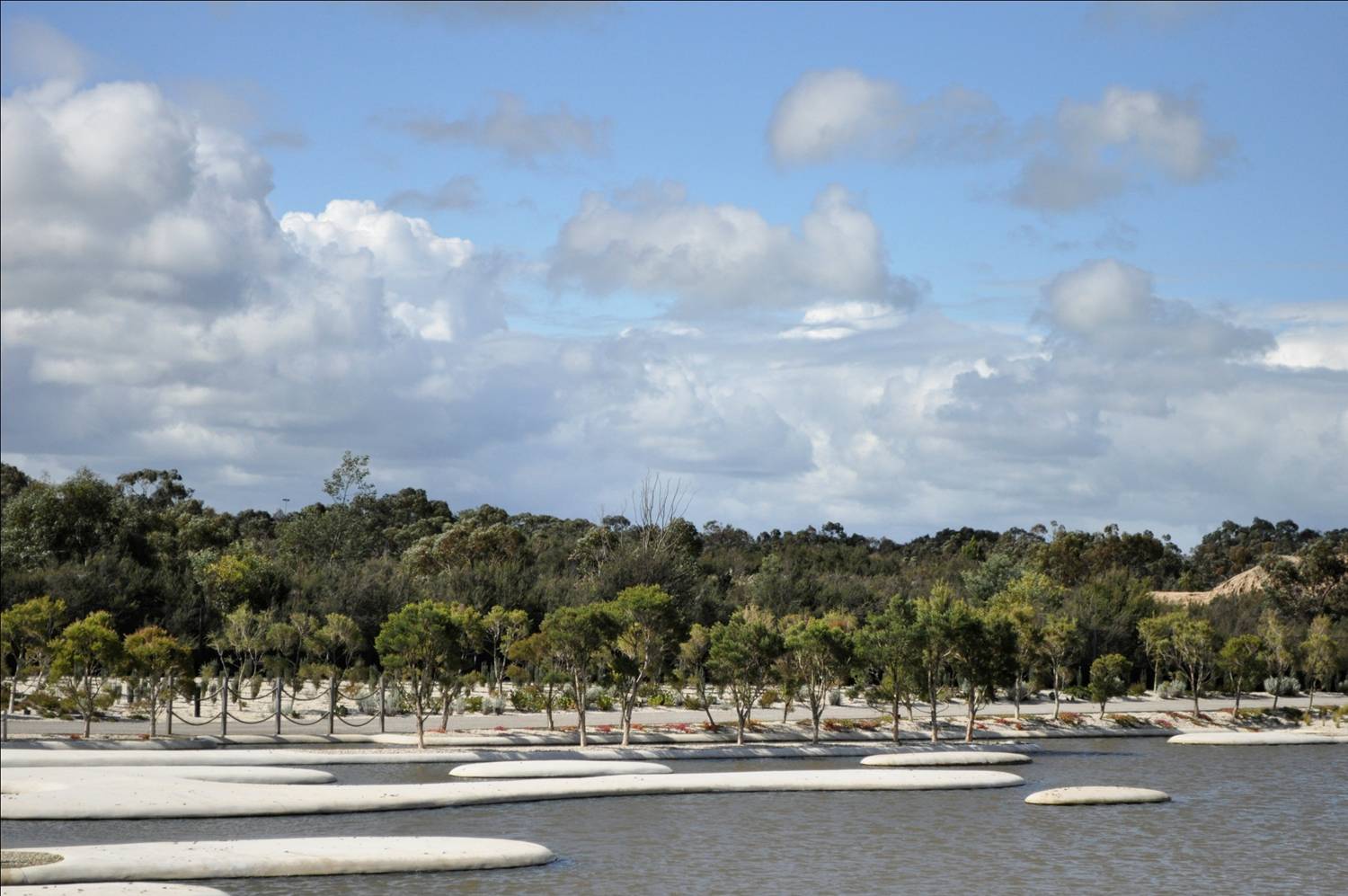
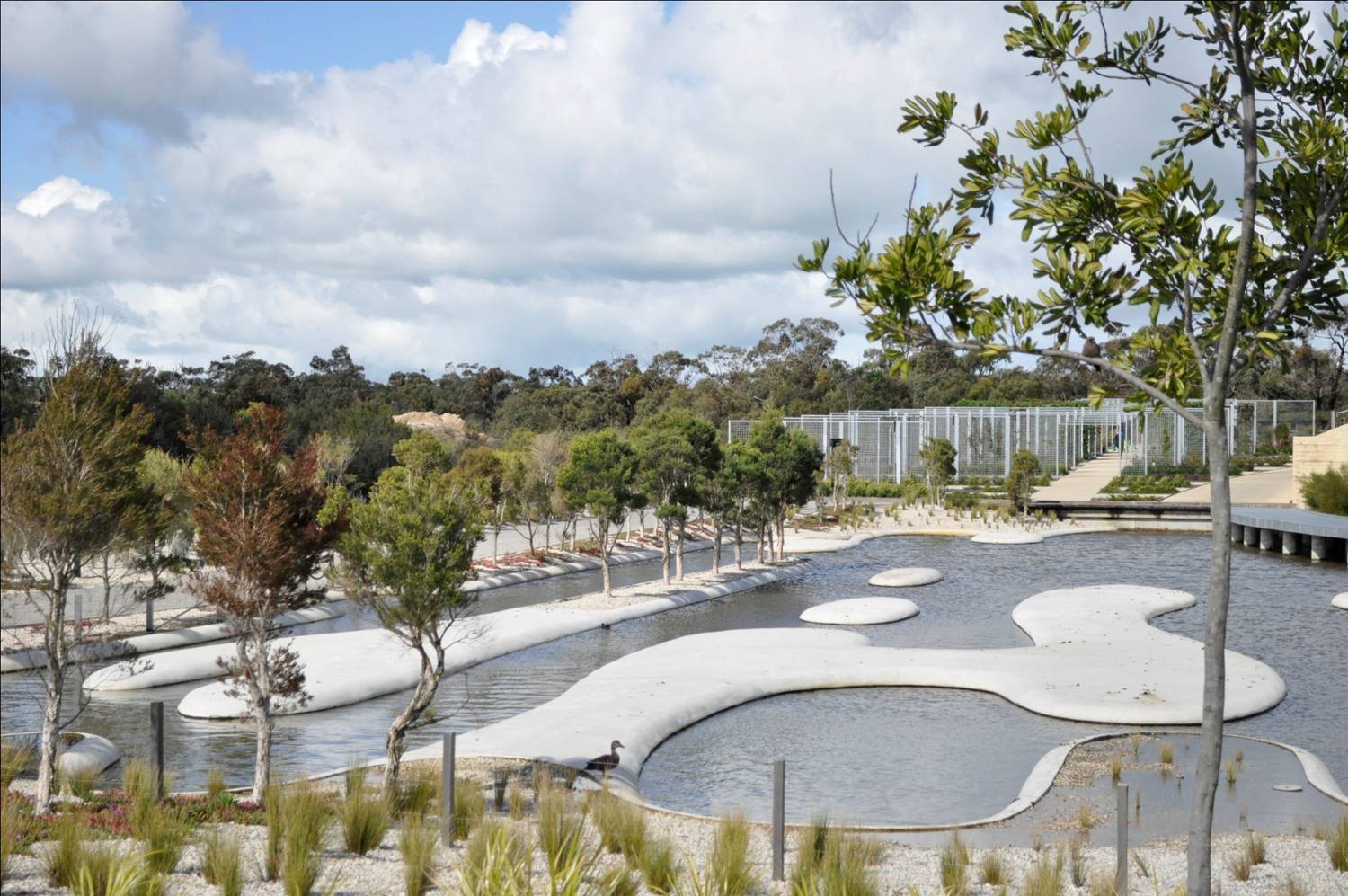
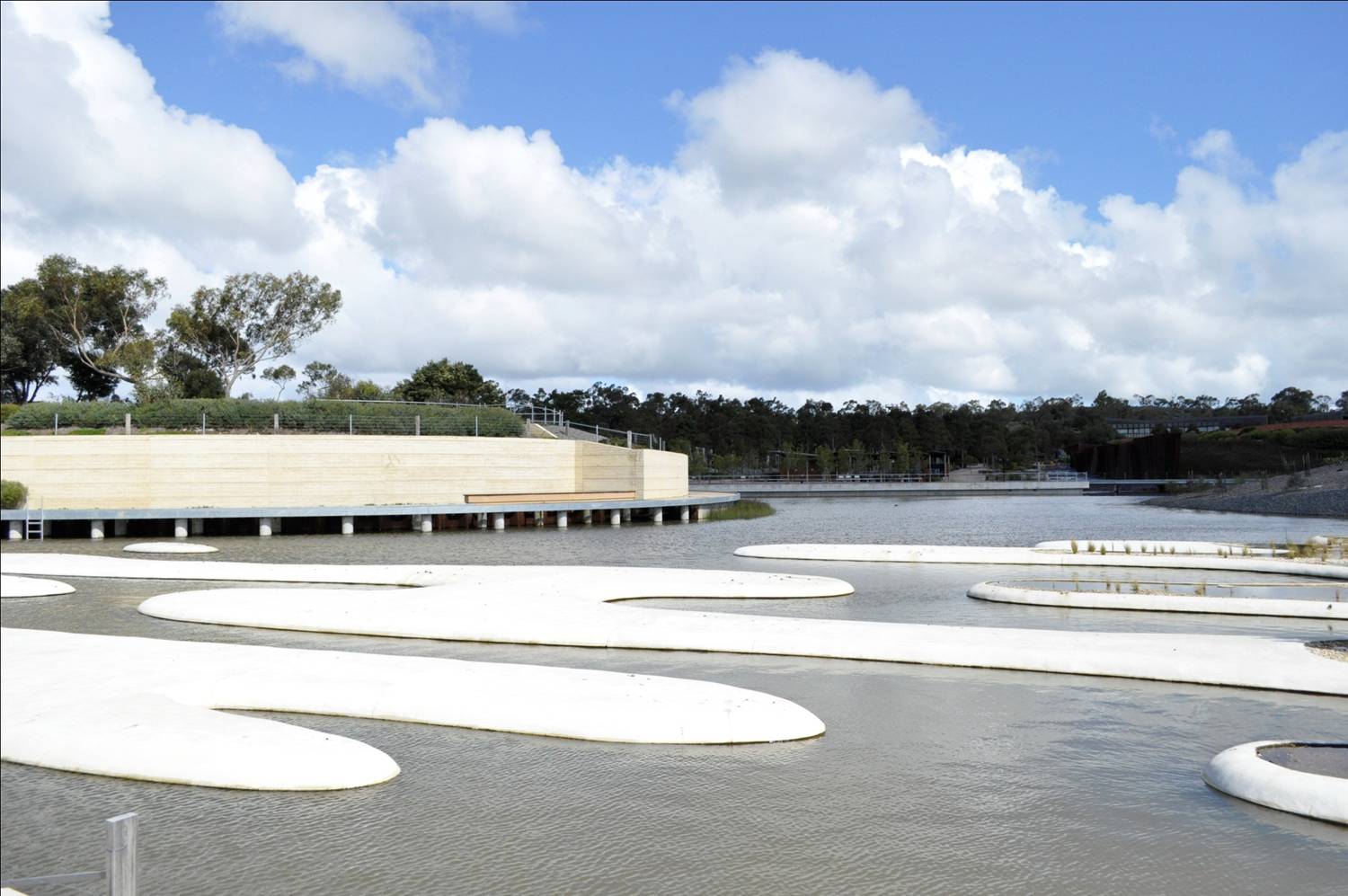
The recreation of the Melaleuca Spits, reminiscent of Australia’s coastal regions and the River bend.
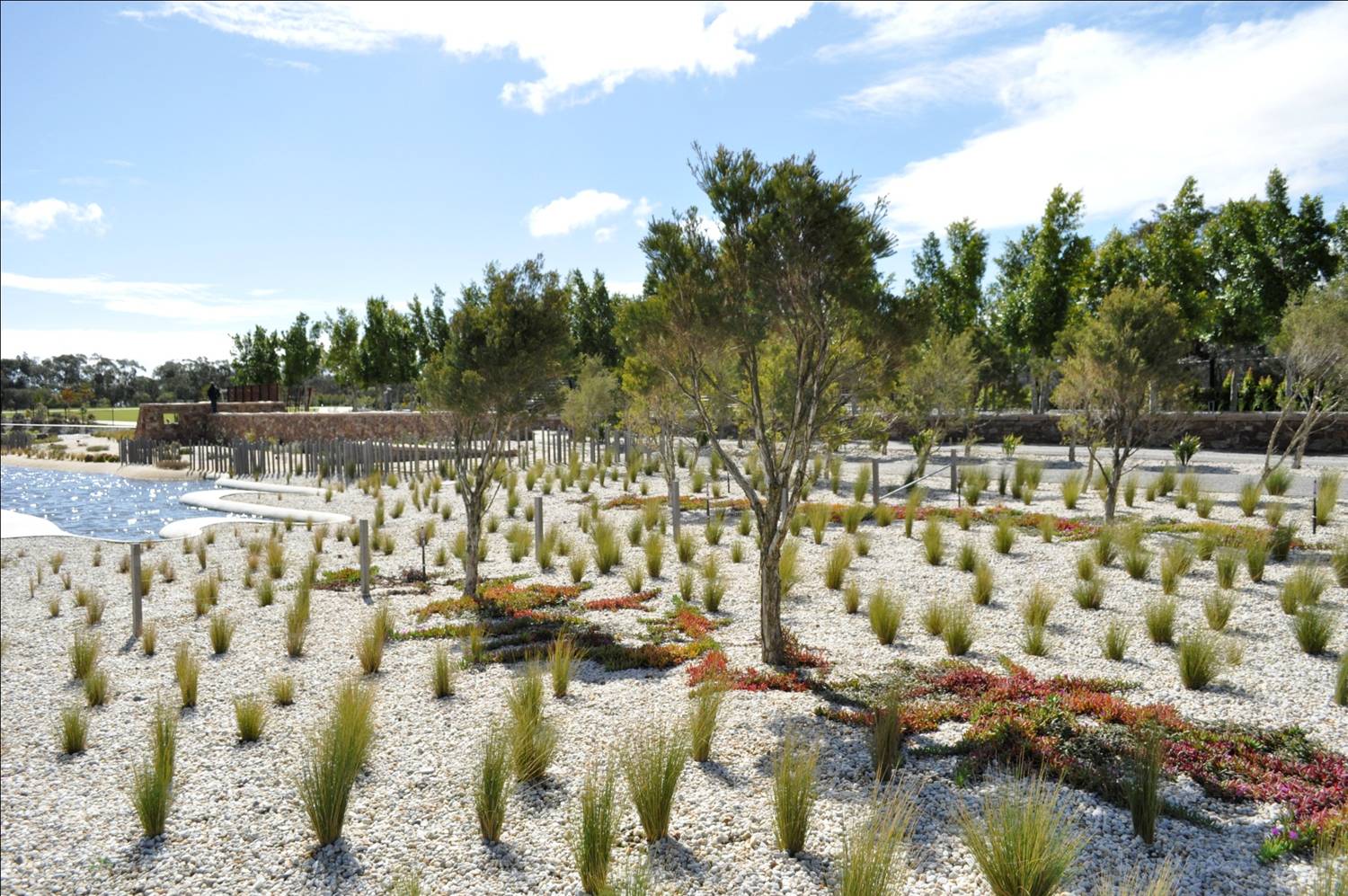
The young Casurina Grove near the Sea Side garden.
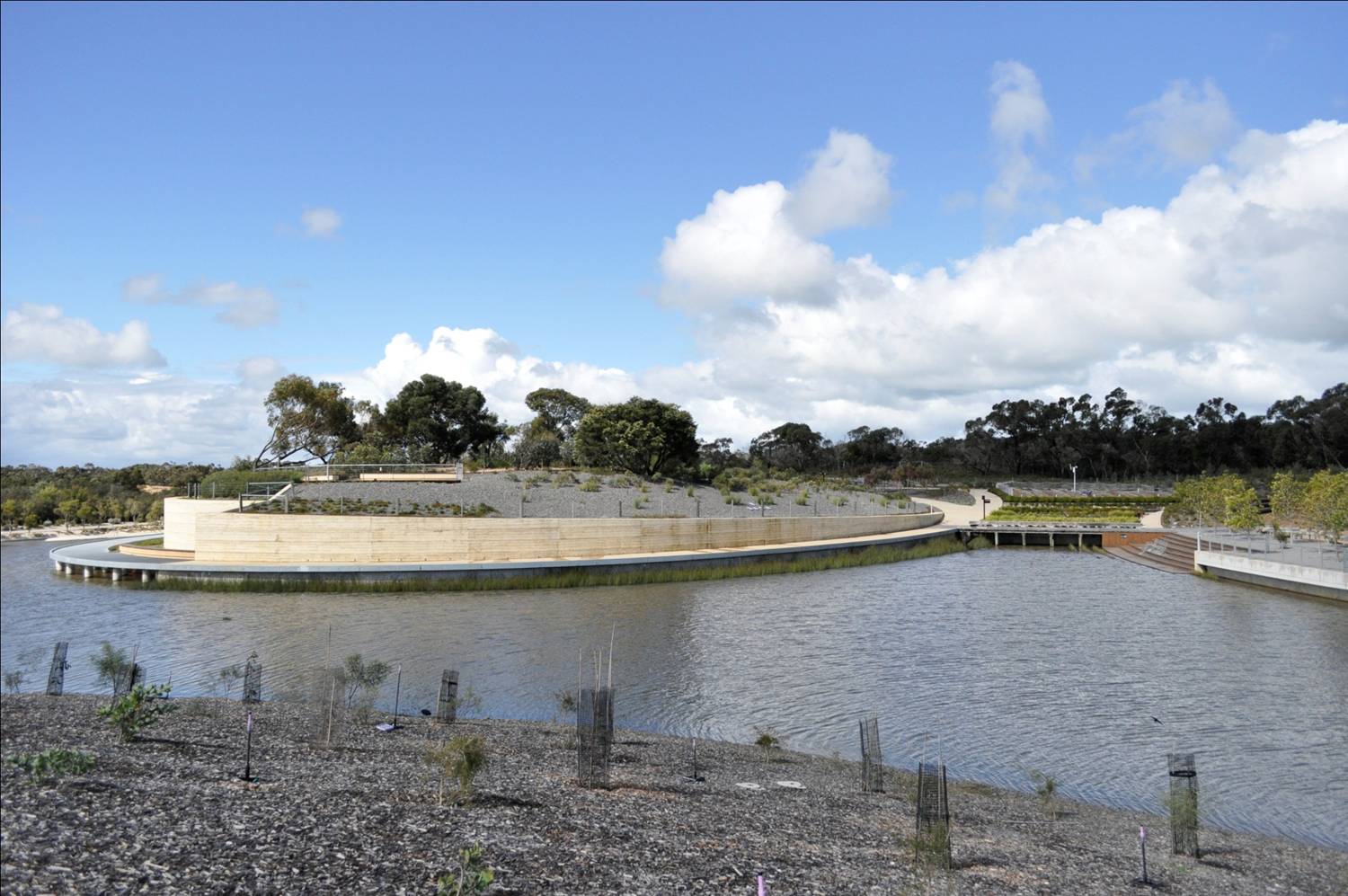
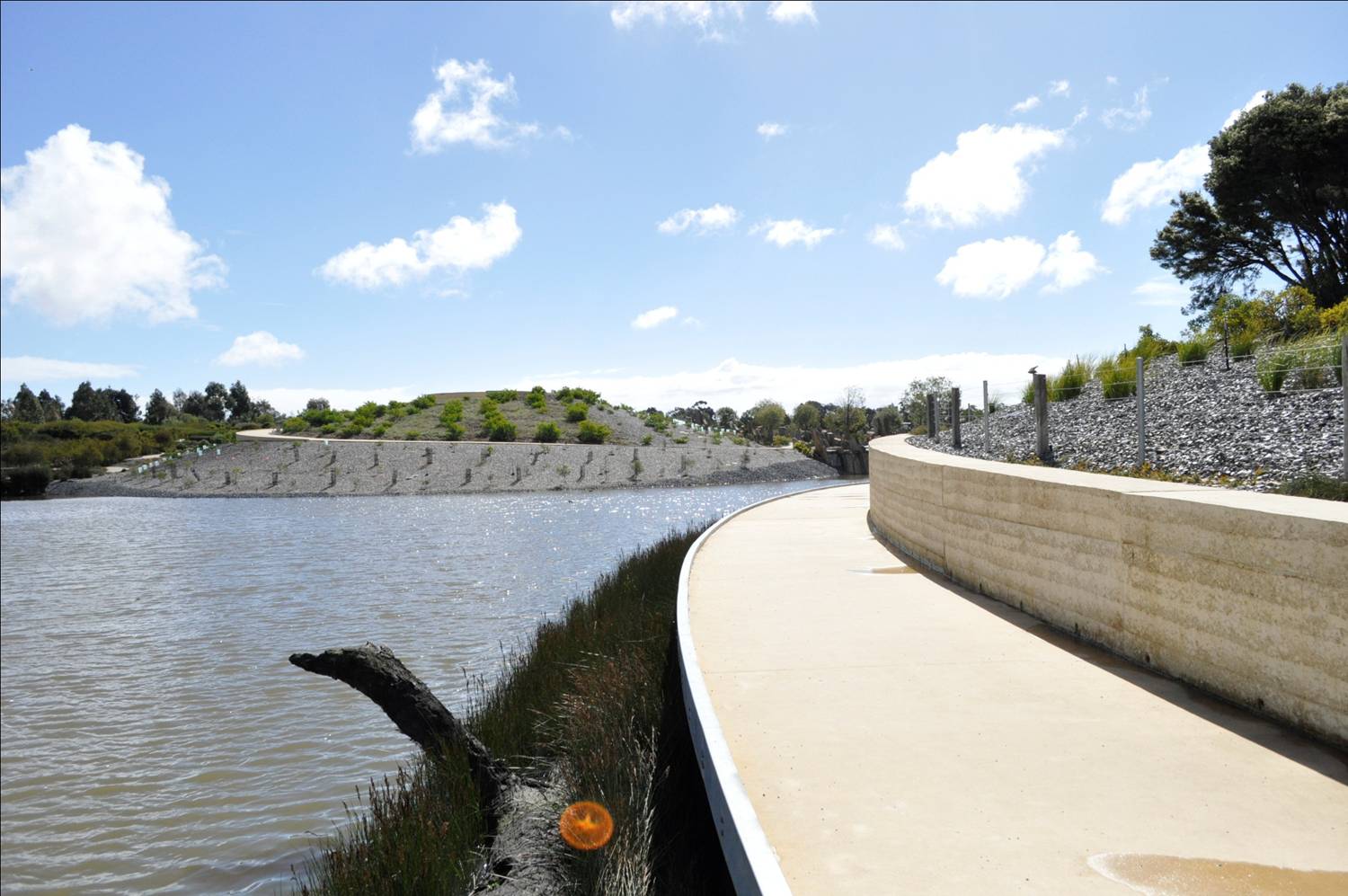
The recreation of the Gibsons Hill and the Hawsons Hill, two major topographic markers of the garden, with planting of the existing Eucalypts , and the rare Western Australian Christmas Tree.
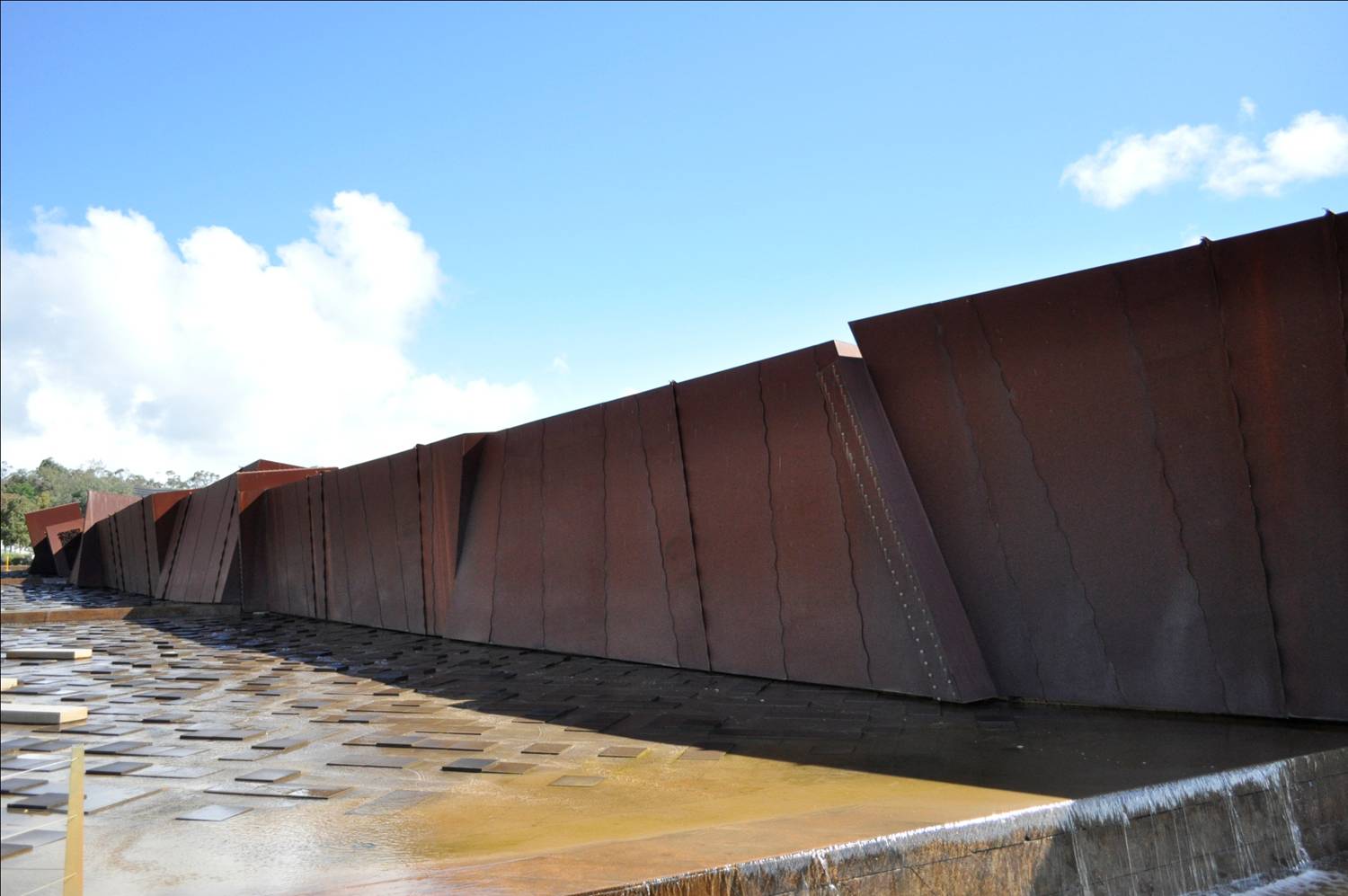
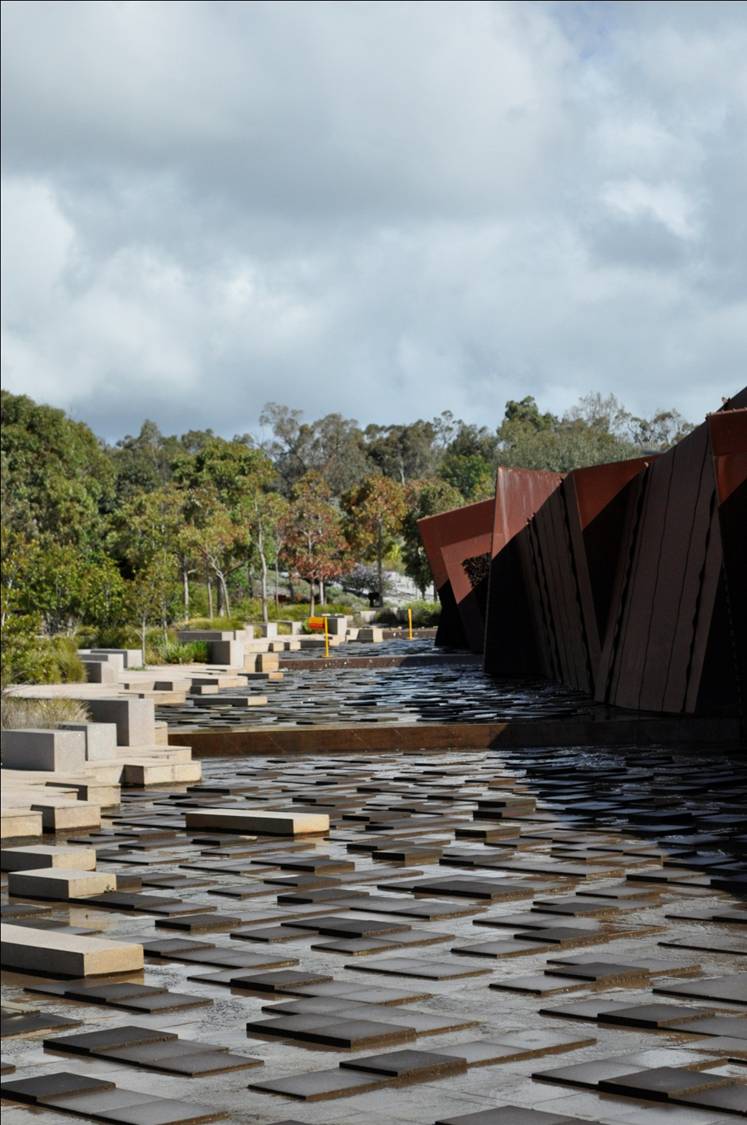
The Rockpool Water ways , with the Escarpment Wall Sculpture.
The garden ofcourse has many other sections, for experimentation and teaching. And you can find details on www.rbg.vic.gov.au. But better still, if you can, and you are a garden lover or a landscape architect, or a plant lover- just go there!
Aniket Bhagwat