

July 26, 2016

 A recent trip to Stuttgart to talk at the opening series of Creative Days, an initiative that is the brainchild of a firm run by a designer duo- Poonam and Martin, and supported by the city, other design organizations, Dept. of City Planning and Urban Renewal ( Stuttgart), and the Indian government , also allowed some time to look around, and also meet some wonderful people; the hosts of-course but also Kai Beirich , partner at WulfArchitekten, www.wulfarchitekten. com and that true India lover,OliverSorg who had many a story of living in a house that the late Correa built in Kolkatta, and Kamar Khan who seemed to know every architect and film maker in the world that there is to know.
Of equal -if not greater pleasure was to see many things, but three amongst those that really stood out.
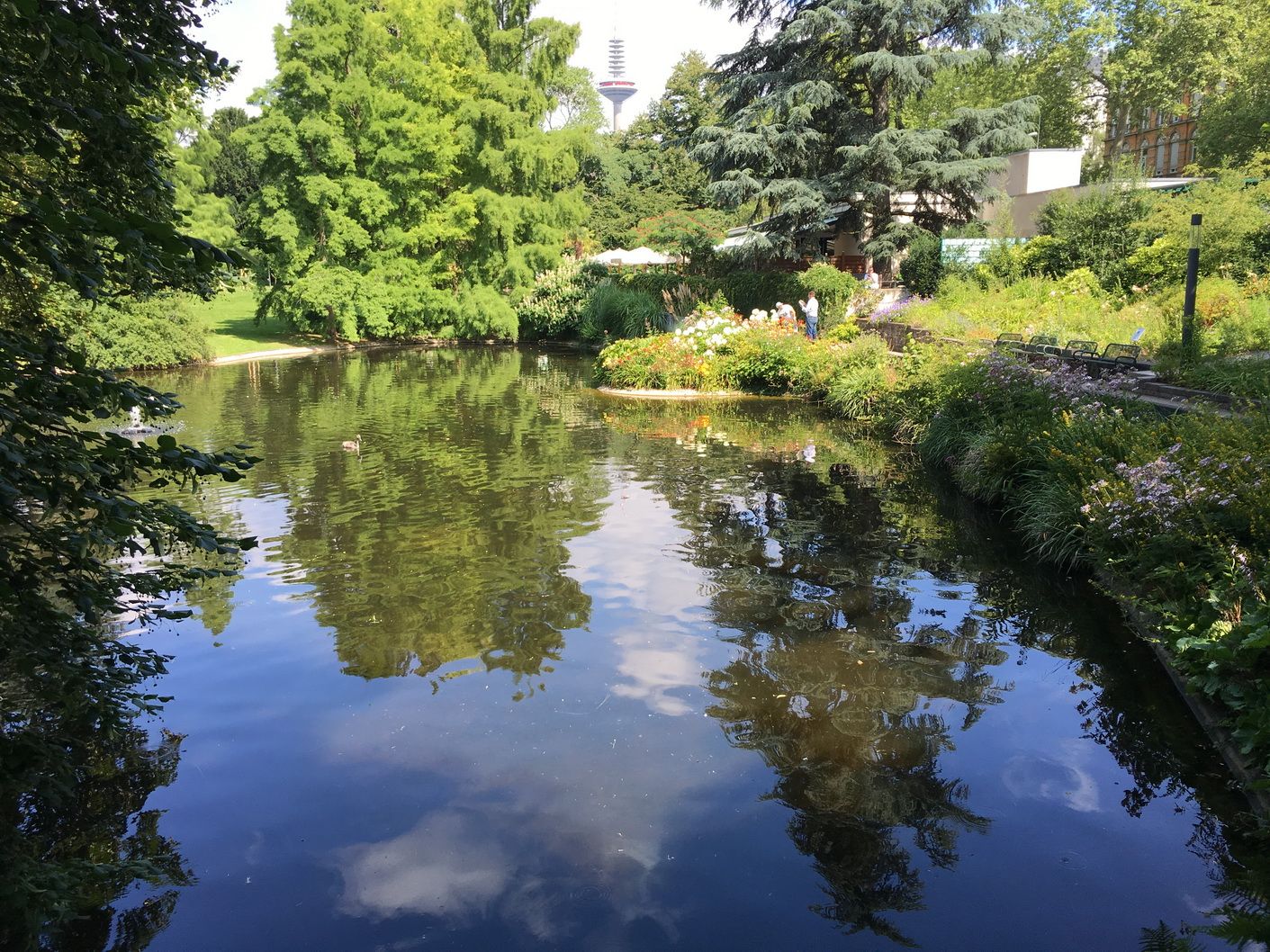
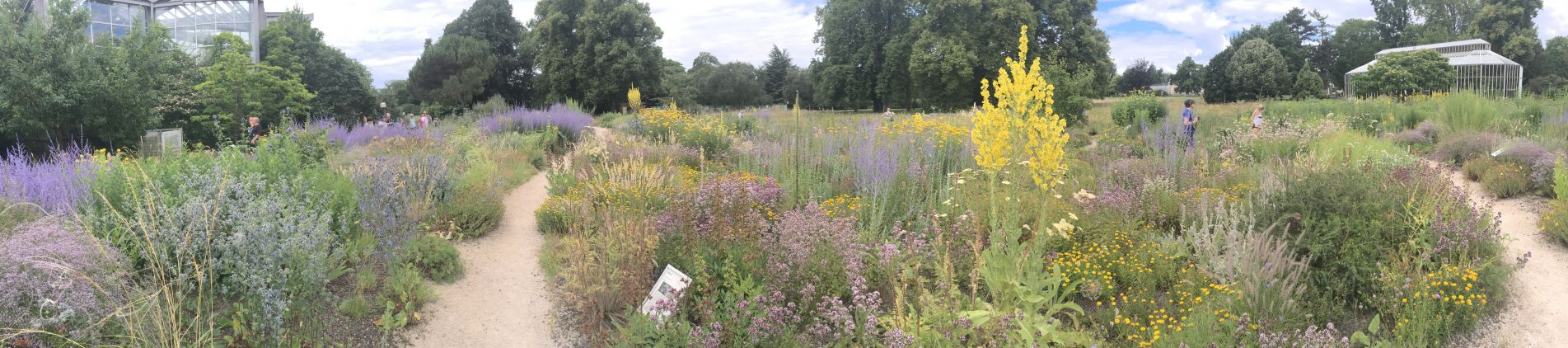
The first was the 50 acre spread of the Palmengarten at Frankfurt, and along with many lakes, children’s play spaces and palm collections was the rather lyrical spread of wild and summer flowers that were lit with the most brilliant blue and lilac .flowers.https://www.palmengarten.de/en_GB/index/index

The second, was a walk in the Weisssenhof Estate in Stuttgart, where at the suggestion of the Wurttemberg Working Group of DeutscherWerkbund ( 1907) the city of Stuttgart decided to build an international building exhibition. Mies van der Rohe developed the urban plan, and 16 architects that included Le Corbusier, Peter Behrens, Hans Scharoun, WalterGroupius, and JJP Oud, ( and Miesofcourse), built 63 homes for the exhibition ” Die Wohnung” ( The Dwelling), to show new styles and ways of conceiving the idea of the home.Ten buildings did not survive the war, and just a few days before we were there, Le Corbusiers buildings were accorded heritage status.
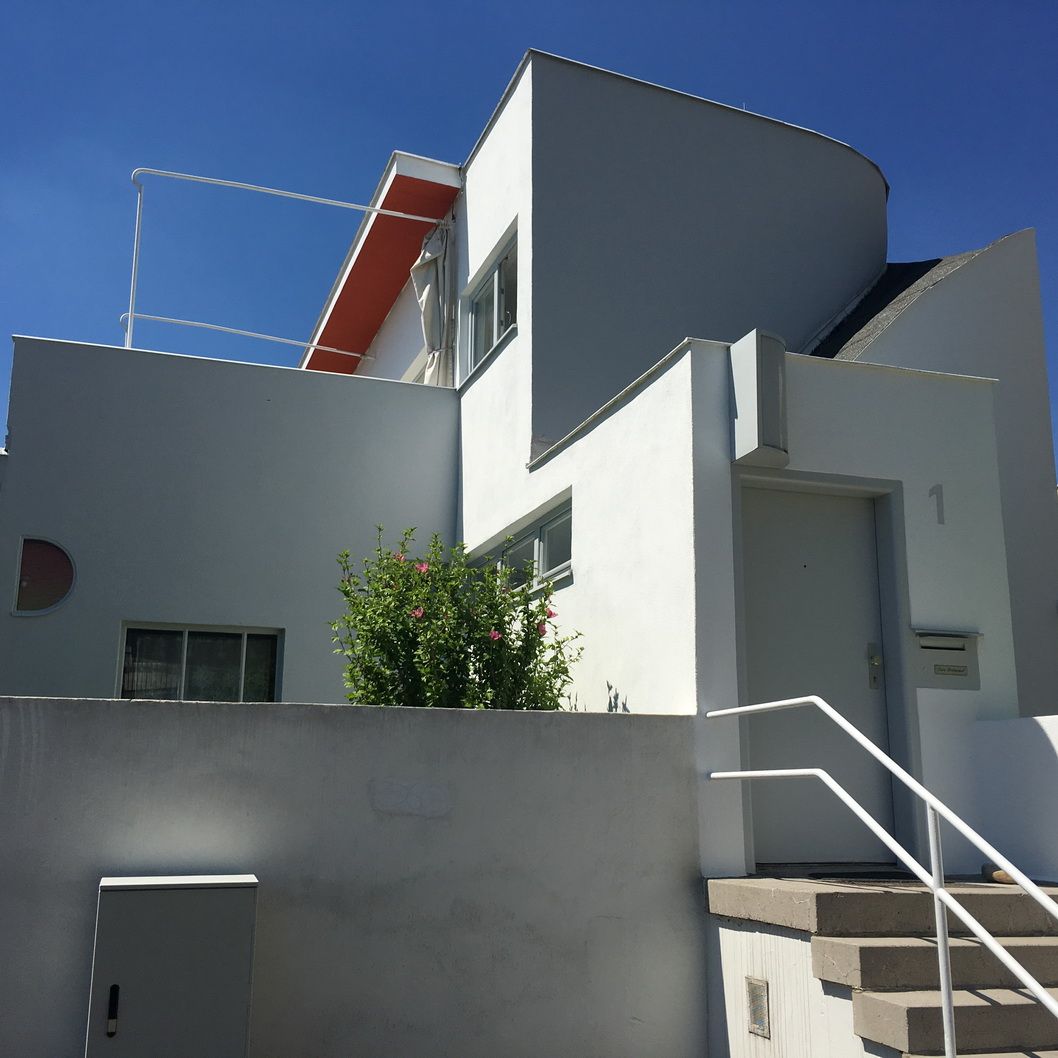 Hans Scharouns, corner home ( Presently occupied with some one living in it)
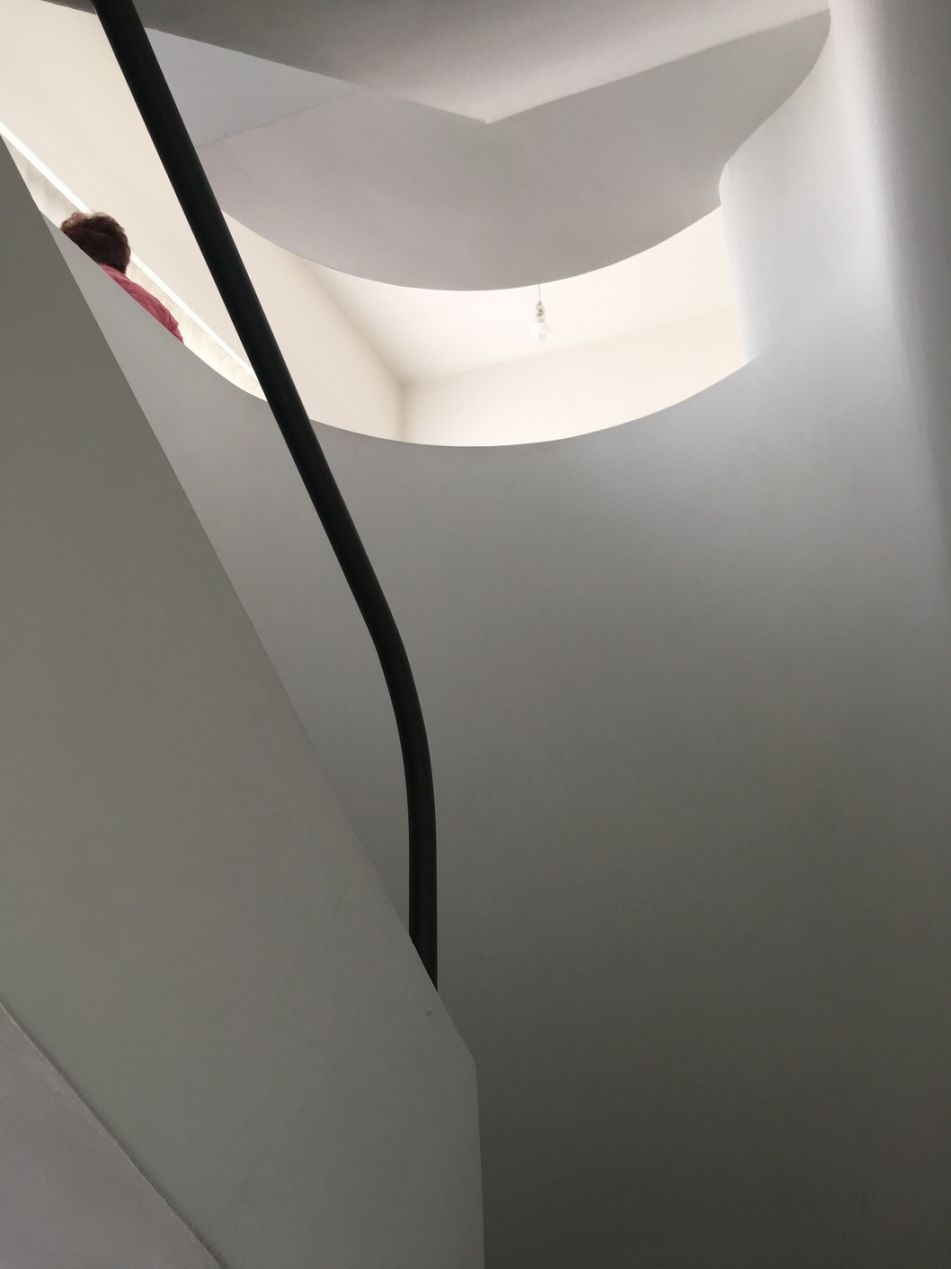
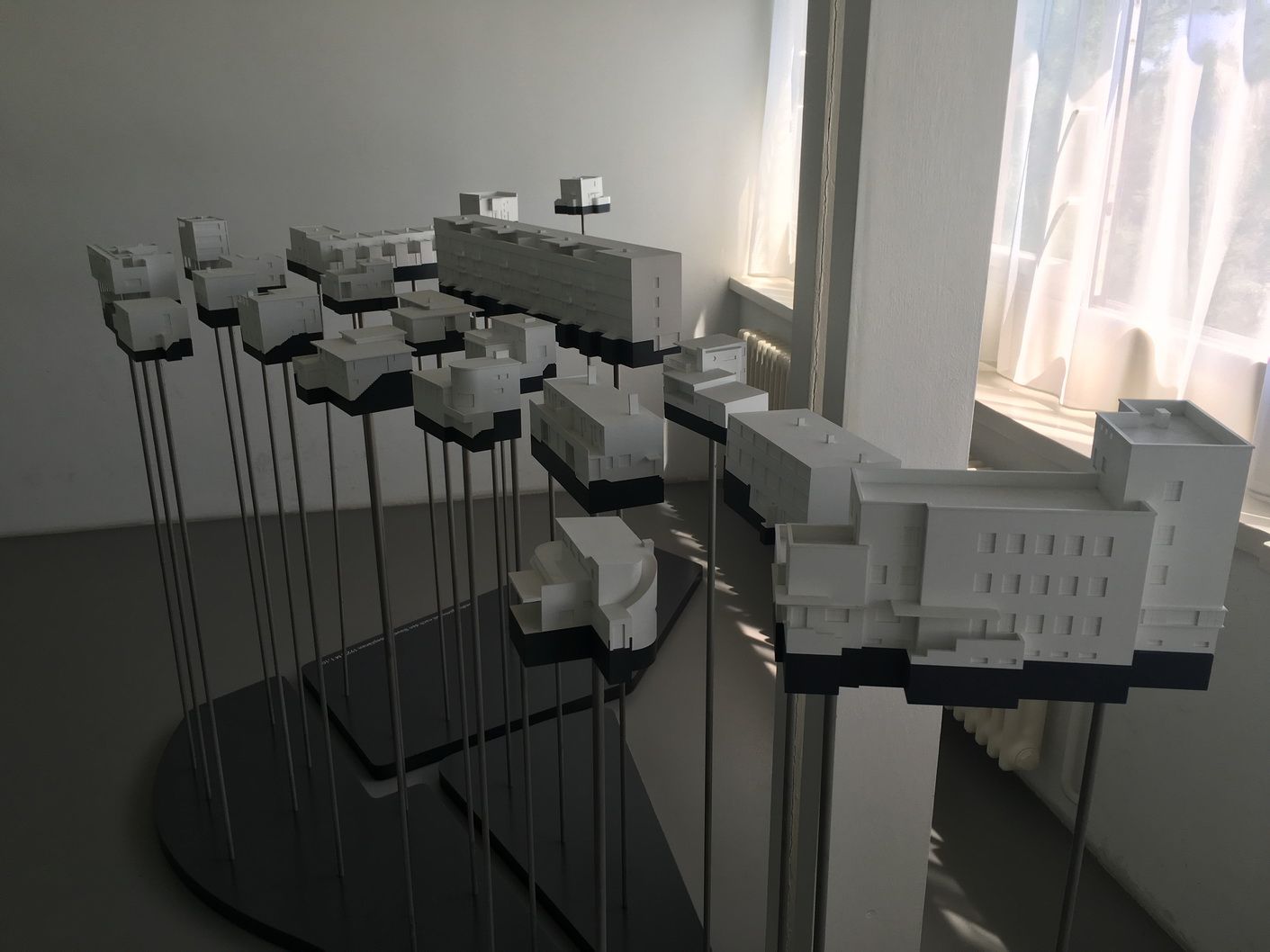
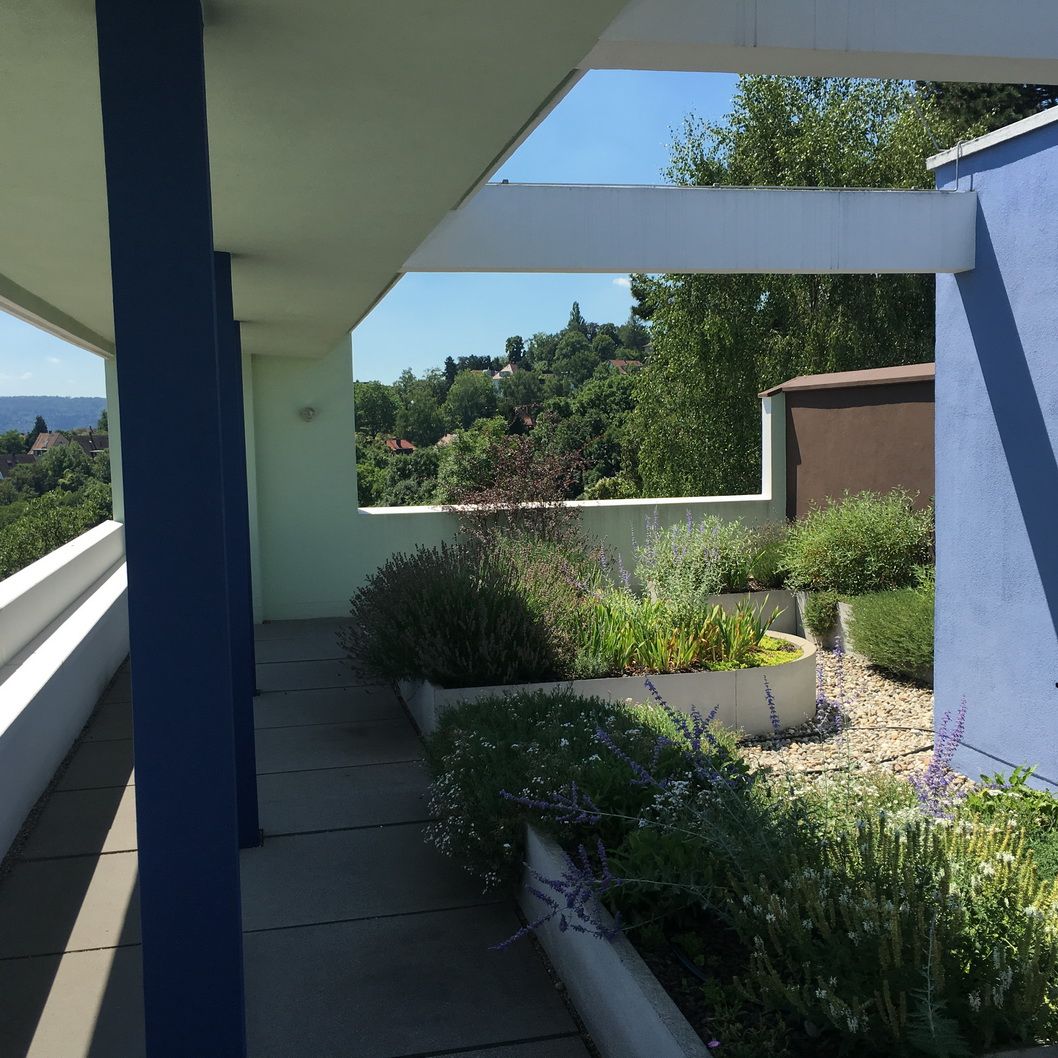 Le Corbusiers two homes, of which in one a family resides and the other is now a museum, which also showcases models of all the homes.
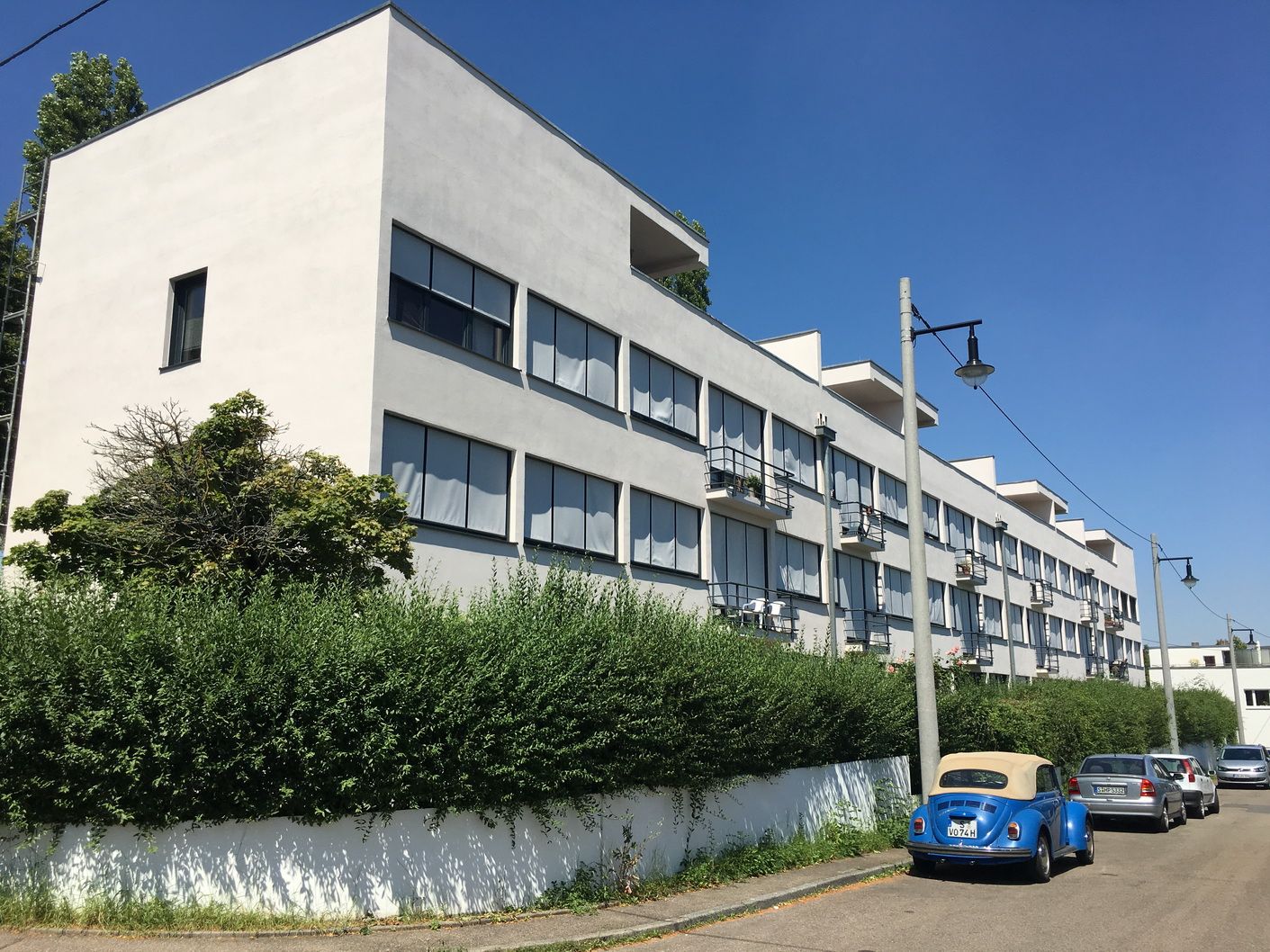
Mies Van Der Rohes housing block.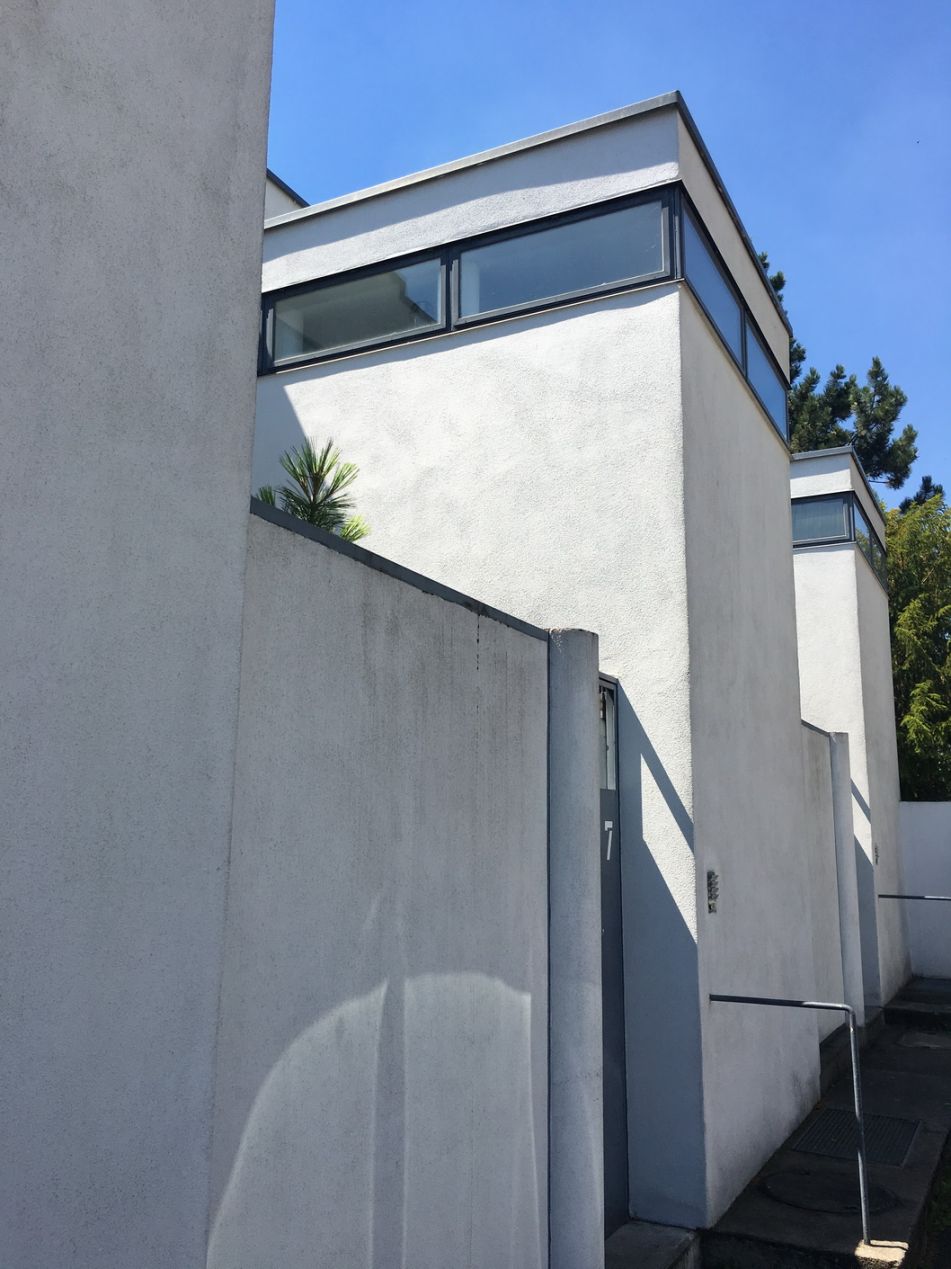 JJP Ouds row houses.
This really was a reaffirmation of what we have believed for long; the early modernists and rationalists had flair, and a song in their heart. Their disciples mostly mimic the shells , and are cold and lifeless. Ahmedabad with its tradition of modernism, is a graveyard today of the modernists dream.
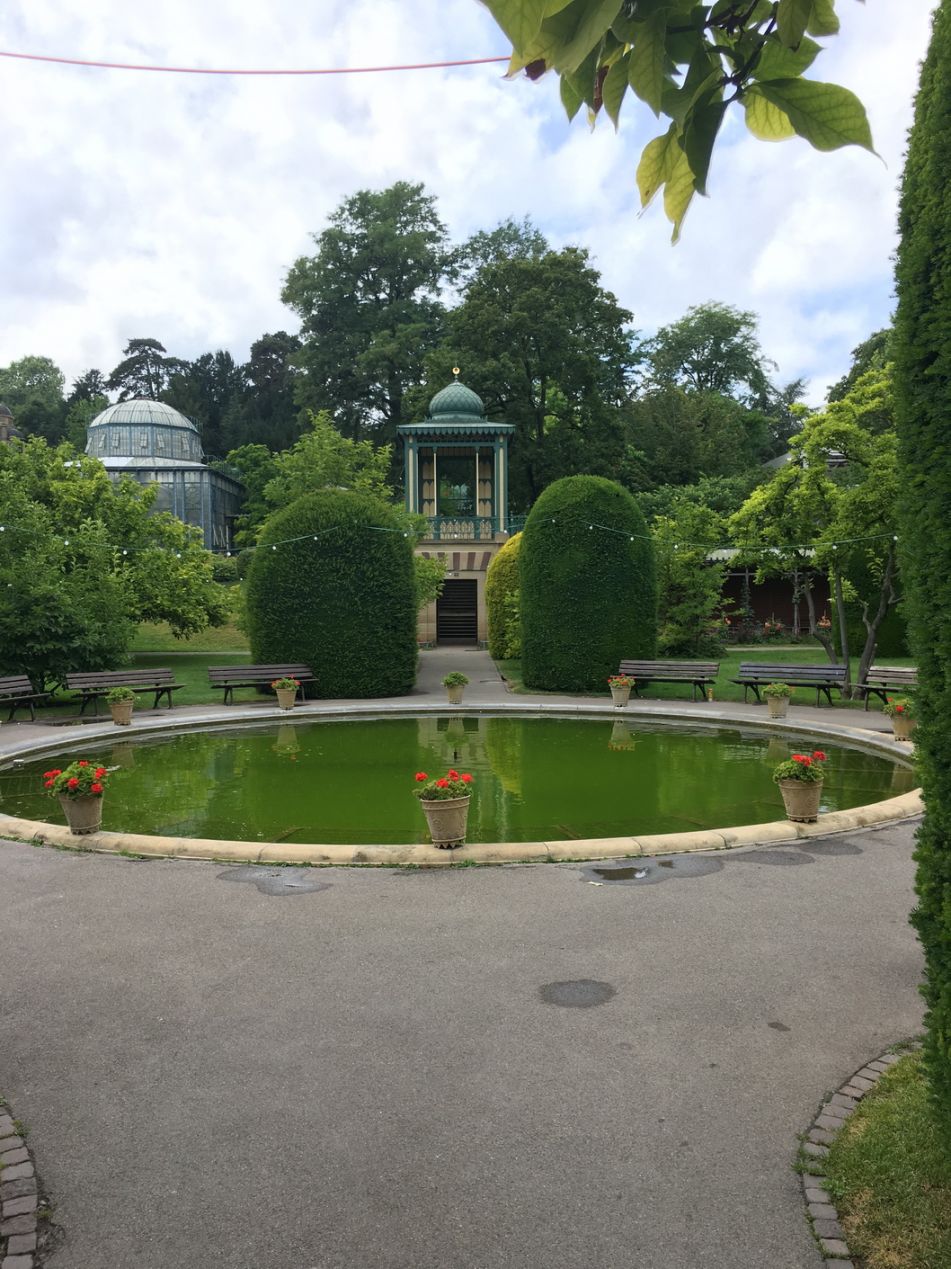
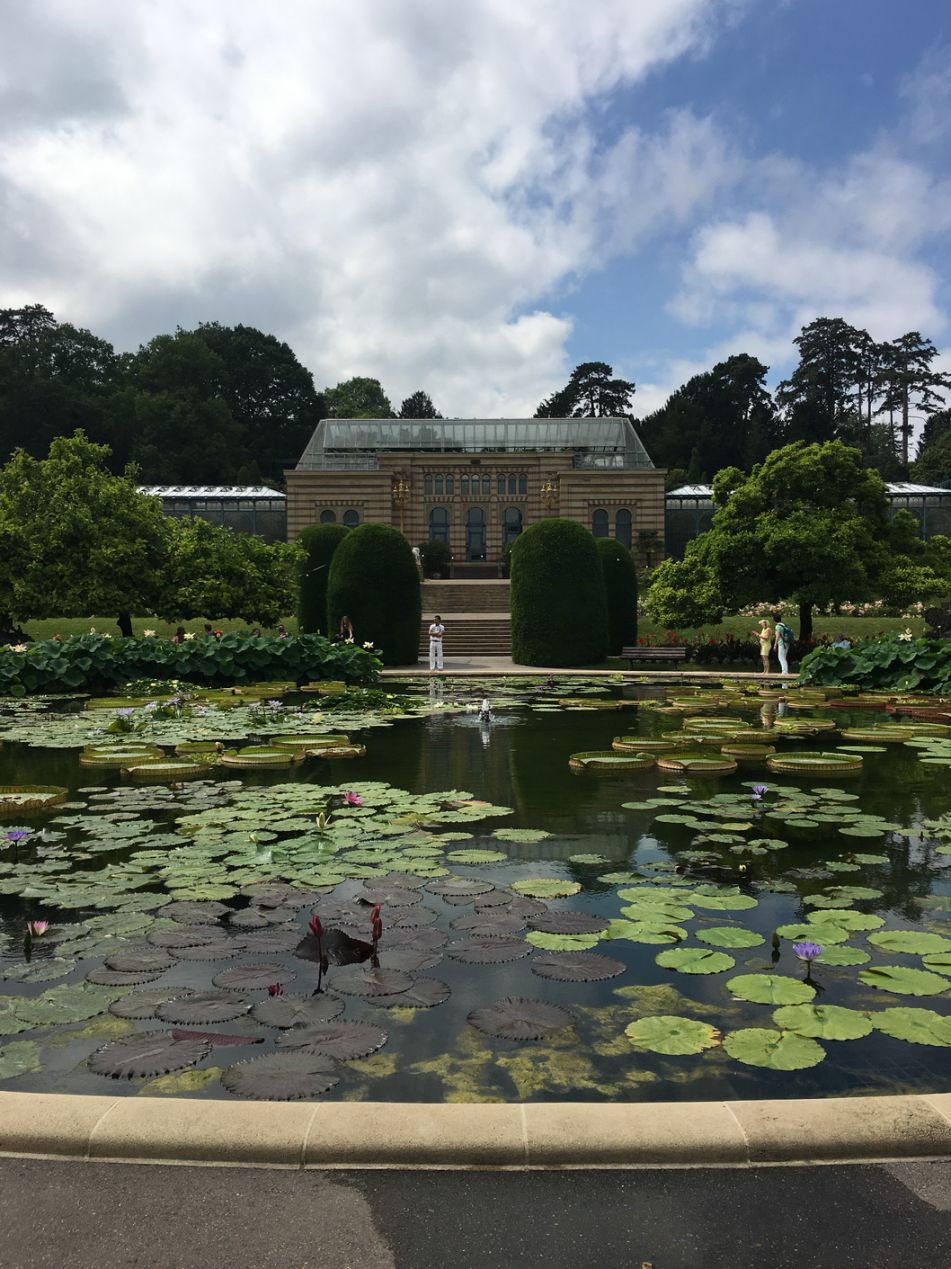
And the third was the spectacular WilhelmaPark , Zoo and Moorish gardens. https://www.wilhelma.de/en/wilhelma-park-and-history.html
“Originally planned as private gardens, the park, with buildings in the Moorish style, was intended to serve the Swabian king, King Wilhelm I, as living quarters and also to be used for representative purposes. In those times, in the middle of the 19th century, Moorish architecture had come into fashion amongst the royal families of Europe.
The king therefore “ordered” a Moorish park from his architect, Karl Ludwig Zanth. It was to bear the name “Wilhelma”. The most outstanding example of Moorish architecture, even in those days, was the Alhambra in Granada, Spain. And so Wilhelma is also known as the Alhambra on the R. Neckar.”
Some pictures below of the really lovely Moorish gardens and the Palm house that sits on its axis. While this was reason enough to celebrate , the entire development is really a good example of thoughtful, detailed and beautifully conceived spaces and details, that is consistent all along in this thickly wooded park and zoo.
The trip also allowed seeing work of two Pritzker Prize winners- James Stirlings, NeueStaatsgalerie in Stuttgart and Richard Meiers , Museum for Decorative Arts in Frankfurt. Clearly our education was insufficient and appreciating these two buildings proved difficult.