

December 12, 2015


Tim Richardson, that prolific writer, at some point had literally dug out a lot of design firms across the globe to find place in his book “Futurescape – Designers for tomorrow’s outdoor spaces” (Thames & Hudson-2011)
He then in 2013, recommended to the organizers that they invite us to speak at the Australian Landscape Conference; and that’s where we saw the country, the magnificent Cranbourne Botanical Garden (https://www.landscapeindia.net/a-taj-mahal-of-a-landscape/); met the temperamental but extremely knowledgeable Warwick Forge who organizes the conference, his family, made friends with the brilliant Juan Grimm from Chile (https://www.landscapeindia.net/the-magic-of-juan-grimm/), and the greatest gain; meeting the tough, blunt, and wonderful writer Louisa Jones,(https://www.louisajones.fr/)from Provence who since has almost become family; an emotion I imagine she will permit us even if grudgingly, and also whose divine writing must be read by any one who loves gardens and landscapes.
Post that Louisa has and continues to speak of us in generous terms, that we know we ill deserve. This suddenly led to us being noticed in some English media and then Tim did another book (Landscape and Garden Design Sketchbook- Thames and Hudson-2015 ) and also this time sent us packing to another end from Australia to Dublin, by recommending us to Peter Stam, one of the founding members of GLDA-Ireland (Garden and Landscape Design Association),( www.glda.ie )and someone who runs a great nursery that grows and stocks all kinds of bamboos ;that he invite us to speak.
The tone of Peter’s letters cast the die. It became clear early on that this was a serious forum; the selection of speakers done carefully and after great deliberation. Somewhere along the way he had sent me a mail of the speakers of the last 20 years, (this being their 20th year celebration) . It was just as well that I missed the mail; since the names on it were enough to give any one a complex and sleepless nights. It just had every one that mattered from Europe and the USA. Many names just legendary.
Had I seen this list I would have tried hard to extract myself from trying to match the standards already set.
List of GLDA Seminar Speakers 1997 – 2015
February 1997
Official launch of GLDA was by Sir David Puttnam followed by Seminar.
Perennial Planting for Bold & Creative Gardens
James van Sweden [USA]
PrebenJakobsen [UK / Denmark]
Brita von Schoenaich [UK / Germany]
Terry O’Regan [Ireland]
February 1998
Constructive Ideas for New Century Gardens
Topher Delaney [USA]
Anthony Paul [UK]
Romke van de Kaa [Holland]
John Anderson [Ireland]
February 1999
Dynamic Styles for Future Gardens
Cornelia Oberlander [Canada]
Allain Provost [France]
Charles Jencks [UK / USA]
Angela Jupe [Ireland]
February 2000
Nature as Inspiration
Piet Oudolf [Holland]
Dan Pearson [UK]
ShiroNakane [Japan]
Karen Foley [Ireland]
February 2001
The Cutting Edge
Andrew Wilson [UK]
Paolo Brgi [Switzerland]
Ricardo Walker [Chile]
Gordon Ledbetter [Ireland]
February 2002
Stretching the Boundaries
Fernando Caruncho [Spain]
Christopher Bradley-Hole [UK]
Jill Billington [UK]
February 2003
The Garden as an Art Form
Louisa Jones [France]
Bruno Marmiroli [France]
Tony Heywood [UK]
Gordon Taylor & Guy Cooper [UK]
February 2004
Making the Earth Move – an exploration of the site generated design
John Brookes [UK]
Nori Pope [UK]
Raymond Jungles [USA]
Vladimir Sitta [Australia]
February 2005
Finding the Designers Anam Cara [Spirit Friend]
RafSeghers [Belgium]
Ulf Nordfjell [Sweden]
Kim Jarrett [New Zealand]
Steve Martino [USA]
February 2006
Landscape Polygamy: marrying the client, the site and the designer
Gilles Clement (France)
Michael Rice (Ireland)
Andy Sturgeon (UK)
Isabelle Van Groeningen (UK & Germany)
February 2007
Coming Full Circle: bringing nature back into the garden
Matthew Jebb (IRL)
Jerry Harpur (UK)
James Hitchmough (UK/AUS)
Cleve West (UK)
February 2008
Back to the Future: Classic influences in contemporary design.
William Martin [Australia]
Luc Engelhard [Holland]
Gerhard Huber [Germany]
Luciano Giubbilei [Italy/UK]
February 2009
Future Gardens: Evolution or Revolution?How gardens of the future will respond to environmental and social pressures
Julie Messervy (USA)
Nigel Dunnett (UK)
Paul Cooper (UK)
Sarah Eberle (UK)
February 2010
What’s the Big Idea? From Inspiration to Fruition
Mary Reynolds (IRL)
Christian Dobrick (Holland)
Andy Cao & Xavier Perrot (USA/FR)
January 2011
“Inspired” What drives successful design?
RòisìnHeneghan (IRL)
Hugh Ryan (IRL) MGLDA
James Doyle (USA)
Tom Stuart Smith (UK)
January 2012
`Bio-Diversity & Sustain-Ability in Design,…isn’t that the Question?`
Rick Darke (USA)
Phil Askew (UK)
Mathew Jebb (IRL)
April 2013
“Simply Gardens… design inspiration for your soul”
James Alexander-Sinclair (UK)
Ulf Nordfjell (Sweden)
Jane McCorkell (IRL) MGLDA
Ciaran Burke (IRL)
February 2014
Exposing Layers and Meaning in 21st Century Garden Design
Tim Richardson (UK)
Jake Hobson (UK)
Oliver Schurman (Germany)
Fergus McGarvey (IRL)
February 2015
The New Perennial Movement: Transient Trend or Adaptable Style
Verney Naylor (IRL)
Patrick and Sylvie Quibel (Le Jardin Plume, France)
Keith Whiley (UK)
Thomas Rainer (USA)
Anyways we landed in Dublin, and were touched and humbled by the warmth of people and that it self needs another blog as does what we saw in the trip; but to return to the topic on hand- we learnt over the few days leading to the seminar that GLDA was a really small organization- about 25-30 members. This was a matter of some astonishment; that an organization so small could year after year mount such a seminar methodically seemed like a major effort- magnified even more by the absolute high attention to detail and correctness that was evident in every action linked to the seminar.
All this, the hospitality and the great things to see were enough and we could not have asked for more; but then the seminar actually blew us away.
Other than us there were three other speakers.
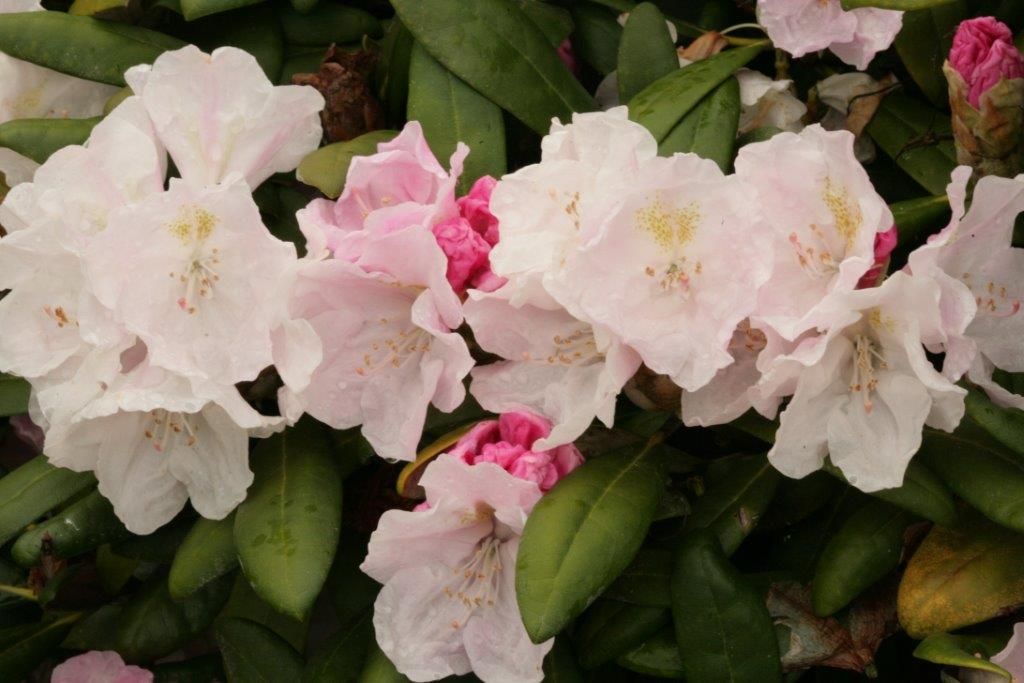
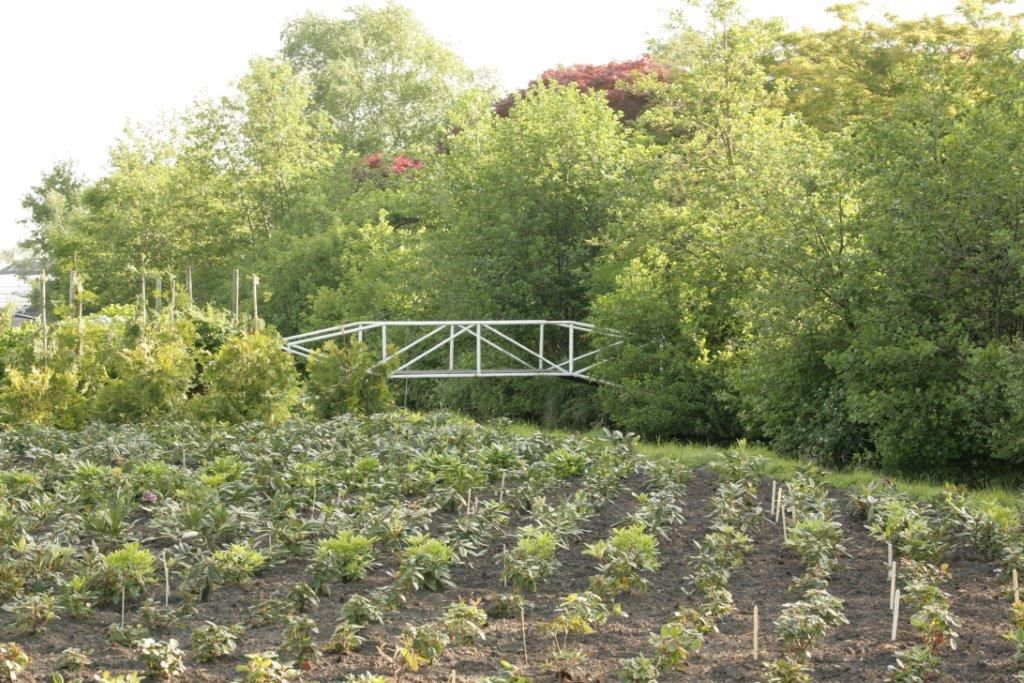
Cor van Gelderen went first. He is a tall loopy Dutchman who reminded Smruti of Sheldon from the Big Bang Theory. But his casual, humorous, and self-effacing style hid a brilliant mind and lineage. He has written books on plants. Many of them. All considered authoritative. He owns and works as the 4th generation heir, in the family nursery, Firma C. Esveld (established 1865) in Boskoop, which is one of the world’s great specialist nurseries, famous for its conifers, maples, rhododendrons, and other woody plants. https://www.esveld.nl/engels.php But above all that he is a passionate lover, who talks about plants in a way that the only other person I knew who could was my father. He talks of them as people; makes fun of them, loves them, dismisses them.
Clearly they are a bigger family to him than people are. And in that humorous conversational one hour talk he told us how many plants came from Japan to Europe, with such vividness that you could not be faulted if you thought he was doing an Alex Haley on you. If Alex got 130 million viewers, to tell the story of his ancestors, Cor could easily ramp up those numbers.
This was an inspirational and inspired performance.
rhododendronyakushimanum ‘esveld select’
Family Nursery.
acershirasawanum ‘aureum’ in winter
Next up was Xiao Ying Xie from China, www.viewunlimitedlandscape.com who claimed that she did not speak the English language ( which actually she does rather sweetly), and so had her old school friend Xiaowei Ma do an introductory talk to precede her. As it turned out she did not need to know any language; the work spoke for itself. Xiaowei did a scholarly turn that told the incredible tale of how porcelain and its trade from China was perhaps more responsible for the idea of the Chinese garden to catch the imagination of Europe than any actual trips that gardeners or explorers made to China. It was a well researchedtalk ; and then he introduced some notable design practices in China before inviting Xiao Ying to the stage. Her work was explosive. She showed a series of film clips, of a series of large park, housing, urban redevelopment projects and spoke little in Chinese that Xiaowei translated; but it was not required at all. The work had the lyrical quality of Wong Kar-wais films ( e.g. In a mood for love); and it figured – as she let out that her family was a great collector of those delicate Chinese miniature paintings and studying them was her great love.
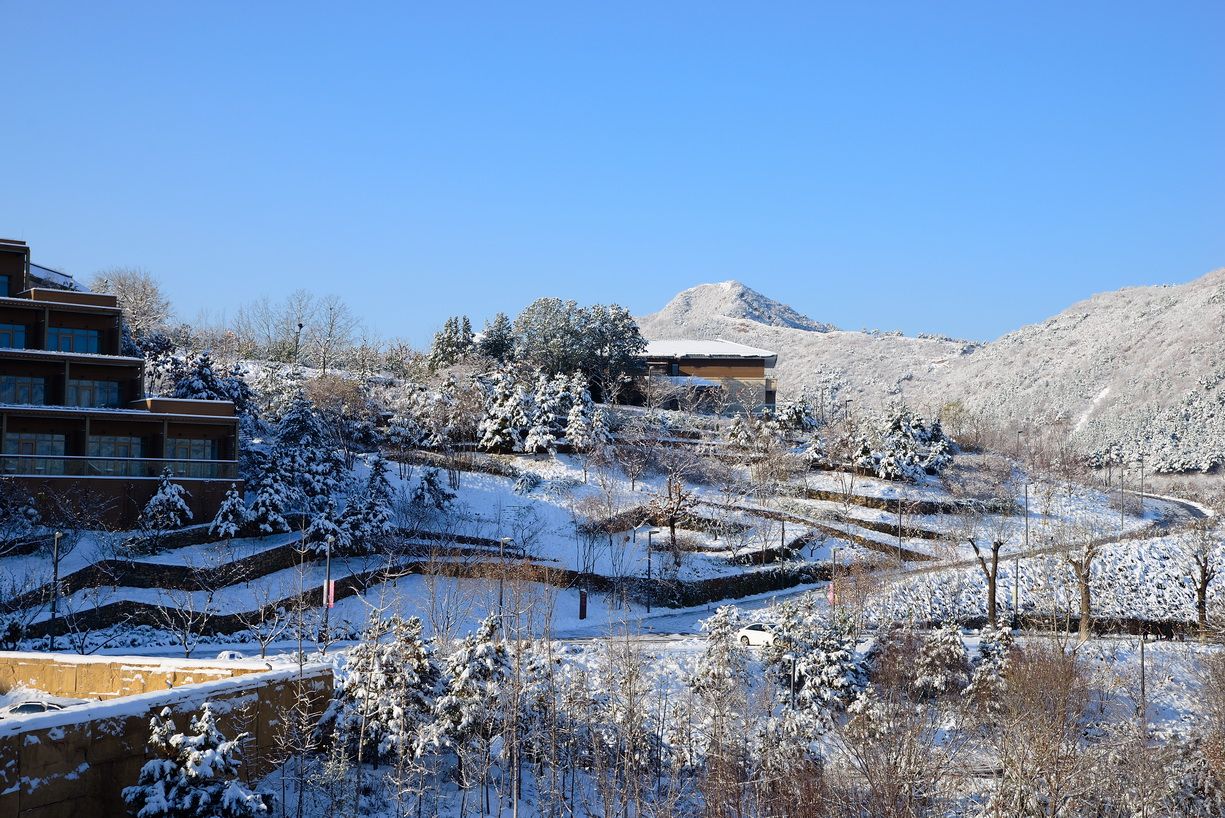
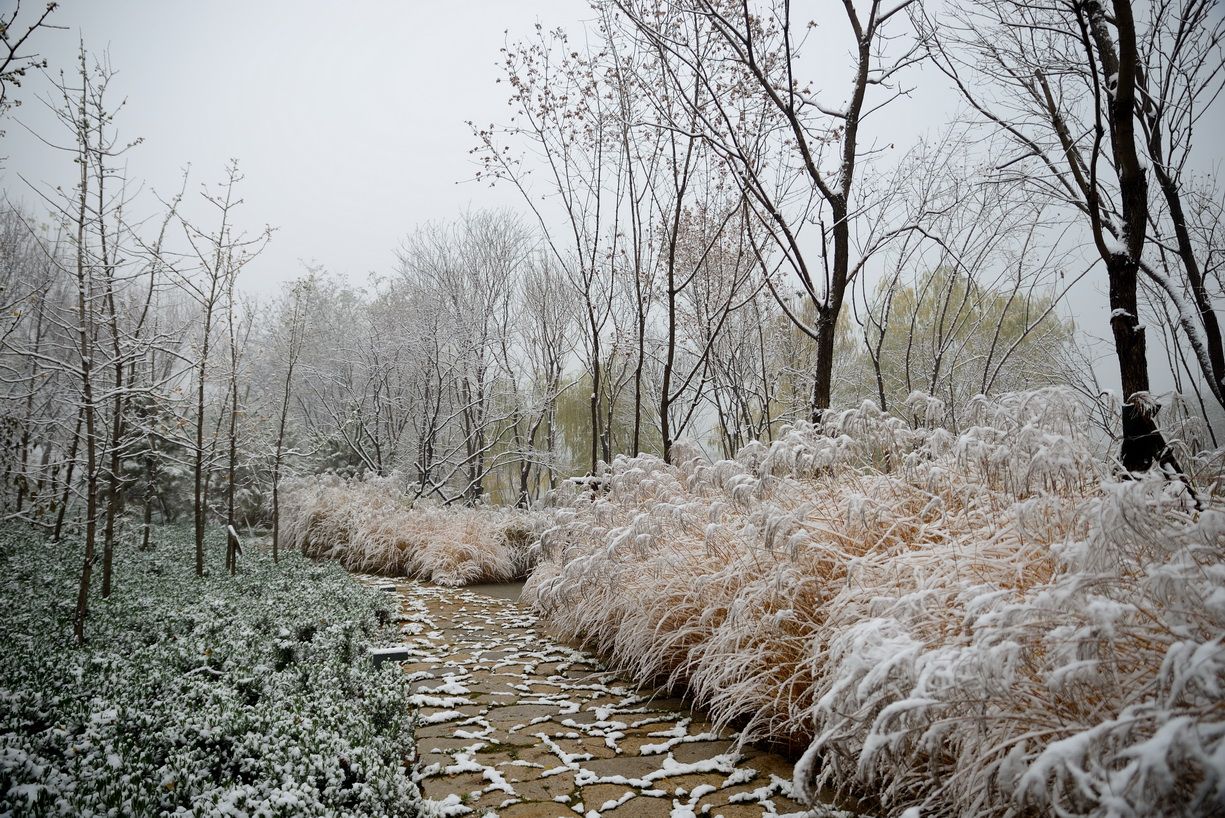
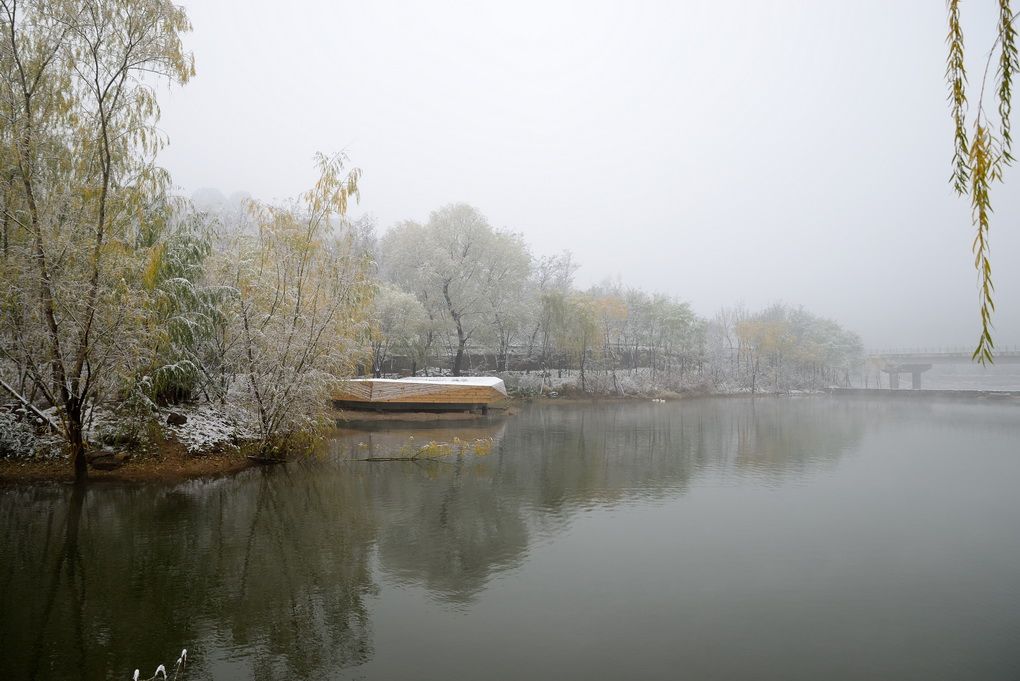
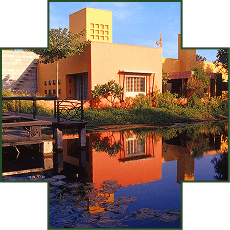
Landscape Design for Guquan Conference Center, Beijing Citic
The project site locates beside a lake at the foot of a mountain. The initial concept of the architecture design emphasizes on contouring, following the nature topography of the existing mountain. The building clusters layer upon the slope of the mountain, hugging the lake they overlook. Landscape design aims to extend the topographical contour language of which the architect proposed, by making full use of the advantageous natural surroundings and demonstrating the interconnection among buildings and landscape highlights. The emergency staircase, retaining walls, exterior platforms and courtyards are integrated into the existing landscape, blurring out the boundaries between the artificial structures and the nature. Meanwhile, a series of walking paths connect between the clusters; encourage visitors to wander about, enjoying the experience of ‘Lost in Landscape’.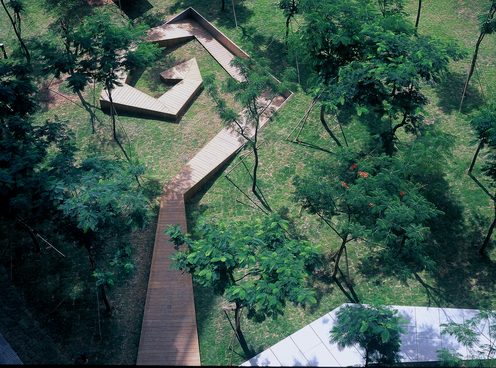
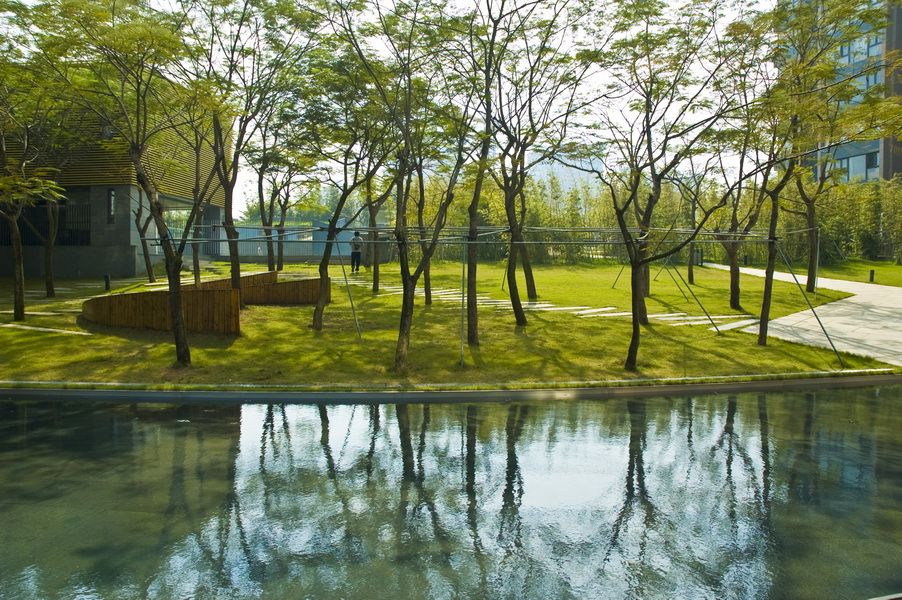
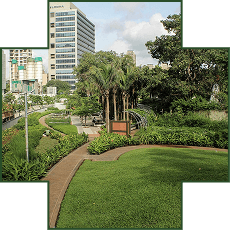
Landscape Design for Shenzhen Houhai Congregated Residence.
Houhai Residence Project is located at the new business district of Shenzhen, a CBD site with high density of high-rise buildings. The major tasks to solve is to ease the increasing density due to higher plot ratio. The landscape design approaches in this particular project are to maximize the utilities of limited green spaces via compound functions and to control the landscape vistas through effective sculpting of slopes. It is a subjective adaptation of the abstract metaphors from traditional Chinese landscape painting: “distance (ping-yuan), depth (shen-yuan) and horizons (gao-yuan)”,multiple perspective views in one image. As a typical southern city in China, Shenzhen is a season-less metropolis full of immigrants. We have incorporated different seasonal plants in the designing to emphasize on the change of seasons, and consequently emphasize the perception of nature.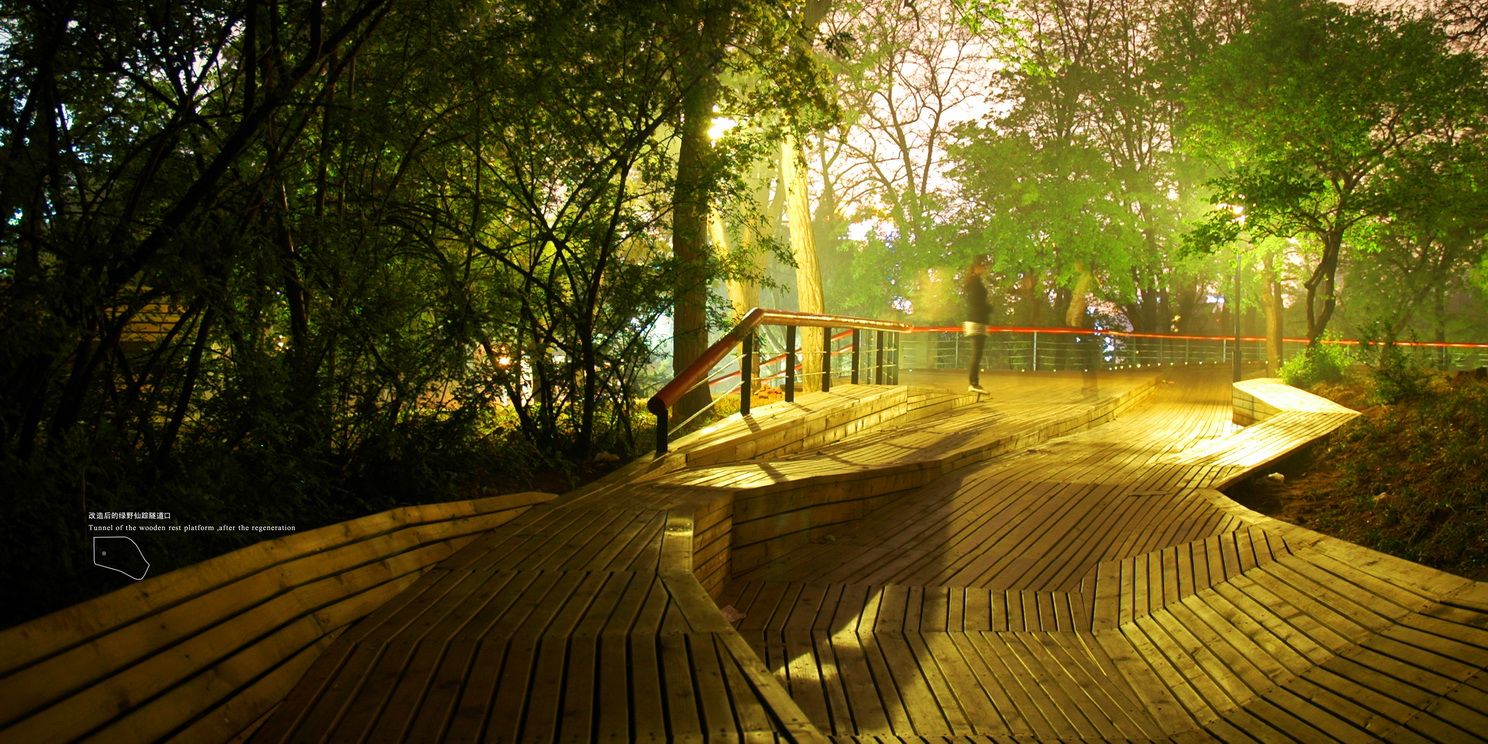
Tangshan Phoenix Hill Park Renovation Landscape Design
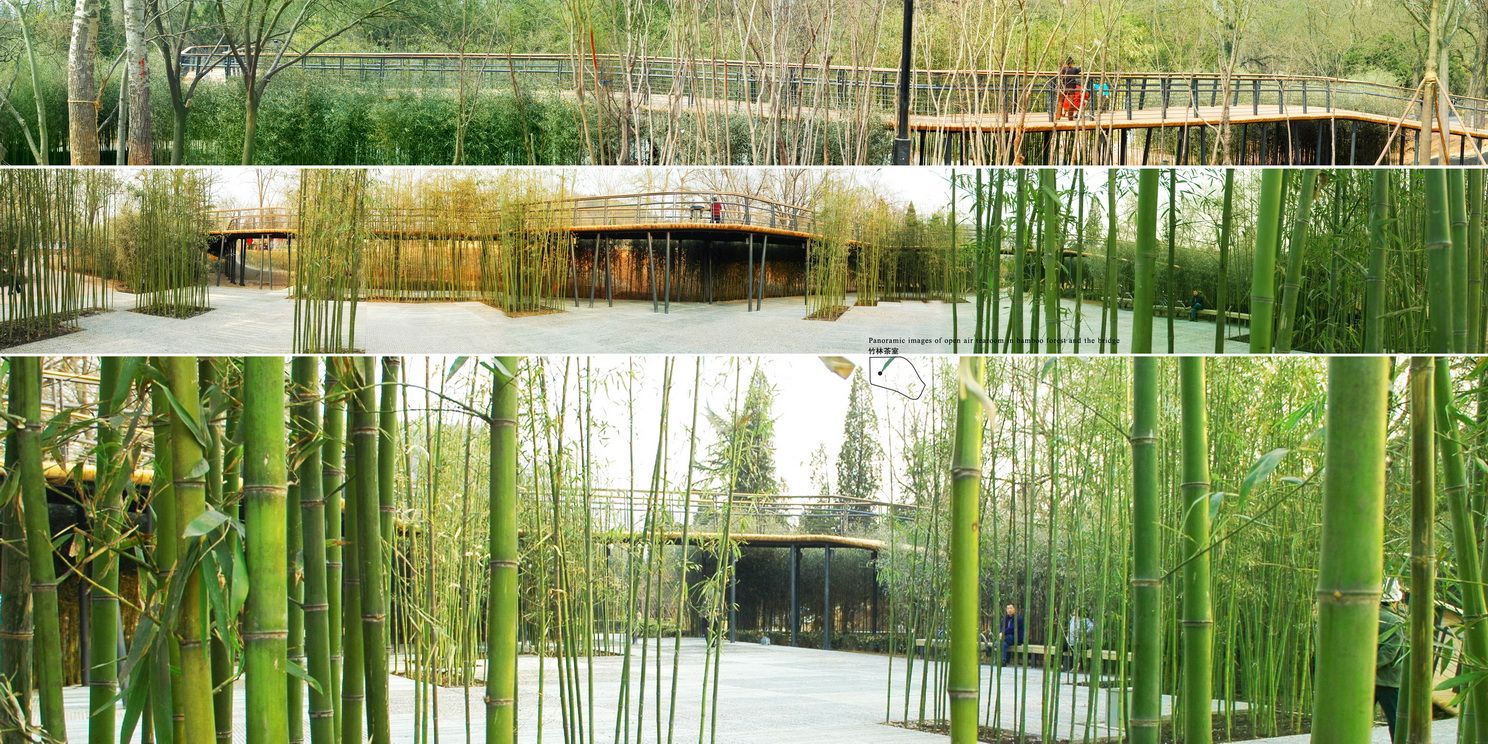
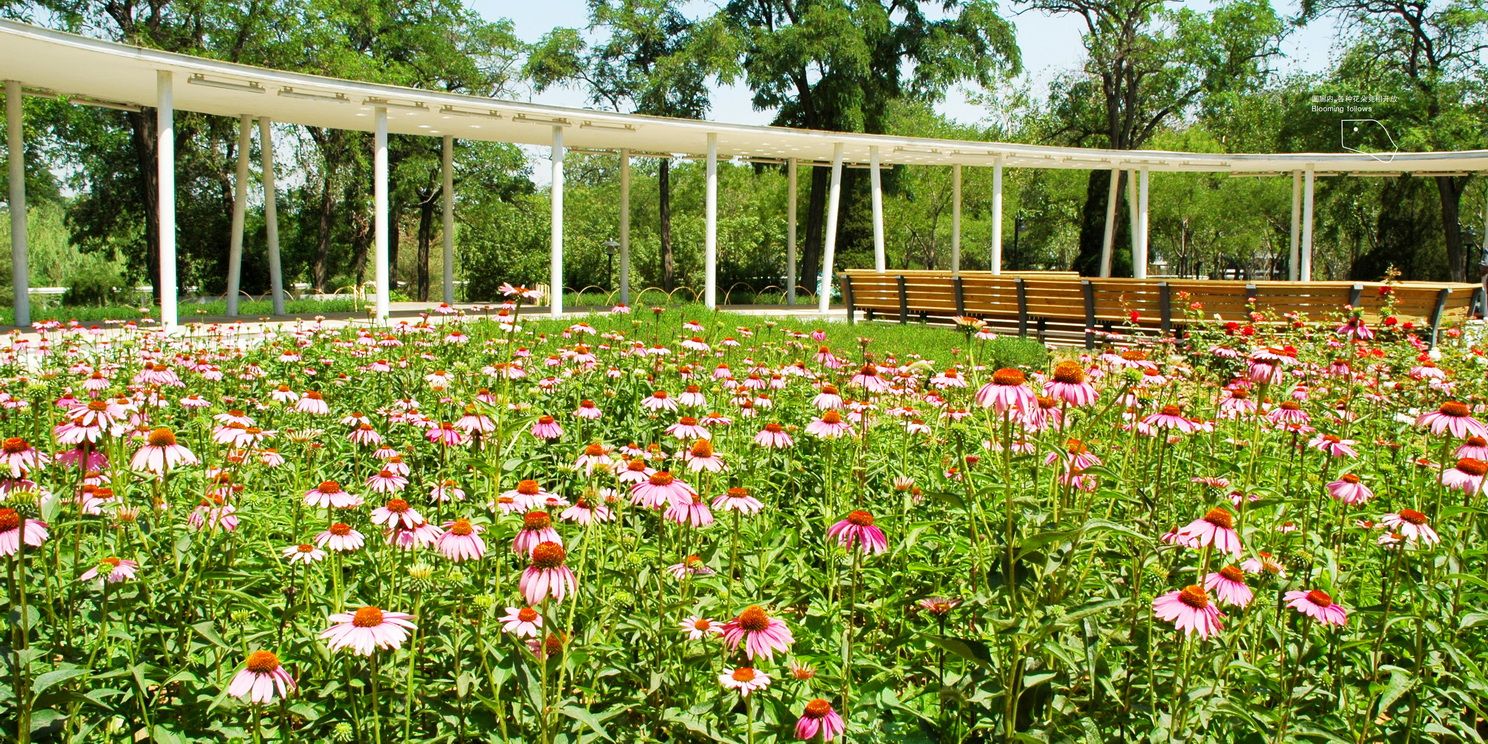
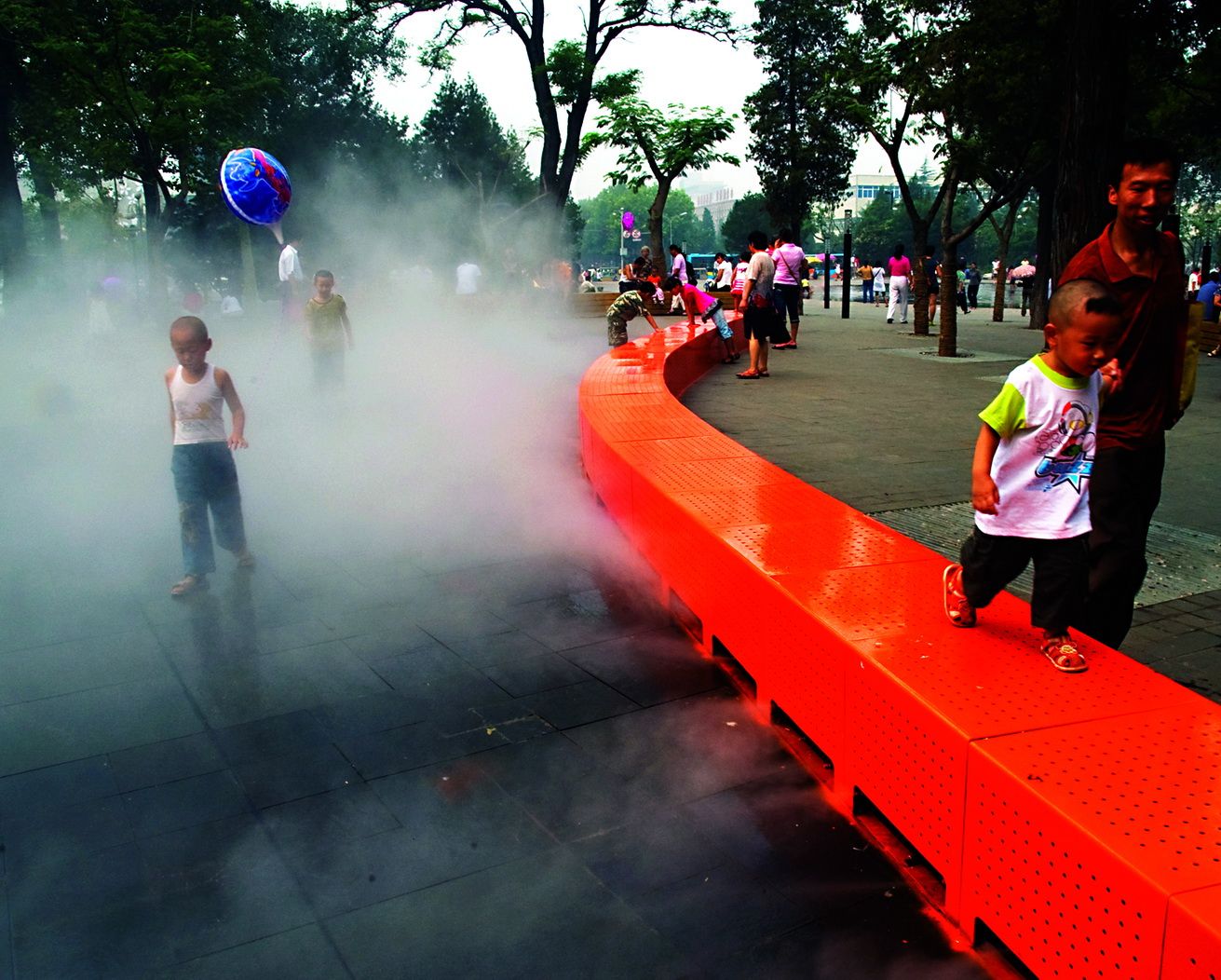
Constructed in the 1960s, the Tangshan Phoenix Hill Park used to be recognized as a legacy of the declined industrialized era that is deprived from modern city lives. The landscape reconstruction project has preserved the existing residents’ lifestyle and commune habits while injecting fresh DNA into the site, to seamlessly merge the new lifestyles of interacting, inter-depending and innovating. While analyzing the original natural elements and cultural genes, the project has adopted the main concept of “threading” by opening up the existing walls to establish various connections and to provide organic linkage to modern urban lives, consequently rejuvenating and updating upon the old site.
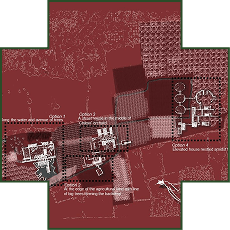
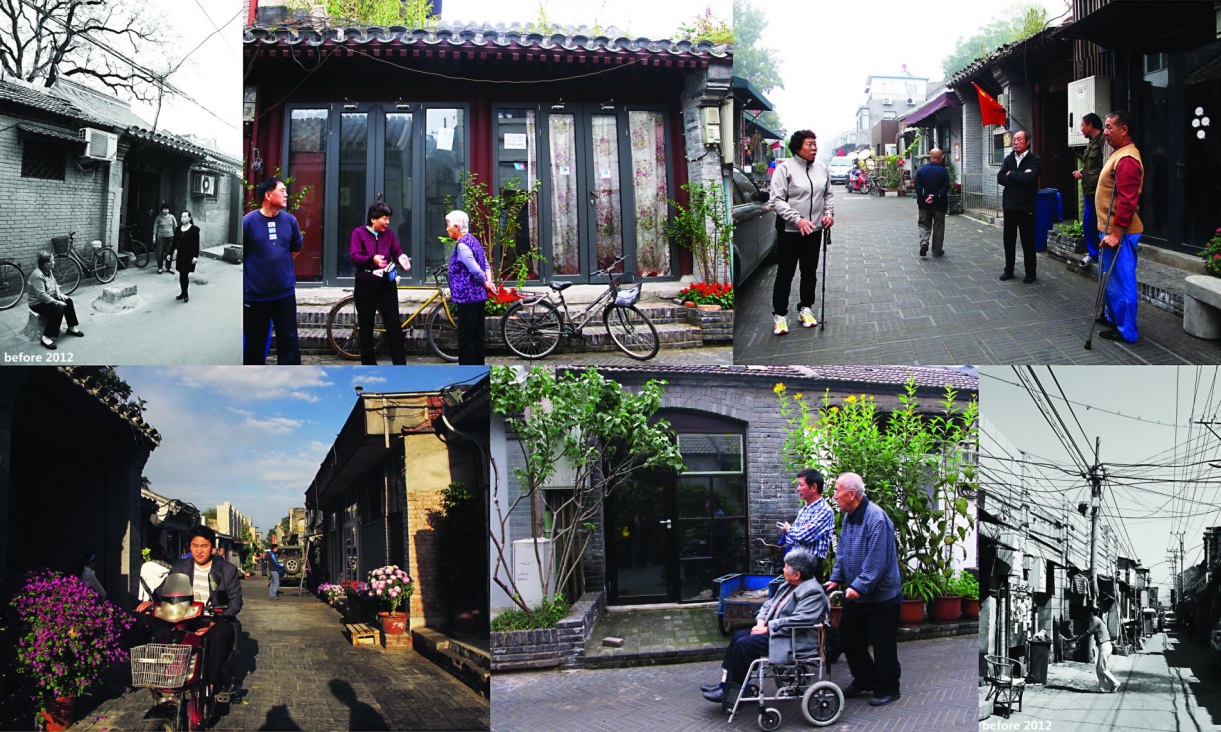 YangmeizhuXiejie renovation plan and mixed-courtyard public space design
YangmeizhuXiejie renovation program is leaded by the government sectors, operated by commercial developers and designed by the architects and landscape designers. It initiated from 2012 and completed by 2 years.
The renovation plan was discussed between complicated groups including government sectors, developers, architects, landscape designers and most importantly, each individual local resident family and shop owners. The mutual goal is to construct organic “ports” that interlace and connect the old street into the modern urban lifestyle. During the design process, the task was to clarify and protect the historical cultural gene in the existing Hutong, and re-patch the defects to rejuvenate the Hutong DNA through design strategies.
After the street environment renovation, the landscape designers continued to discover how to optimize the usage of the mixed-courtyard space aside the street.
The primary purpose of the renovation program is to firstly discover the texture and trail of the history development here, make them to support local residents to stay through reorganization and presentation.
And finally the day ended by a person who really symbolizes the idea of being a superstar in the world of Garden Design if ever there was one. Andrew Wilson from England www.wmstudio.co.uk seems to have done it all- he makes it sound effortless. He was a judge at the Chelsea Flower Show (where he won medals with alarming regularity), is a Judge at the Bloom festival www.bloominthepark.com set up by Gary Graham which is the Irish equivalent; he is on the panel of assessors for full membership admission to the GLDA, has his own college of design that he runs out of Kew gardens no less, writes many books that are well received, and has the time to run an award winning practice. I always thought that we here at our office did a lot- Andrew makes us look like novices. And he showed a series of small but divinely detailed and conceptualized projects. What he does specialize in, is that conceptual and esoteric world of show gardens ; an arena where cutting new age thinking in garden and landscape design is often tested.
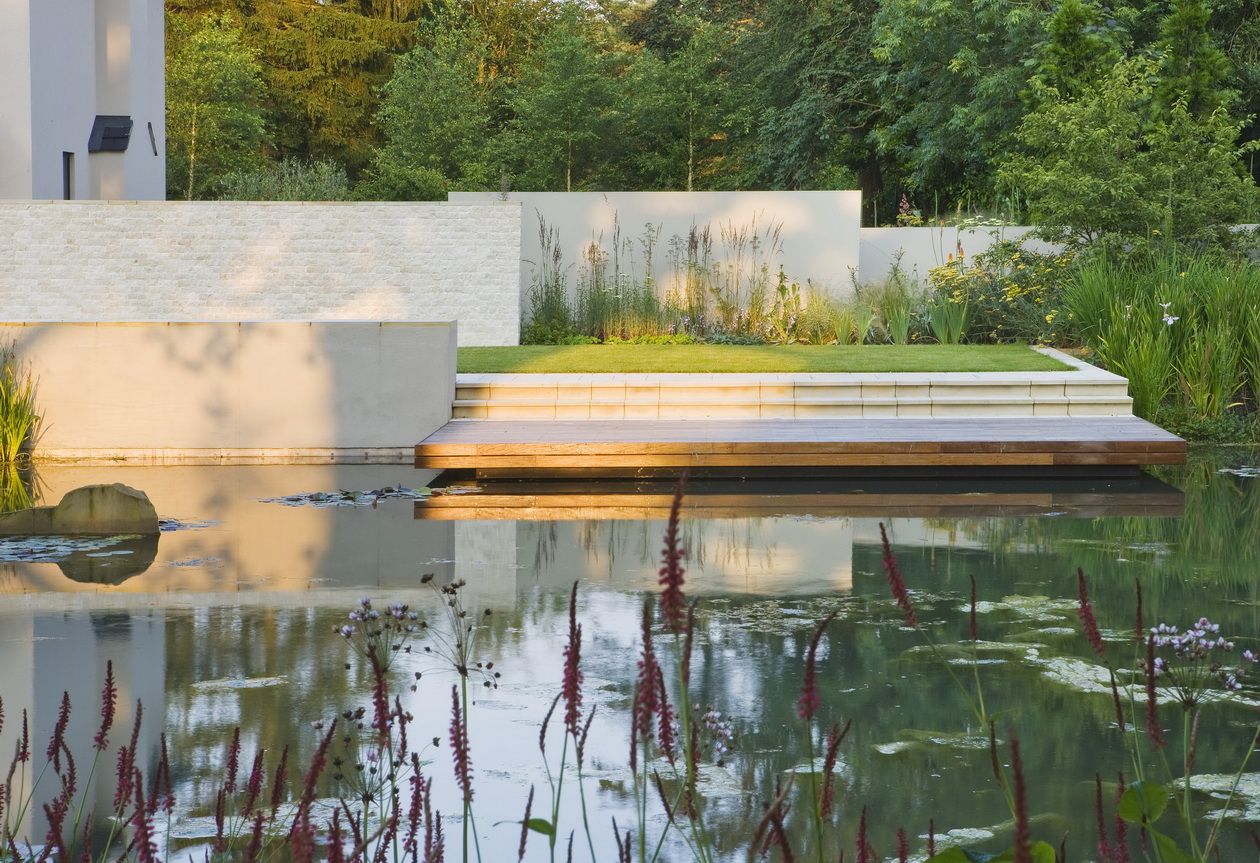
Chorleywood garden, Hertfordshire, Pool, deck and main terrace,
photo credit – Clive Nichols
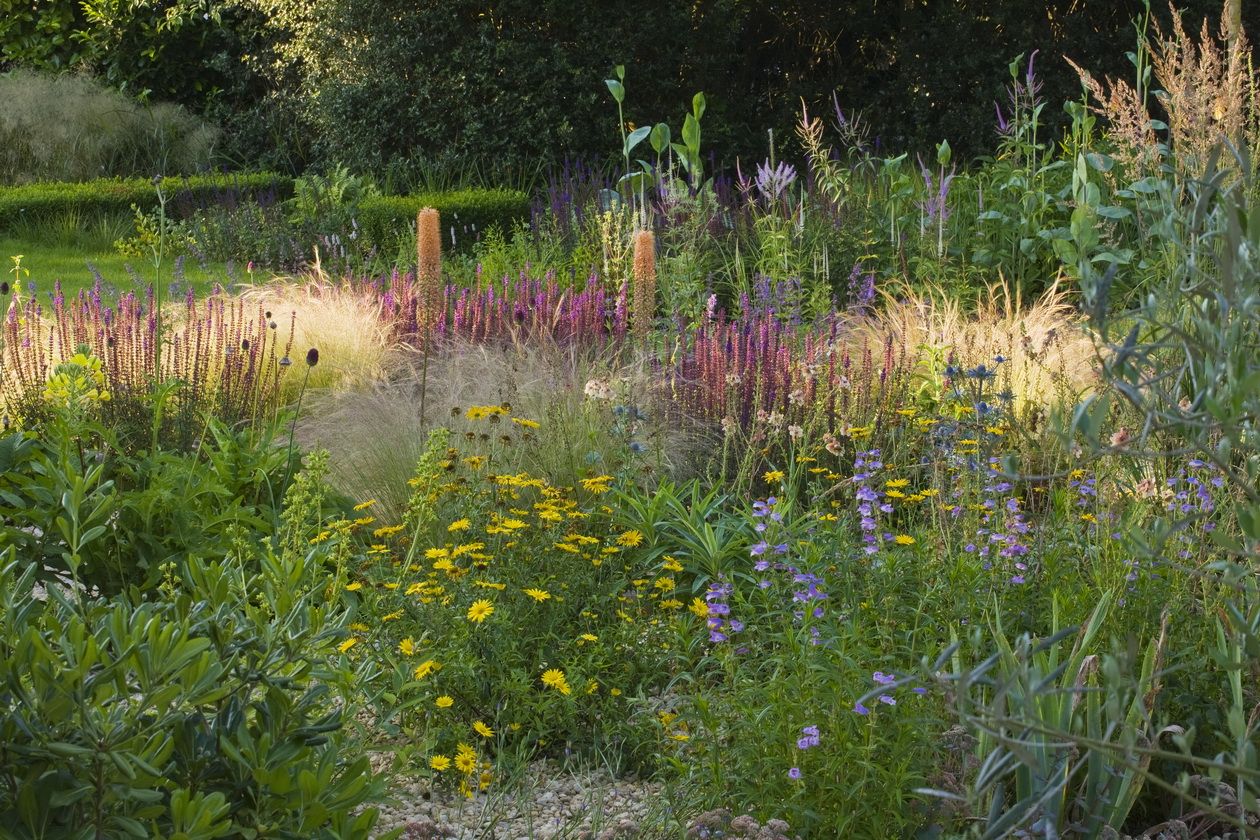
Chorleywood garden, Hertfordshire – winner SGD Grand Award, 2013, Gravel garden planting, photo credit – Clive Nichols.
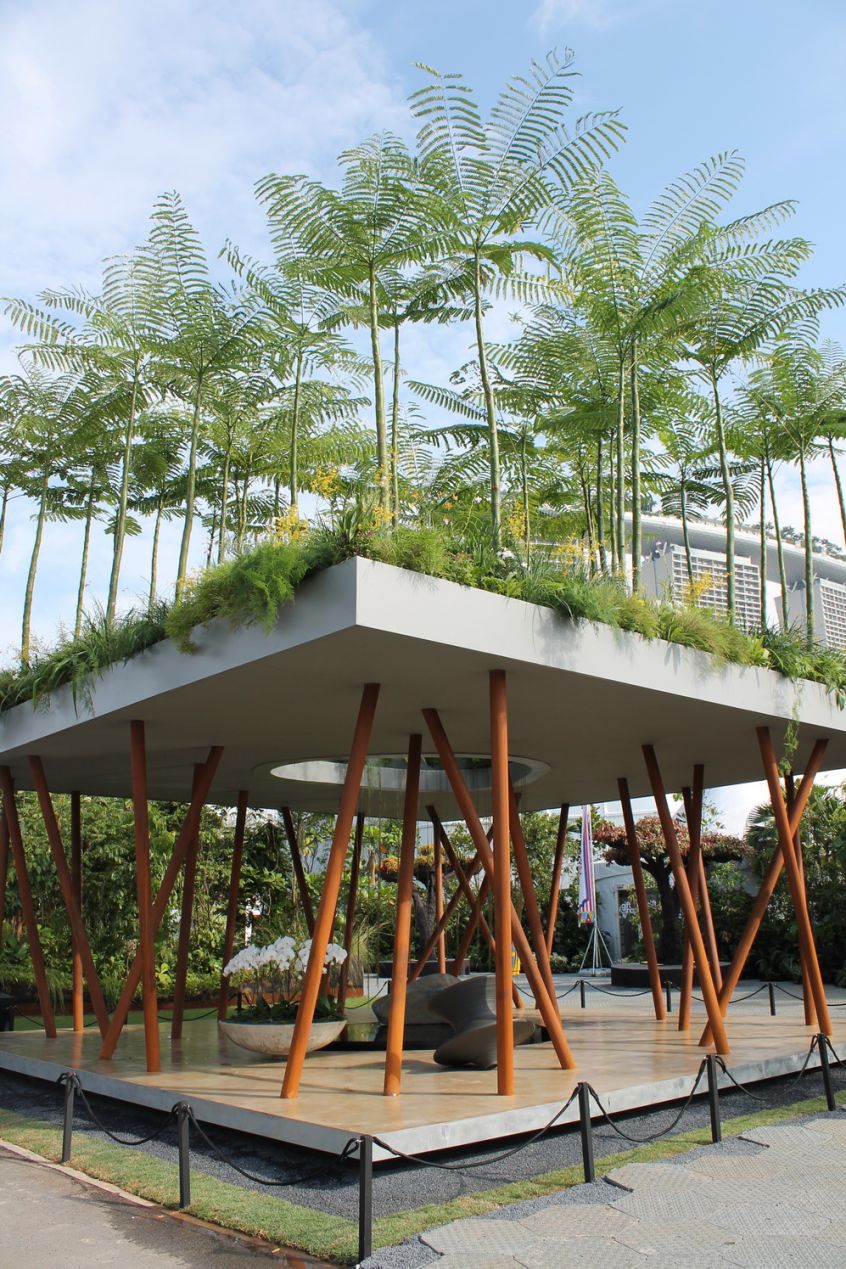
Sacred Grove garden, Singapore Garden Festival 2014, Winner Gold and Best of Show
Weybridge, Surrey Garden, Deschampsia planting in dappled shade.
Our own lecture was titled; Mending Apparatuses; Gardens of the Future Past; a title much debated by Vaidehi and Malvika and a reference to their love for the X- Men movies!
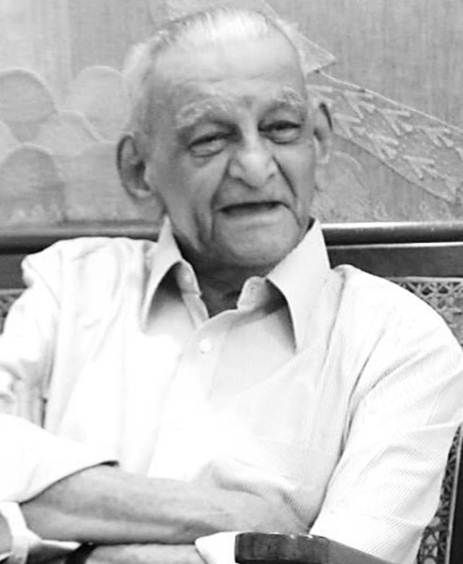
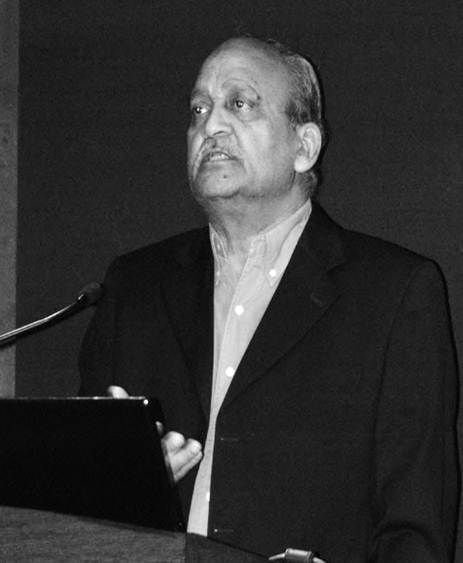
We ended the talk with a tribute to the two great landscape architects that were snatched from us last year; Prof . Prabhakar B. Bhagwat and Prof. Md. Shaheer, with this poem:
The garden is an apparatus
By which to see self
Shadows of self
A future self,
Or a self that may never exist;
The garden is an apparatus
By which to navigate the world
Rhythms of life
And cycles of death:
Meanings of patience and piety
The garden is an apparatus
In which to enact life
Its joys and sorrows
Its whimsical madness
And scholarly pursuits.
The garden is a rusty apparatus
It’s time to mend it
And make it the centre of our being
Once more.
Many times when one goes to a seminar, one is happy to have an excellent speaker; but to have three in one day- well, that’s unreal.
Moral of the story; Learn from GLDA; it does not matter how small you are as an organization; it does not matter that you only have a few hundred people as listeners; it just does not matter- if you put your mind to it; you can assemble the best minds in the world, and get them to put their best foot forward- not once, or twice- but 20 years in a row- without fail. Amazing!
(With great gratitude and thanks to Susan Maxwell, Patricia Tyrrell, Angela Binchy, Deirdre Prince, and Peter Stam and every one at GLDA; for the experience and also Alison Rochford who wrote thoughtful and incisive articles in the local national press leading up the event.)