Landscape India LogoLandscape India Logo
  • Home
  • Projects
  • Studio
  • Publication
    BlogsColumns / MediaMisc
  • Career
  • Contact
Leaf IndiaPBB PlantsResource Centre
Navigation Preview

© 2026 landscape India. All rights reserved.

  • Instagram
  • Facebook
  • LinkedIn
  • Youtube
Footer LogoFooter Logo
HomeProjectsStudioPublicationsCareersContact
InstagramFacebookLinkedInYoutube

Get In Touch

501, South Tower, One 42, Behind Ashok Vatika, Bopal Ambli Road, Ahmedabad-380058

pbb-ahm@landscapeindia.net

+91 79269 23054

Unit No. 424, Prabhadevi Unique Industrial Estate Coop Hsg Soc Off Veer Savarkar Marg Prabhadevi, Mumbai- 400025

pbb-mum@landscapeindia.net

+91 22243 60100

© 2026 landscape India. All rights reserved.

InstagramFacebookLinkedInYoutube

Powered by:

Salt Pixels

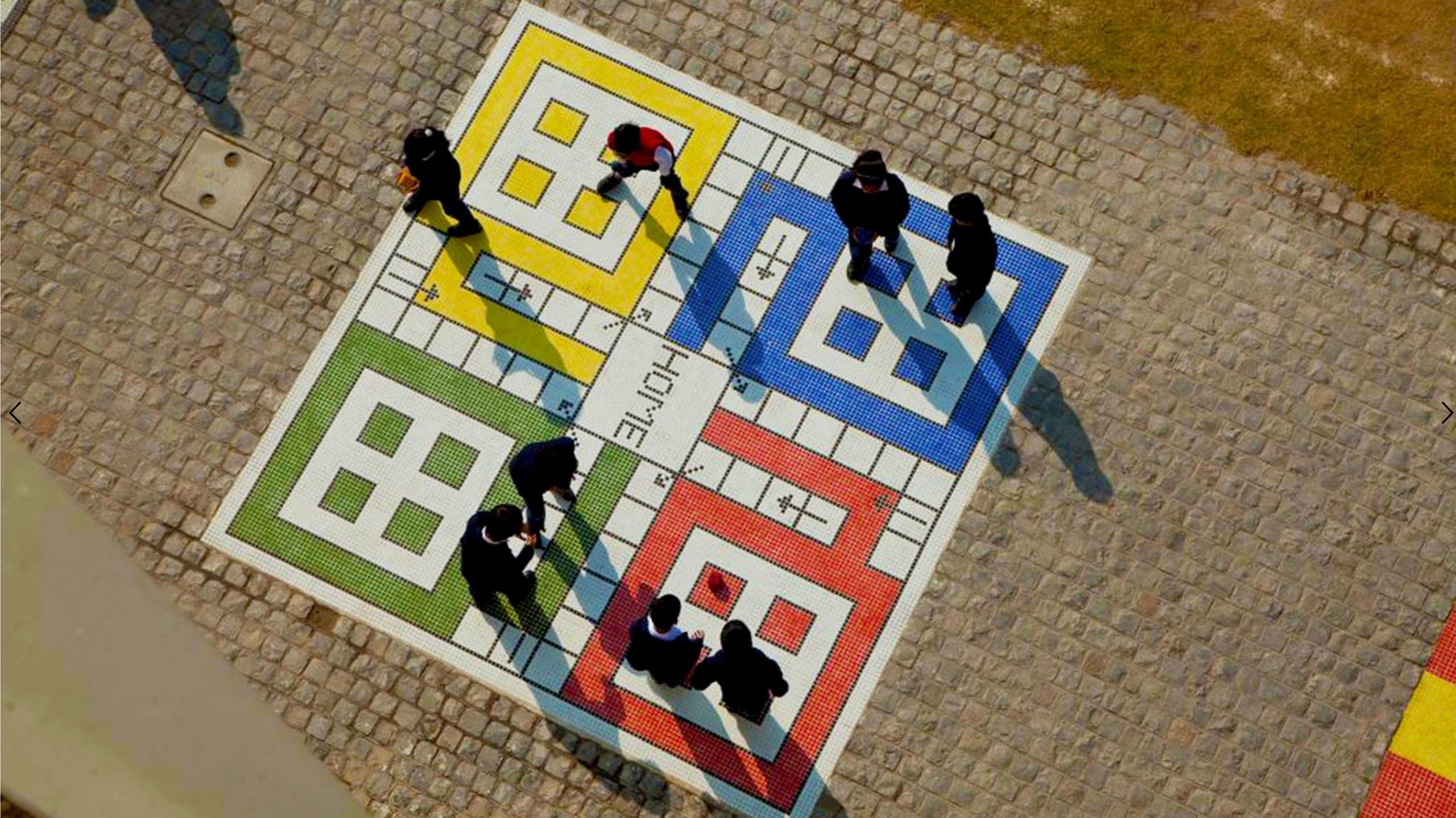
CHILDREN’S PLAY AREA

“Play is a significant component of children’s development. The definition incorporates a multitude of activities - each serving specific functions that range from physical development, to emotional and social development. This has encouraged architects, landscape architects, sculptors, engineers, technicians, and builders to experiment with the design of this typology. Even so, there has long been a need to re-invent this typology.”
Landscape India Project Image 1
Location
Visnagar
Typology
Children’s Play Area
Site area
3638 sq. mts.
 

There are many professionals who have invested time in imagining play spaces for children. This, however, has not translated into any experimentation or diversity as it pertains to the imagination of the form. These are spaces that need to be engaging, and allow for many forms of interaction.

In 2006, as a pro-bono project for a patron, the studio undertook the design of a play space for children in Visnagar - a village near Ahmedabad.

Landscape India Project Slide 1
Landscape India Project Slide 2
Landscape India Project Slide 3
Landscape India Project Slide 4
Landscape India Project Slide 5
Landscape India Project Slide 6
Previous
Next

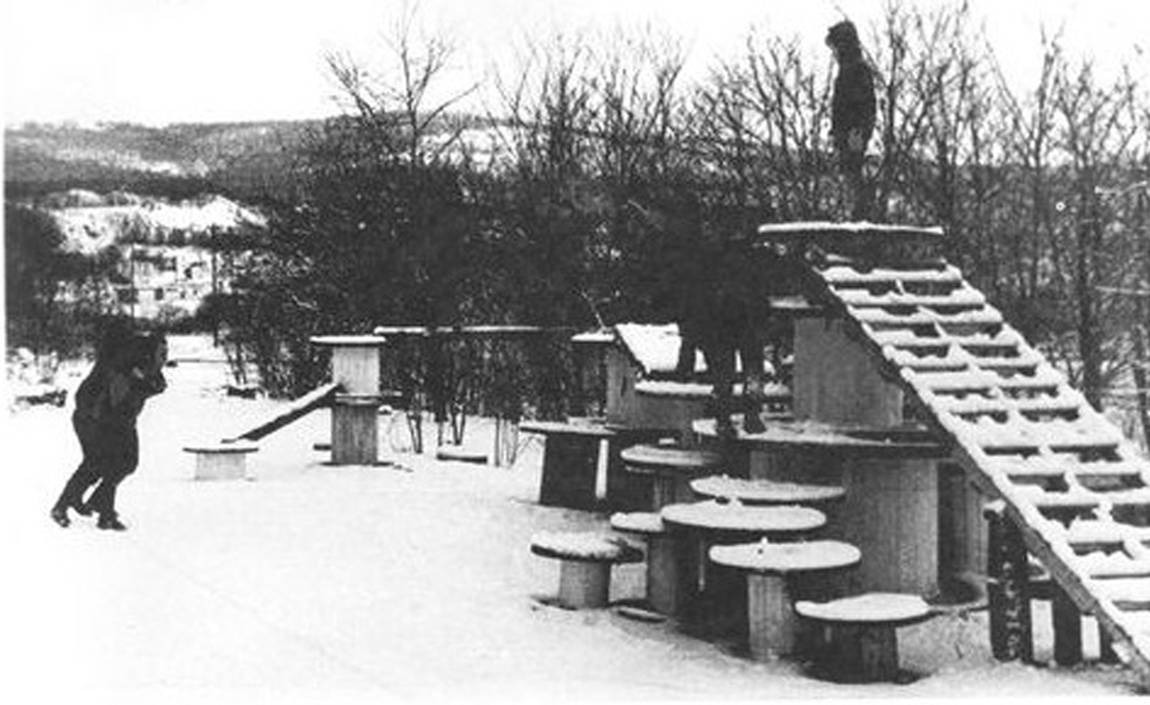
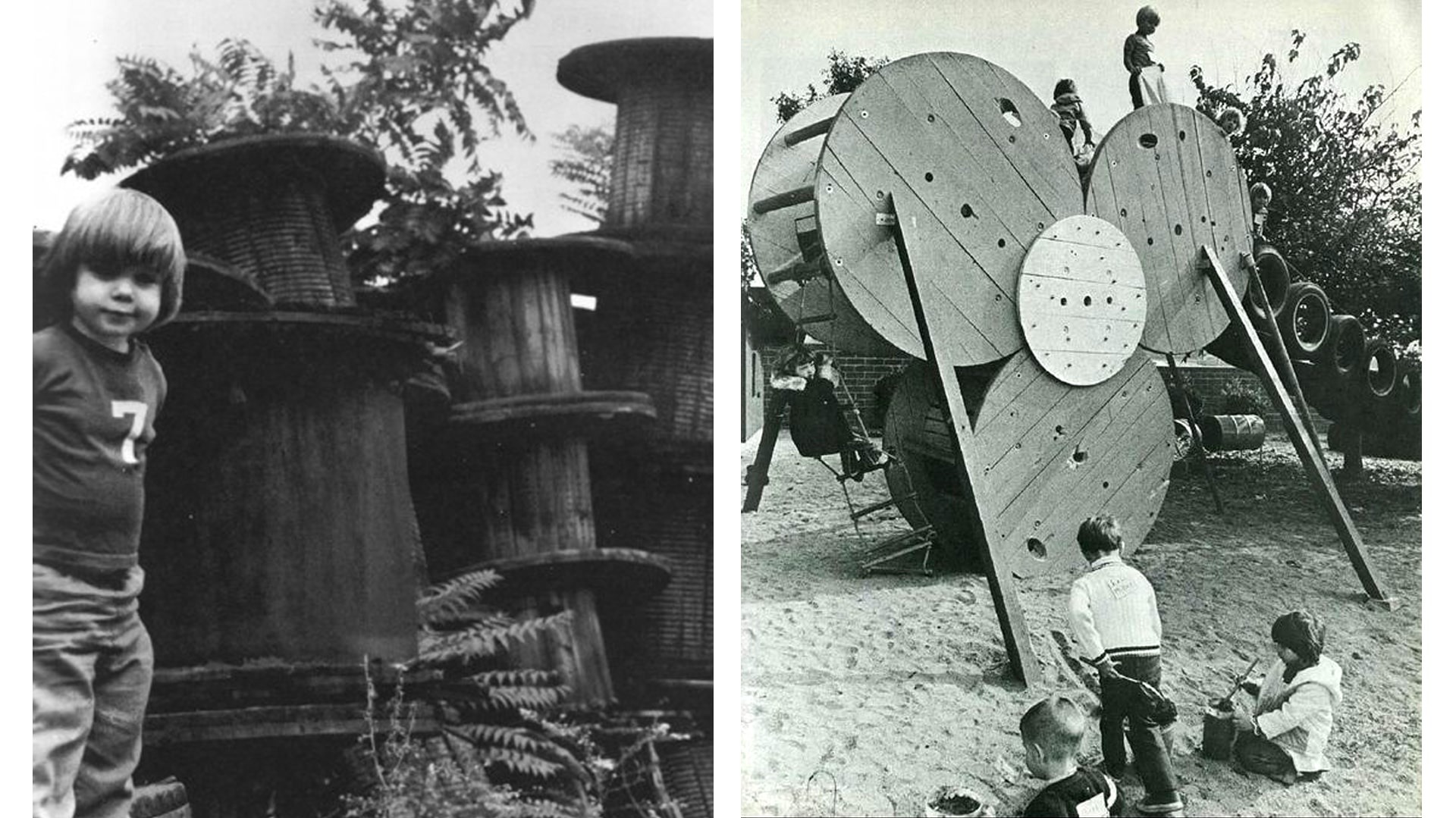
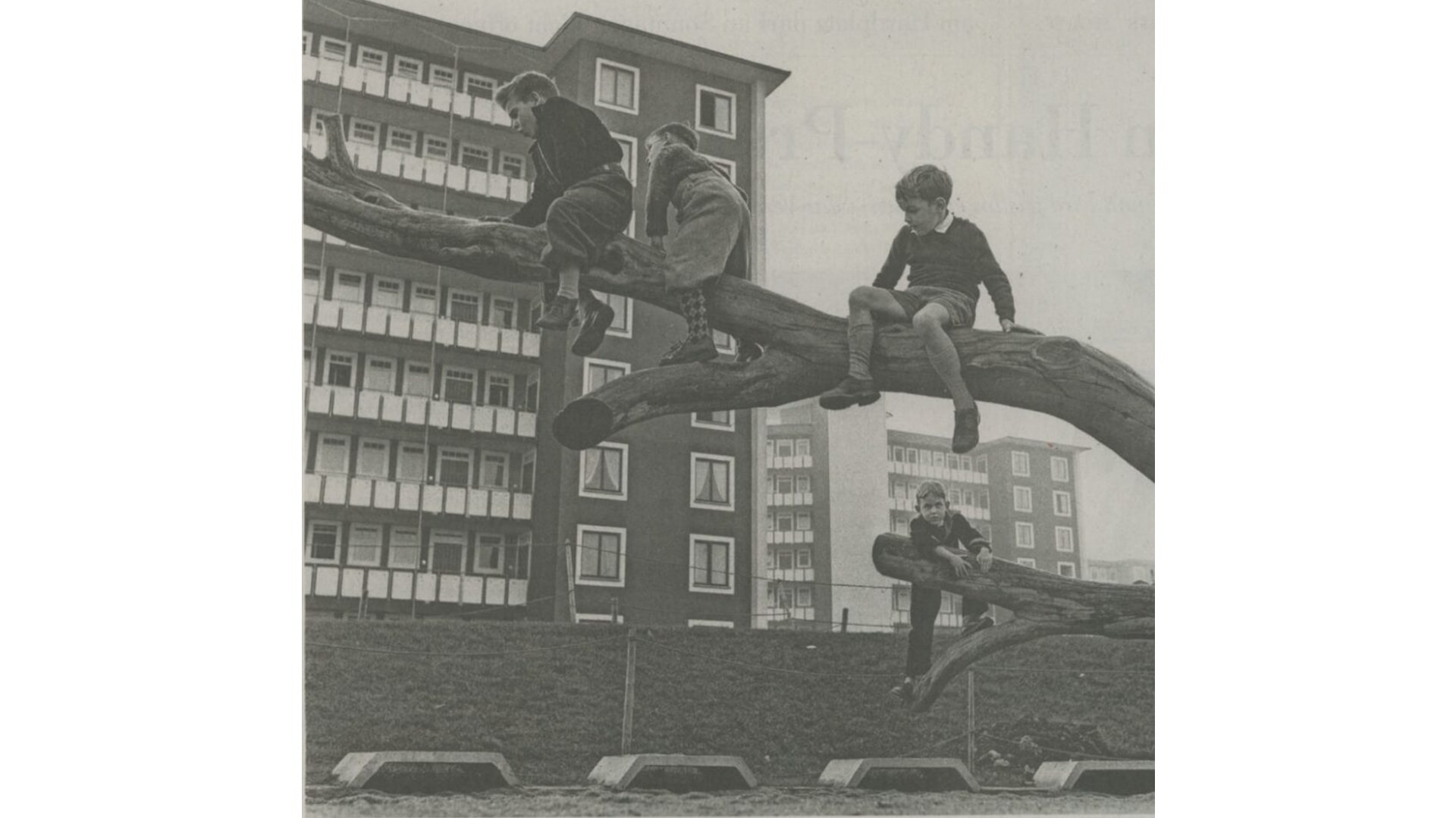
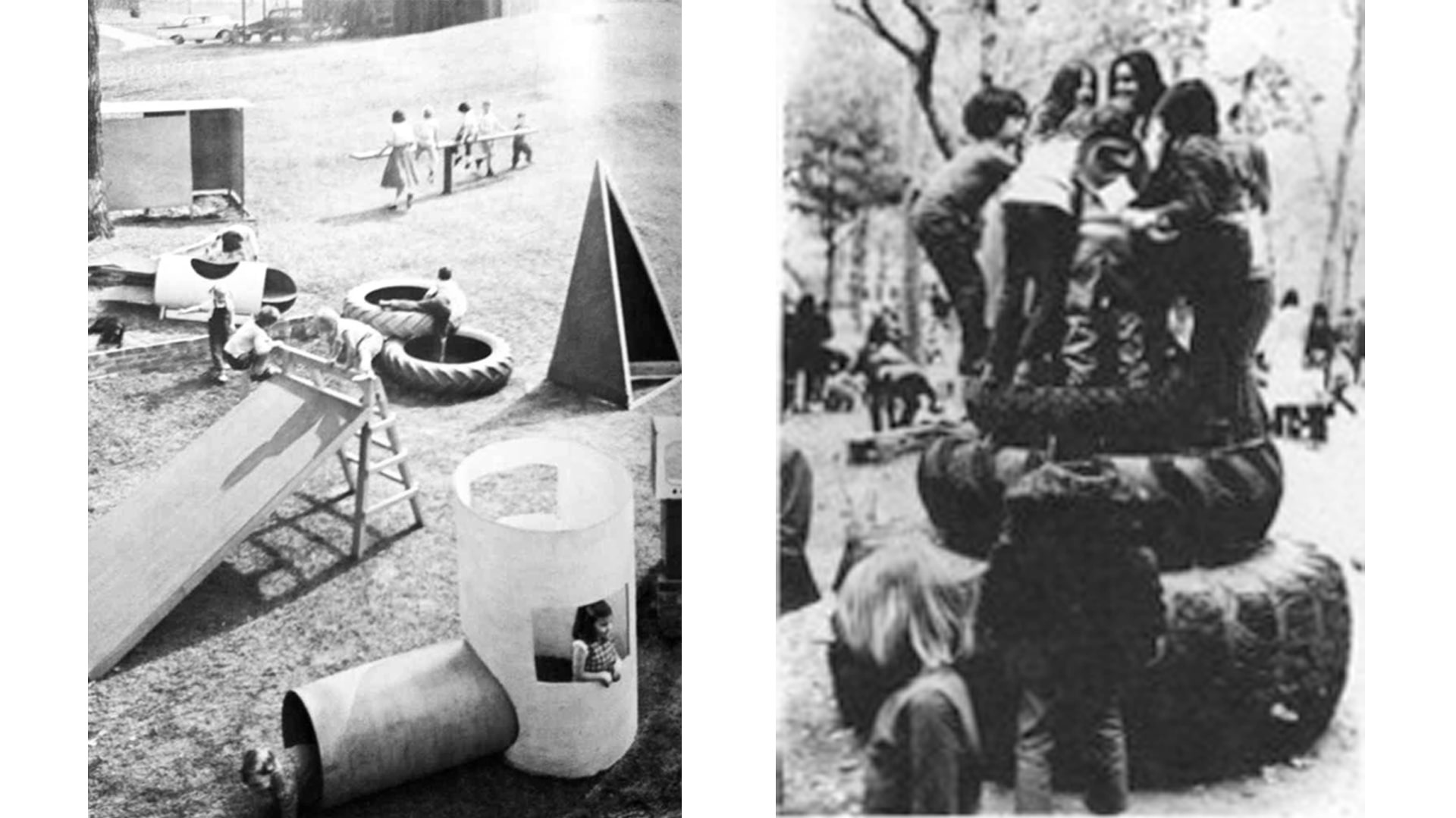
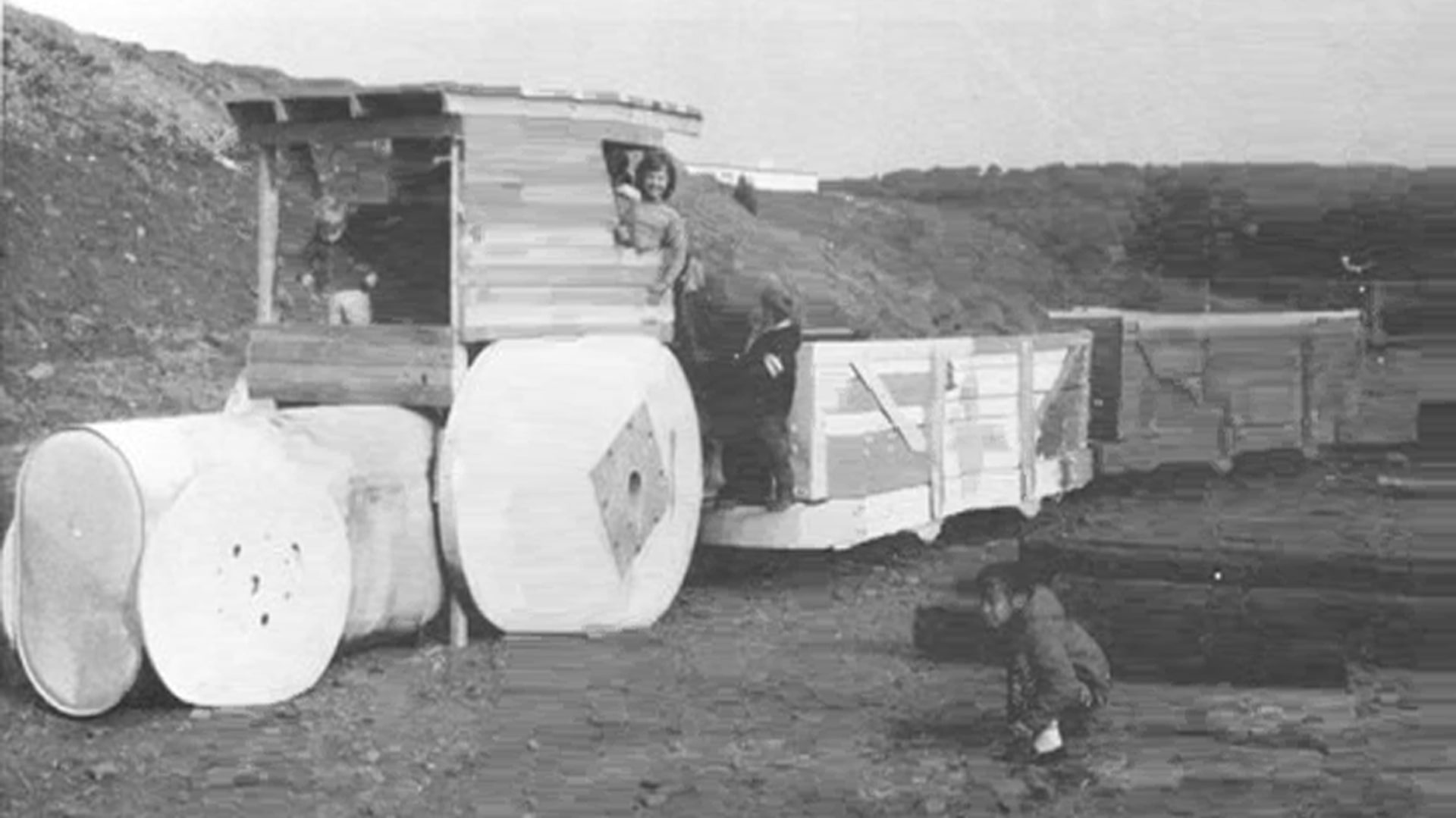
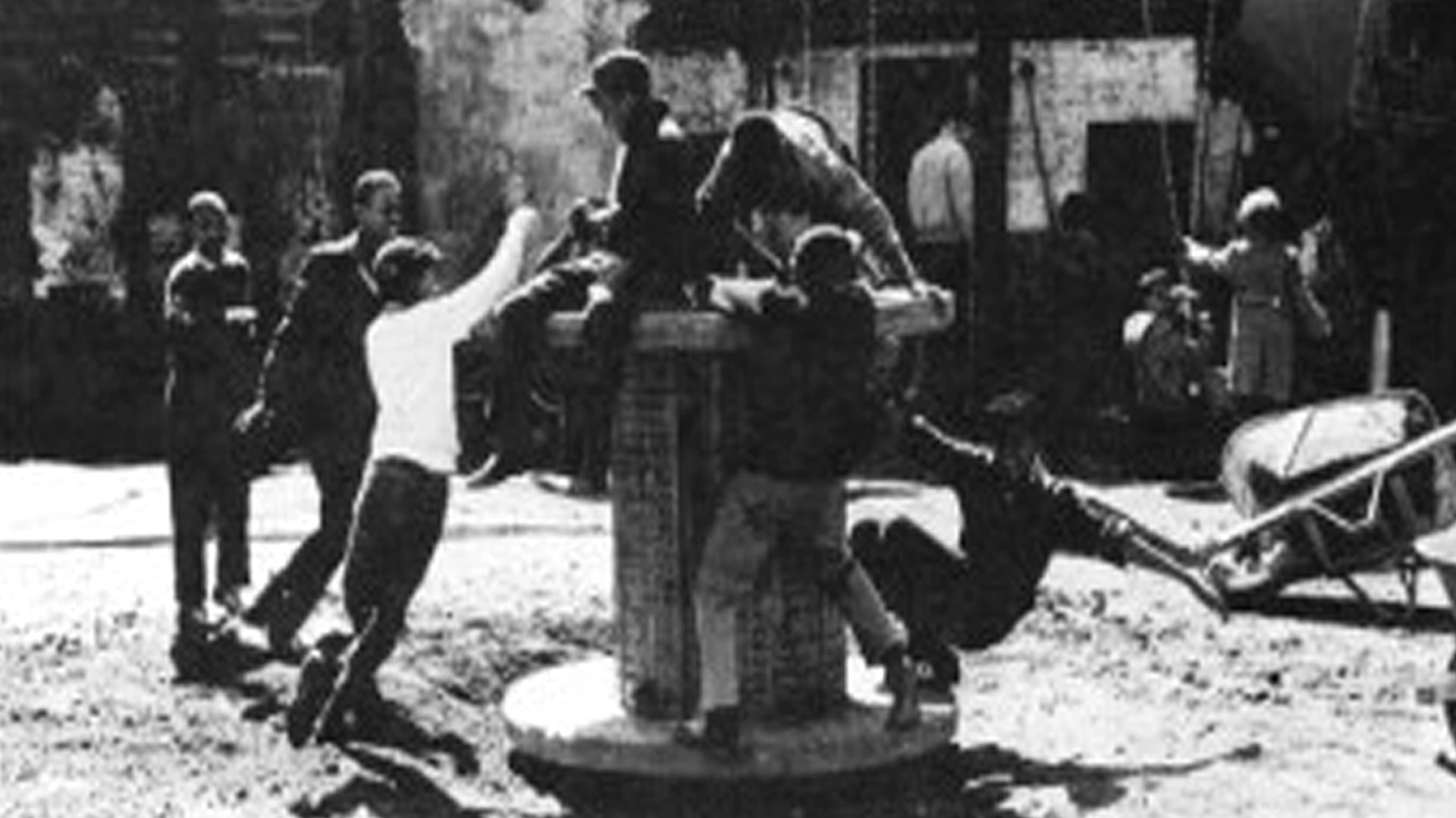
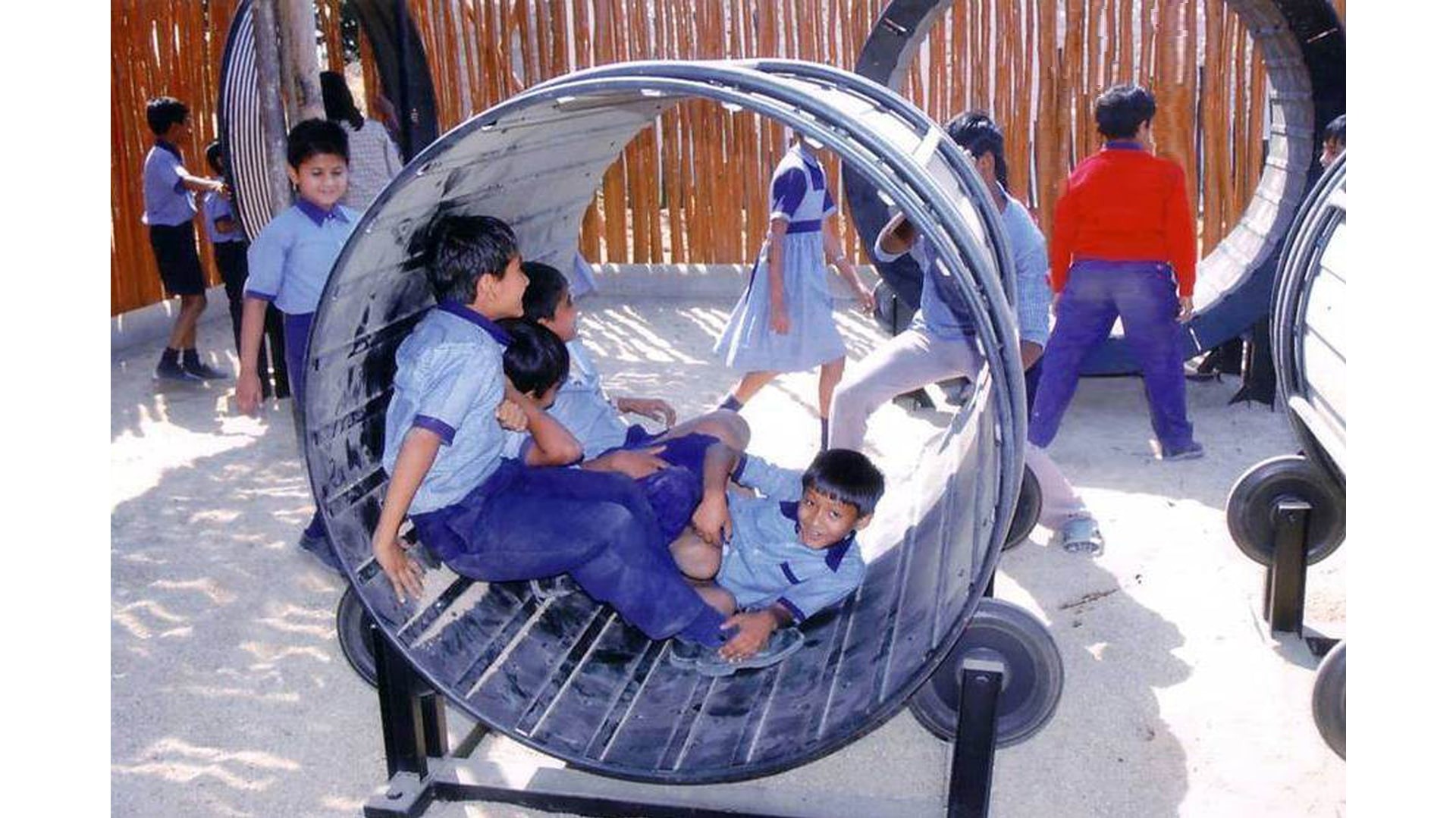
A book by Paul Hogan written in 1974 - Playgrounds for Free - has been definitive in leading the conversation on the reimagination of this typology. The book illustrates many ideas that allow for the transformation of industrial waste into play spaces for children. In so doing, the author encourages the readers to think of these spaces beyond what has been proposed in the past.

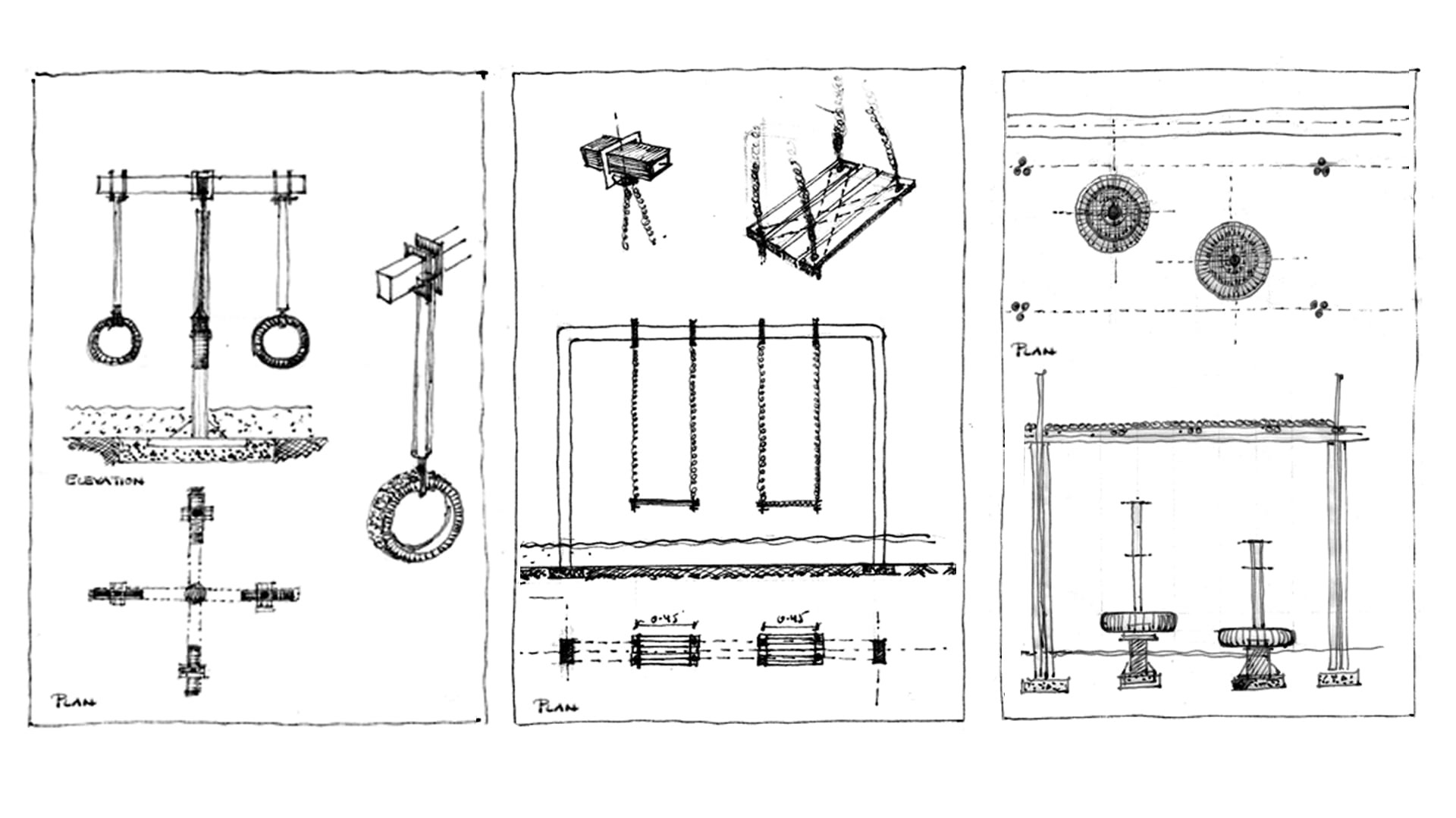
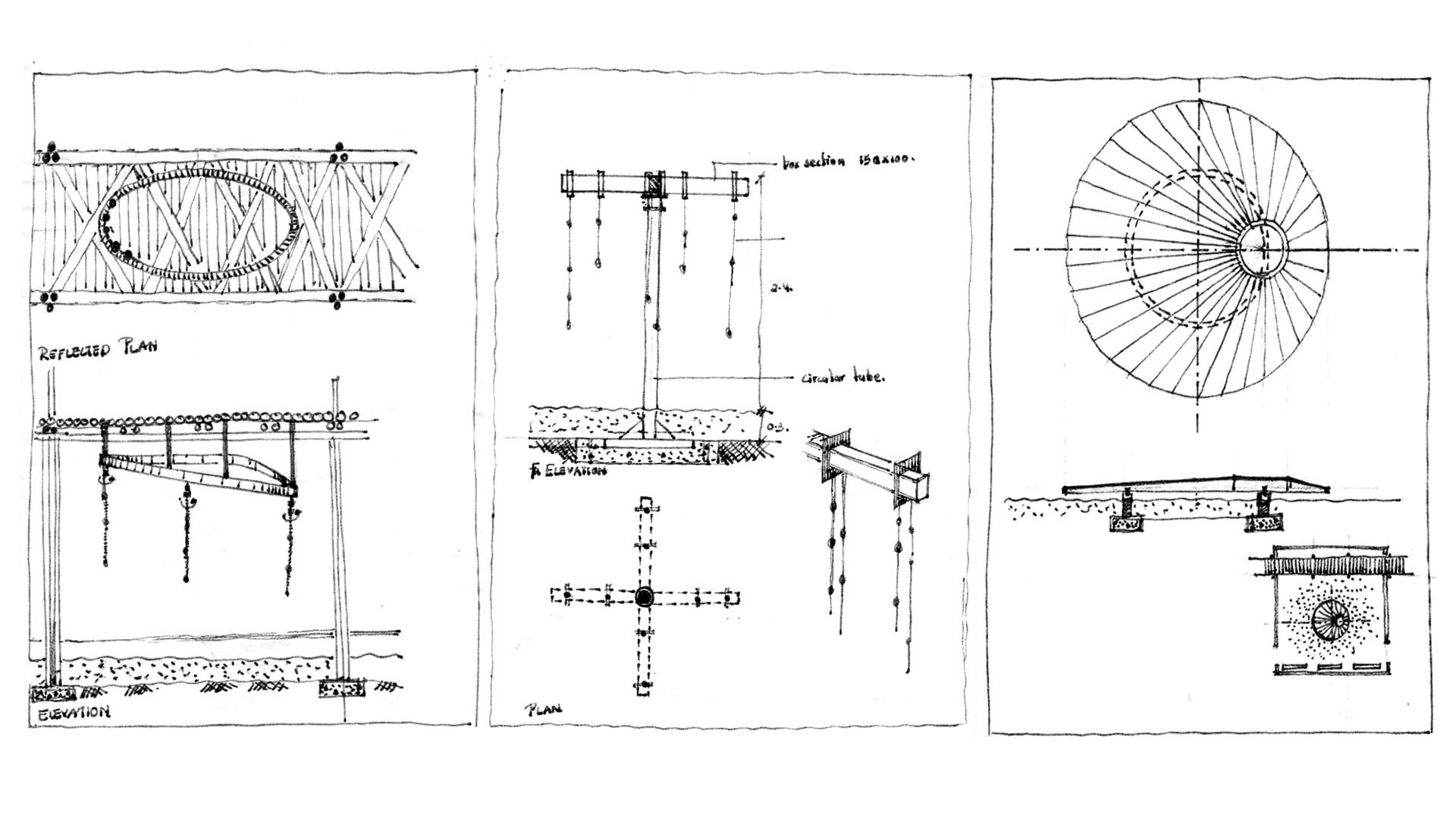
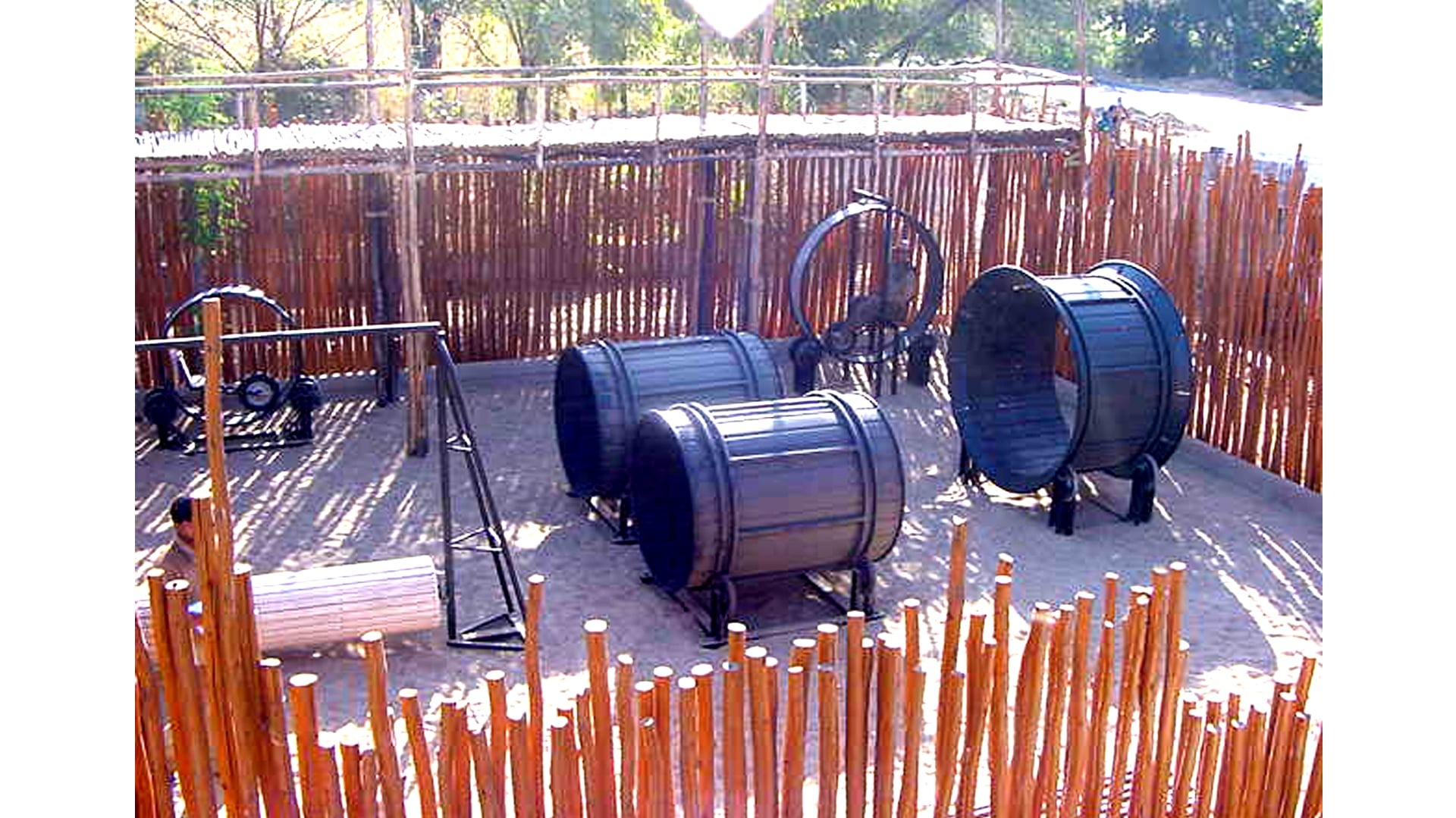
It focuses on looking at materials - cable reels, tires, tanks, drums, pipes, inner tubes, and other ready-to-use materials - and approach them with a sense of creativity, and ingenuity through reuse of materials. 

Landscape India Project Slide 1
Landscape India Project Slide 2
Landscape India Project Slide 3
Landscape India Project Slide 4
Landscape India Project Slide 5
Landscape India Project Slide 6
Previous
Next
Landscape India Project Image

He reiterates his ideas by using case studies of play spaces from around the world. In the spaces that the author describes lie the tools for play of all forms - stimulating creativity, conversation, and an early sense of community.

This book became consequential in determining the studio’s positions regarding this space.

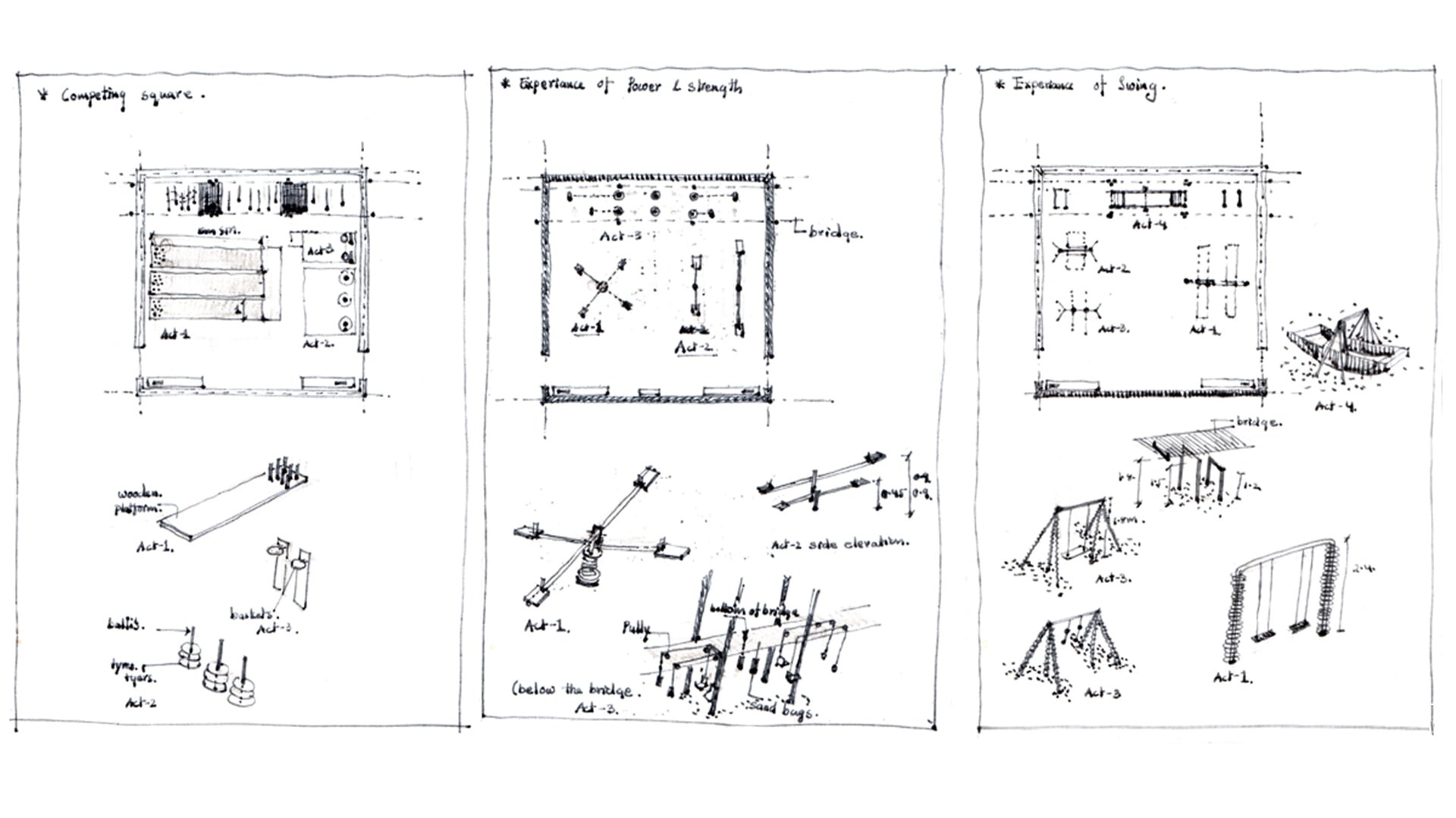
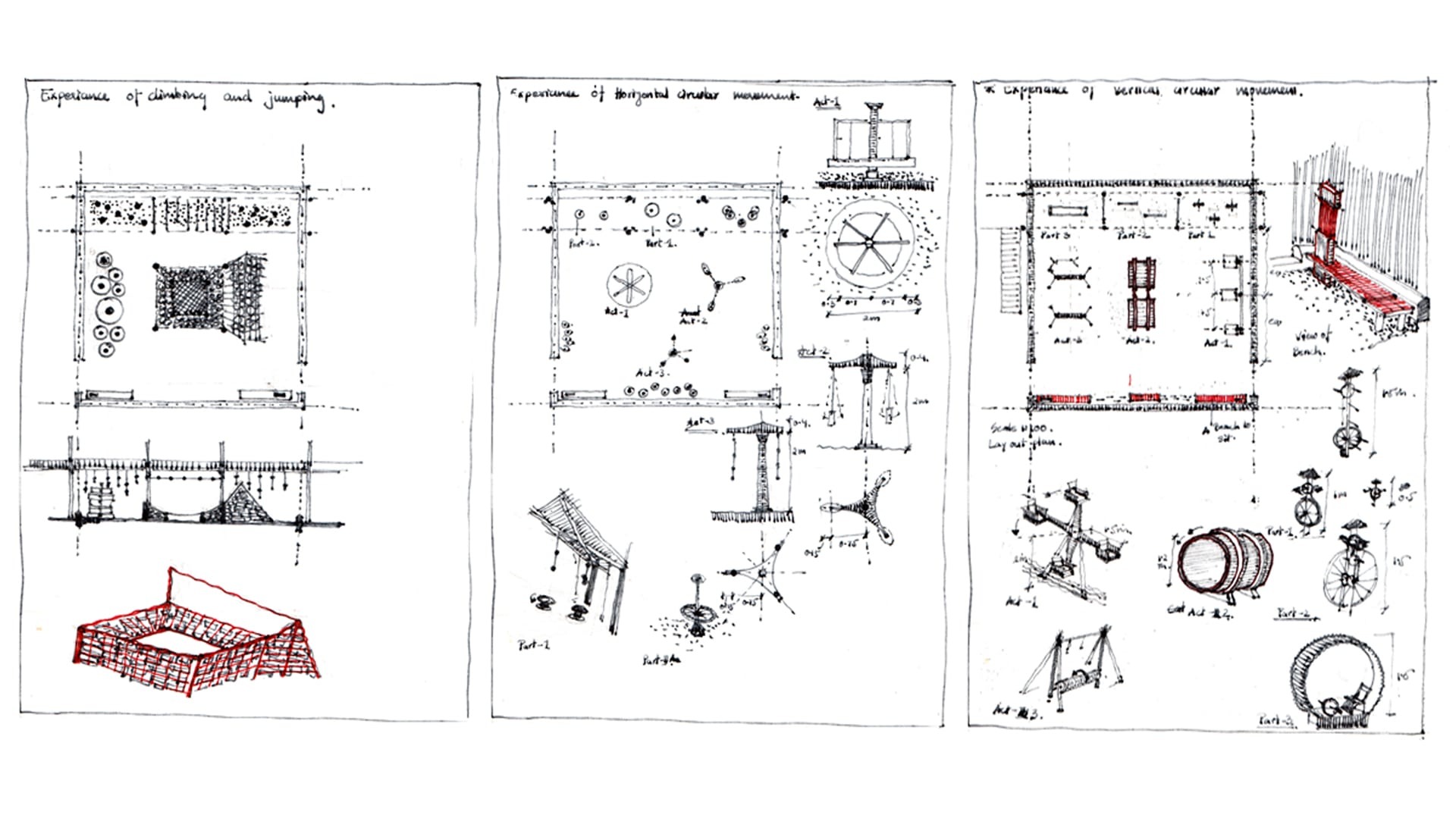
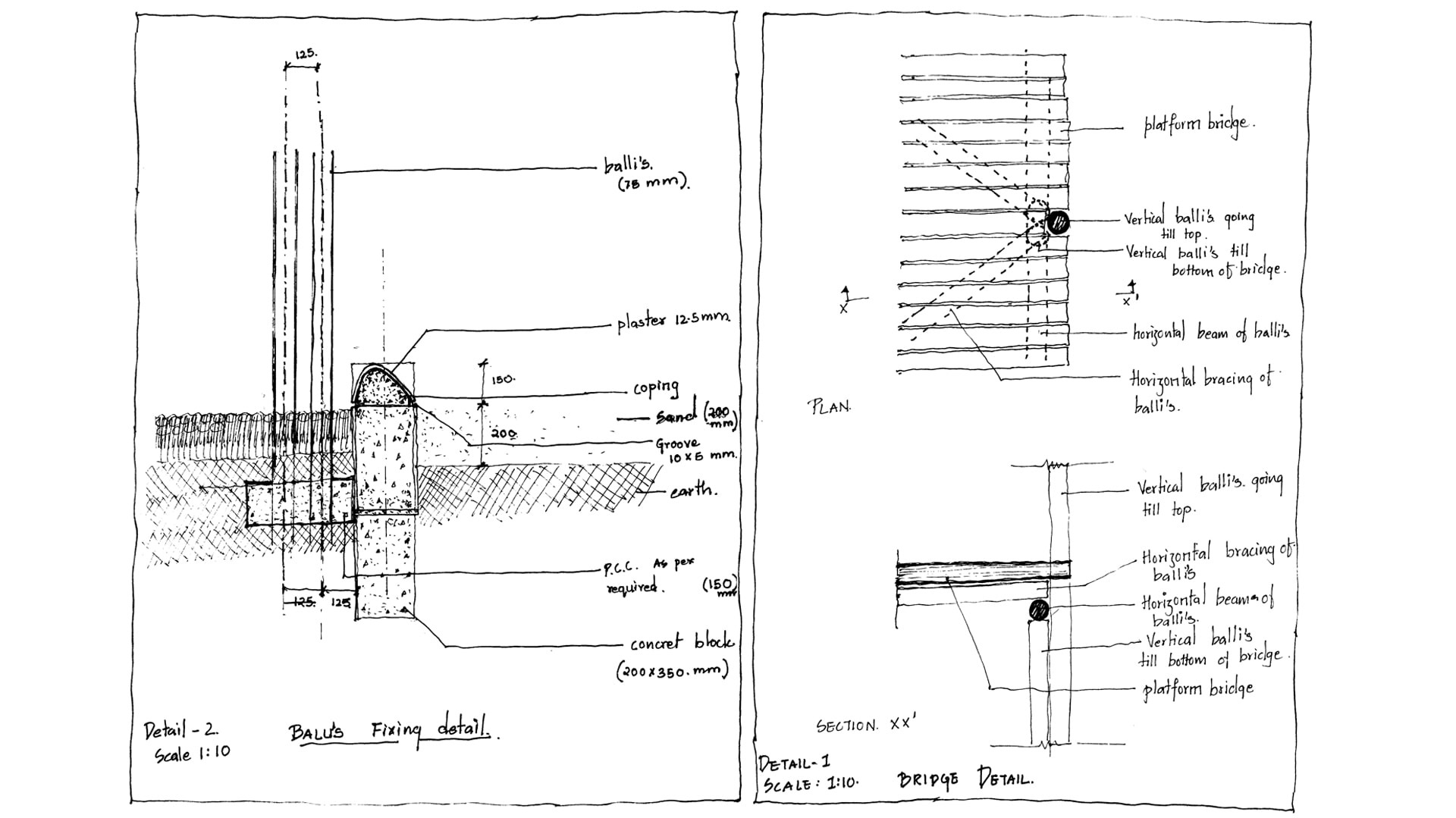
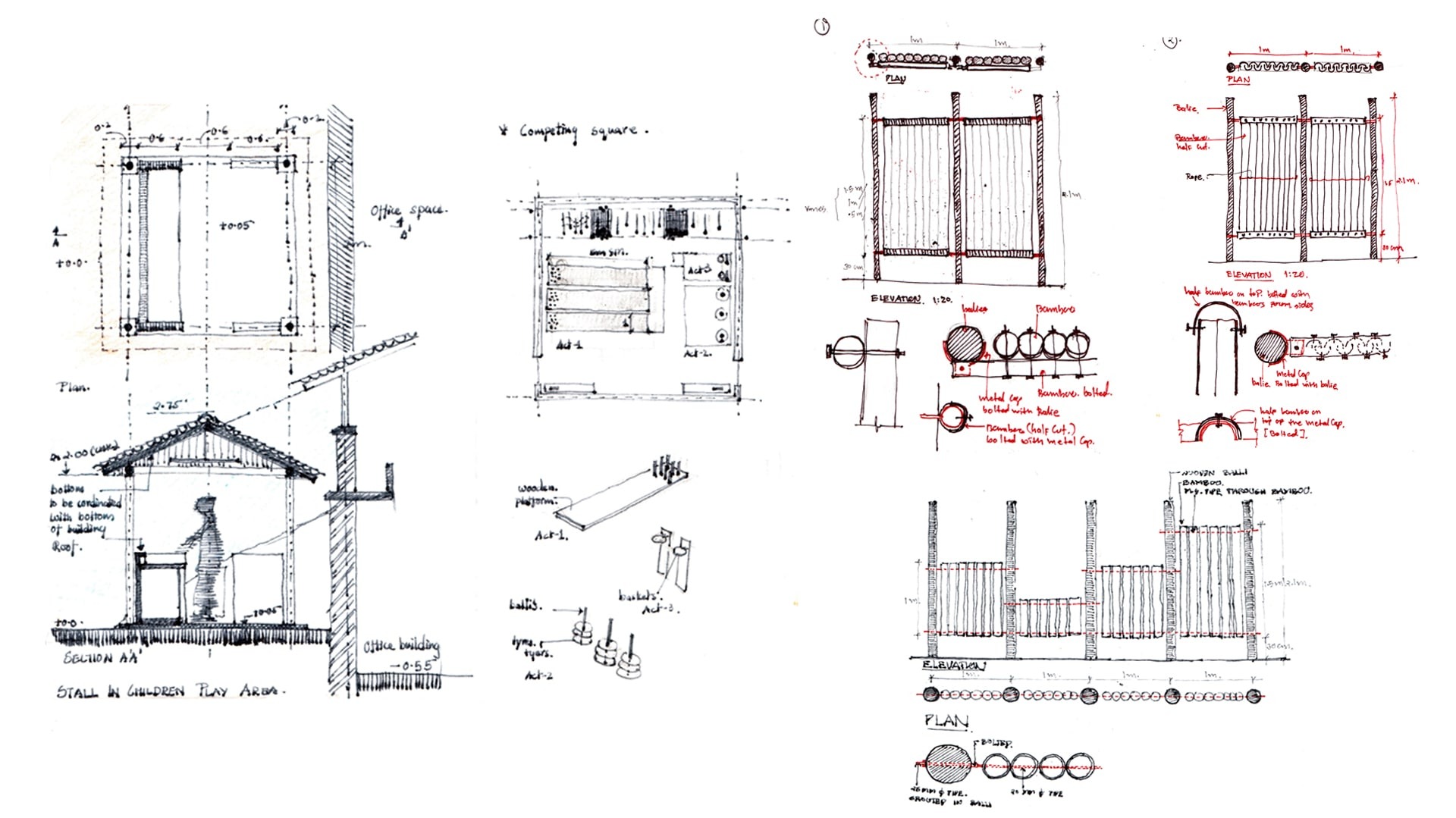
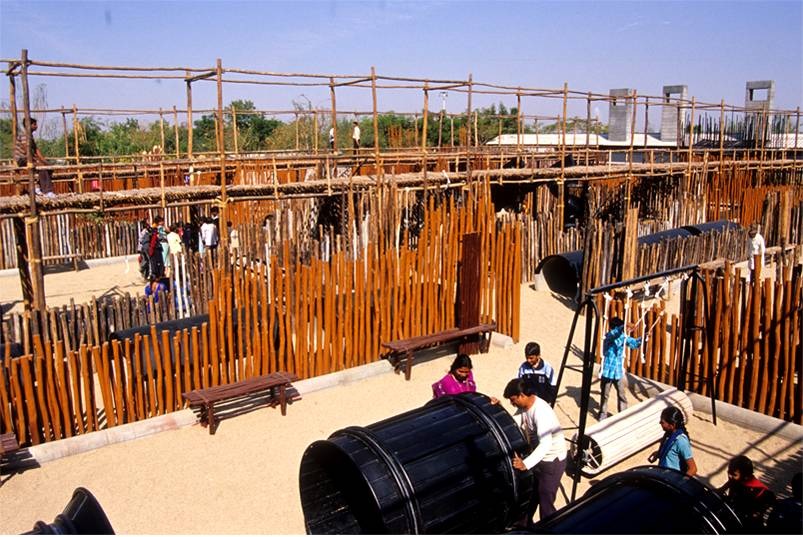
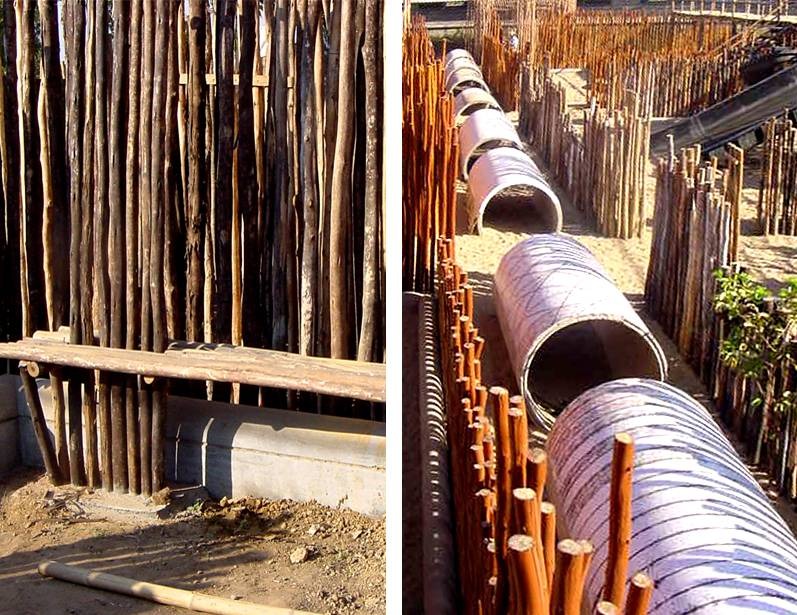
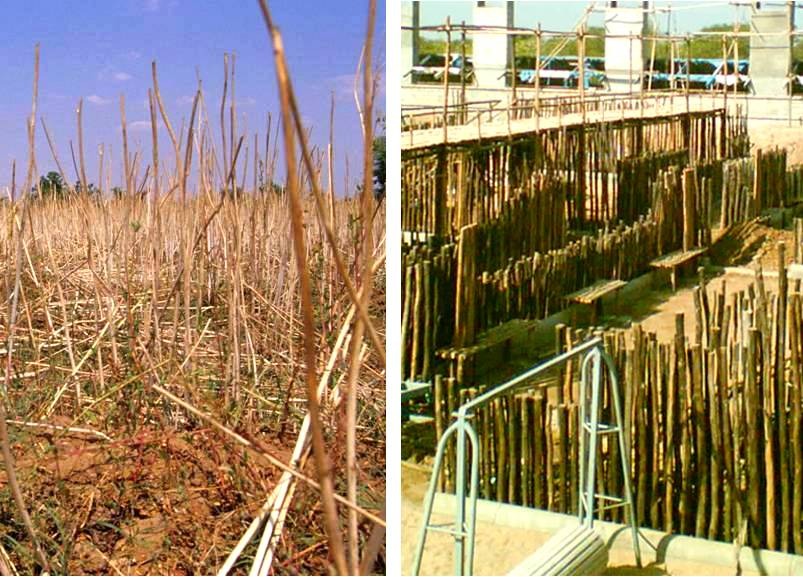
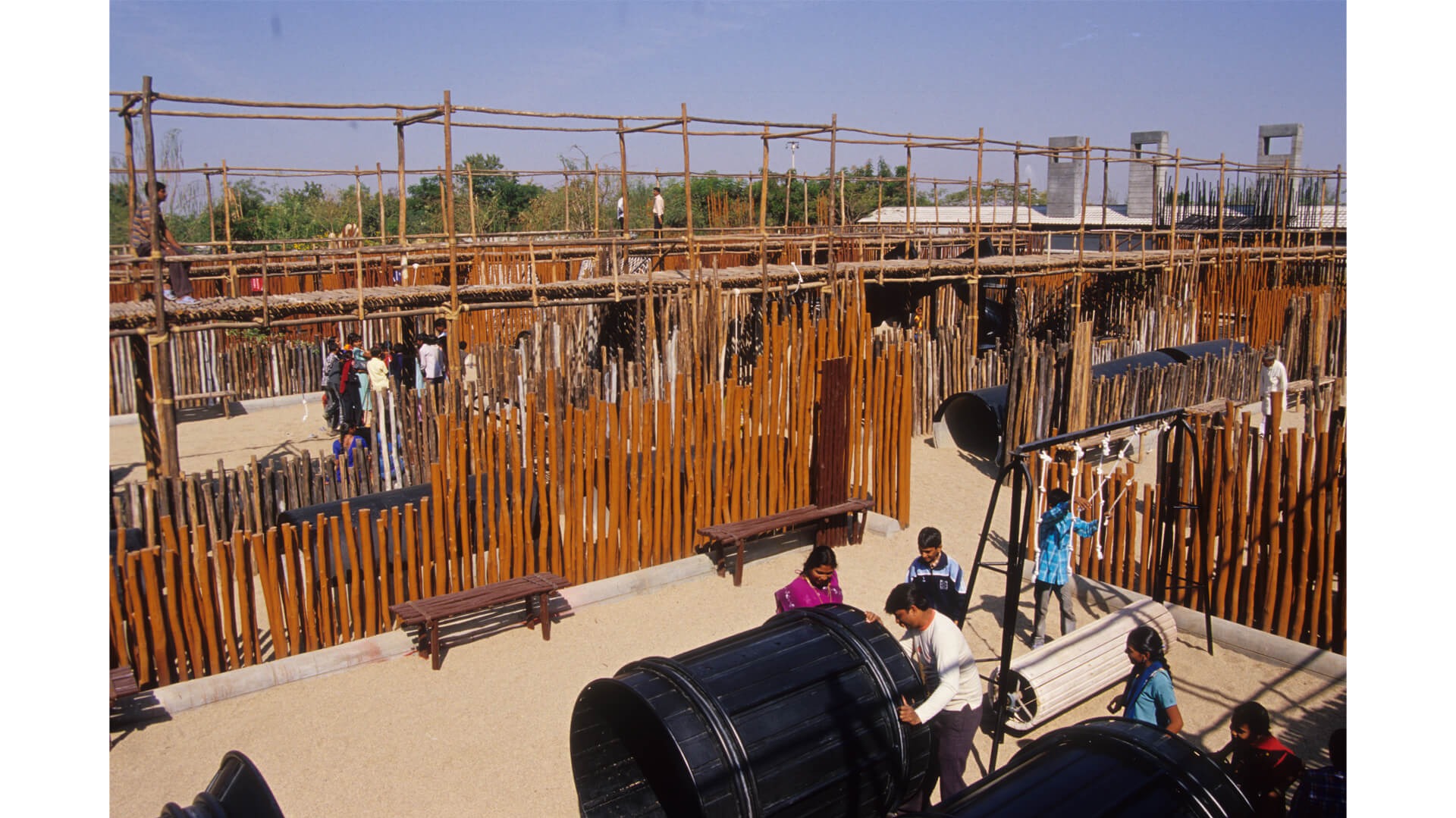
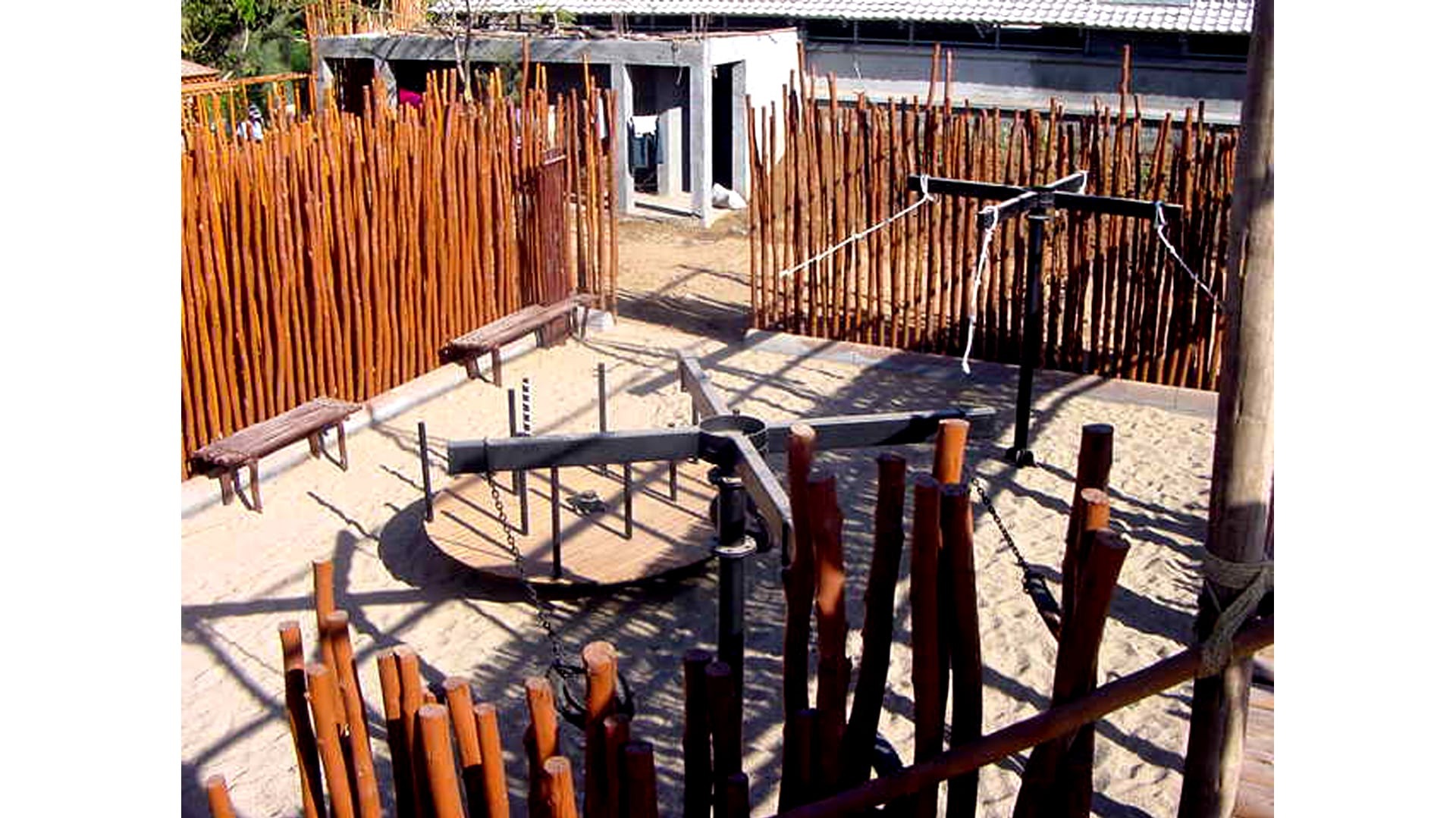
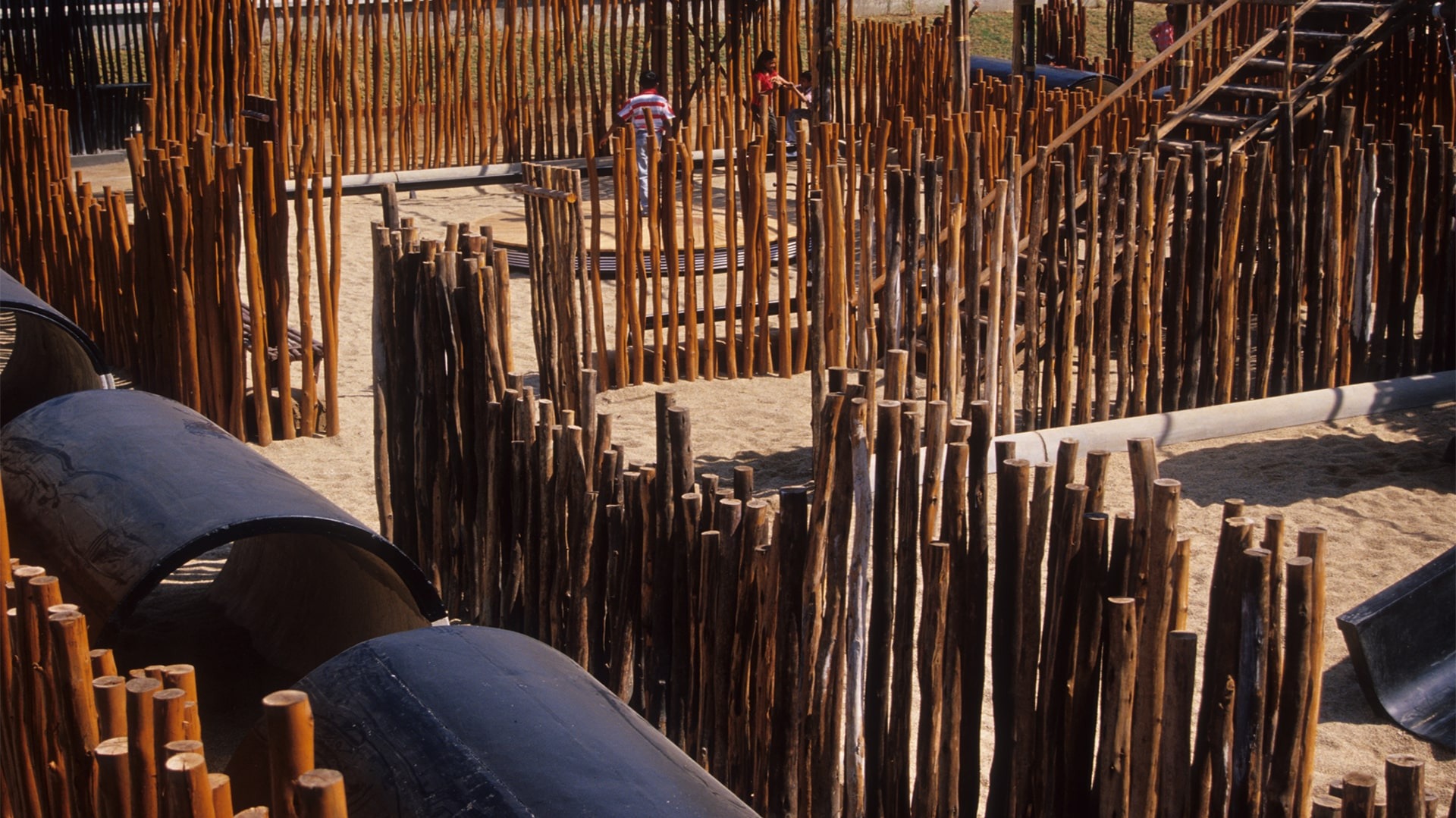
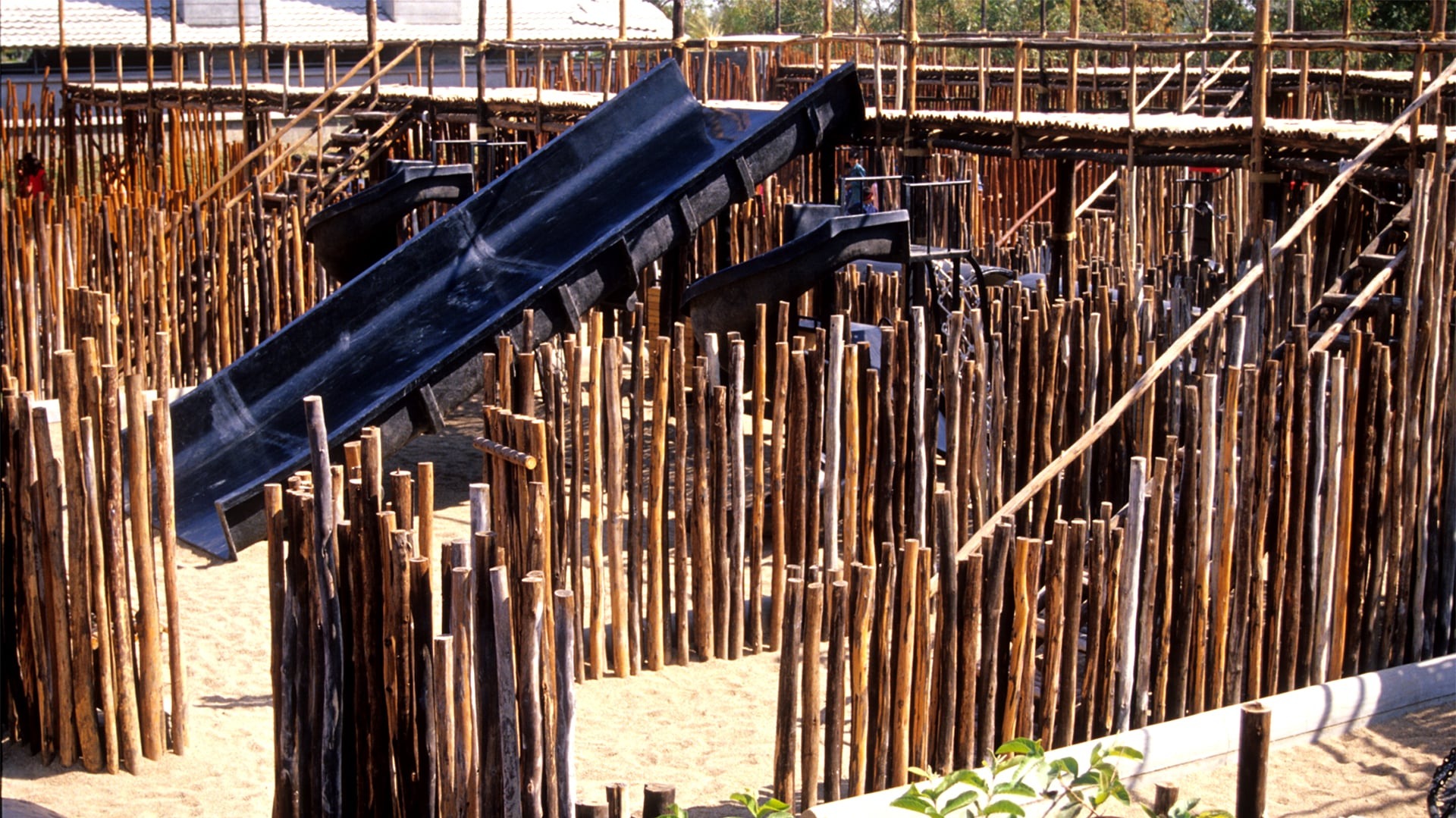
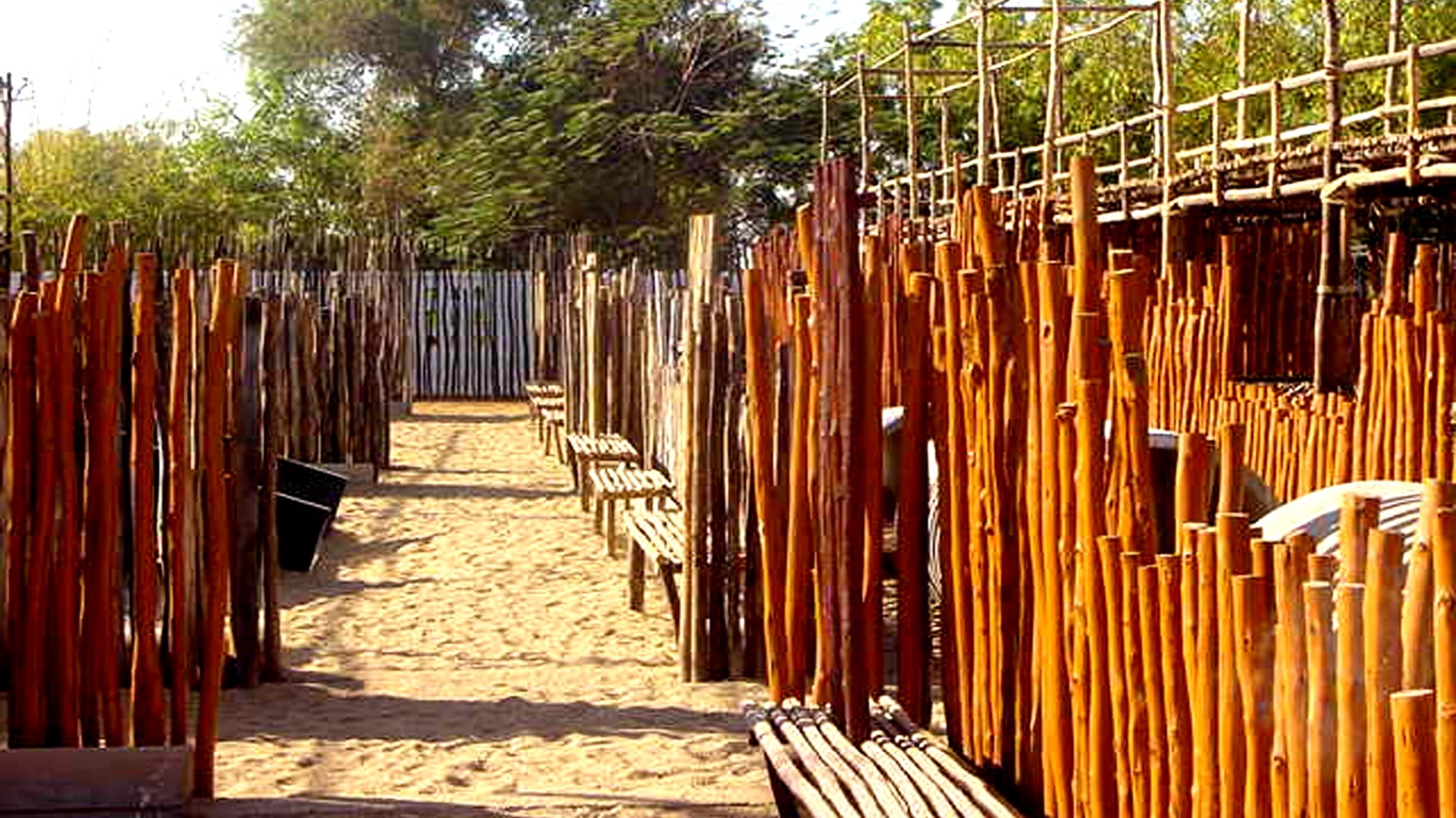
The play space that the studio designed reused materials - including scaffolding timber and other construction waste. 

Landscape India Project Image

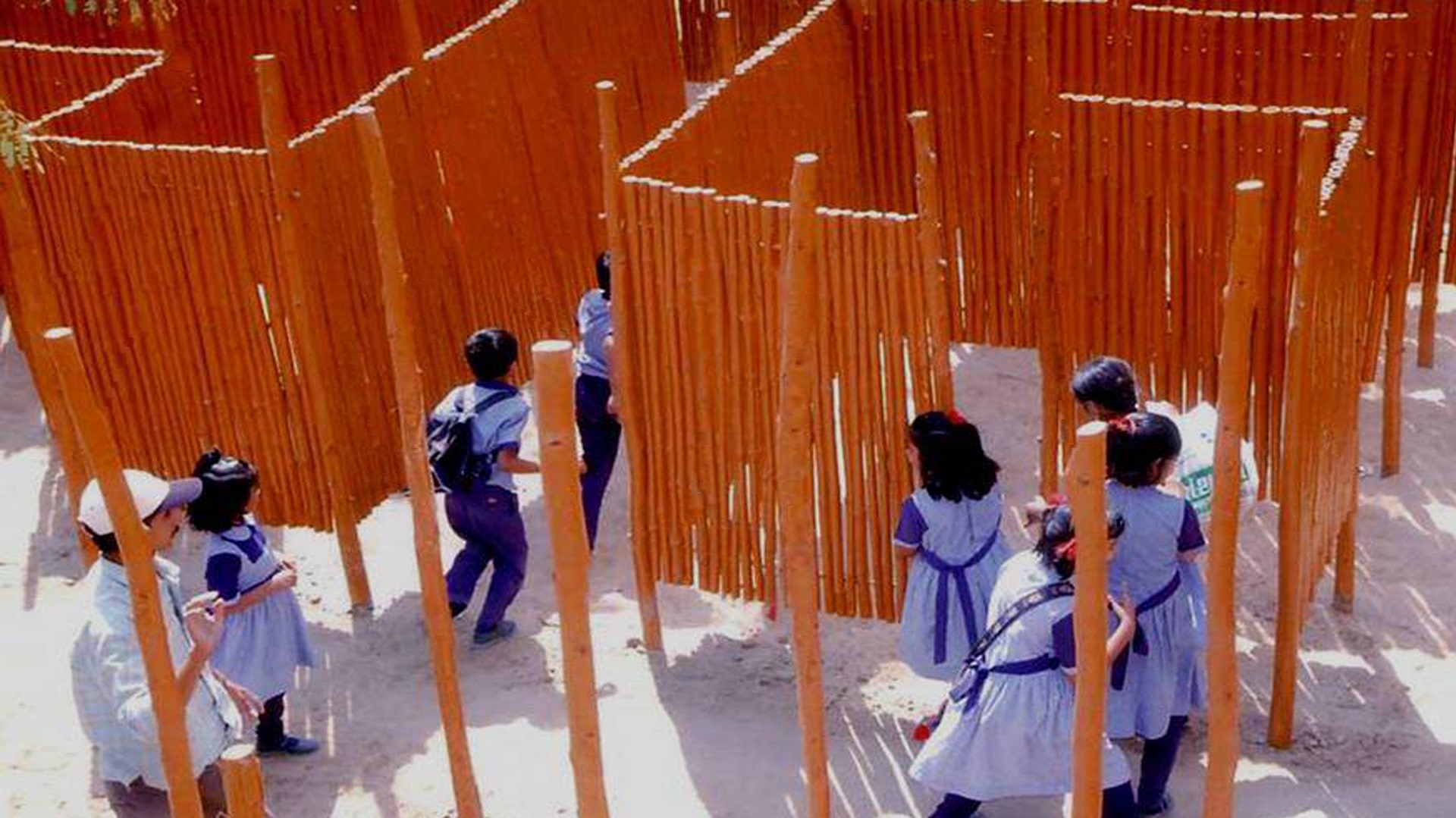
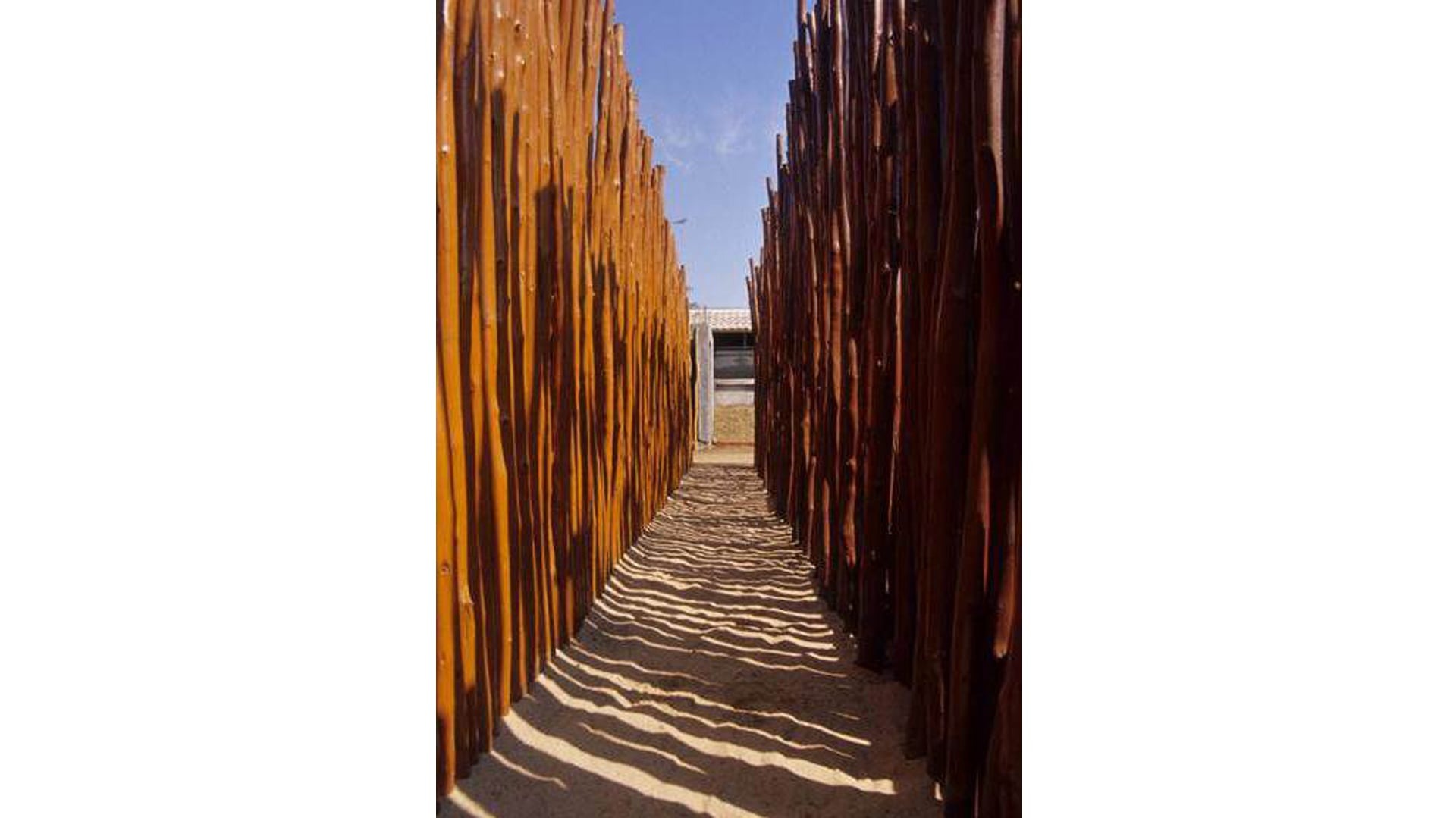
The overall form seems to emulate that of the crop that grew around the grounds.

It is a space that has been designed for expression, creativity, and development

Landscape India Project Slide 1
Landscape India Project Slide 2
Landscape India Project Slide 3
Landscape India Project Slide 4
Landscape India Project Slide 5
Landscape India Project Slide 6
Landscape India Project Slide 7
Landscape India Project Slide 8
Landscape India Project Slide 9
Previous
Next

Continue Reading

RED BRICKS SCHOOL
Project

RED BRICKS SCHOOL

NIRMAL BHARTIA SCHOOL
Project

NIRMAL BHARTIA SCHOOL