Landscape India LogoLandscape India Logo
  • Home
  • Projects
  • Studio
  • Publication
    BlogsColumns / MediaMisc
  • Career
  • Contact
Leaf IndiaPBB PlantsResource Centre
Navigation Preview

© 2026 landscape India. All rights reserved.

  • Instagram
  • Facebook
  • LinkedIn
  • Youtube
Footer LogoFooter Logo
HomeProjectsStudioPublicationsCareersContact
InstagramFacebookLinkedInYoutube

Get In Touch

501, South Tower, One 42, Behind Ashok Vatika, Bopal Ambli Road, Ahmedabad-380058

pbb-ahm@landscapeindia.net

+91 79269 23054

Unit No. 424, Prabhadevi Unique Industrial Estate Coop Hsg Soc Off Veer Savarkar Marg Prabhadevi, Mumbai- 400025

pbb-mum@landscapeindia.net

+91 22243 60100

© 2026 landscape India. All rights reserved.

InstagramFacebookLinkedInYoutube

Powered by:

Salt Pixels

GARDENS OF HARMANDIR SAHIB

“What is the role that you assign to a garden that is located within a sacrosanct precinct?”

Landscape India Project Image 1

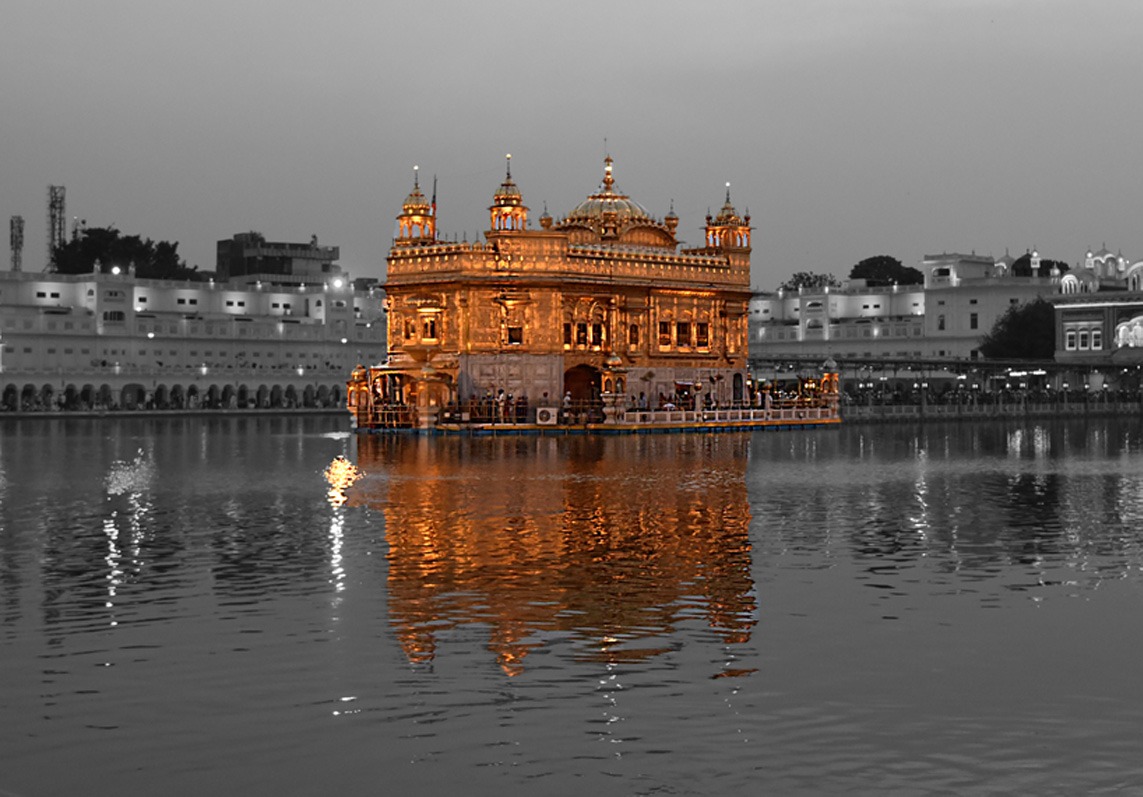
Harmandir Sahib; the Golden Temple. In Amritsar, it sits as a testament to one of the most unique religions in the world; it is the epitome of Sikhism. A monotheistic religion, it has incorporated in its teachings lessons from other religions – Hinduism, Islam, Christianity – that it finds value in. This has made its religious text – the Guru Granth Sahib – the only one in the world to do so.

Landscape India Project Image 1
Location
Amritsar
Typology
Religious Garden
Site area
6500 m2

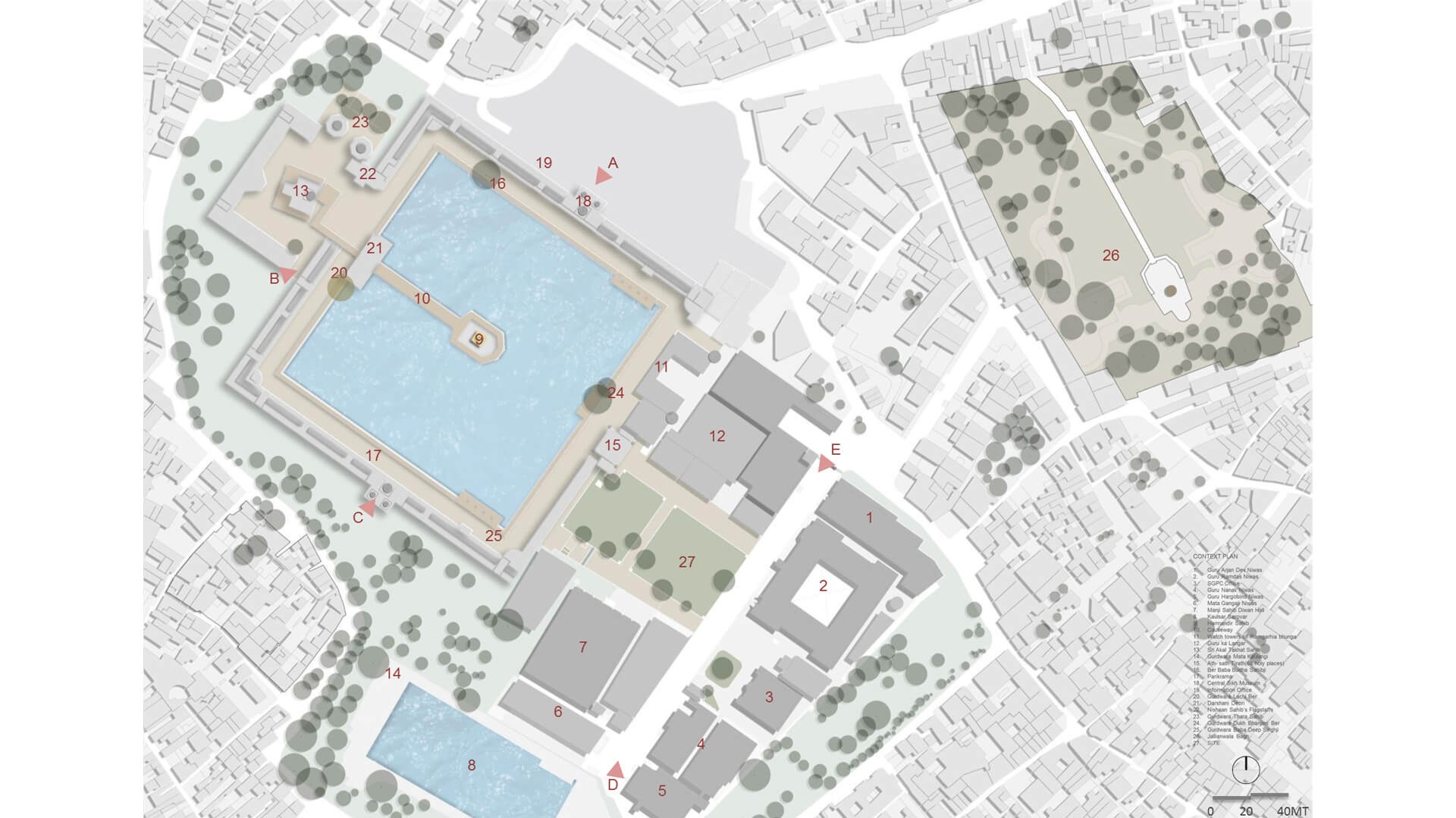
Harmandir Sahib, as a monument, has a rich history of its own; it is the monument around which an entire religion, followed by approximately 0.4% of the world, has developed. It has become an embodiment of the values of Sikhism – those of compassion, community and equality. Elements of the temple – the causeway, the four entries and exits and the Amrit Sarovar (water tank)– become tangible representations of the same. Unlike most places of worship that are designed for the devotee to ascend, Harmandir Sahib requires the devotees to climb down - symbolizing humility. 

Landscape India Project Slide 1
Landscape India Project Slide 2
Landscape India Project Slide 3
Landscape India Project Slide 4
Landscape India Project Slide 5
Landscape India Project Slide 6
Landscape India Project Slide 7
Previous
Next

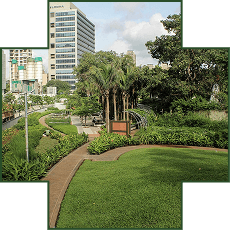
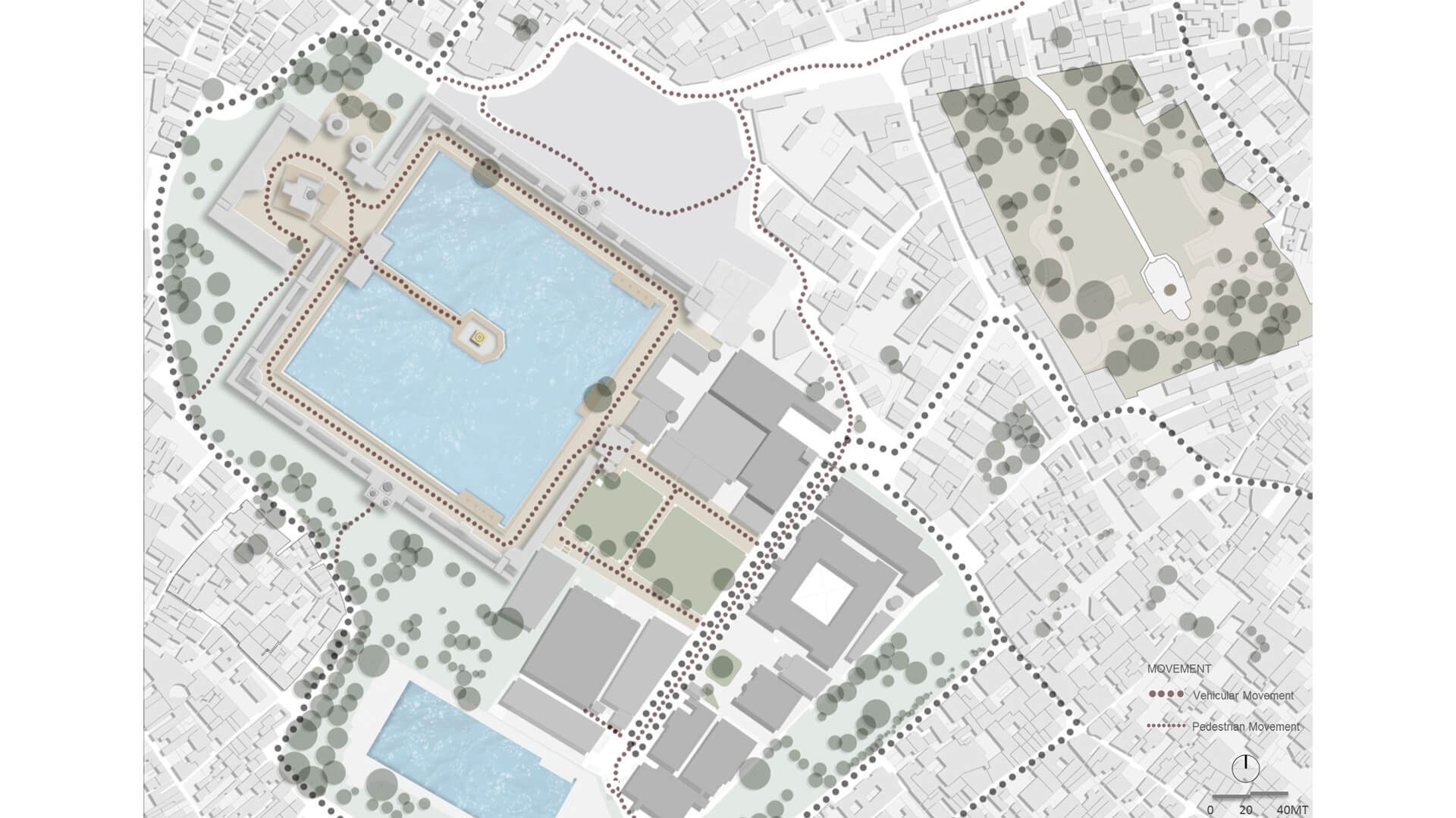
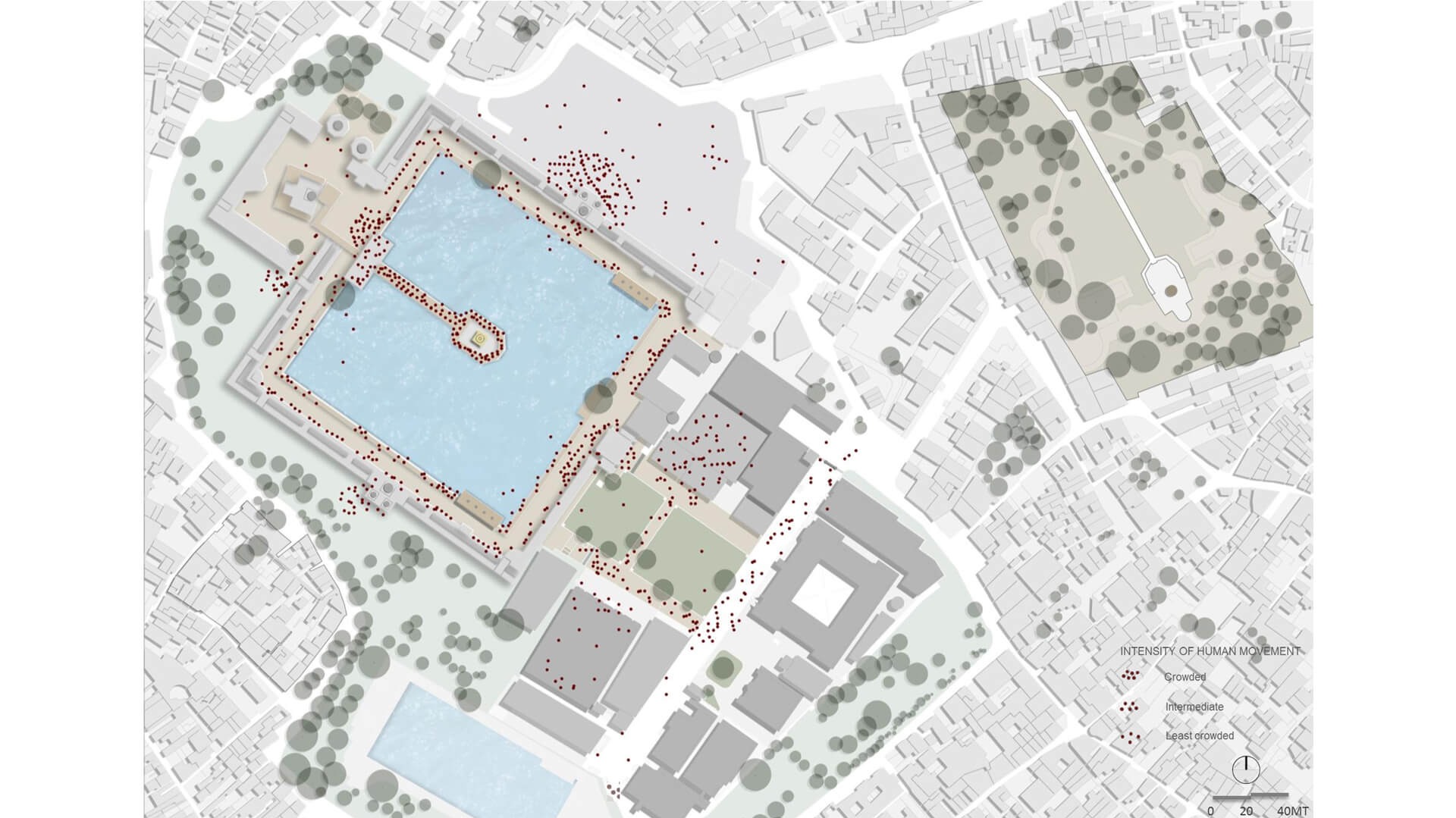
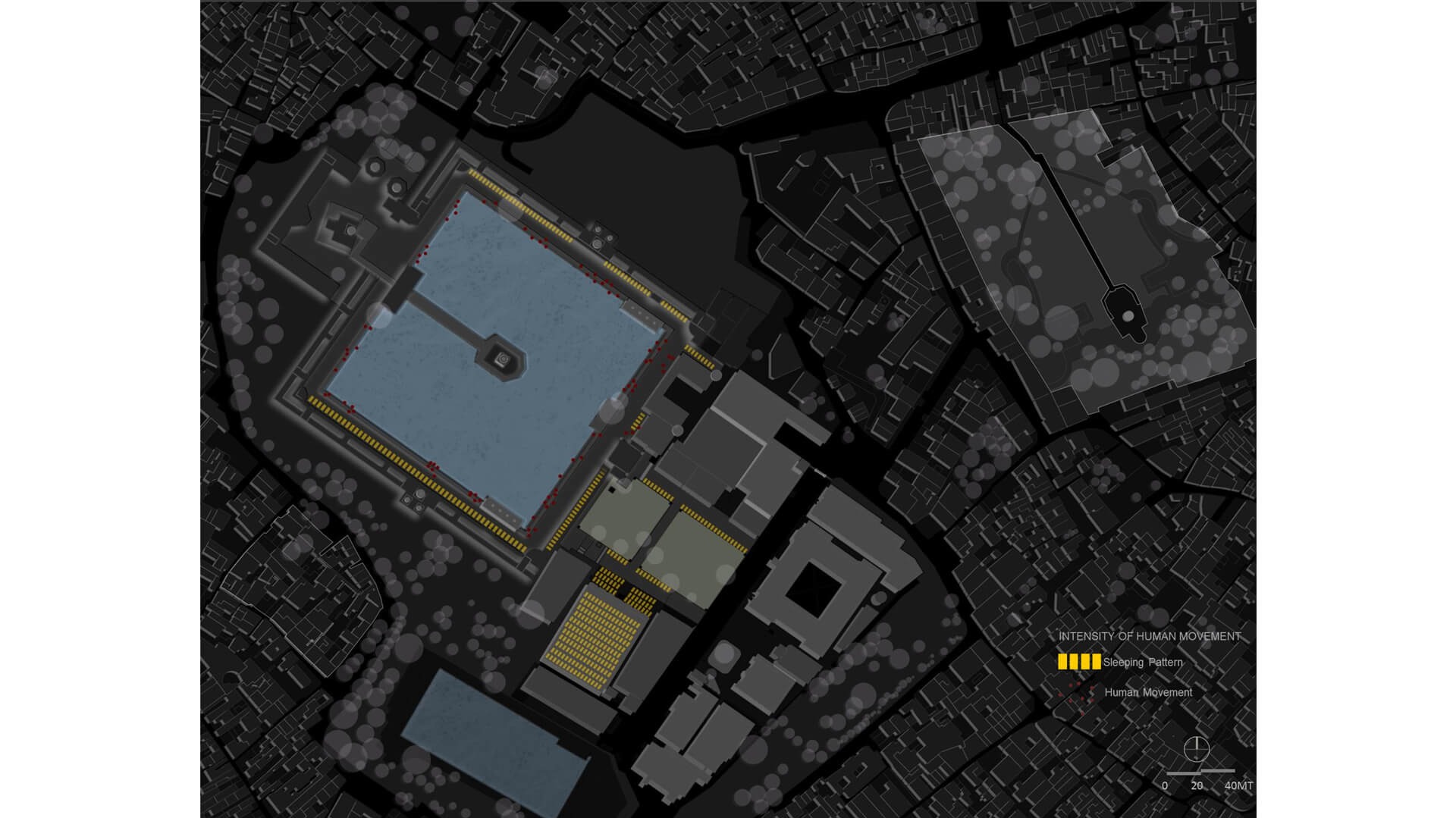
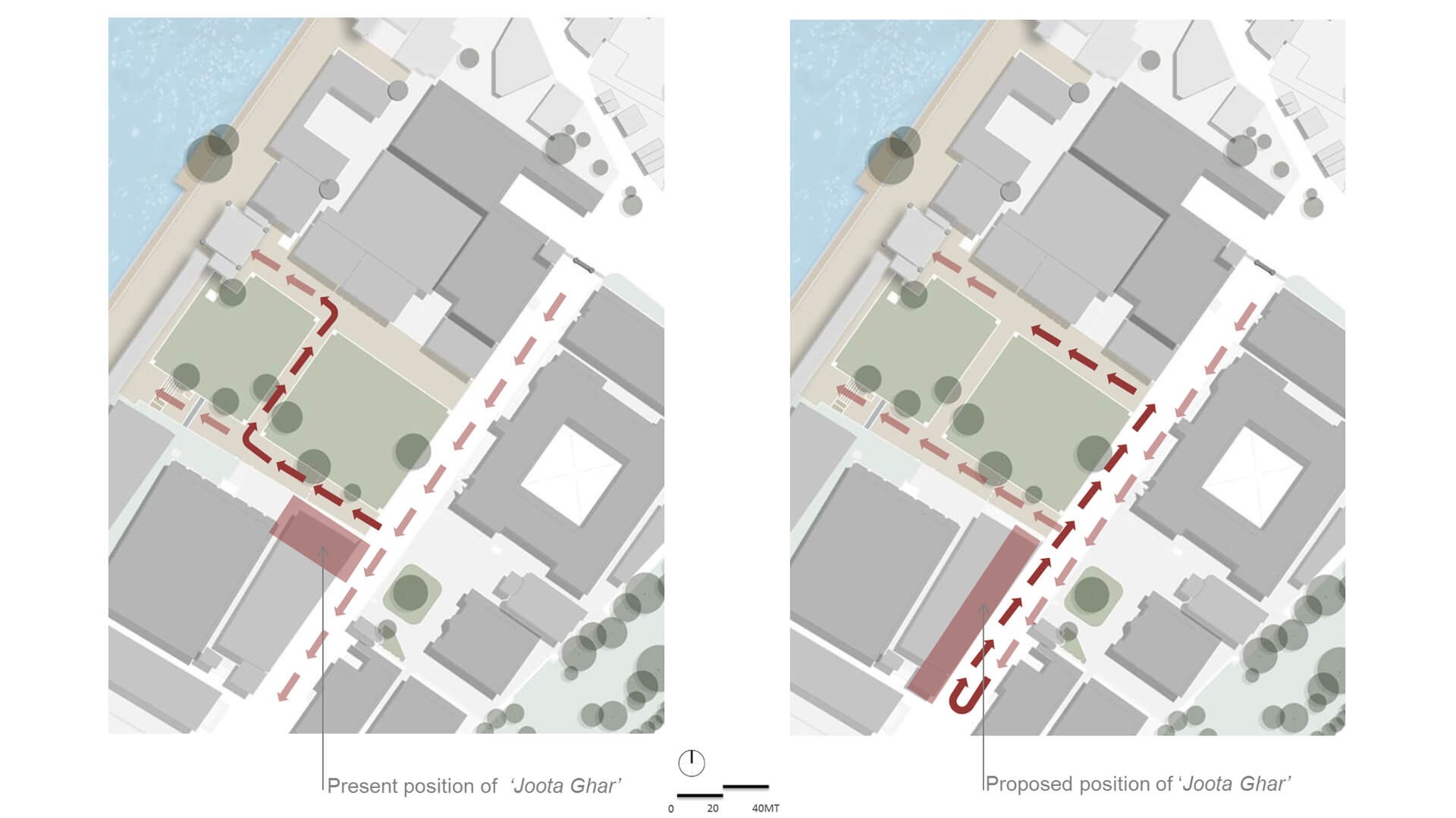
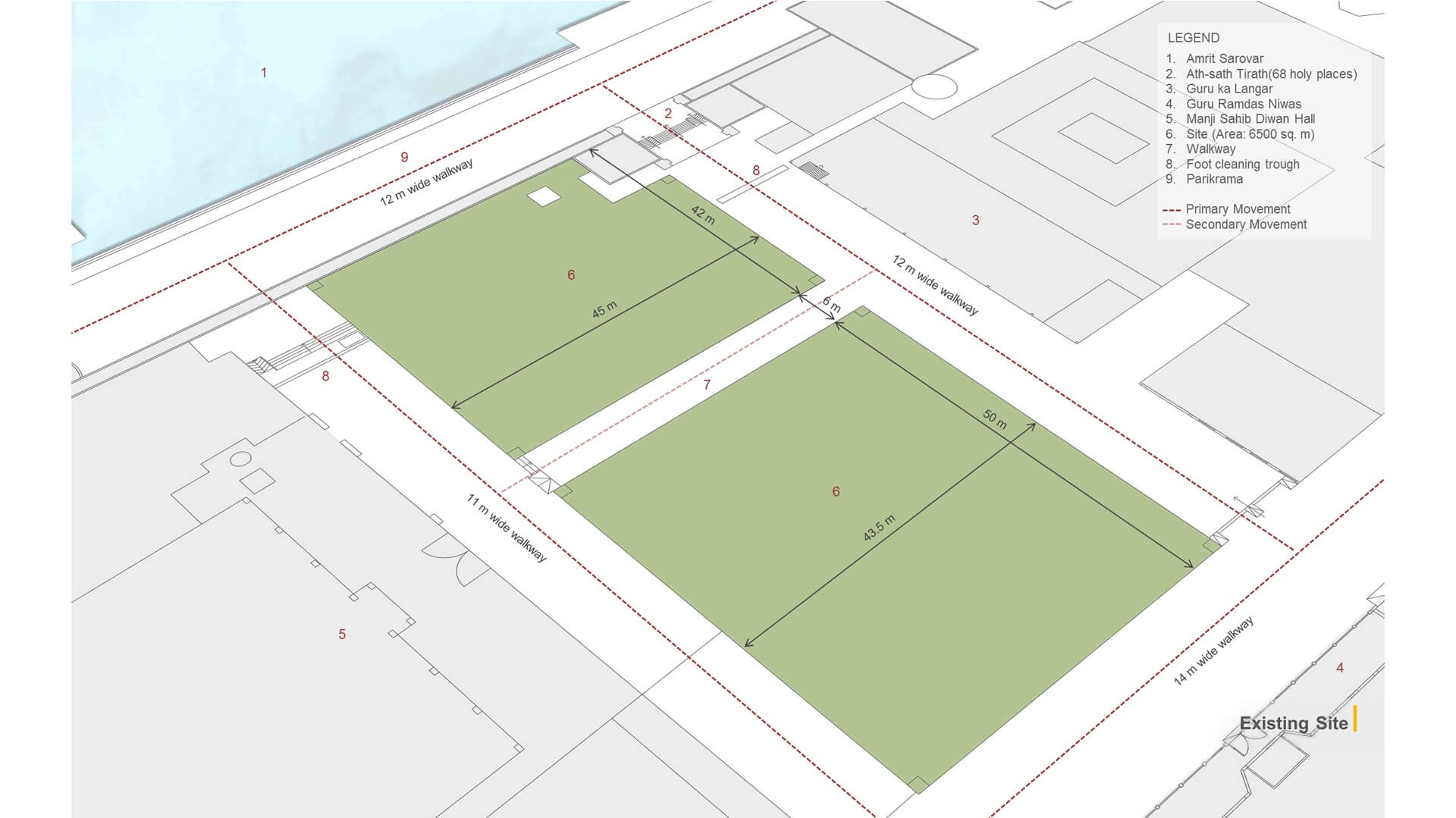
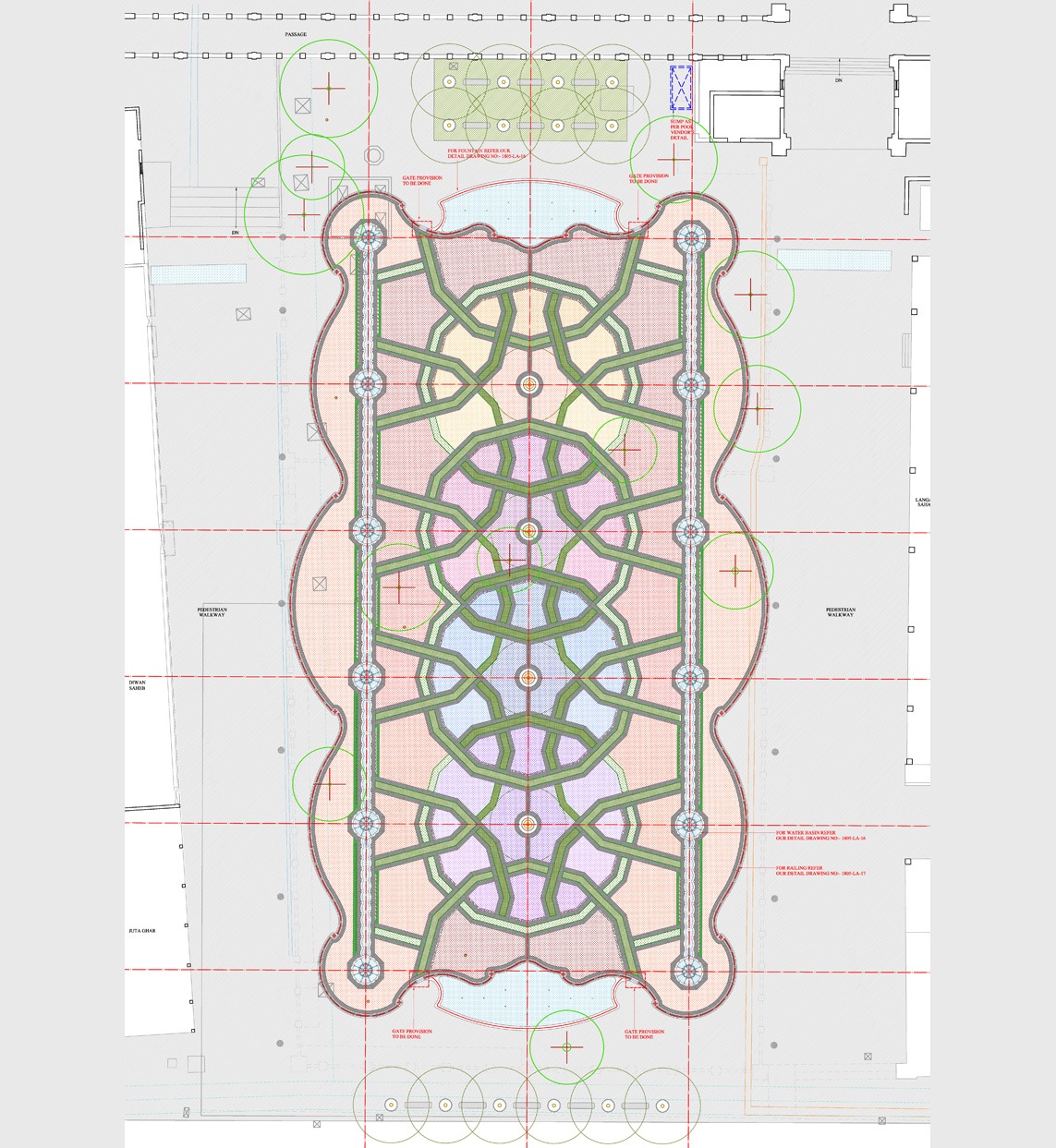
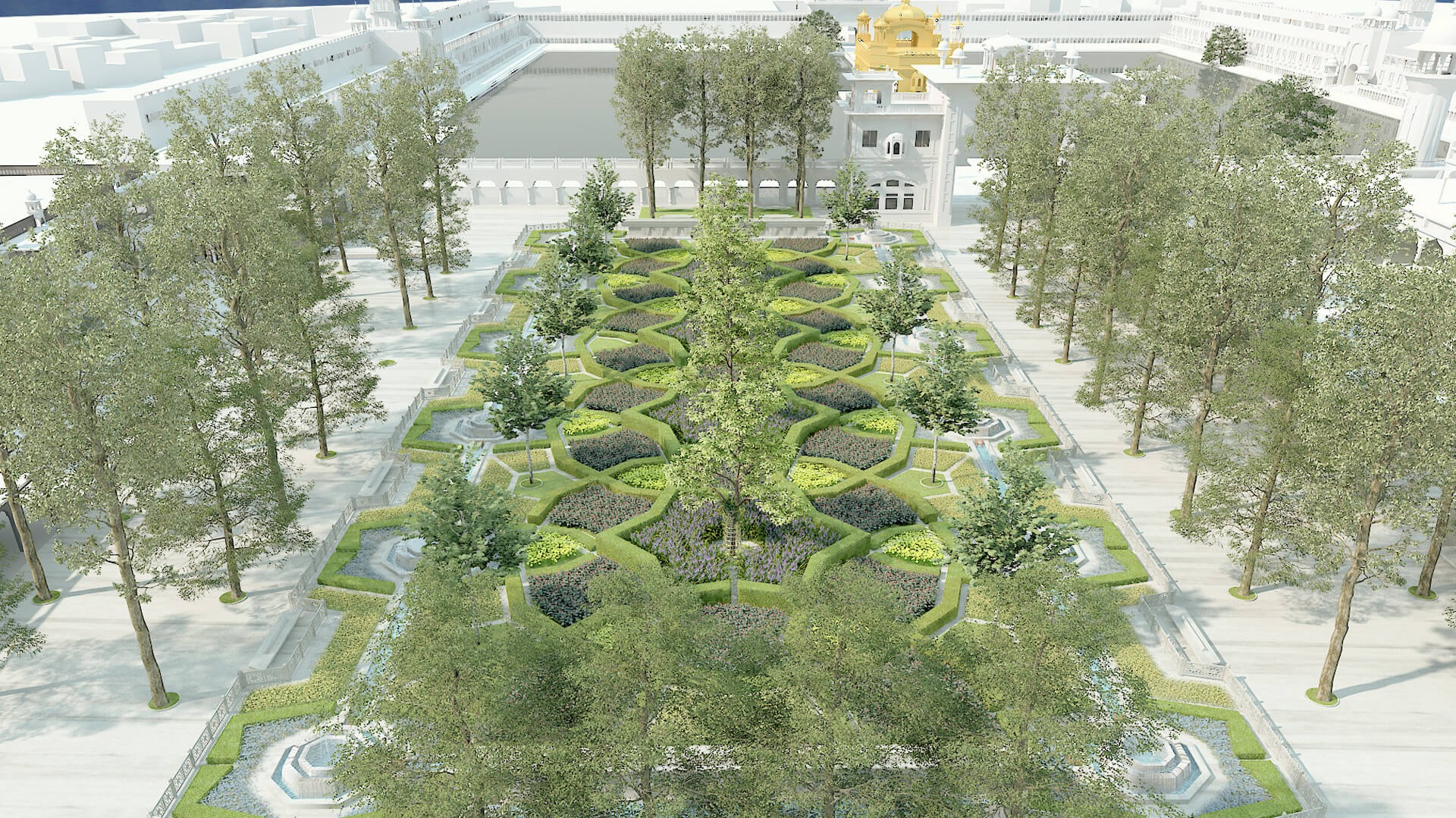
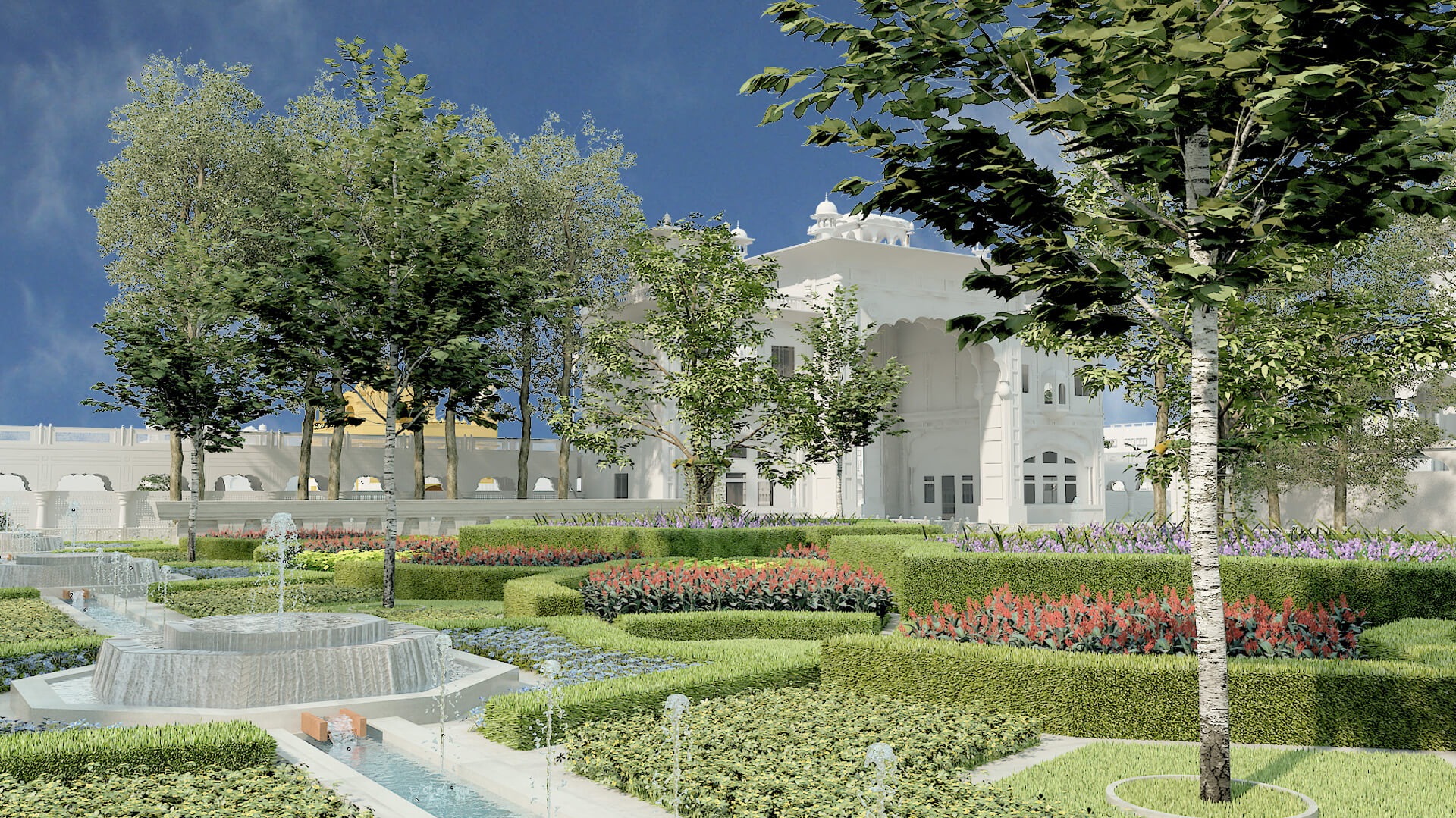
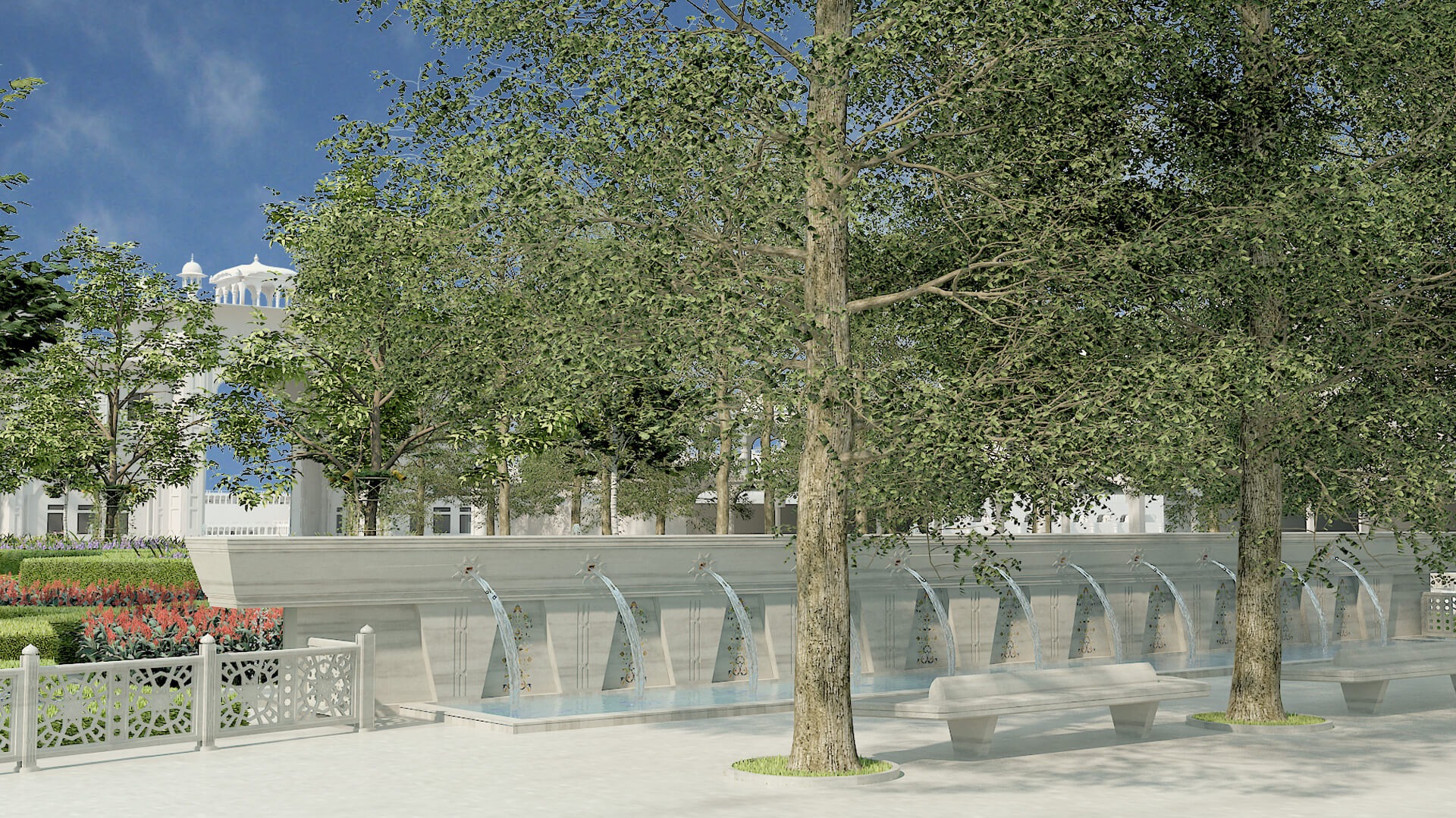
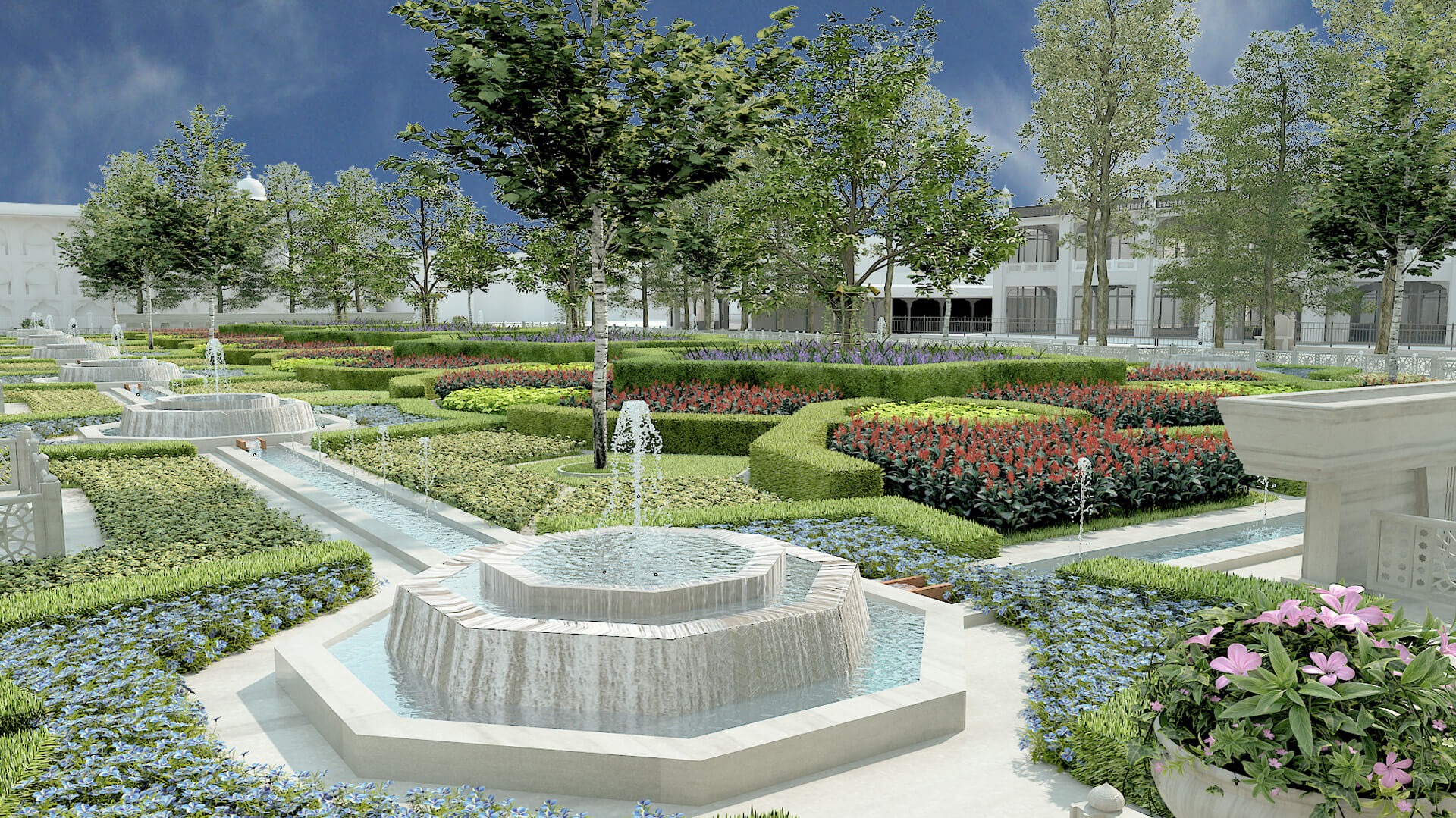
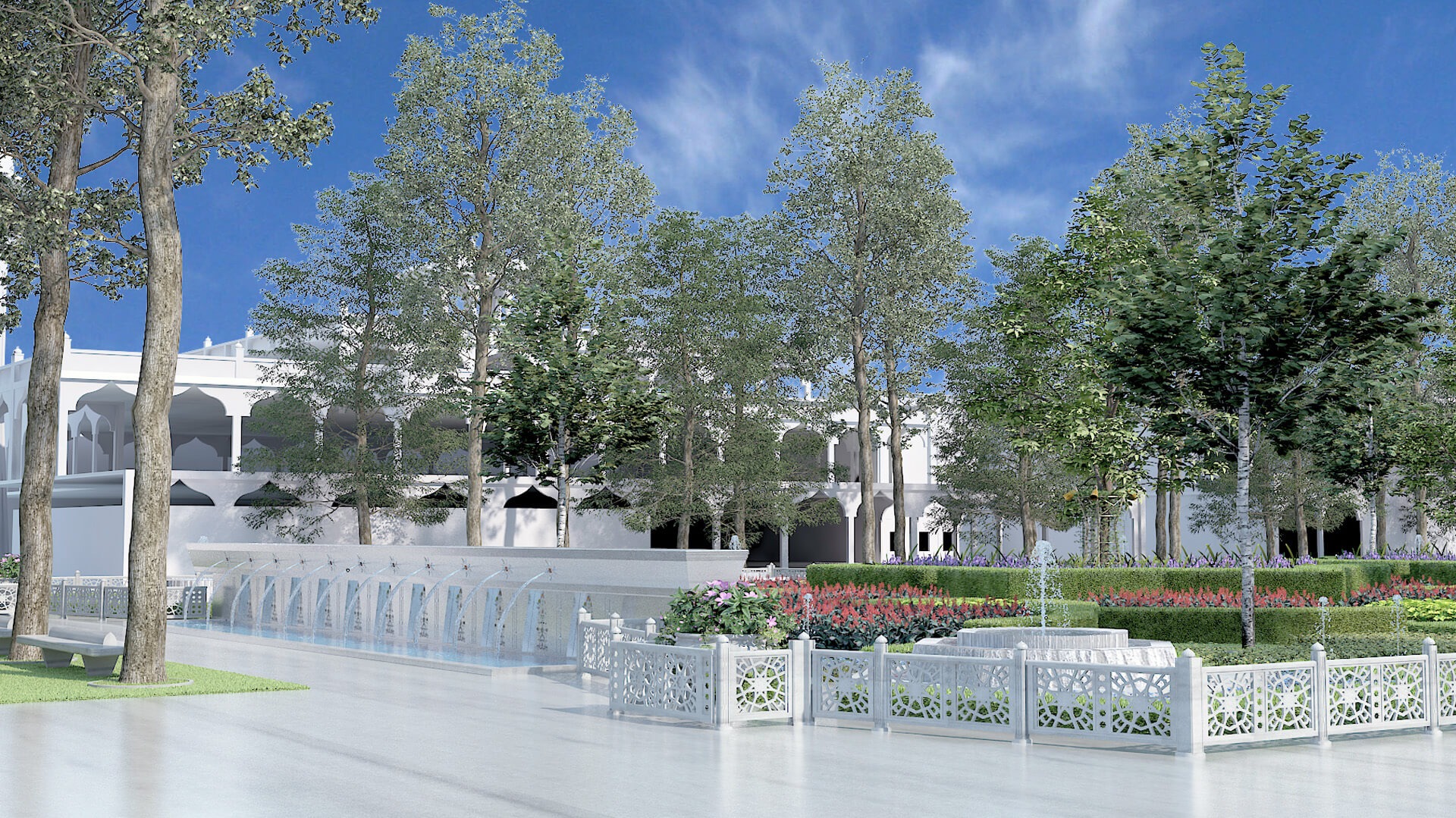
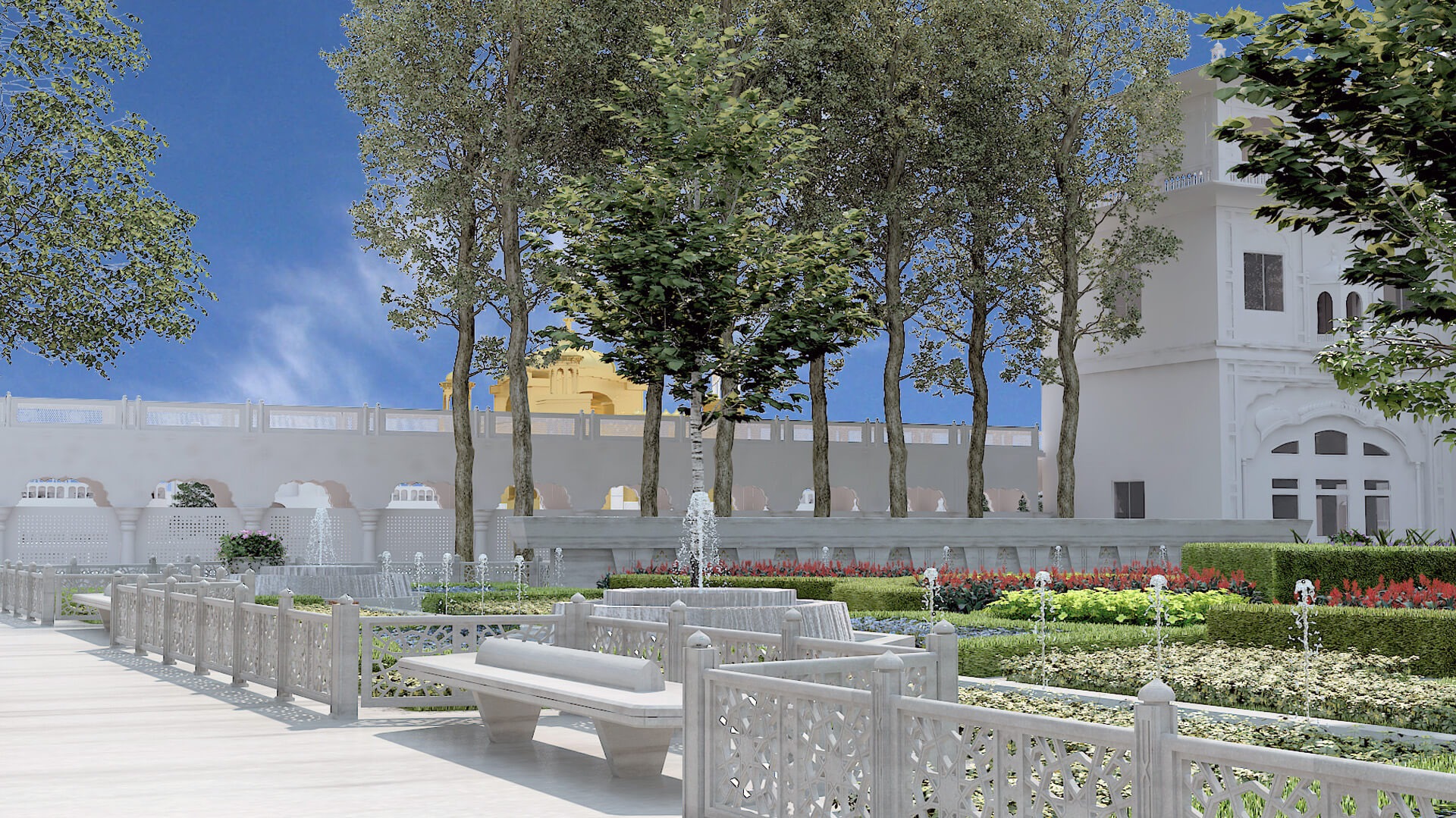
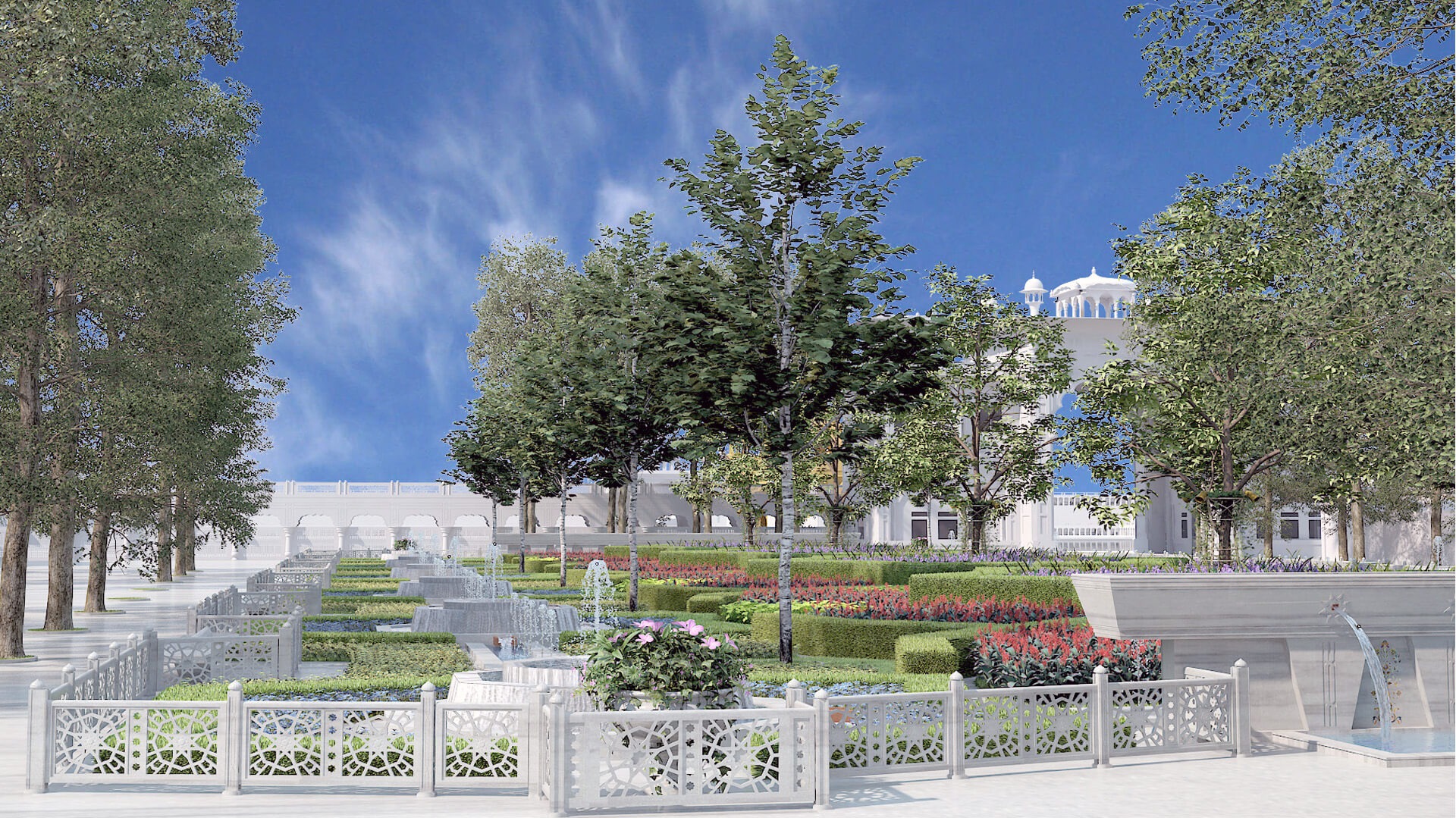
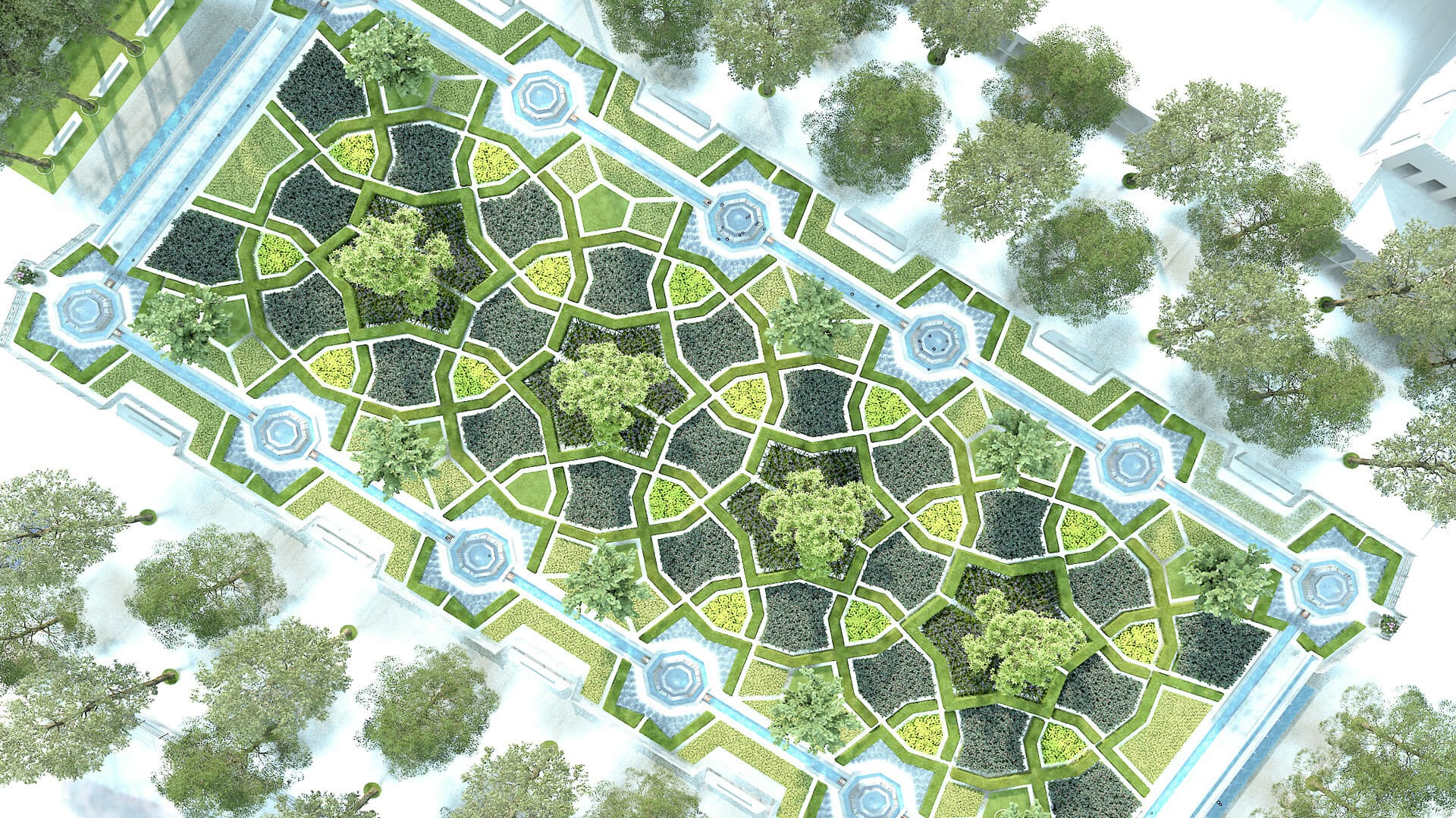
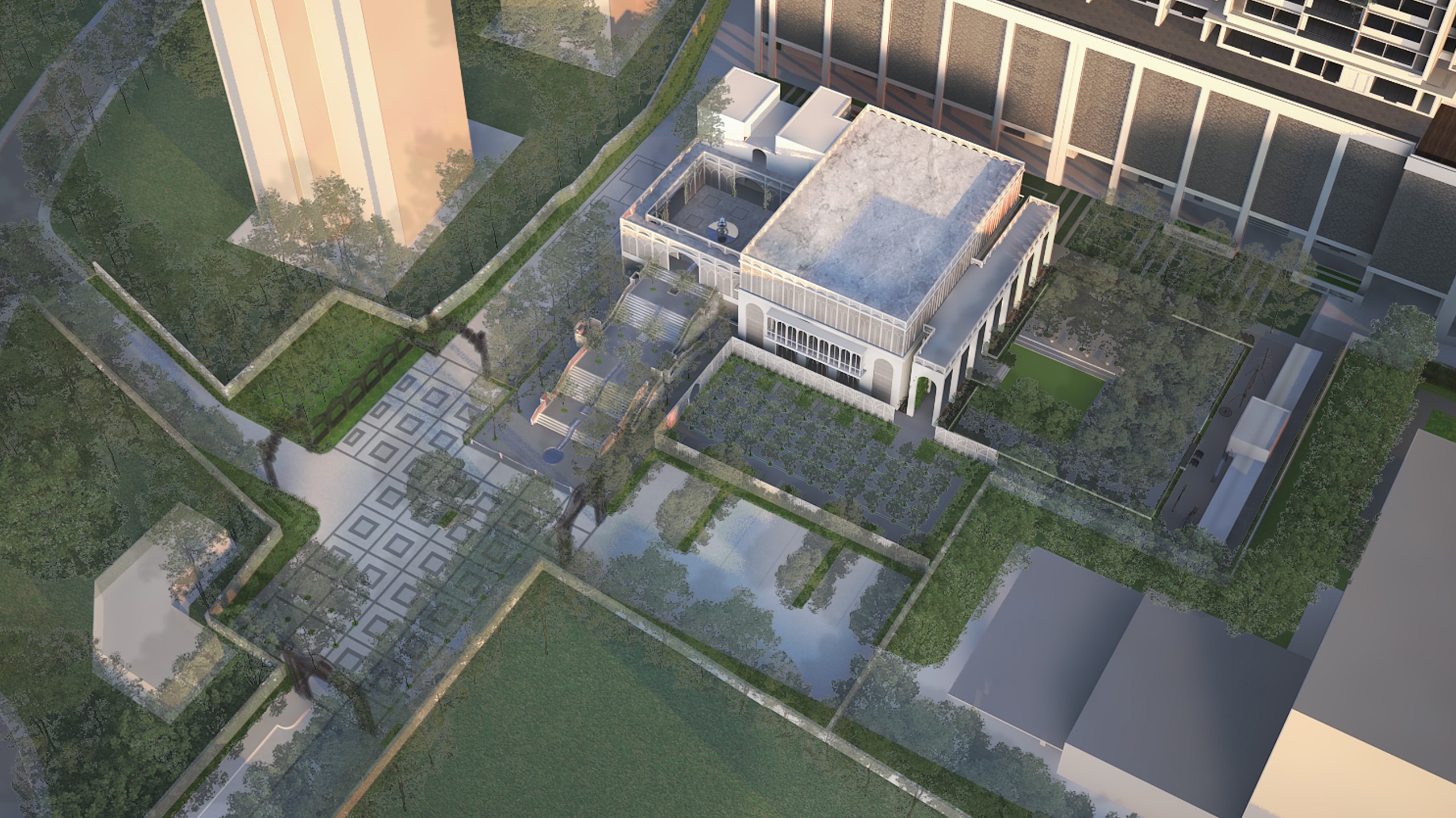
The garden is located between the Langar Sahib and the main place of worship. Much like the precinct of Harmandir Sahib, it was important that the garden embodied the idea of accessibility; it needed to become a space with the ability to provide multiple experiences. 

Landscape India Project Slide 1
Landscape India Project Slide 2
Landscape India Project Slide 3
Landscape India Project Slide 4
Landscape India Project Slide 5
Landscape India Project Slide 6
Previous
Next
Landscape India Project Image

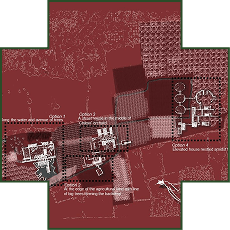
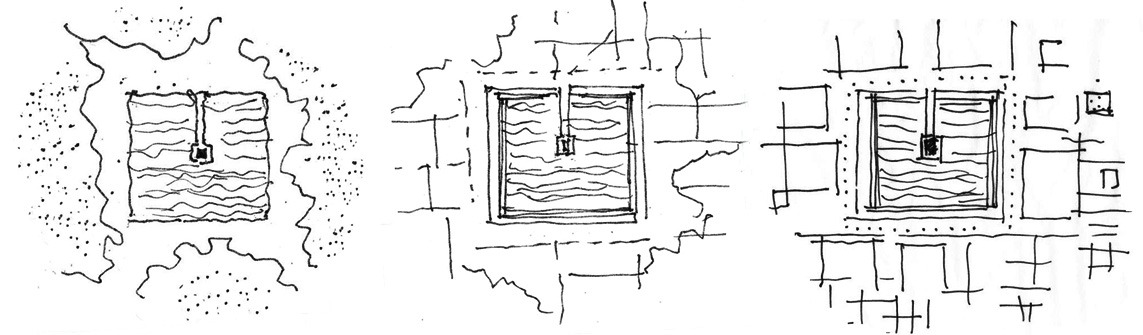
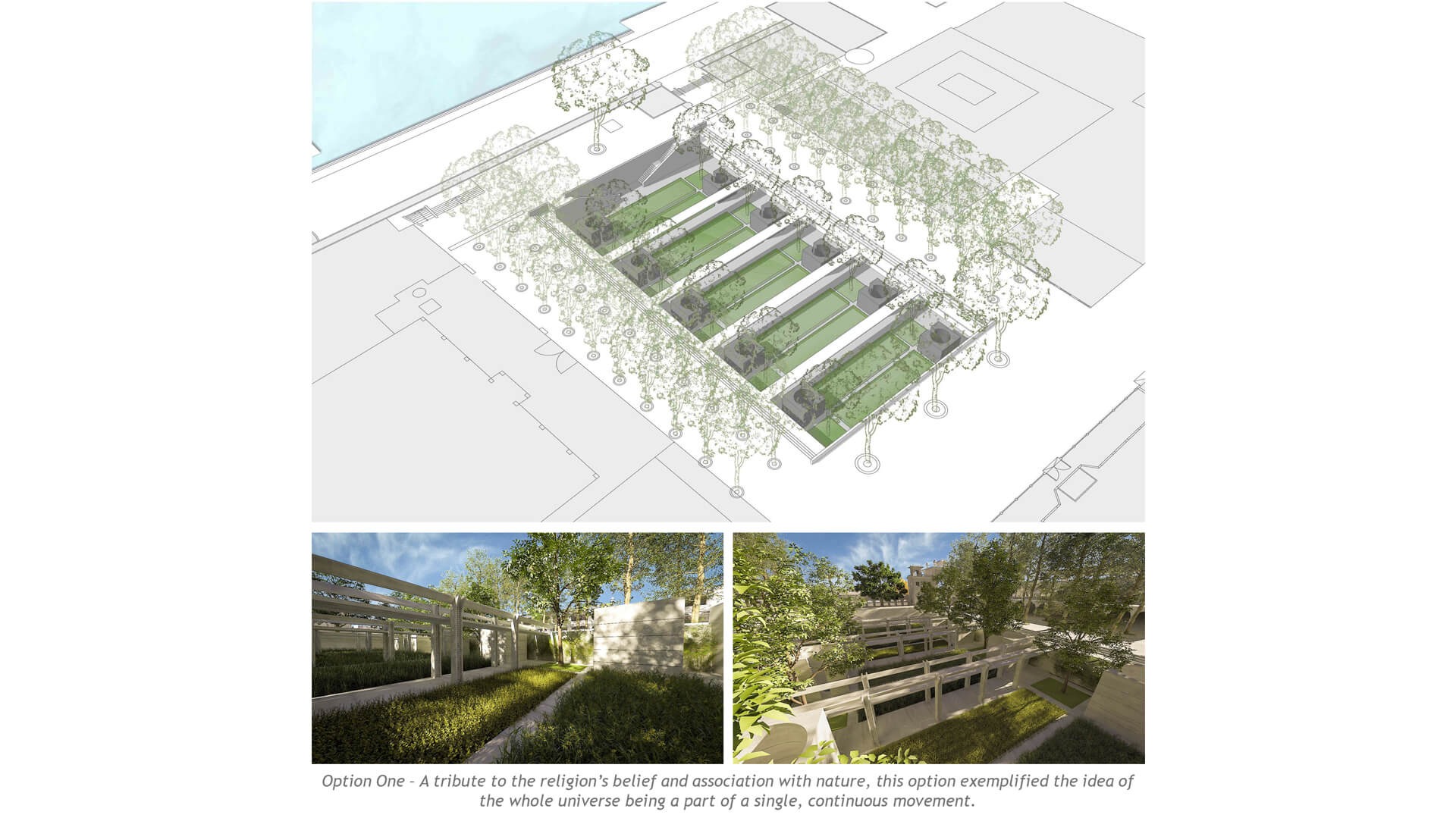
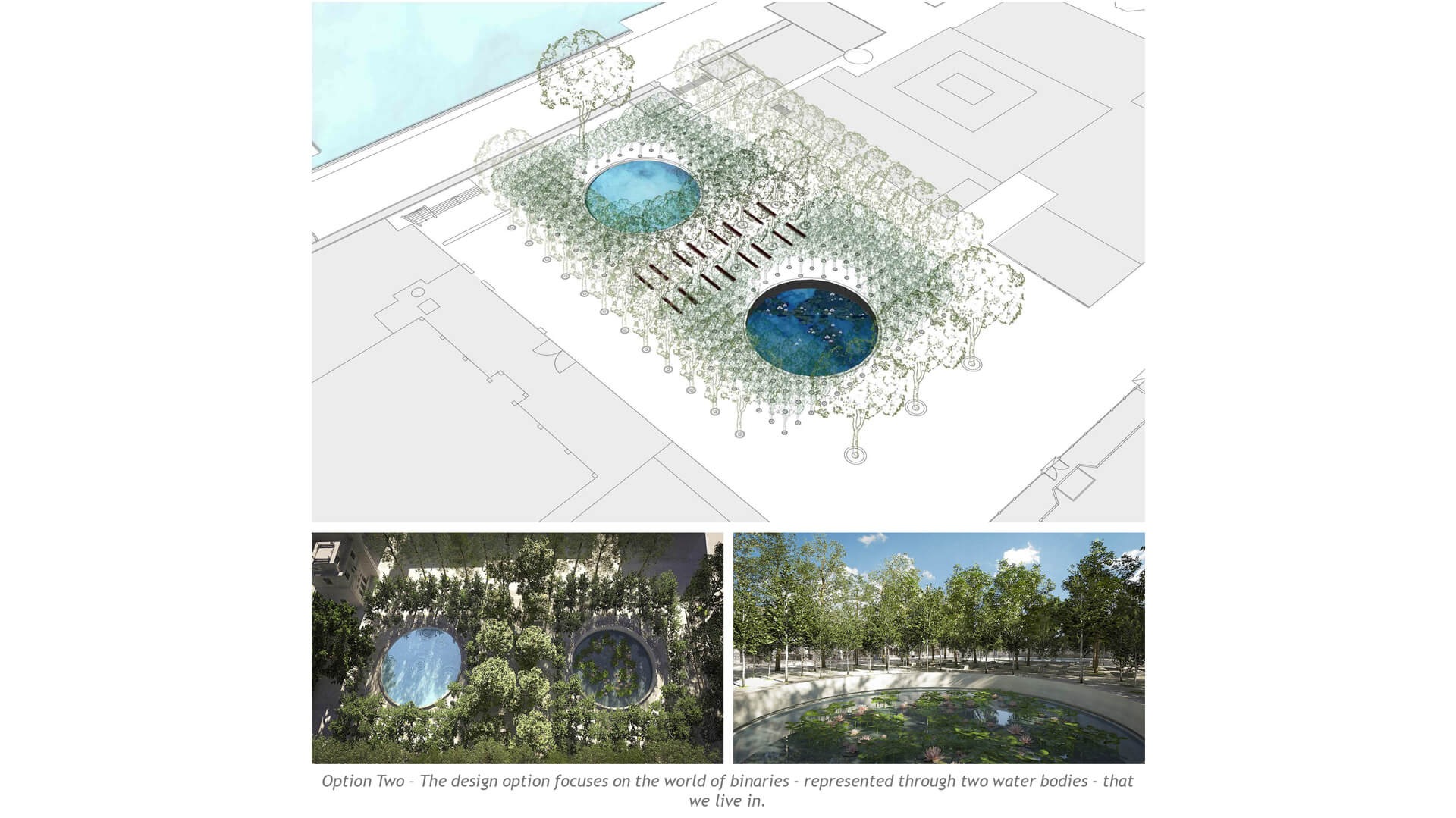
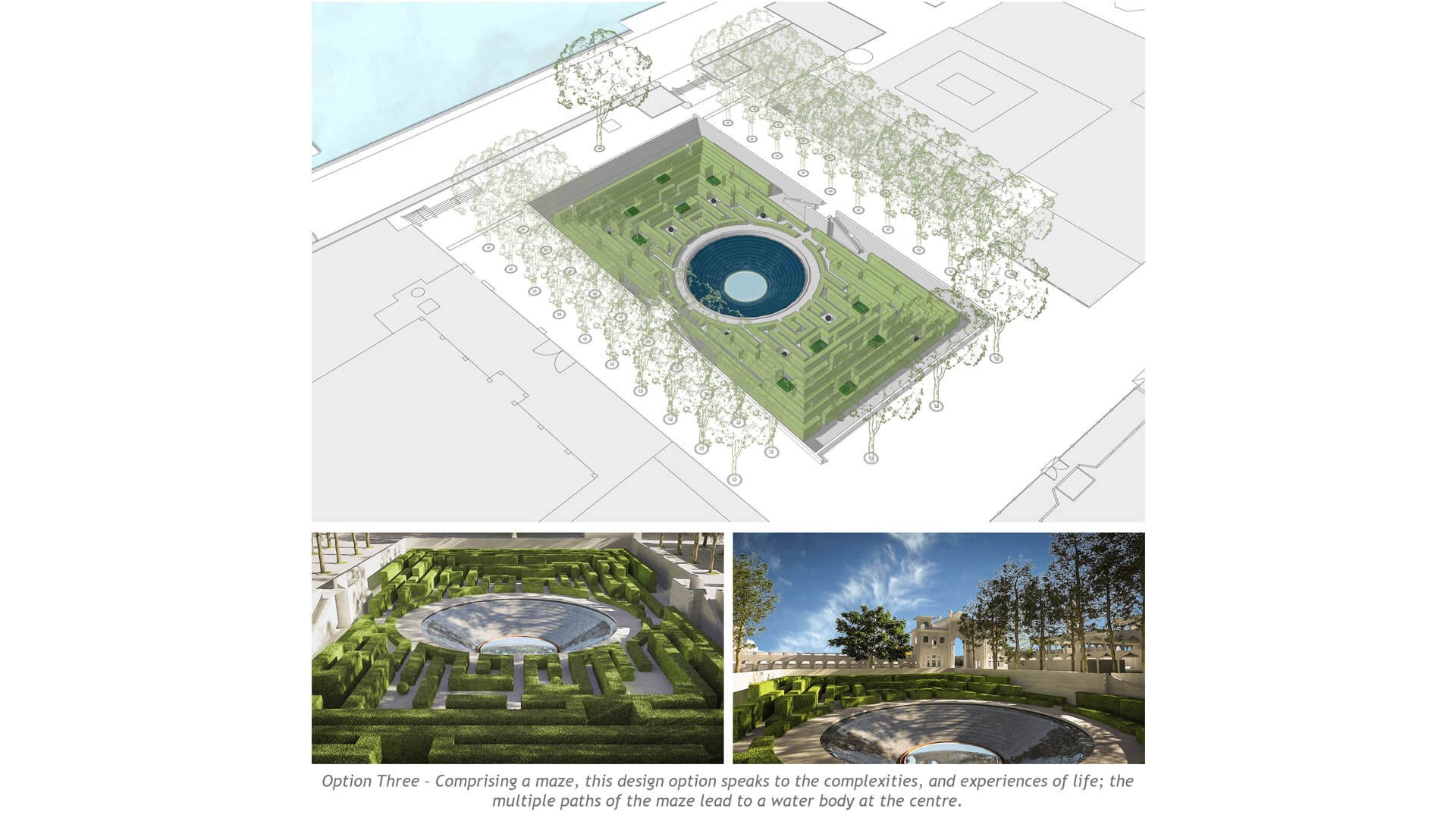
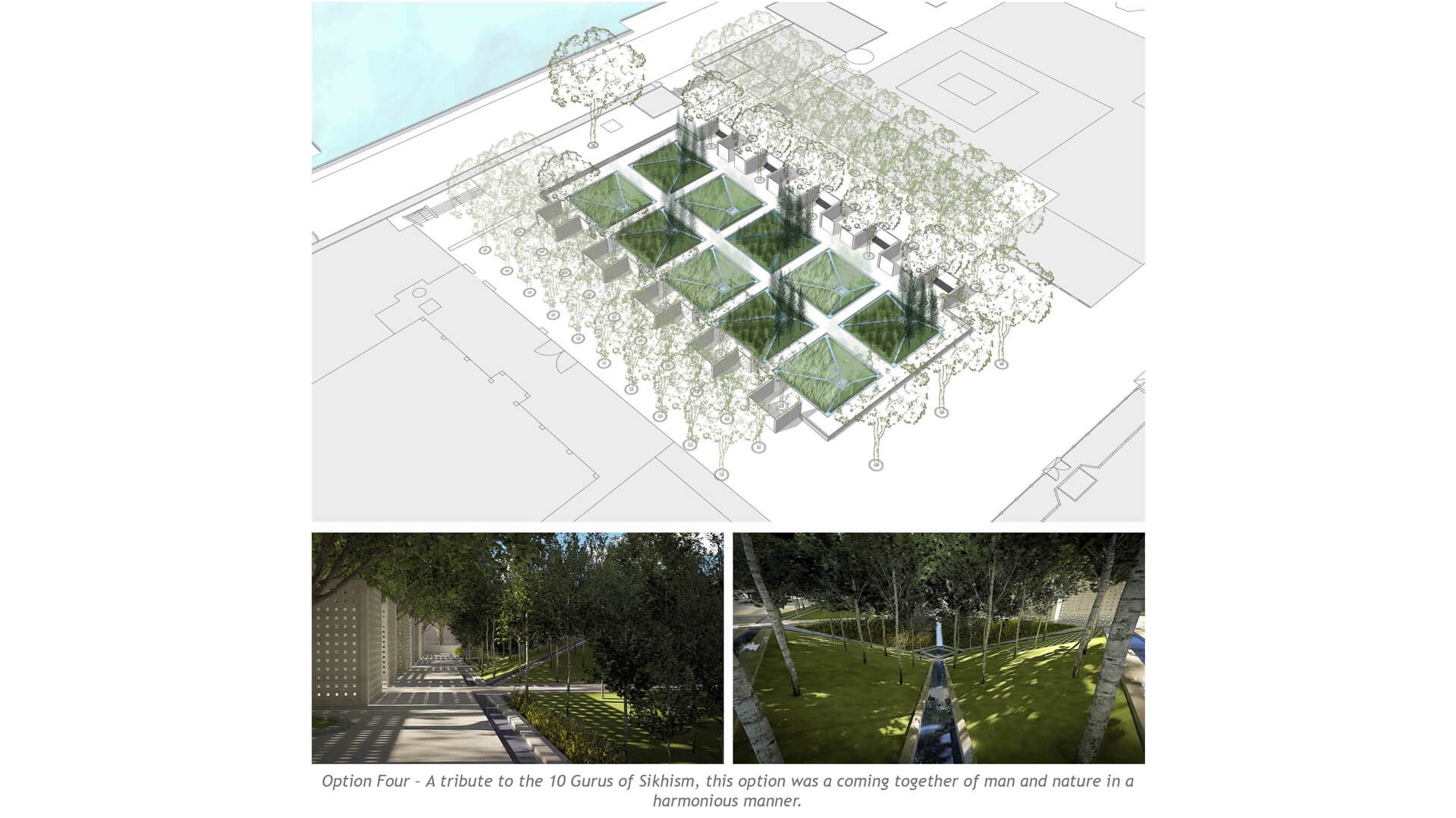
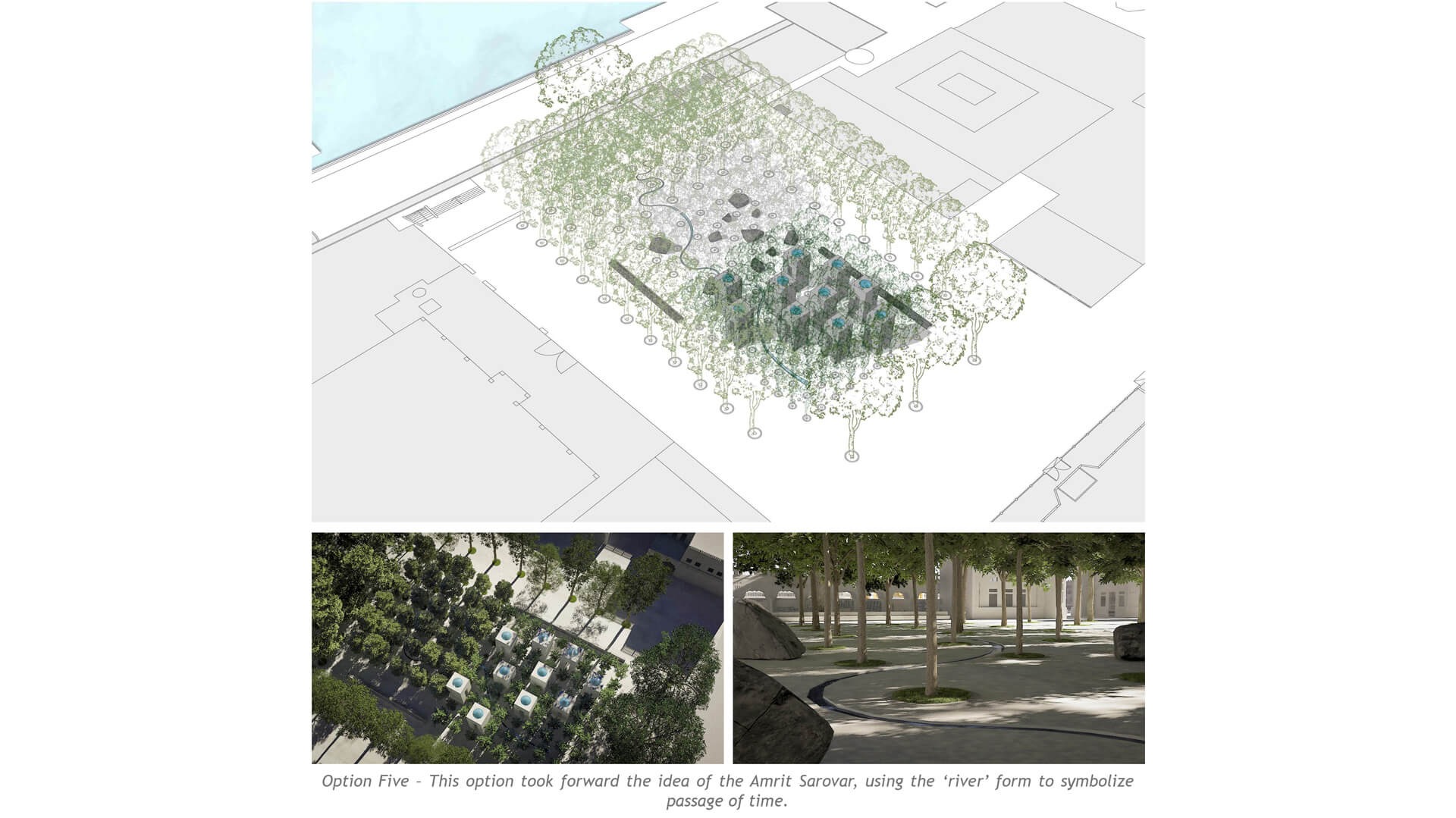
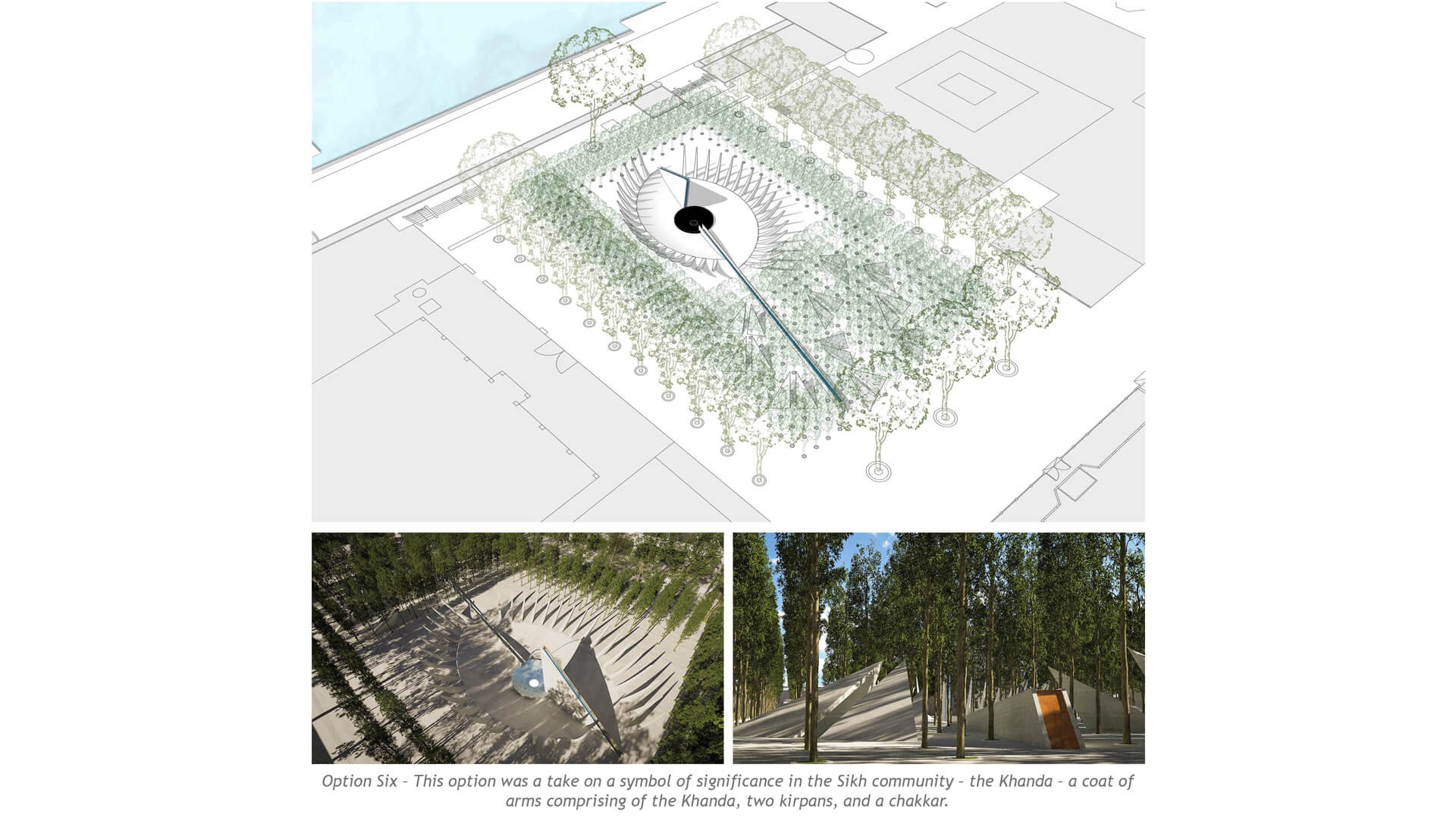
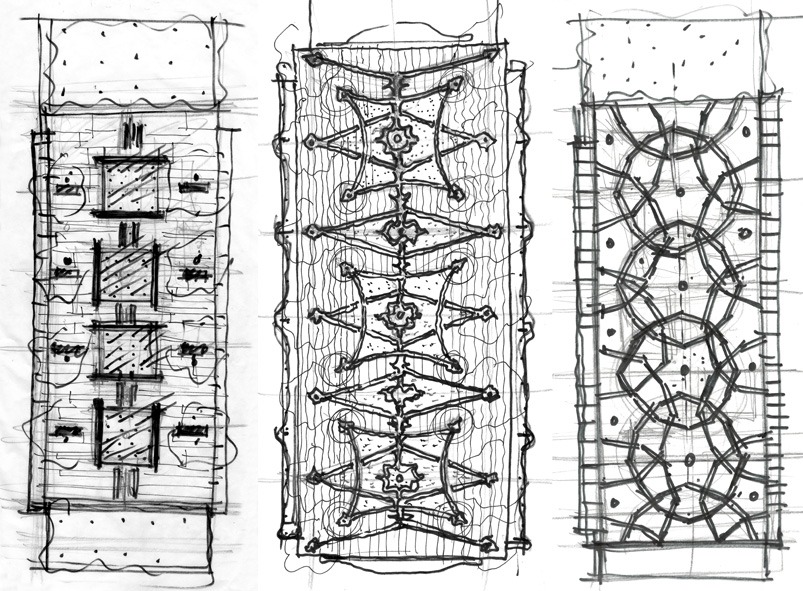
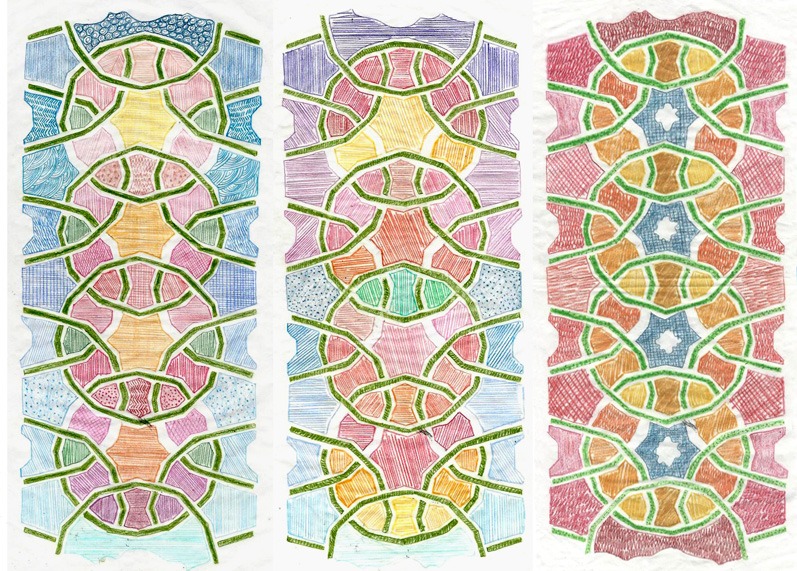
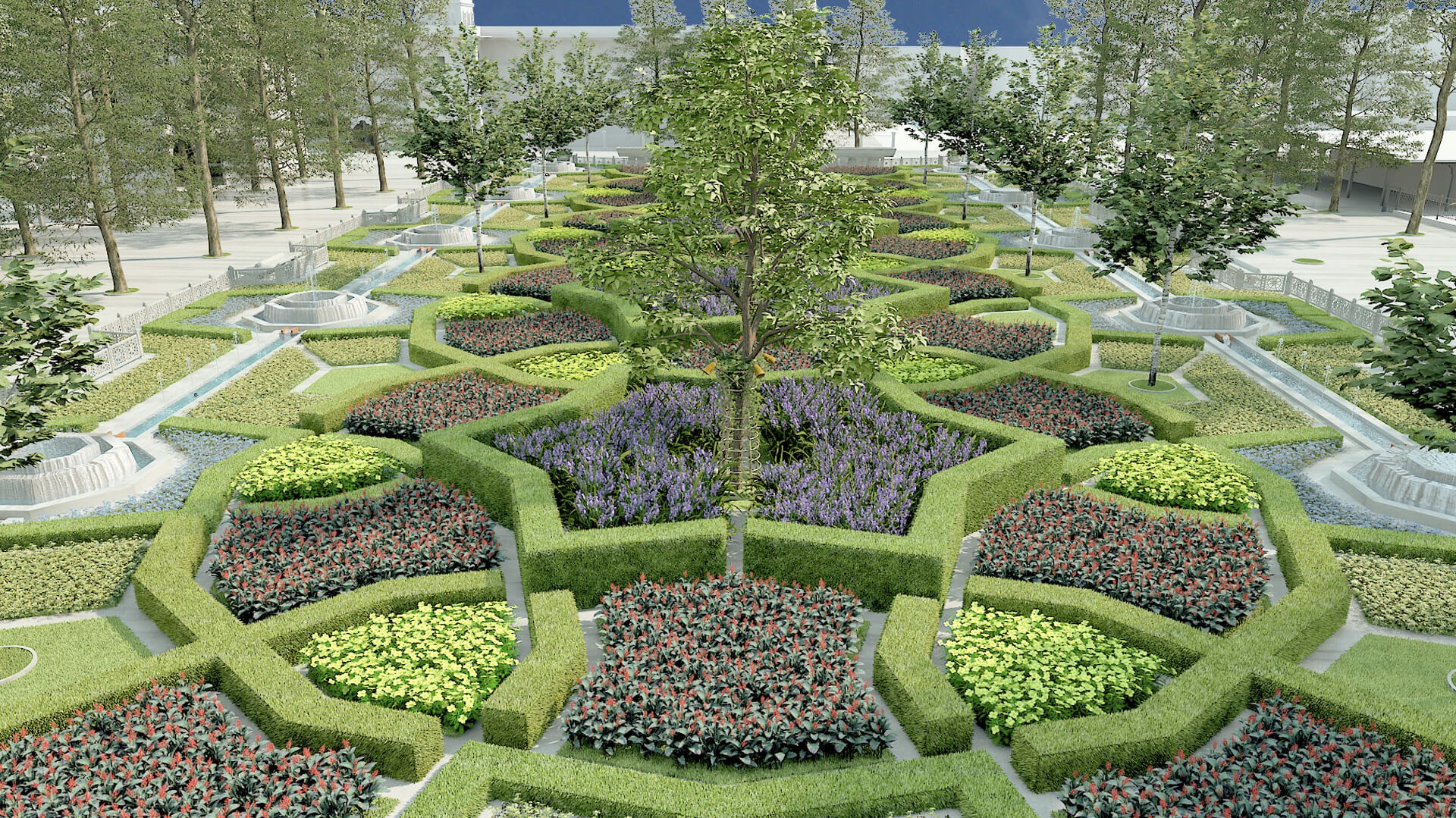
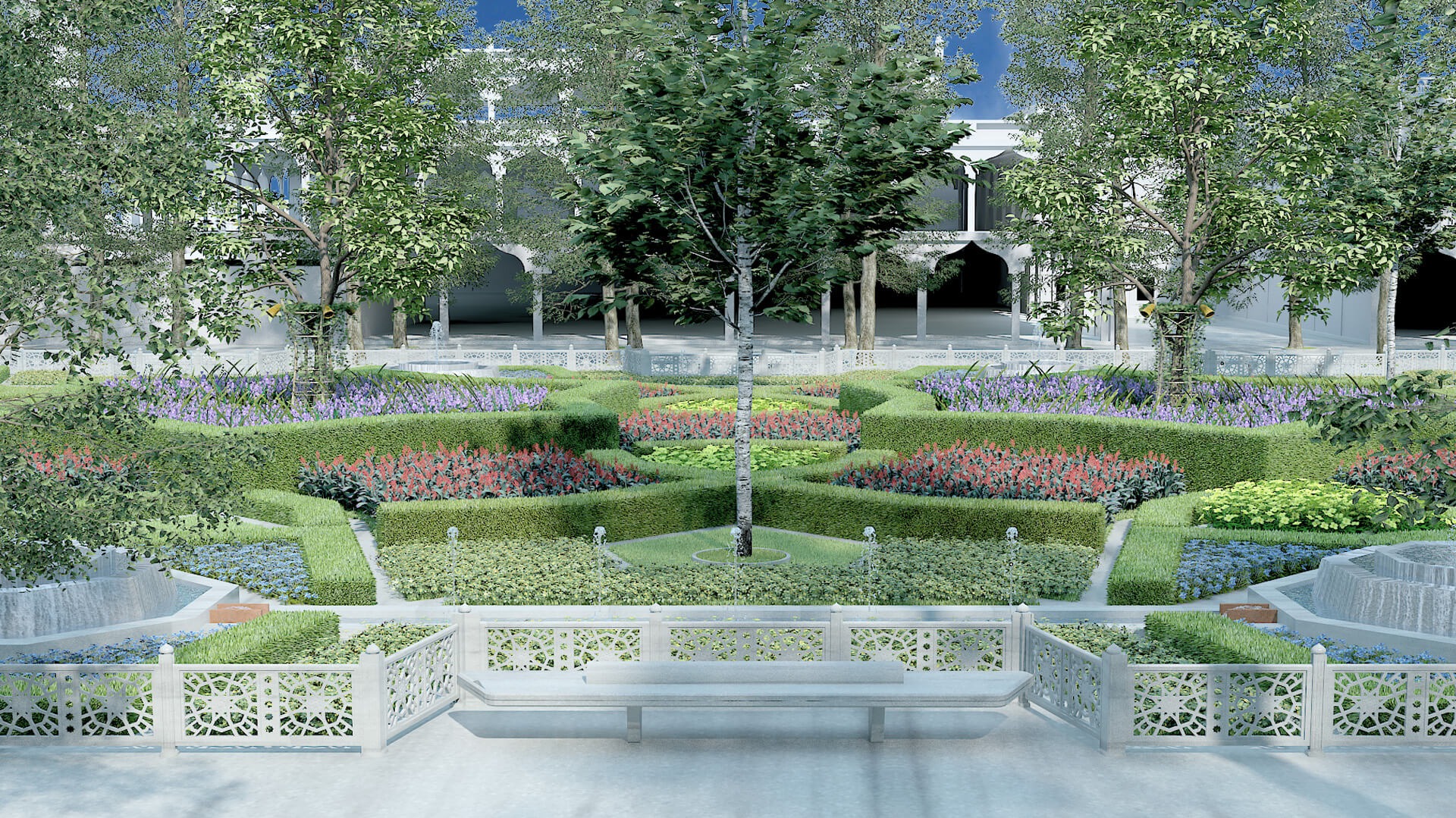
The design iterations for the Guru Ka Bagh incorporated within them Sikhism’s understanding of Natural Elements, Seva, Formlessness and Ek On Kar. They paid tribute to the 10 Gurus whose lives became the norms by which the Sikh community leads its life.  
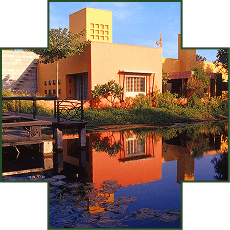
What has been developed as the final design for the garden is not about the conceptual pursuits of the designer, rather, it keeps at all times at its centre the religion – finding a common ground between the devotee and the space. 

Landscape India Project Image
Landscape India Project Image 1
Landscape India Project Slide 1
Landscape India Project Slide 2
Landscape India Project Slide 3
Landscape India Project Slide 4
Landscape India Project Slide 5
Landscape India Project Slide 6
Landscape India Project Slide 7
Landscape India Project Slide 8
Landscape India Project Slide 9
Landscape India Project Slide 10
Previous
Next

Continue Reading

Aga Hall Estate
Project

Aga Hall Estate