“Common resources are unique by virtue of the fact that, while they do not have a single owner taking responsibility, they do have multiple beneficiaries.”
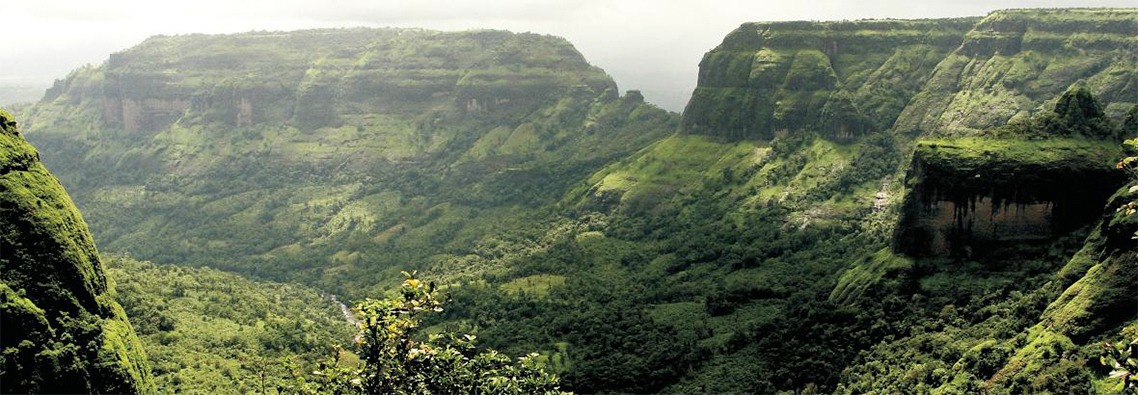
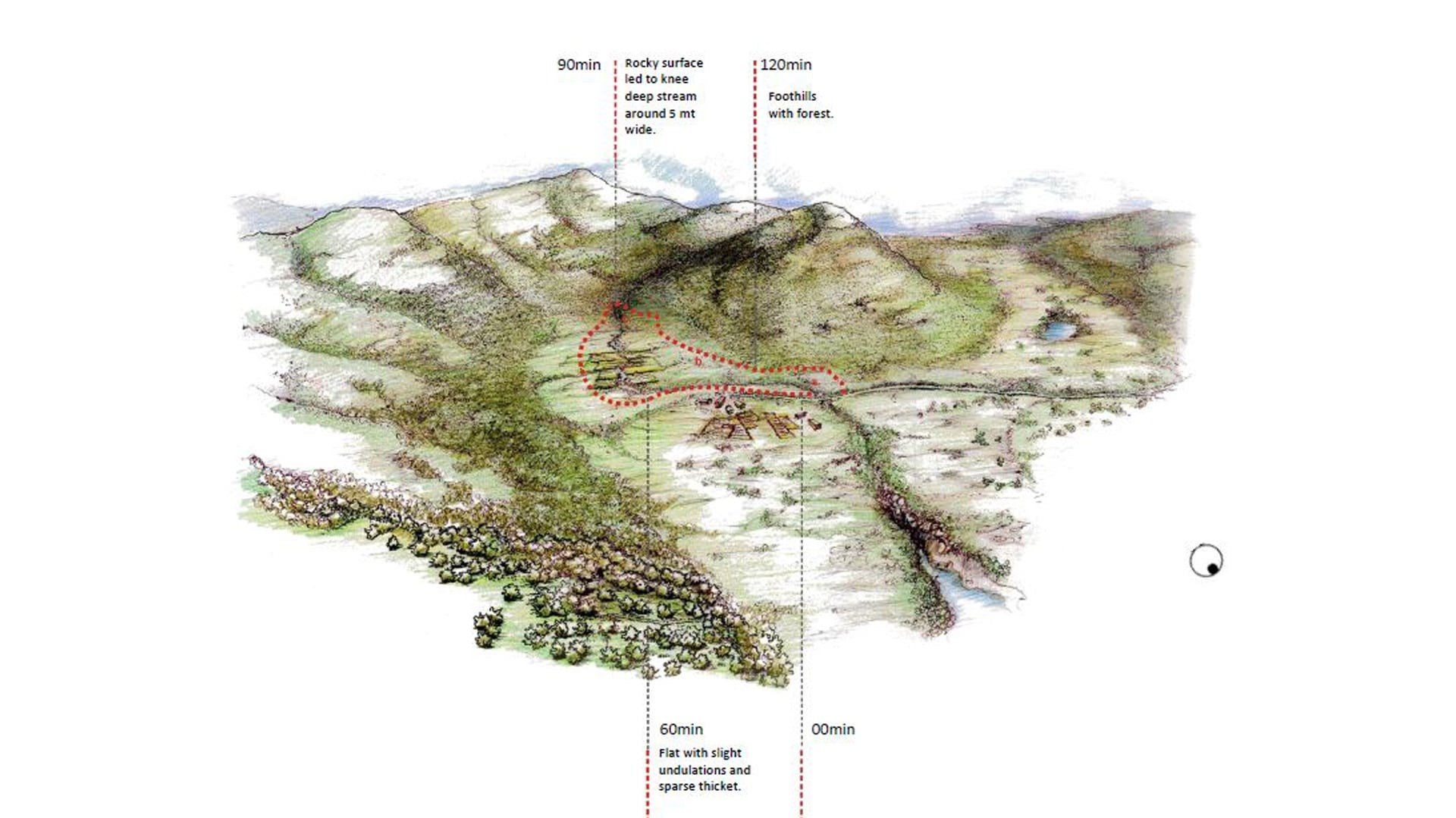
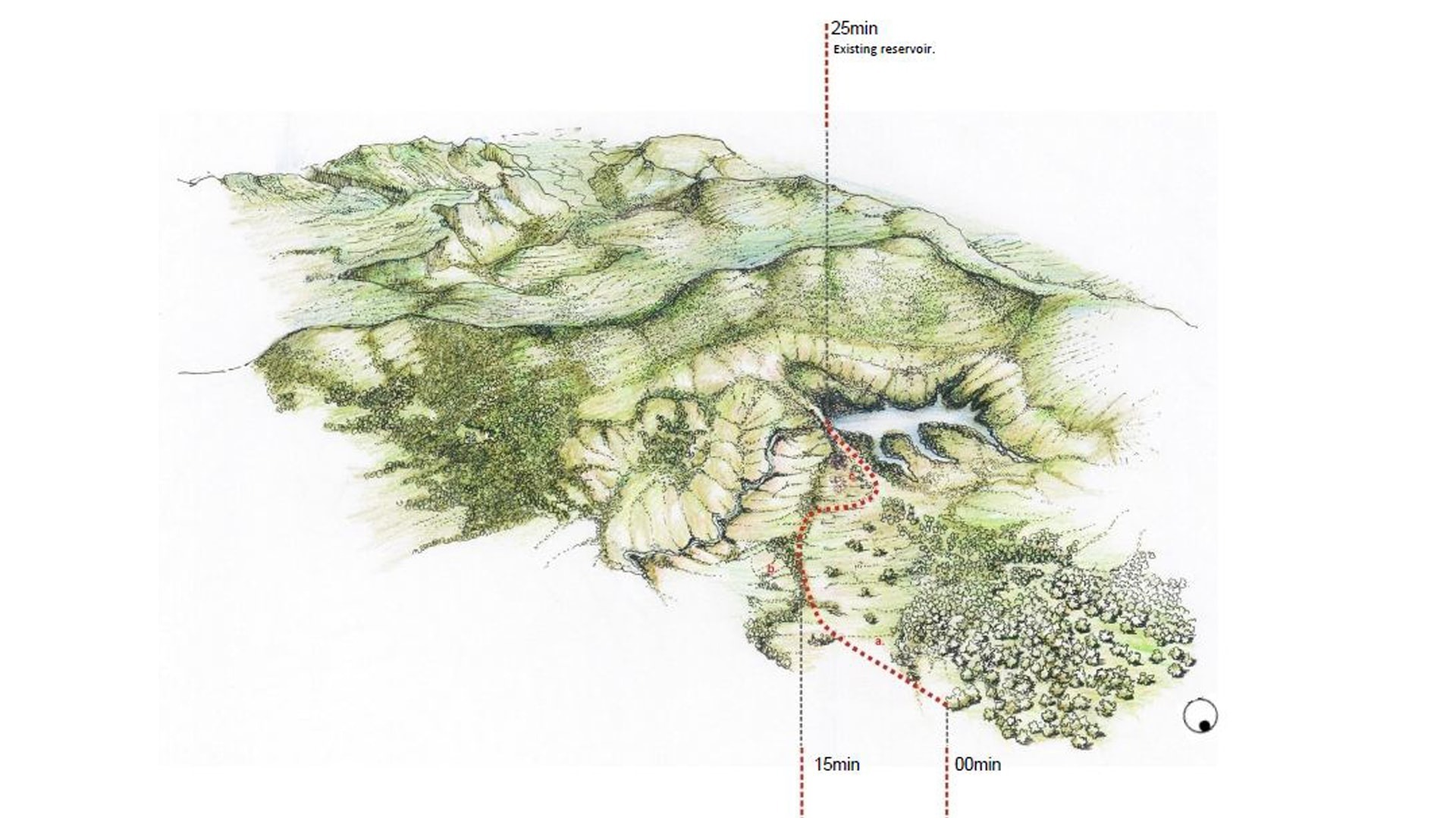
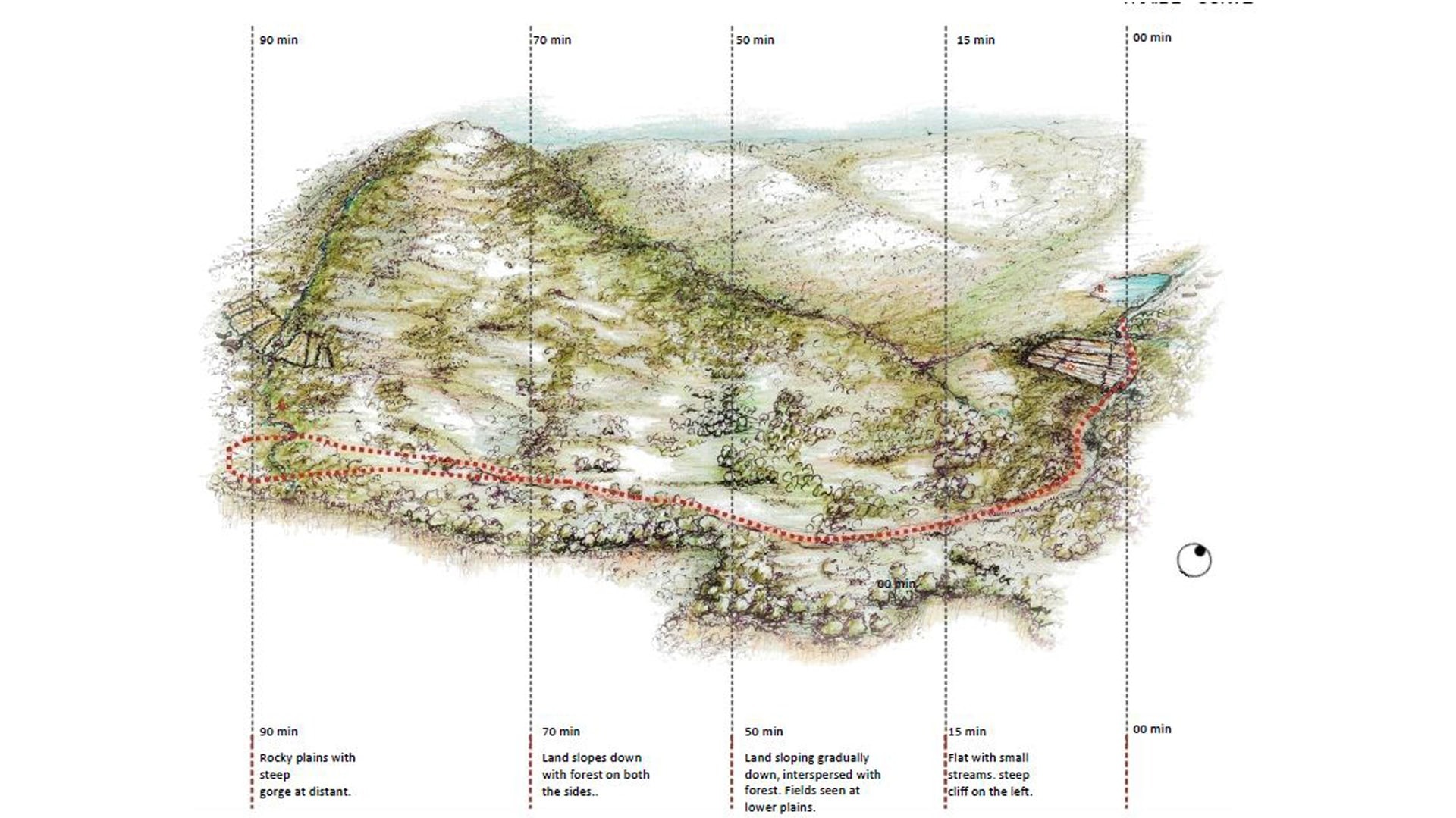
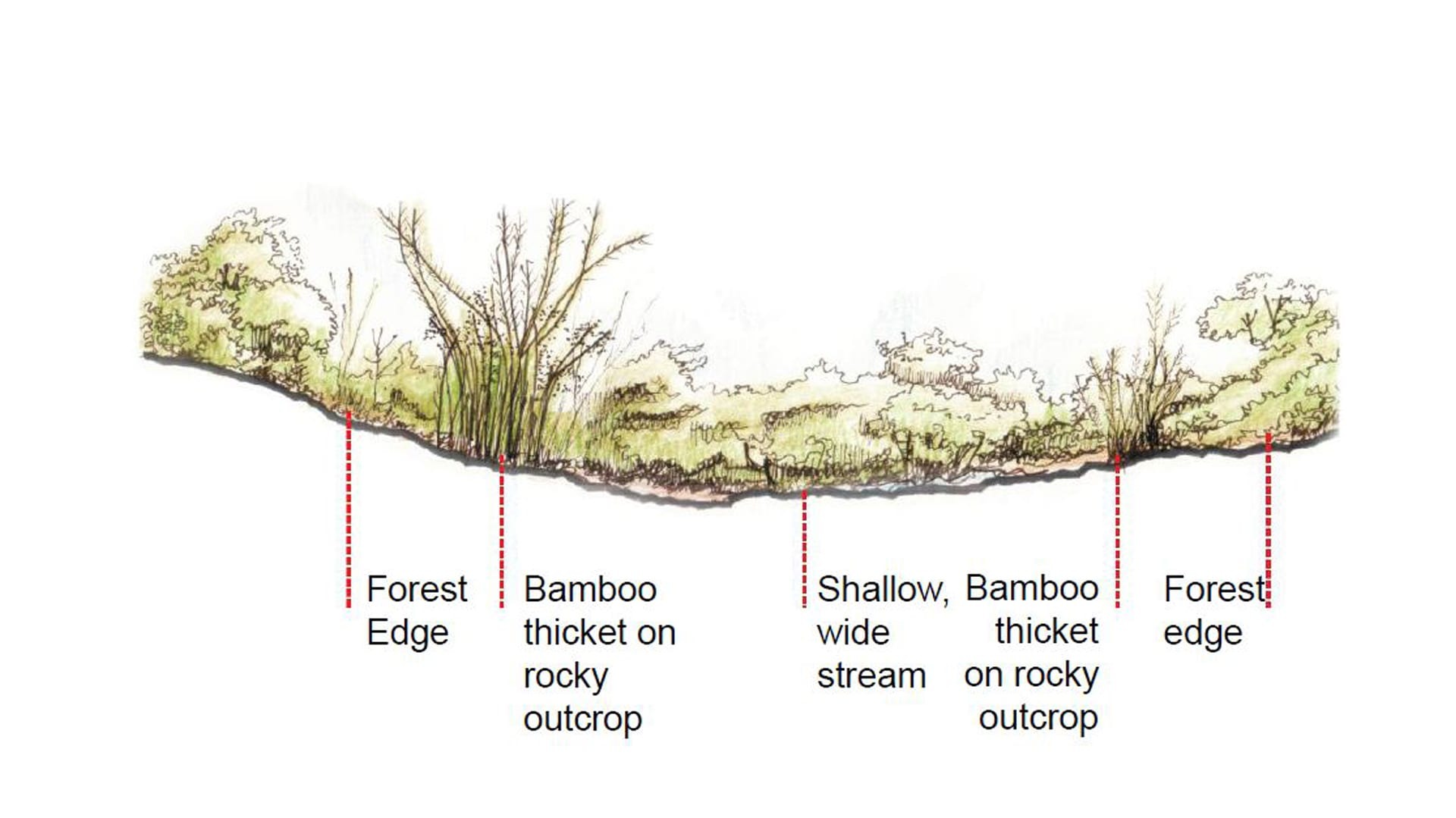
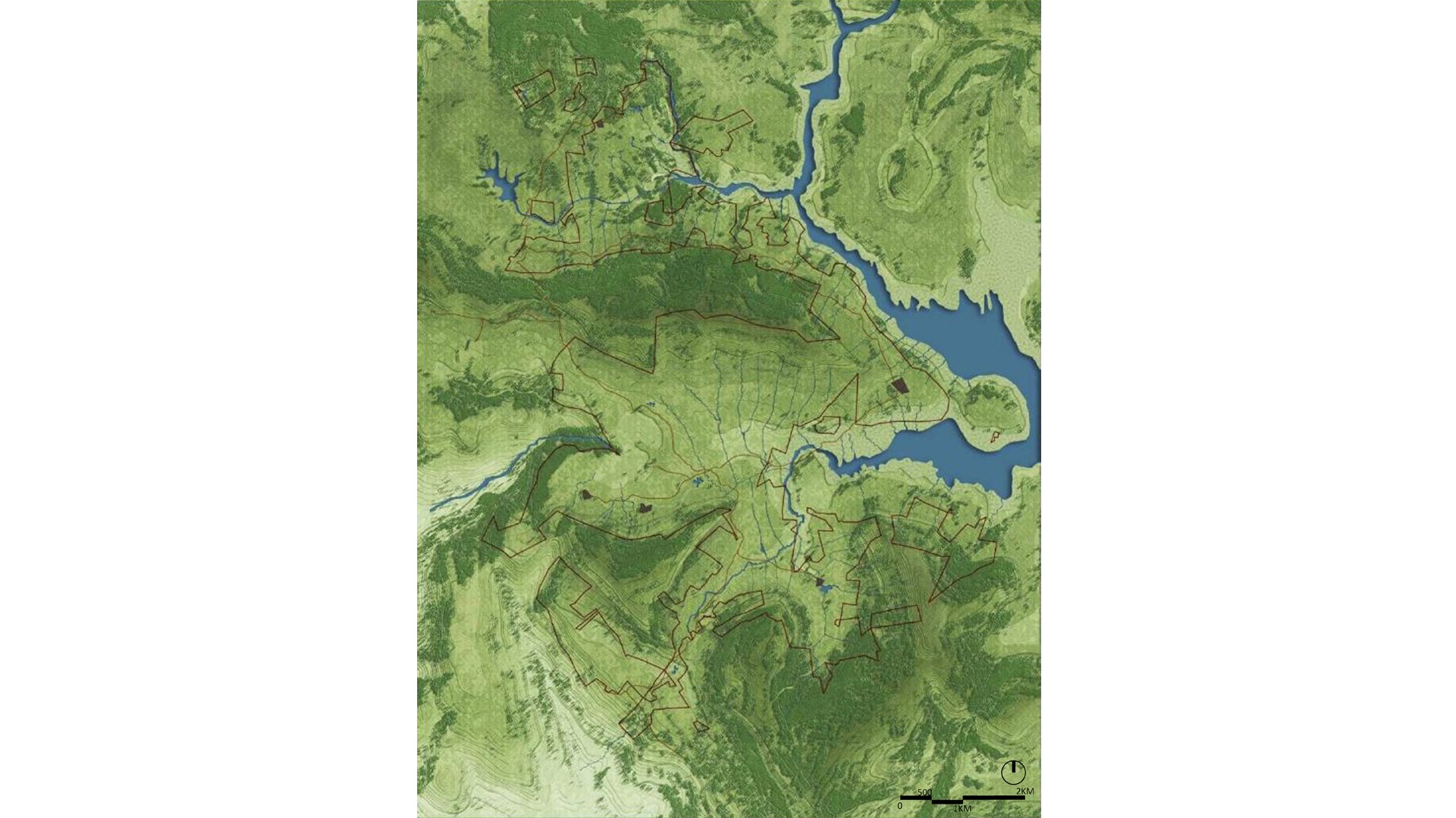
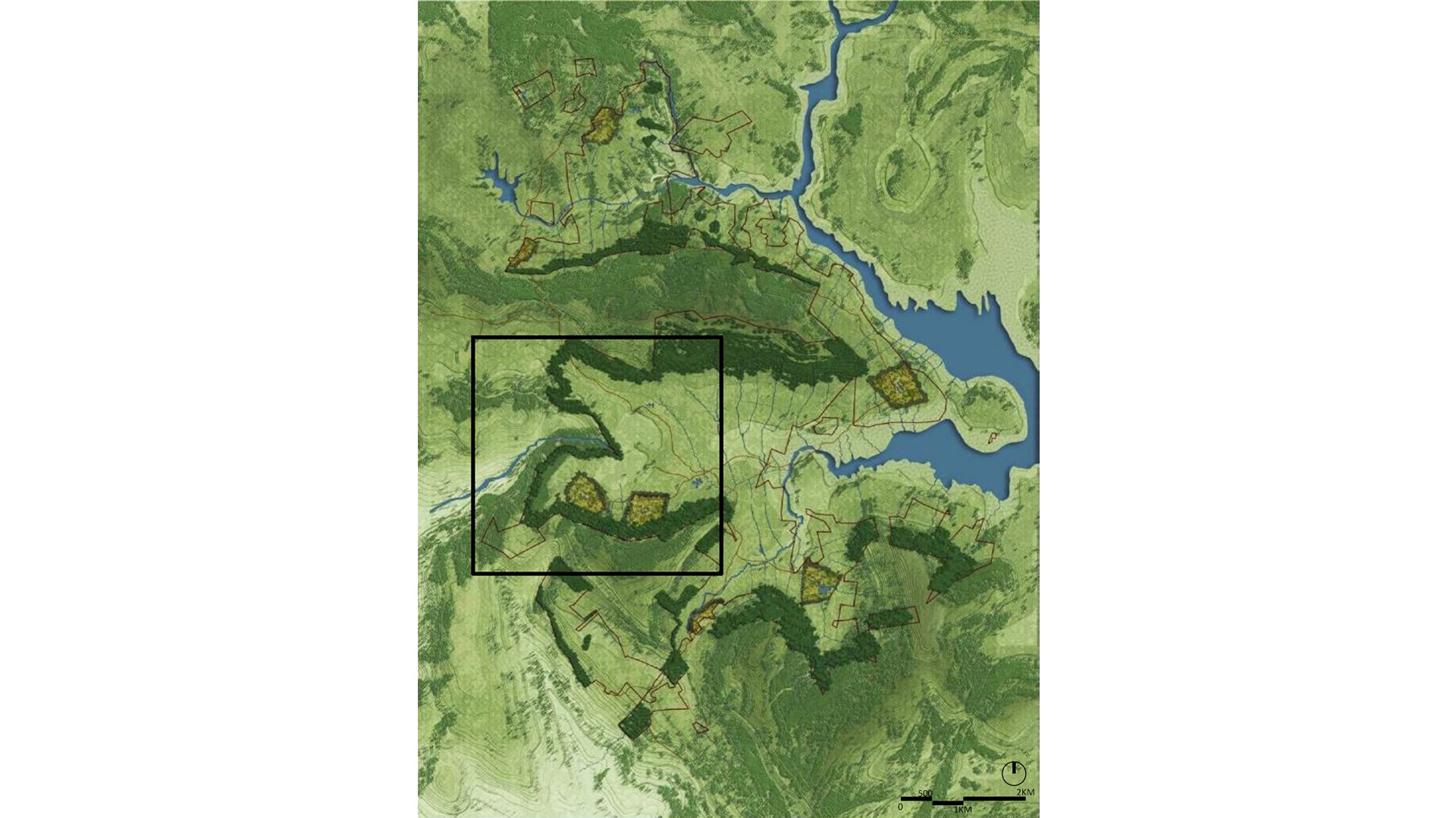
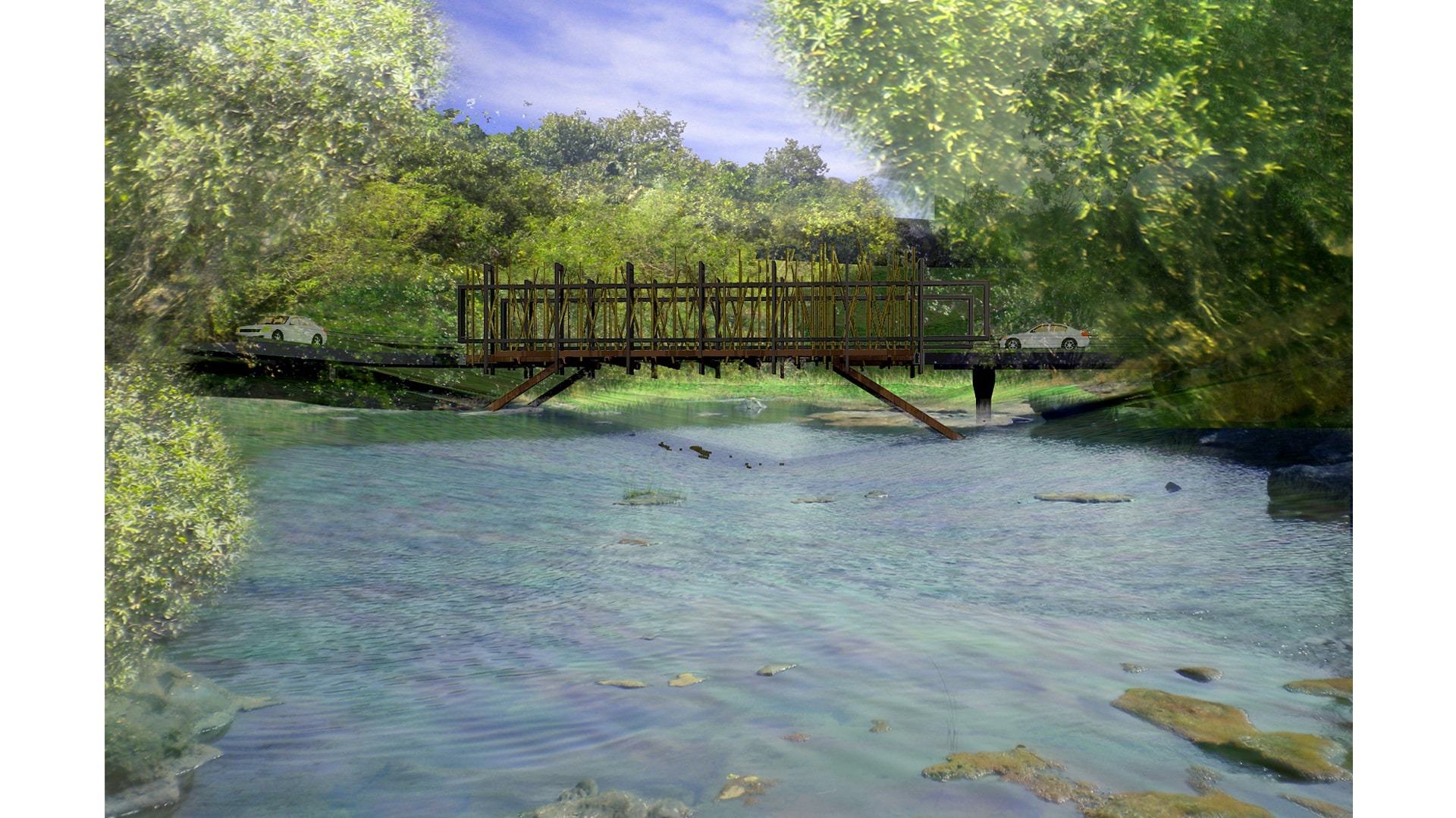
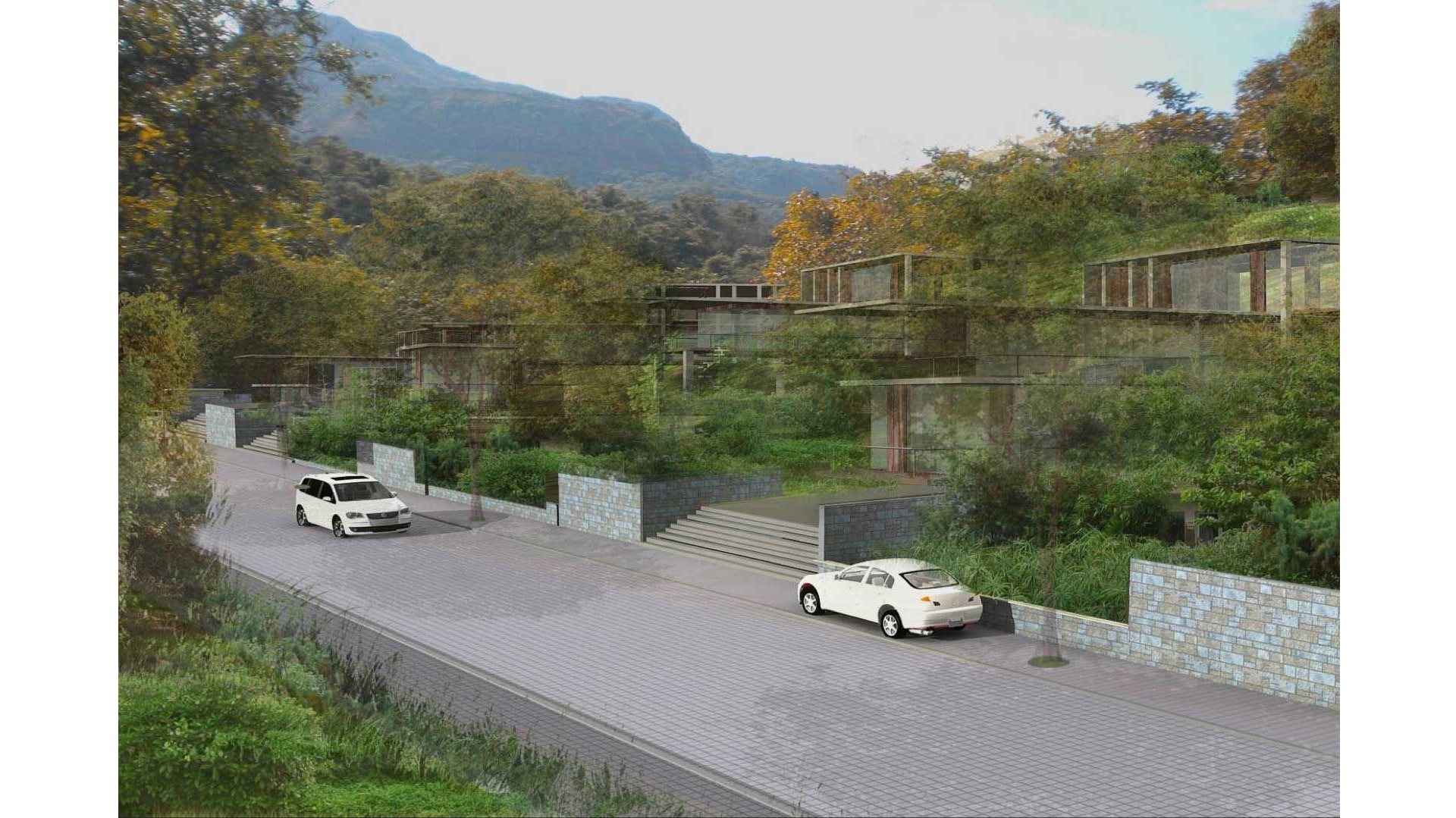
The Western Ghats is one of the eight biodiversity hotspots in the world and is spread across six states in the country. It is home to multiple species of flora and fauna. The Gadgil Report (August, 2011) recommended that between 94% - 97% of the Western Ghats be declared eco-sensitive- thus maintaining a check on any development plans in the area. It is in such an area that the land is located.
Location
Western Ghats
Typology
Environmental Planning
Site area
5742.45 acres
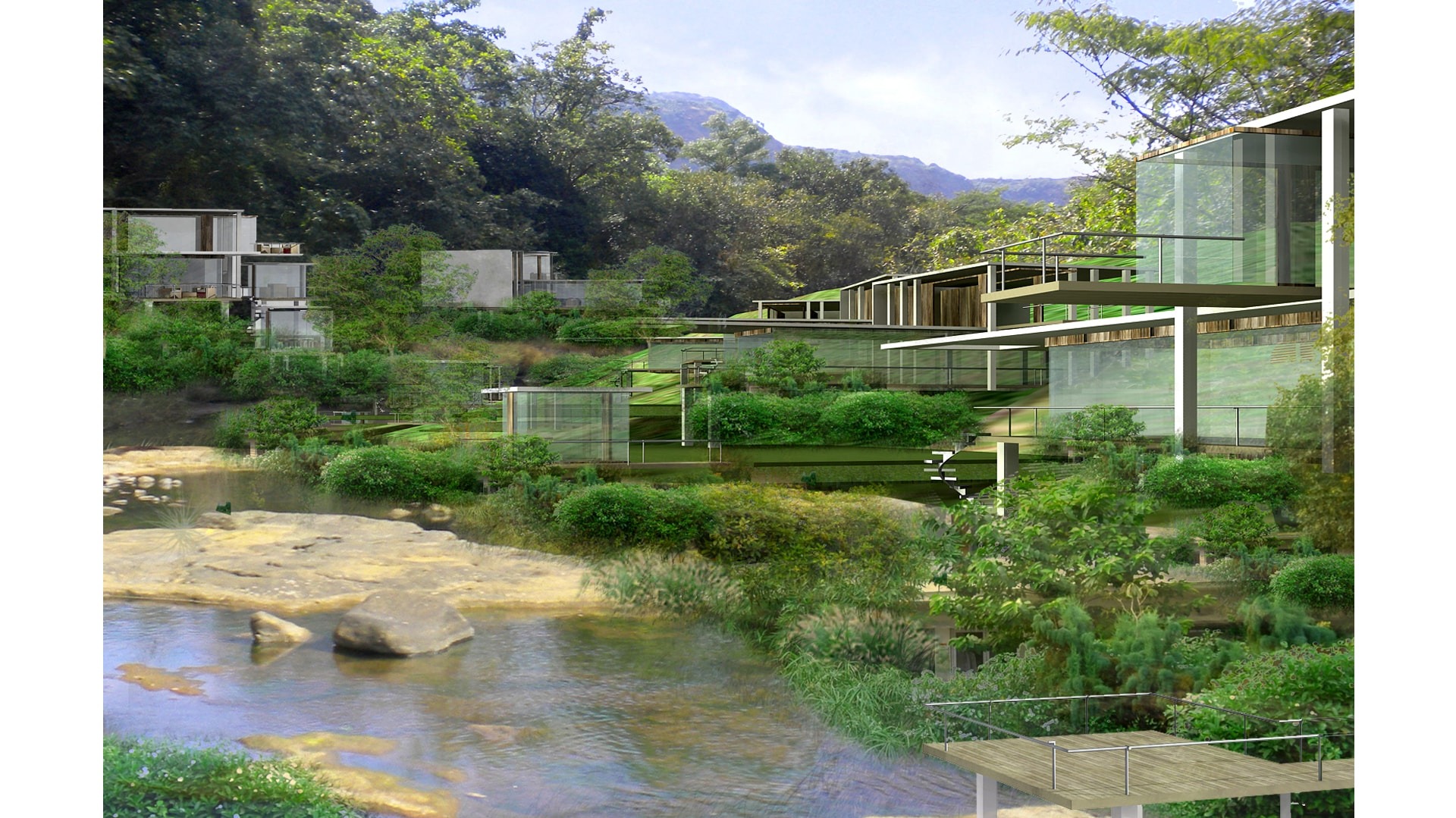
The area is surrounded by three forests; it falls outside the purview of private forest areas as well as reserved forest areas. Its development was undertaken keeping in mind all sections of society.
The project has been more about the process than the outcome; it has been about understanding the intricacies of an ecosystem.
It was strategically divided into multiple steps – beginning from initiation and planning, to continued monitoring and evaluation, even after the completion of the project.
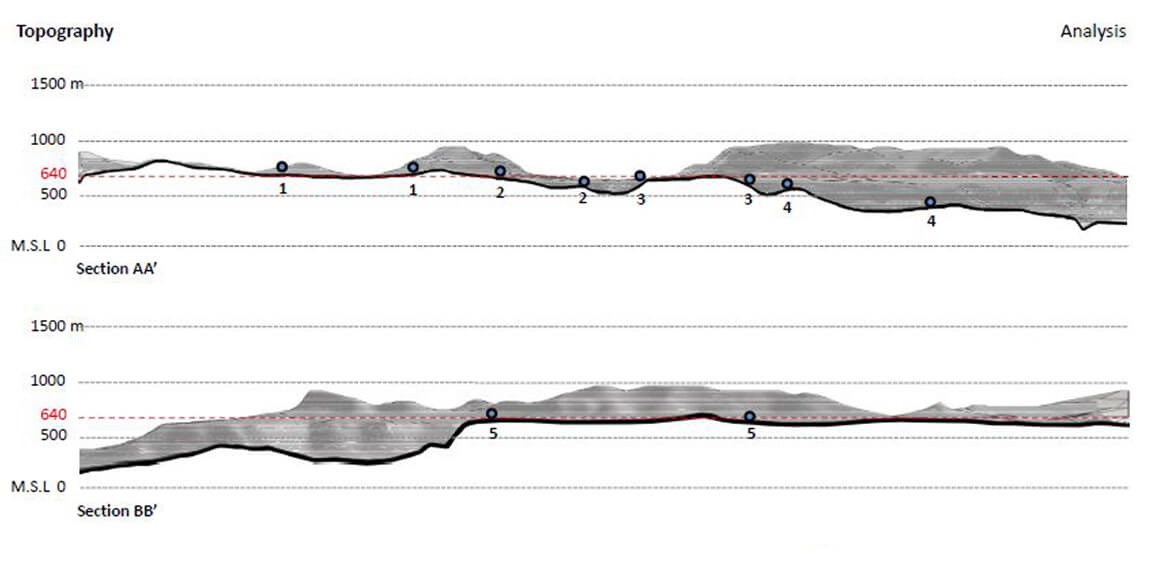
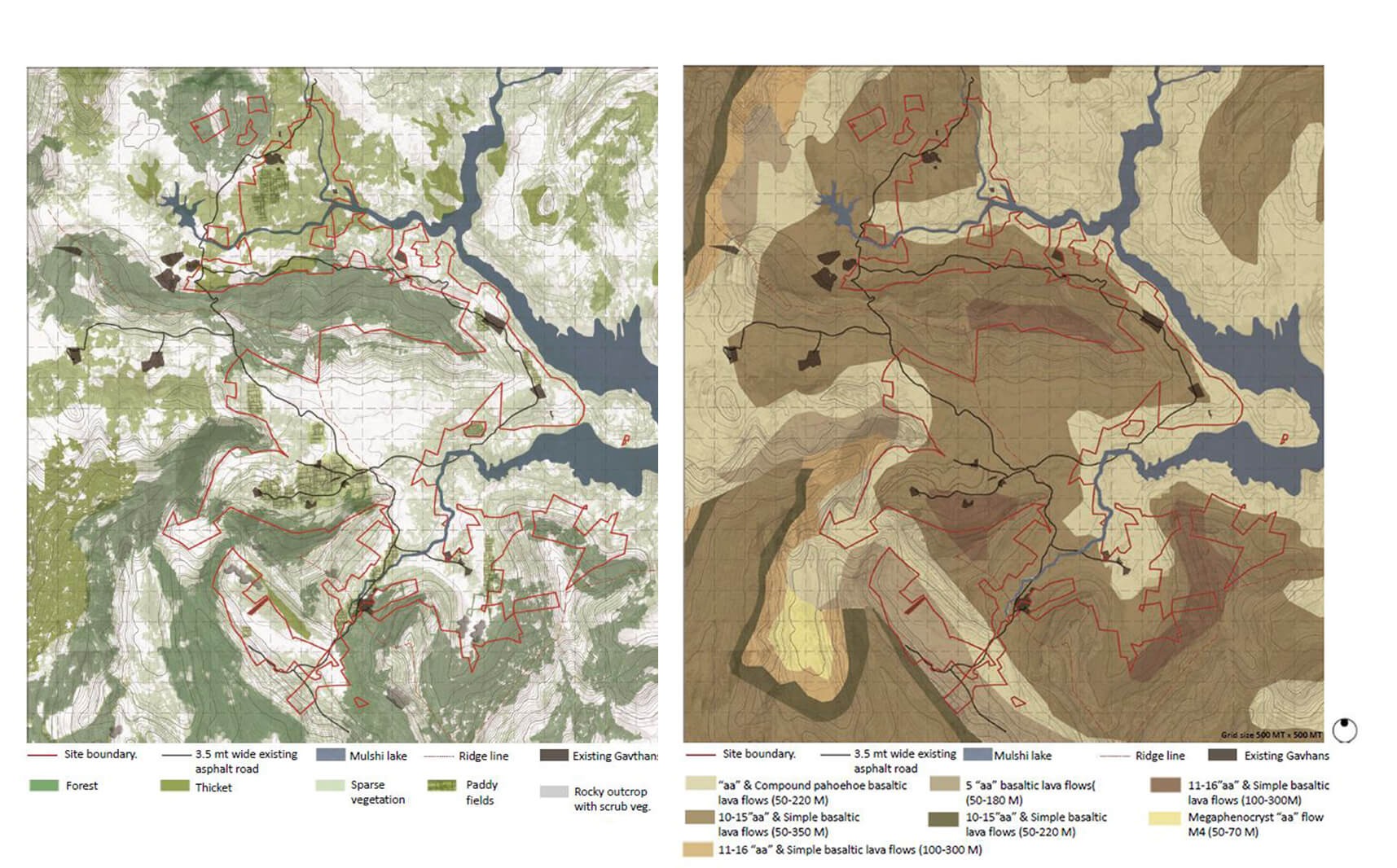
The development of the project took into consideration Alternate Technologies, Environmental Monitoring Processes, Disaster Management Plans, Environmental Management Plans, and Project Benefits. Assessing the ecological sensitivity was detailed and included all aspects – air, soil, water, noise, biodiversity, power requirement and the socio-economic environment.
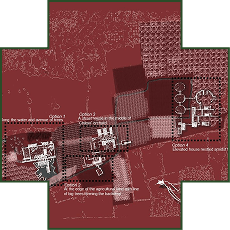
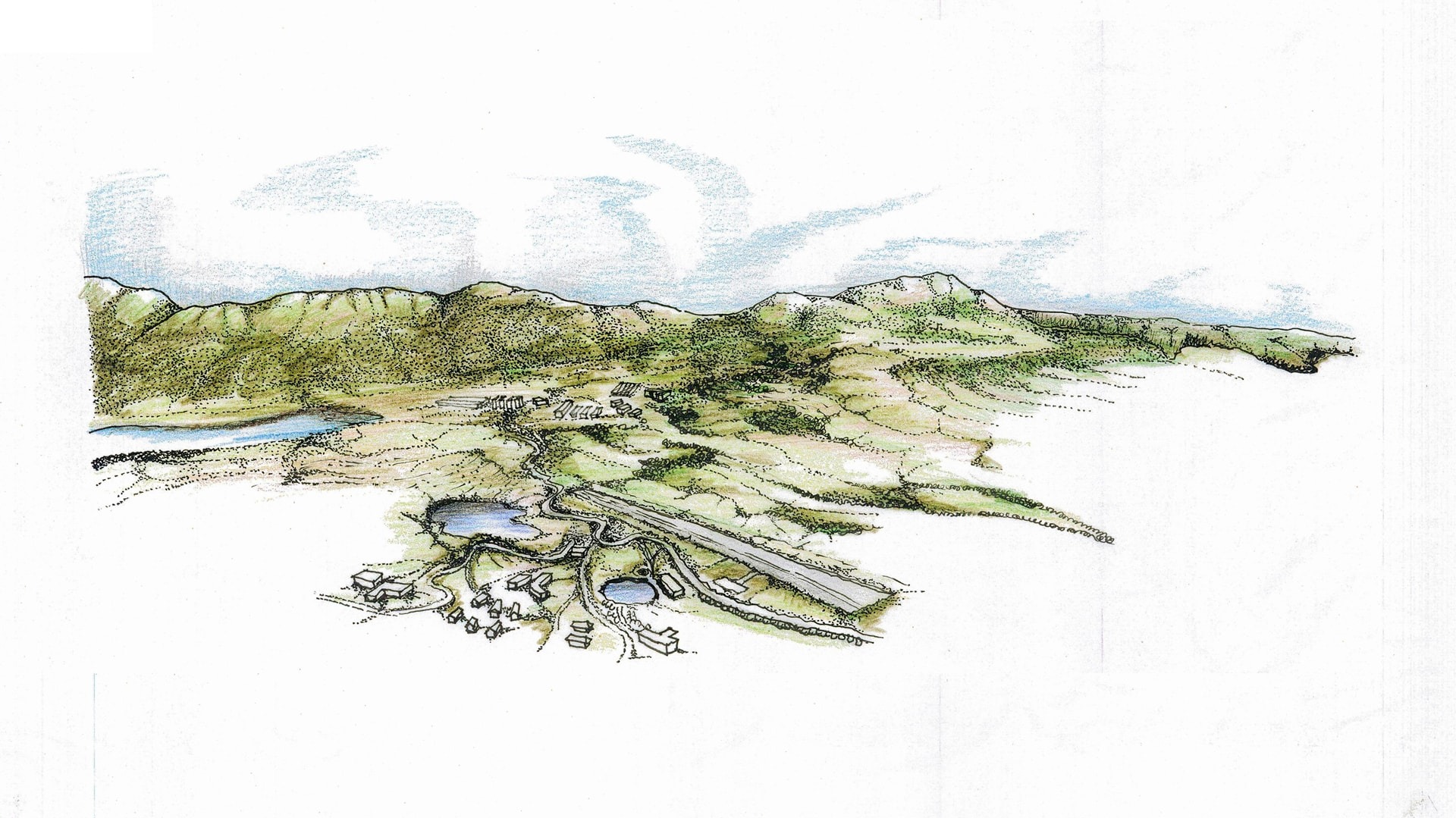
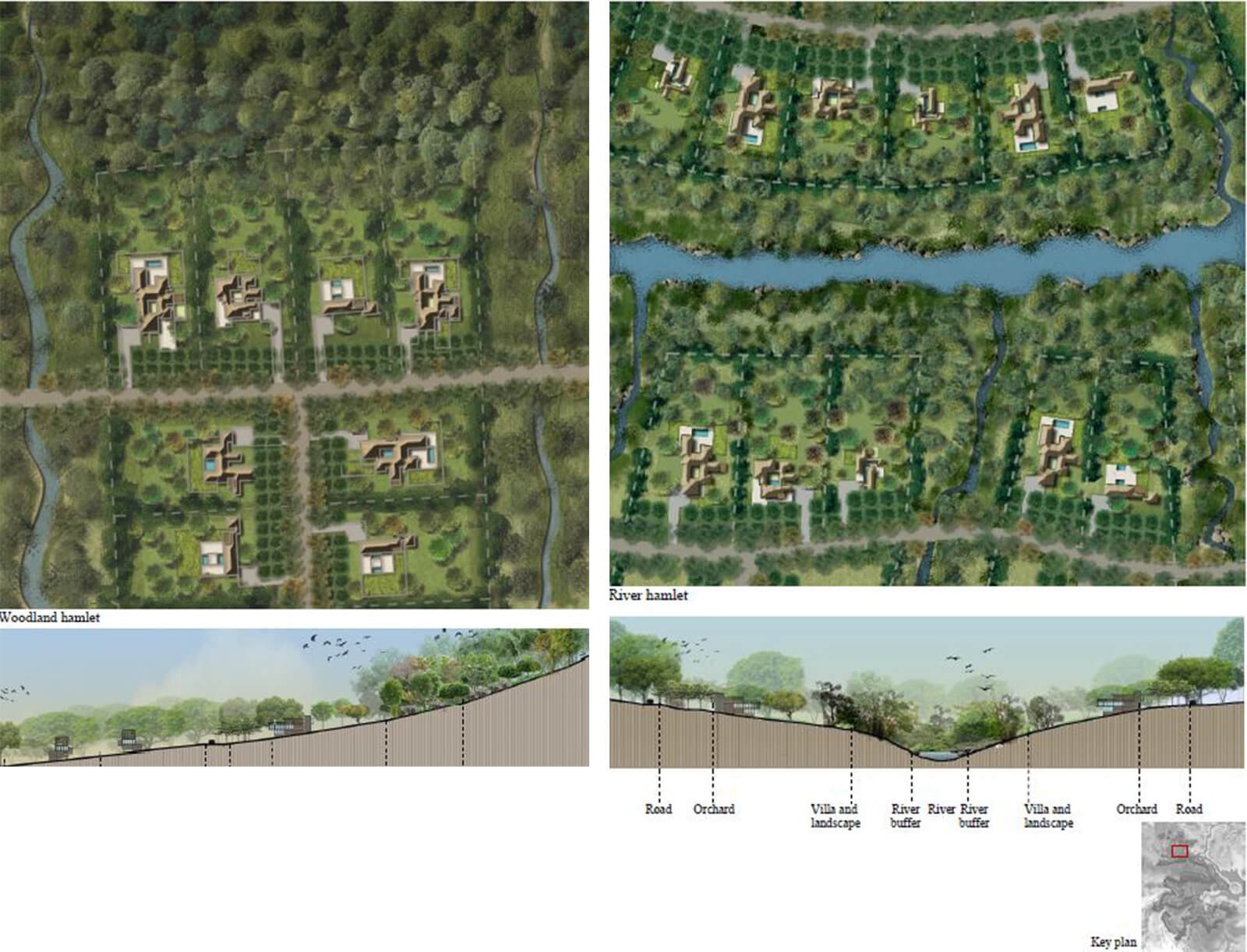
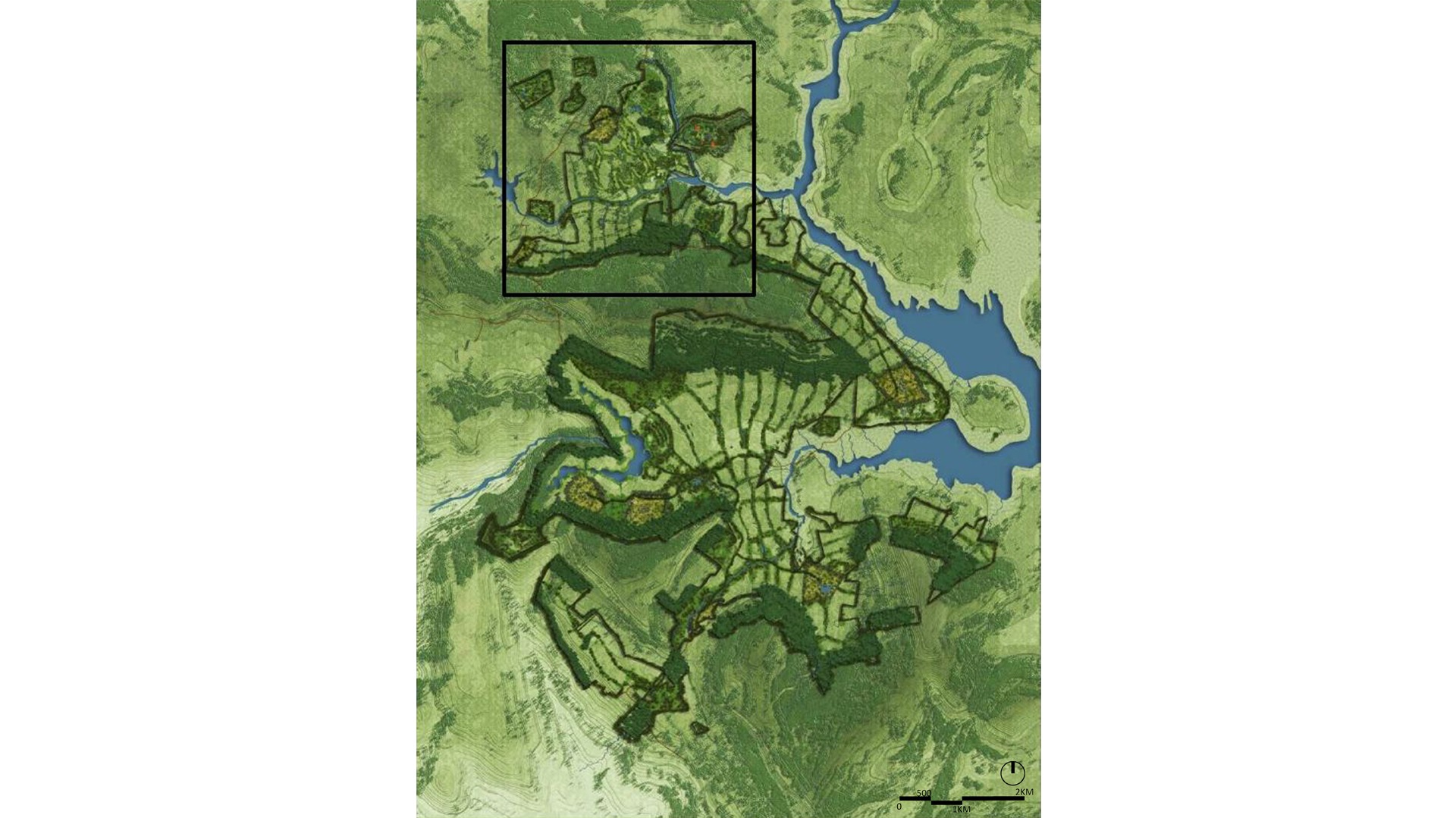
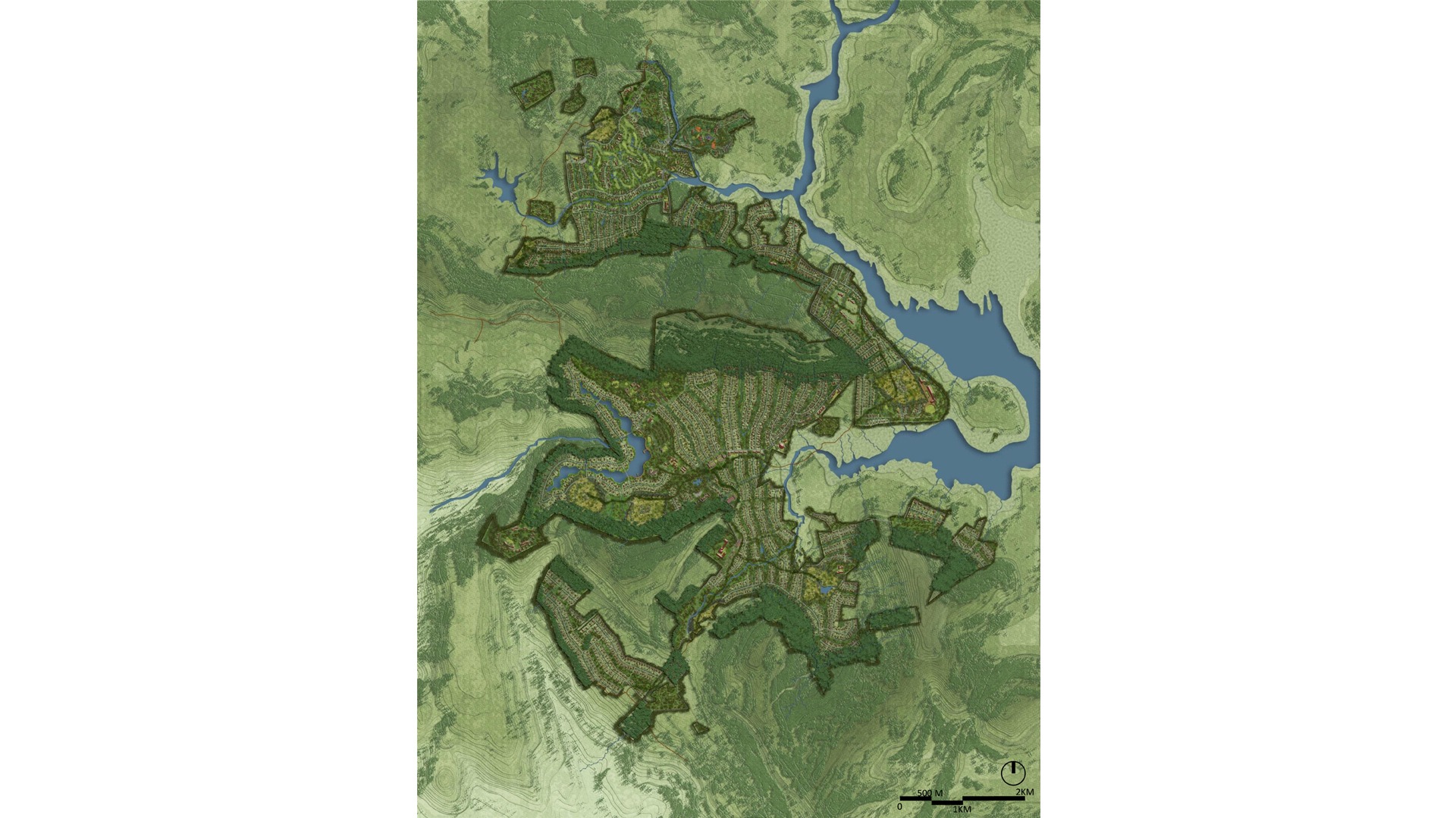
Its realistion was planned in phases: Phase one – basic development necessary for expansion. Phase two – development of residential areas along the primary roads and on the lake side. Phase three & four– expansion of residential areas, supporting infrastructure, and tourist facilities.
The resultant report is now a tool to be referred to for future environmental assessments at varying scales.