There is a distinct divide between urban and rural India. With about 6 lakh villages, nearly 70% of the Indian population currently resides in rural areas. It stands to reason, then, that the village must become the focus of attention when it comes to development. While it was assumed that the trickle-down effect would ensure that the perks of development would reach all sections of society that did not happen.
Now more than ever, there is a need to design processes and models that are adaptable; that dispense with the one-size-fits-all approach, and cater to needs and issues that are specific to a community. This became the basis for the research undertaken in Udai Rajpur - a village 15 kilometers from the city of Varanasi.
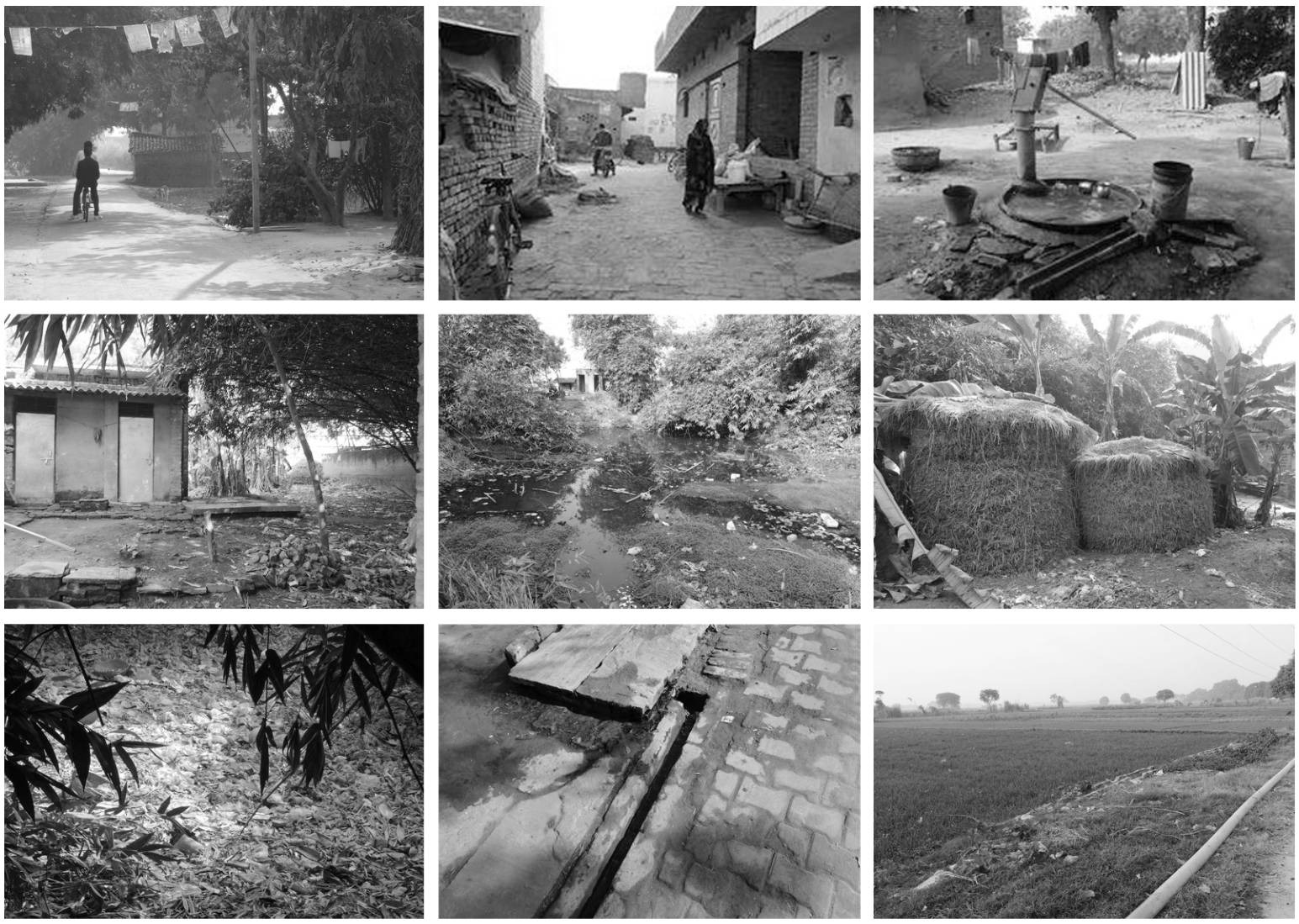
The process started with identifying and documenting the ‘Best Practices’ in various fields across the country - education, health care, waste management and sanitation, sustainability, and self-governance. Primary research was then undertaken in Udai Rajpur. The team conducted surveys to understand the various points of concern associated with the village, and its residents.
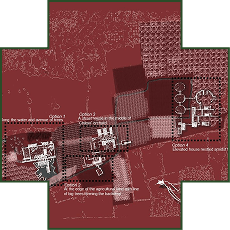
Under the supervision of sector experts, models focused around agriculture and land management were created for the economic upliftment of the residents of the village; activities were focused on improving the standard of living in the village. These models were designed to be adaptable, and applicable across the many villages within India.
The final document was presented to the Prime Minister’s office for their review.