Landscape India LogoLandscape India Logo
  • Home
  • Projects
  • Studio
  • Publication
    BlogsColumns / MediaMisc
  • Career
  • Contact
Leaf IndiaPBB PlantsResource Centre
Navigation Preview

© 2026 landscape India. All rights reserved.

  • Instagram
  • Facebook
  • LinkedIn
  • Youtube
Footer LogoFooter Logo
HomeProjectsStudioPublicationsCareersContact
InstagramFacebookLinkedInYoutube

Get In Touch

501, South Tower, One 42, Behind Ashok Vatika, Bopal Ambli Road, Ahmedabad-380058

pbb-ahm@landscapeindia.net

+91 79269 23054

Unit No. 424, Prabhadevi Unique Industrial Estate Coop Hsg Soc Off Veer Savarkar Marg Prabhadevi, Mumbai- 400025

pbb-mum@landscapeindia.net

+91 22243 60100

© 2026 landscape India. All rights reserved.

InstagramFacebookLinkedInYoutube

Powered by:

Salt Pixels

PALAVA


“Cities are engines of civilization; a representation of freedom of choice, and the spirit of sustainability, and resilience. They represent ambition and aspiration. ”

Landscape India Project Image 1
Indian cities struggle to get well-formed urbanities; a majority of them are unable to provide the amenities that a citizen body requires to lead a fulfilled life. These amenities include, but are not limited to, housing, public spaces, cultural spaces, education, and basic infrastructure.

An evaluation suggests that Indian cities must expand at a rate of 400% over the next 50 years to accommodate the growing population. It is estimated that by 2020 52.84% of the population will migrate to urban areas - with 47% of the population residing in rural areas.

In Mumbai, the Maximum City, the issues that come with ill-formed urbanity are compounded by the housing problem the city faces; affordable and adequate housing is a near impossibility. 60% of the population of Mumbai lives in slums; homelessness rose by 20% between 2001 and 2011.

Many attempts have been made to address the issue of urbanity - the most recent of which is the Smart Cities Initiative. It focuses on the role technology will play to make government services, and infrastructure development more efficient.

Amongst the various efforts that have been made to address the issue of city planning and urbanity in India, Palava - a 4,500 acre new city in North Bombay, stands apart. This is perhaps the only, and boldest experiment of its kind in the world. Private initiatives adopt the engines of the market economy to design ways of forming new urbanity.

It has taken upon itself the significant responsibility of mapping the way for city planning in areas of mass-housing, public spaces, roads, infrastructure, cultural spaces, schools, sustainability, and the idea of community building in the country.

Palava is a case study in city design, master planning, and the quality of life that a city must be able to offer its citizens through its spaces and amenities. It must be noted that the model is adaptable; replicable.

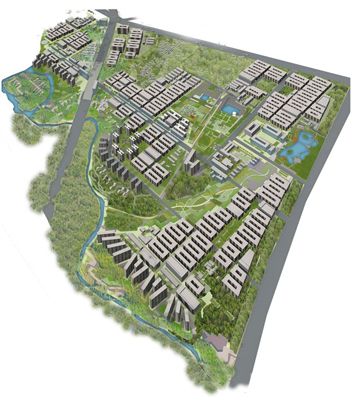
MASTER PLANNING


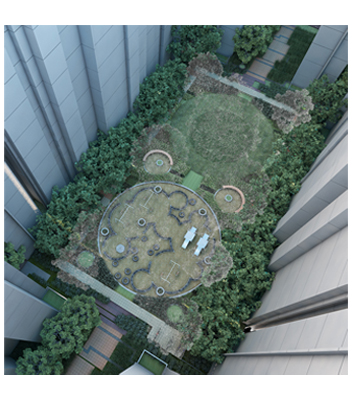
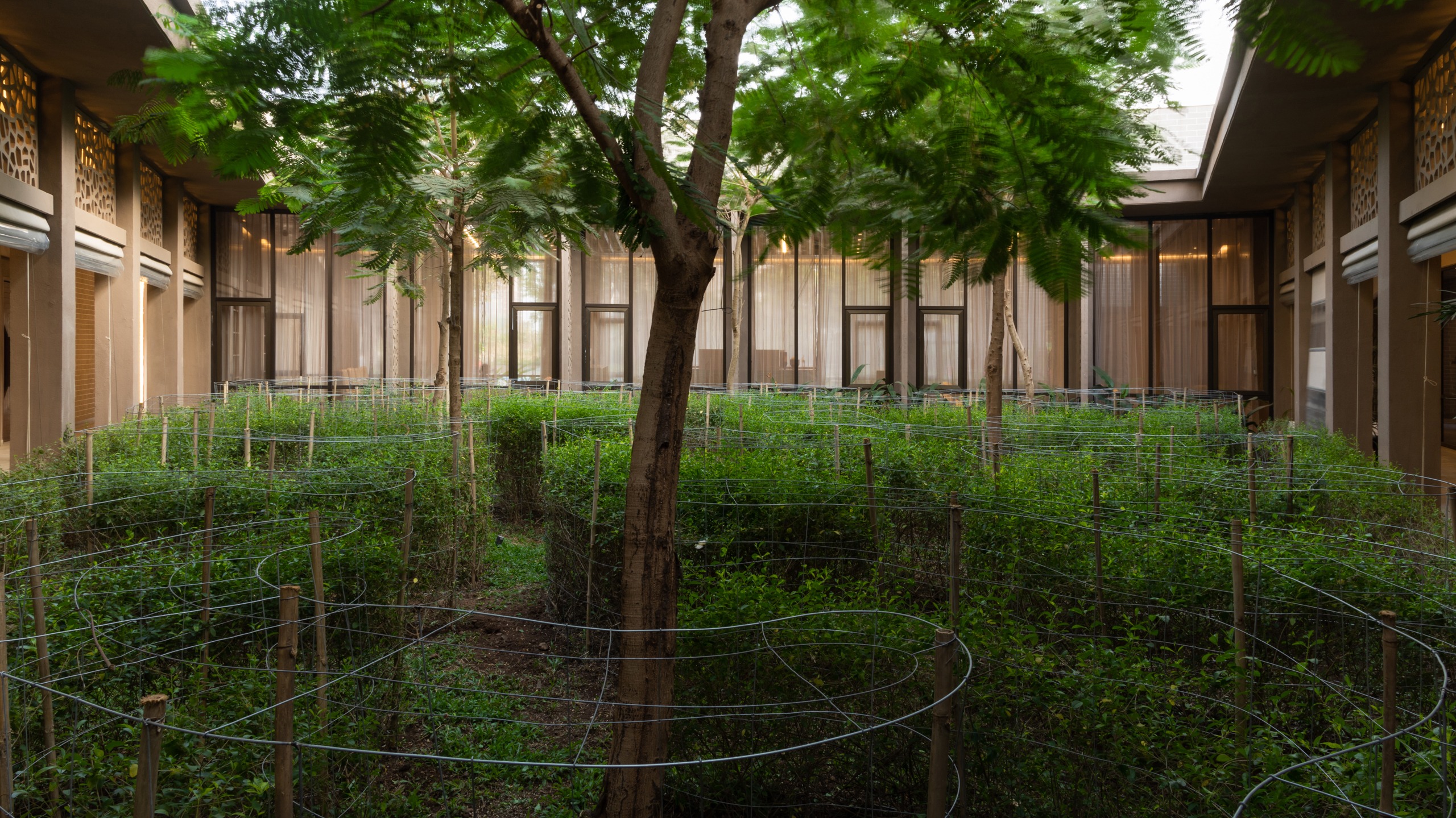
HOUSING COURTYARDS


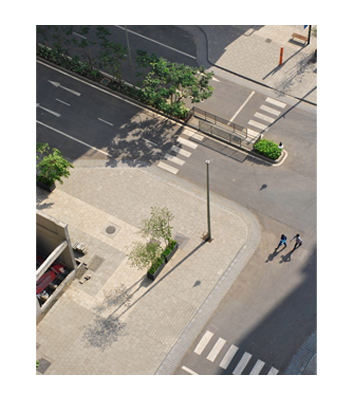
ROADS & INFRASTRUCTURES
 

PALAVA - BUILDINGS


For reasons of economy, time management, and construction methodology, mass-housing buildings designed to be a part of large developments seem to focus on speed, and ease of execution. This increases the responsibility that public spaces are required to shoulder to create and maintain a sense of identity for the development.

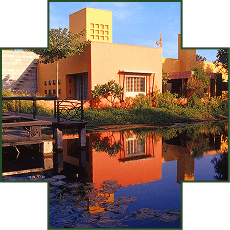
For Palava, the studio has undertaken the design of various buildings. Different architects were invited to design the schools, clubs, and other spaces of significance; this has lent a sense of variety to their architecture. This has lent expert focus to these buildings, and has expanded the design ambition. They have have been set against the backdrop of the housing blocks, and are distinctive in their program, and design.

Ethical concerns, as they pertain to sustainability, ecology, and energy and water use have been built into not just the development of the masterplan of Palava, but also the design of these buildings. These ideas are subtle, and not necessarily tangible.


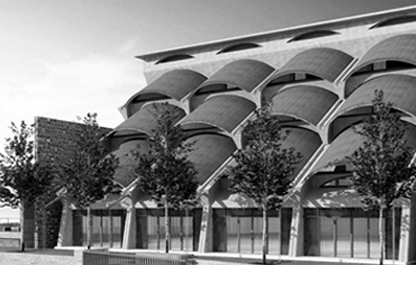
 CASA RIO CLUB

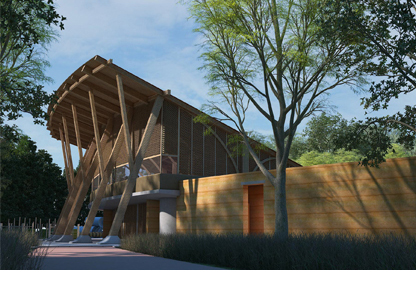
NATURE INTERPRETATION CENTER

PRAYER HALL
 

PALAVA - PARKS AND PUBLIC SPACES


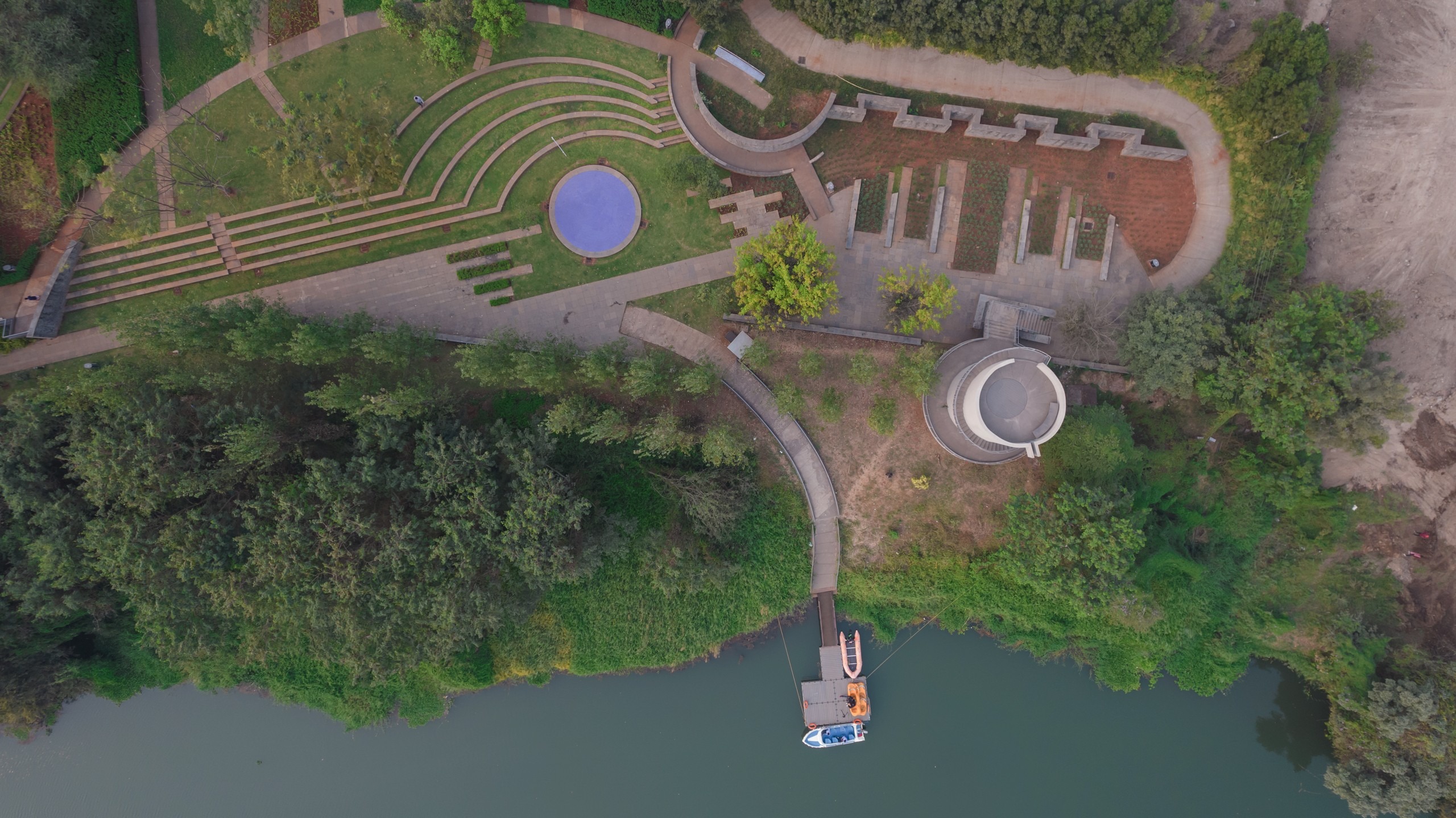
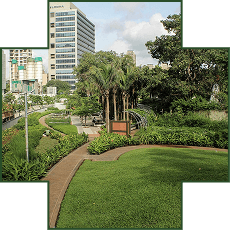
The various parks and public spaces of Palava have taken on the responsibility of not just providing spaces for recreation, but also spaces that have begun to lend a sense of identity to the city. The parks have been a response to the existent plant material, and to the relationship with the water bodies that surround it, and   carry forward the ethos of Palava - keeping the community at the foreground, and devising processes that help involve them in the development of these spaces.

They are a result of multiple expertise coming together, to devise a precise, but consultative process for their design, and execution.


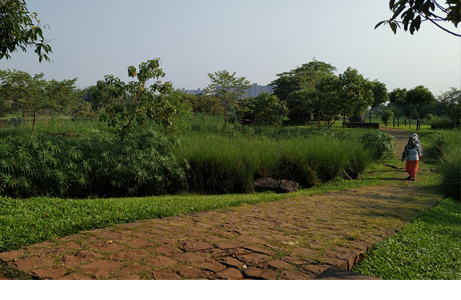
KHONI WETLAND PARK
 

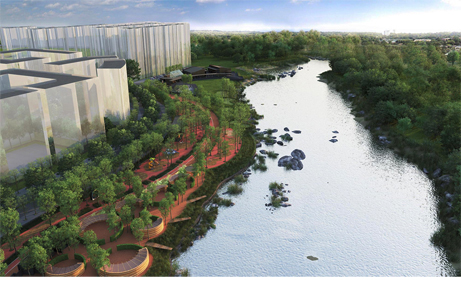
WATERFRONT PARK
 

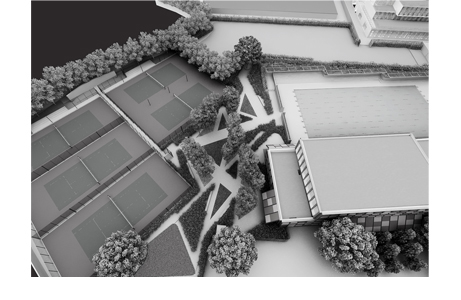
SPORTS COMPLEX
 

Continue Reading

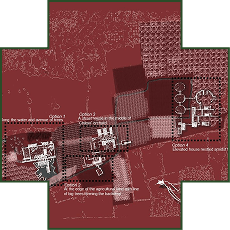
Planning A Town
Project

Planning A Town

VARANASI - THE VILLAGE
Project

VARANASI - THE VILLAGE

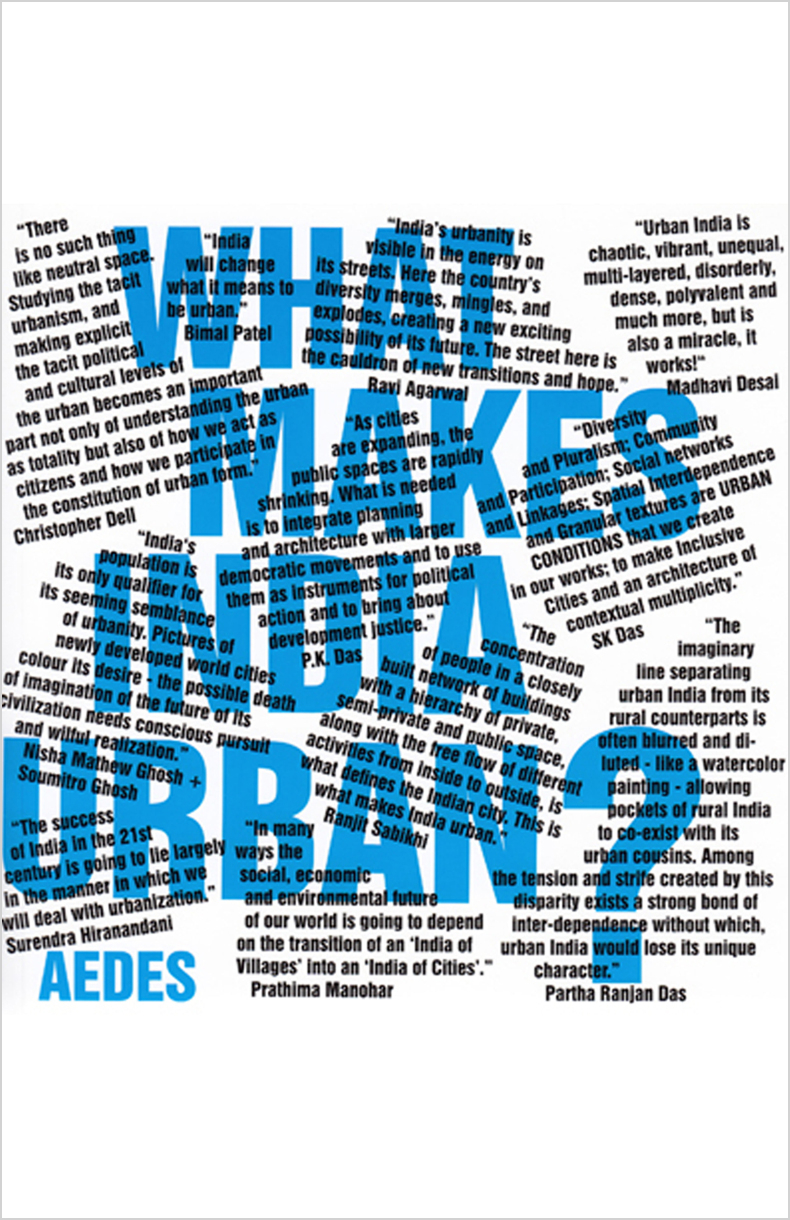
What makes india urban – an essay by aniket bhagwat on the development and infrastructure in india.
Column

What makes india urban – an essay by aniket bhagwat on the development and infrastructure in india.

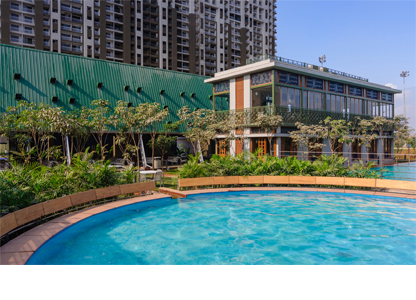
Critical review – arjun mallik and ravindra punde review casa rio club.
Media

Critical review – arjun mallik and ravindra punde review casa rio club.

Books on indian livable cities and indian design
Blog

Books on indian livable cities and indian design

Code r.e.d
Blog

Code r.e.d

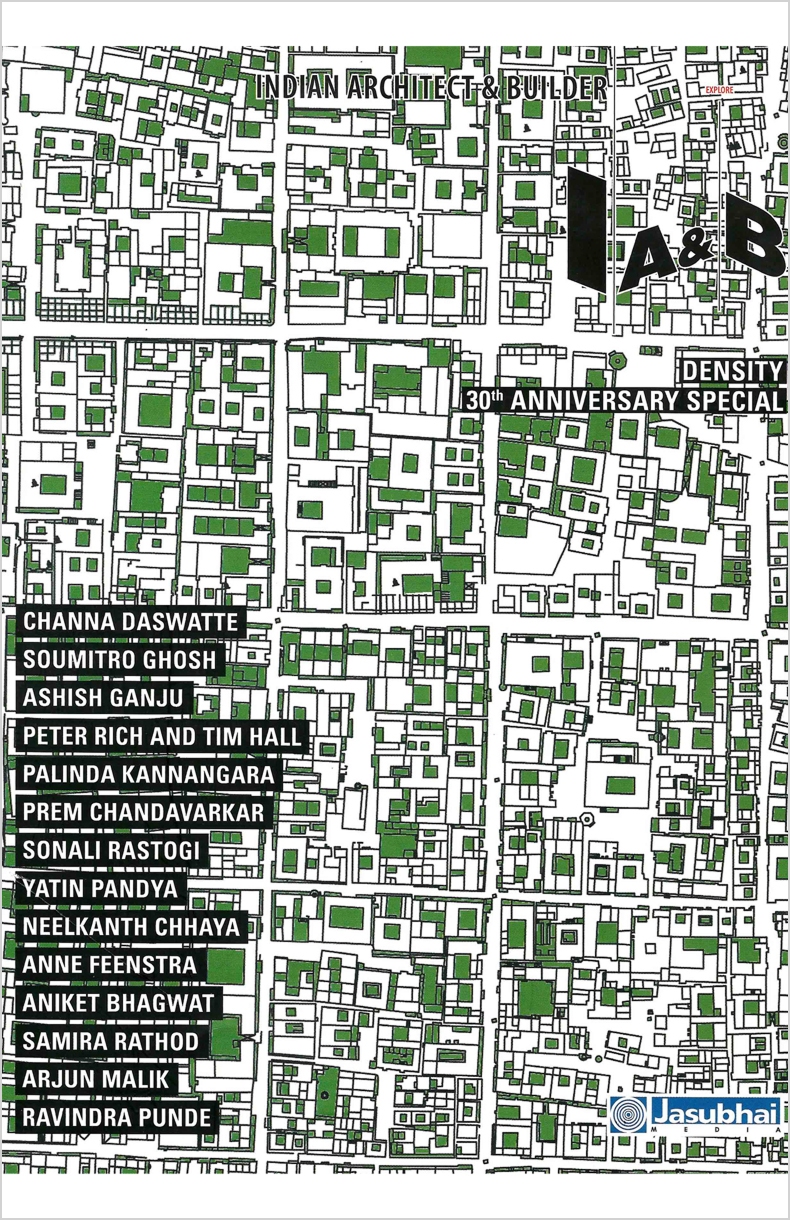
About the infrastructure development in the cities: aniket bhagwat
Publication

About the infrastructure development in the cities: aniket bhagwat

ANJUR | UPPER THANE
Project

ANJUR | UPPER THANE

BELMONDO
Project

BELMONDO