“Gardens can be considered to be counterparts to the urban built fabric; opposite and compatible simultaneously.”
Location
Mumbai
Typology
Public Garden
Site area
6070 m2
Landscape design as a discipline is not program heavy, and hence has the relative freedom to convey multiple narratives. It has the ability to hold ideas to represent ecological and cultural history.
What kind of a park does one design in the Maximum City? What kind of park does one build in a city that was once the Manchester of India and has been built of multiple stories? What role does one assign to a park in a time where ideas of community and identity are tenuous?
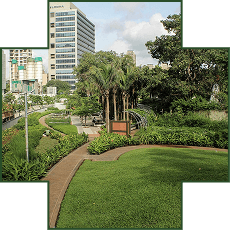
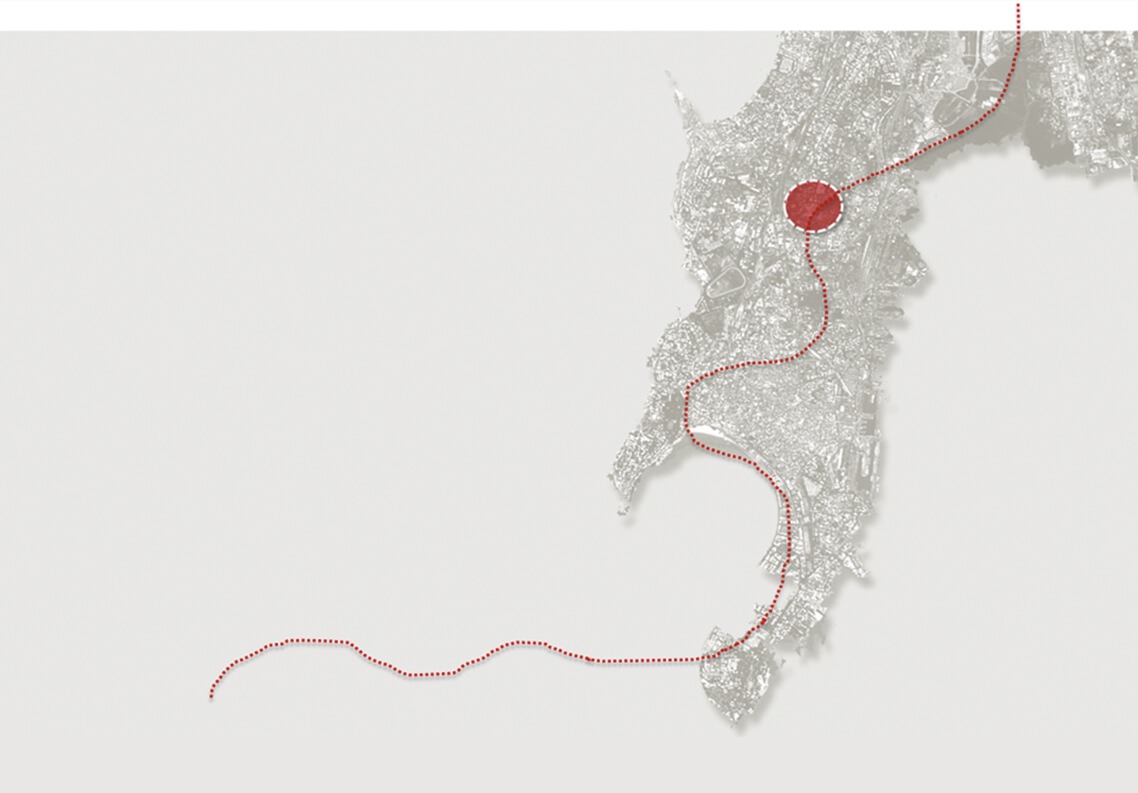
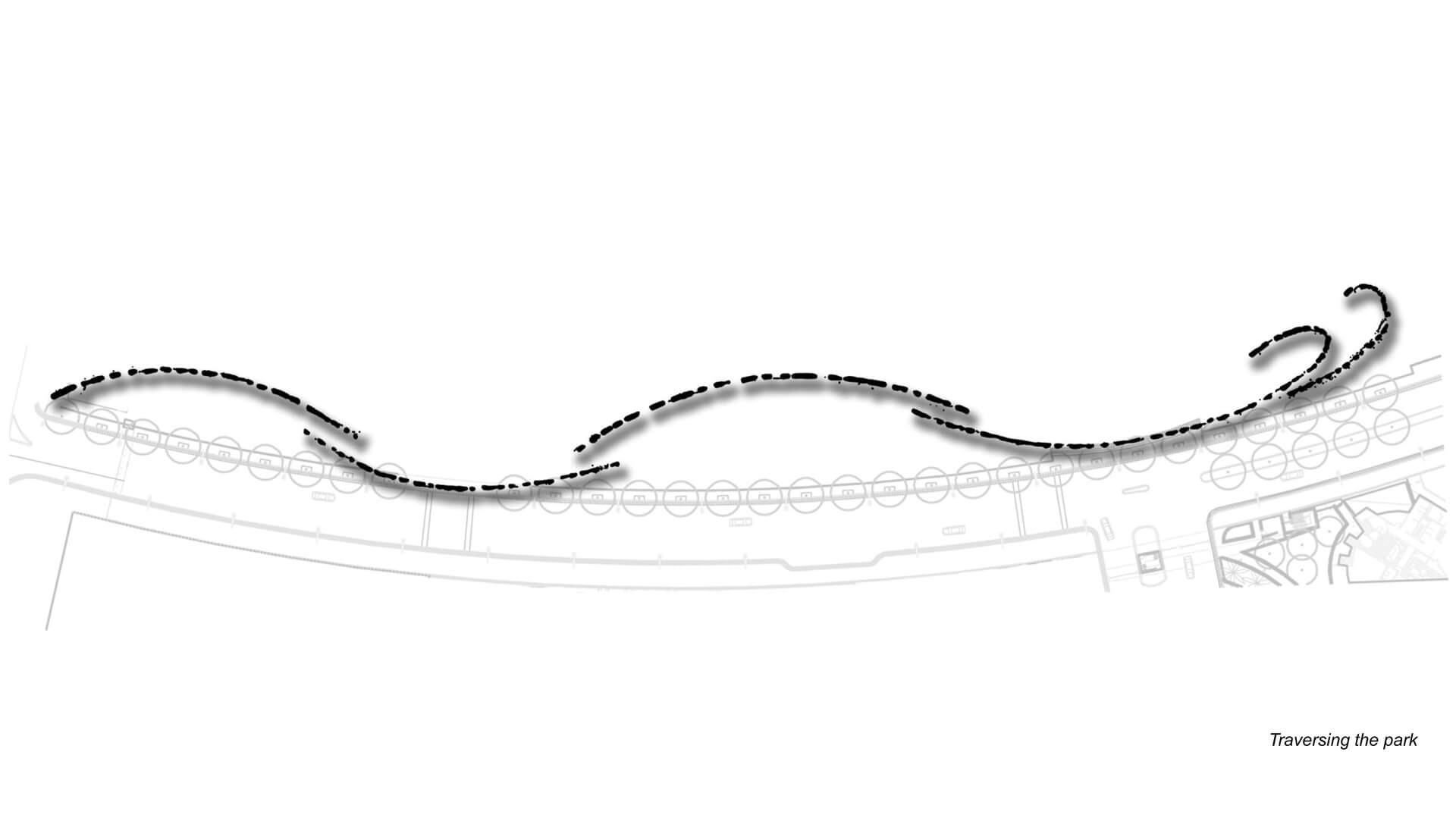
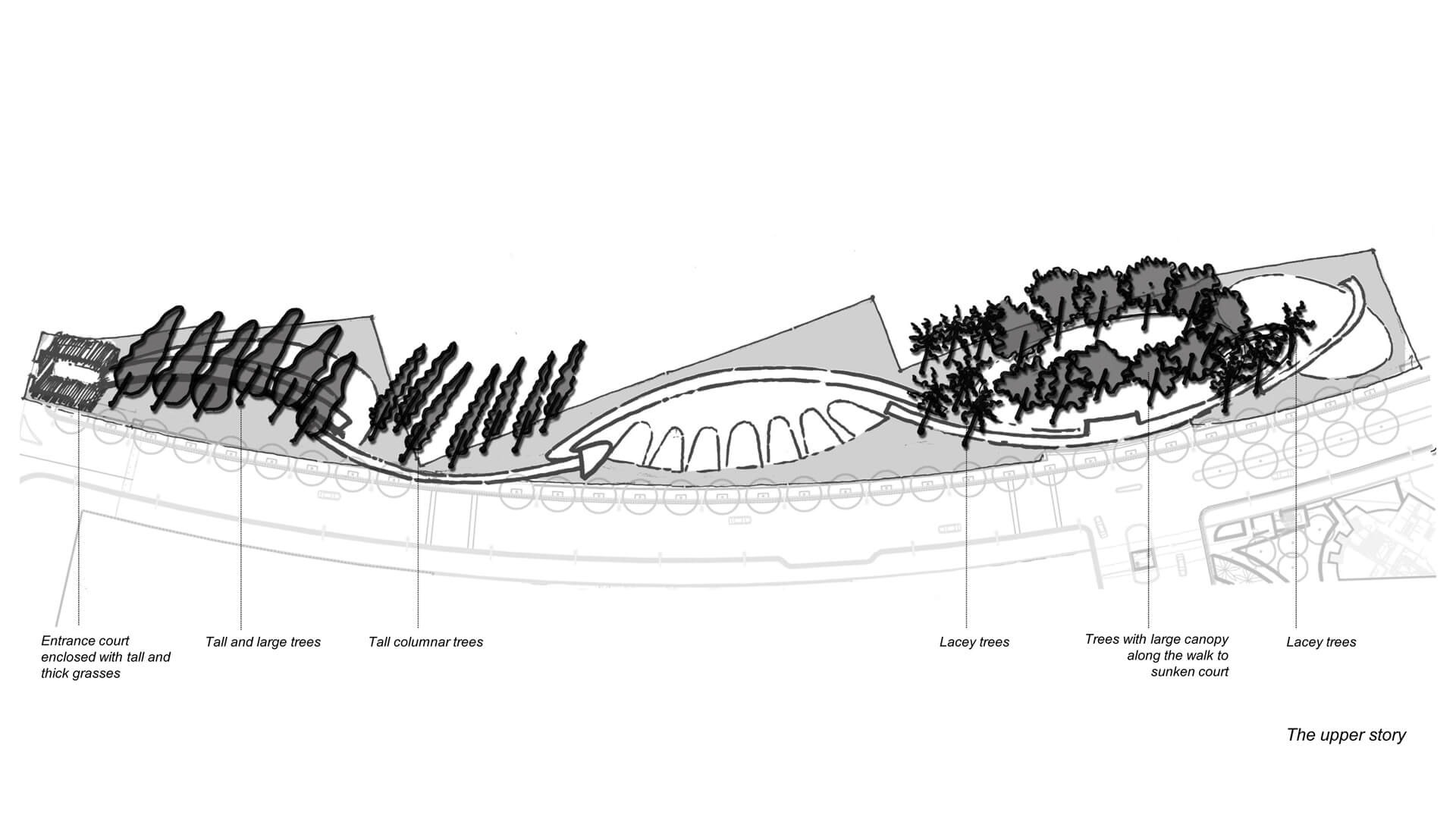
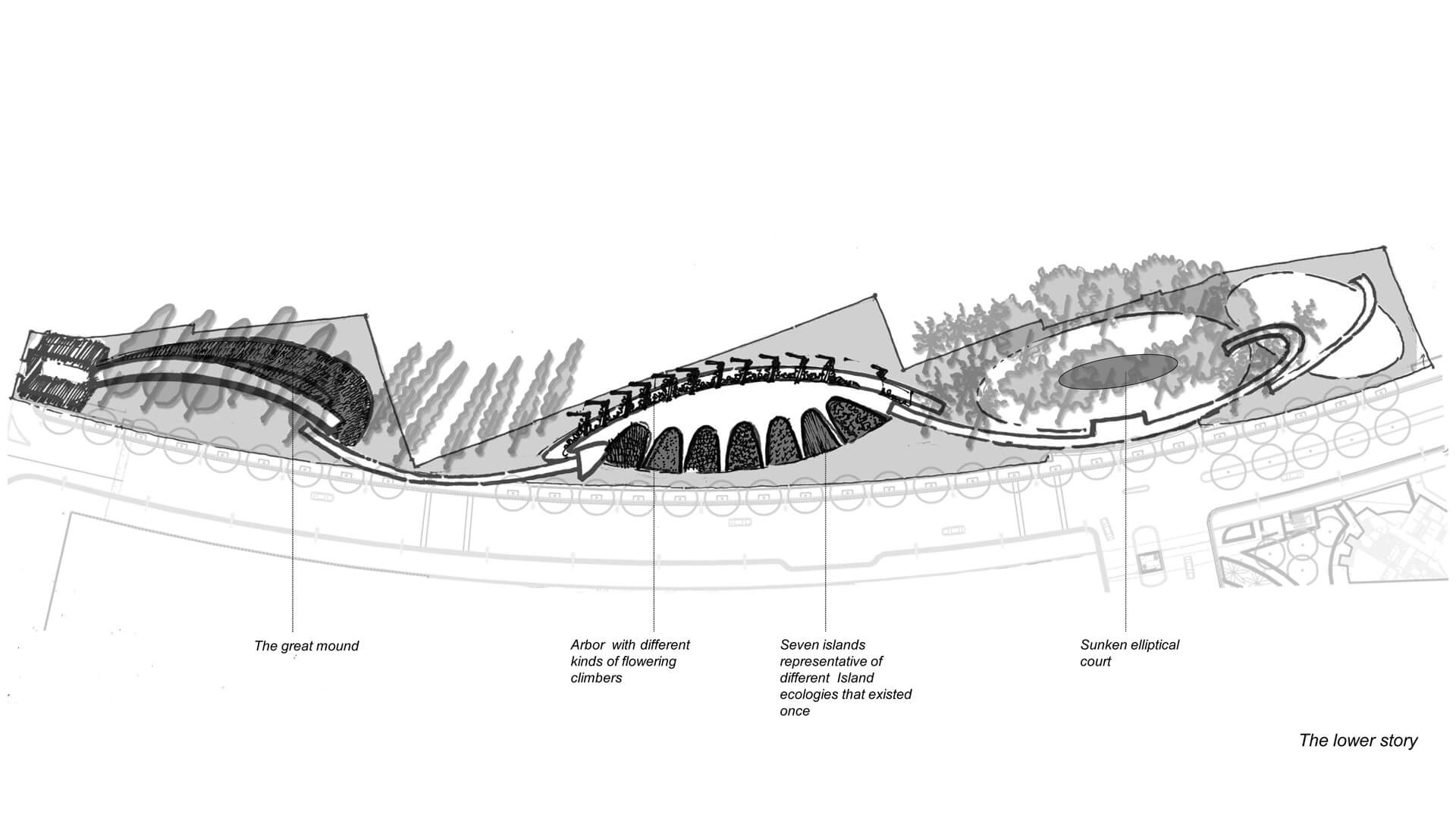
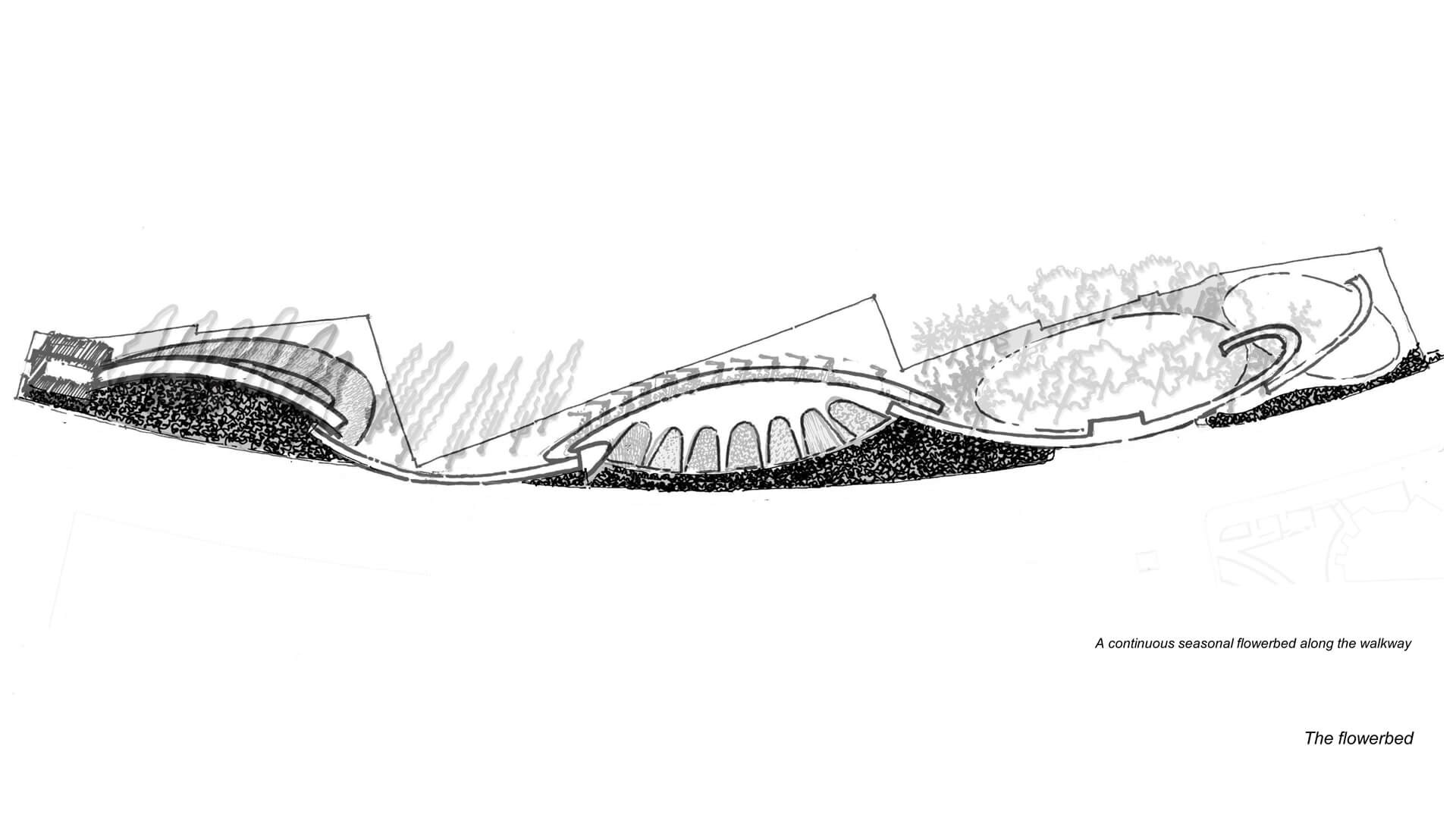
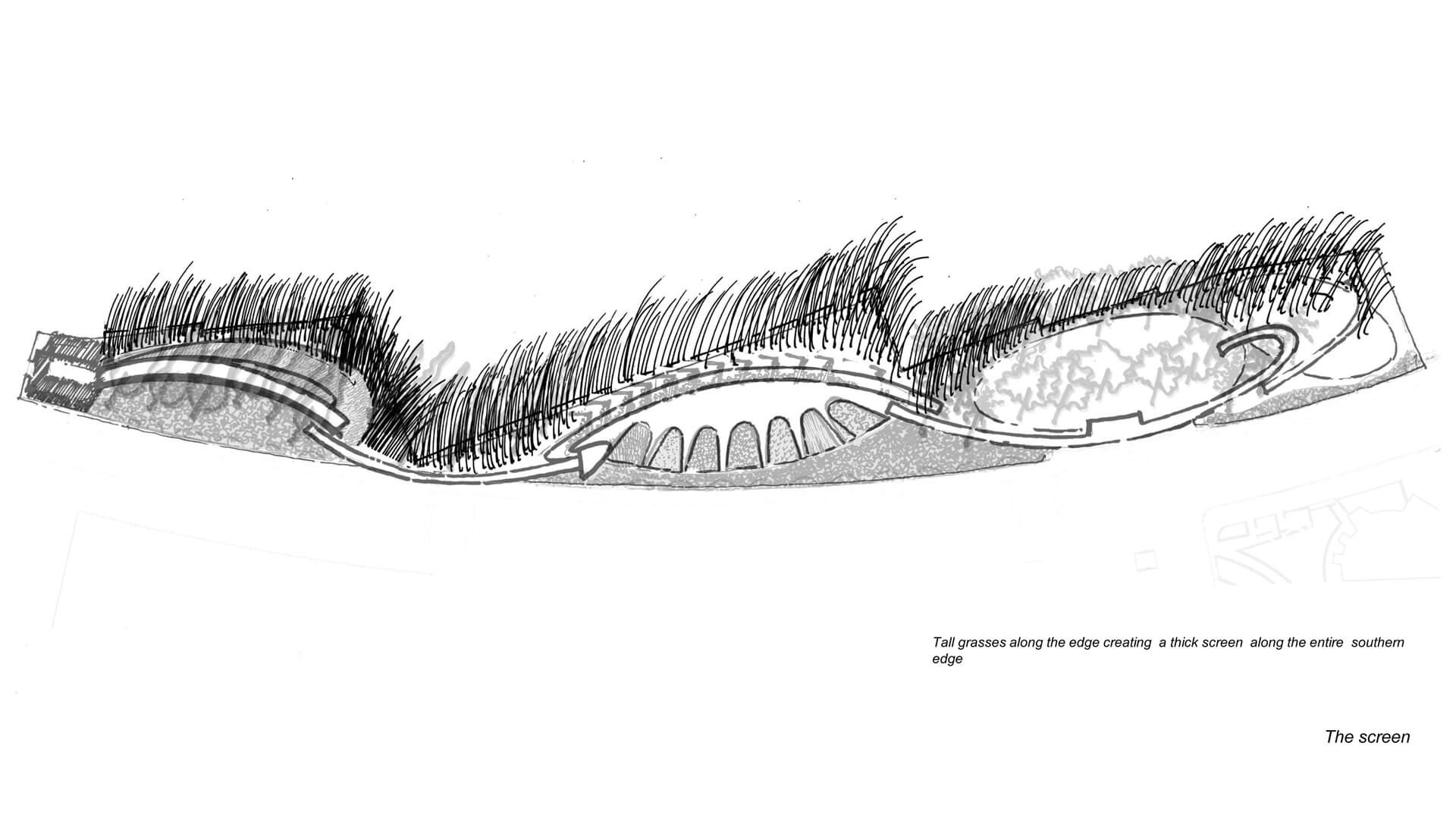
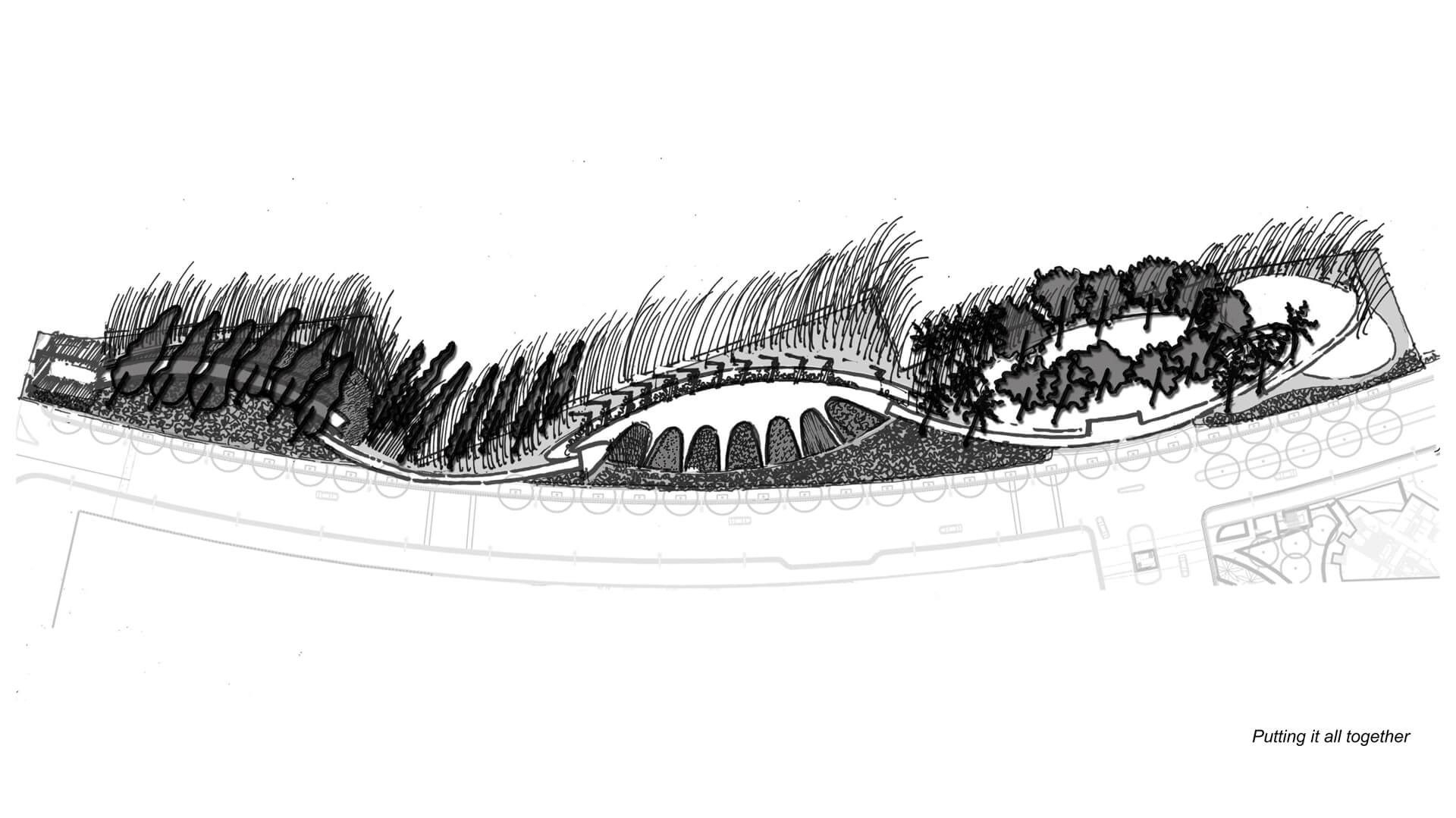
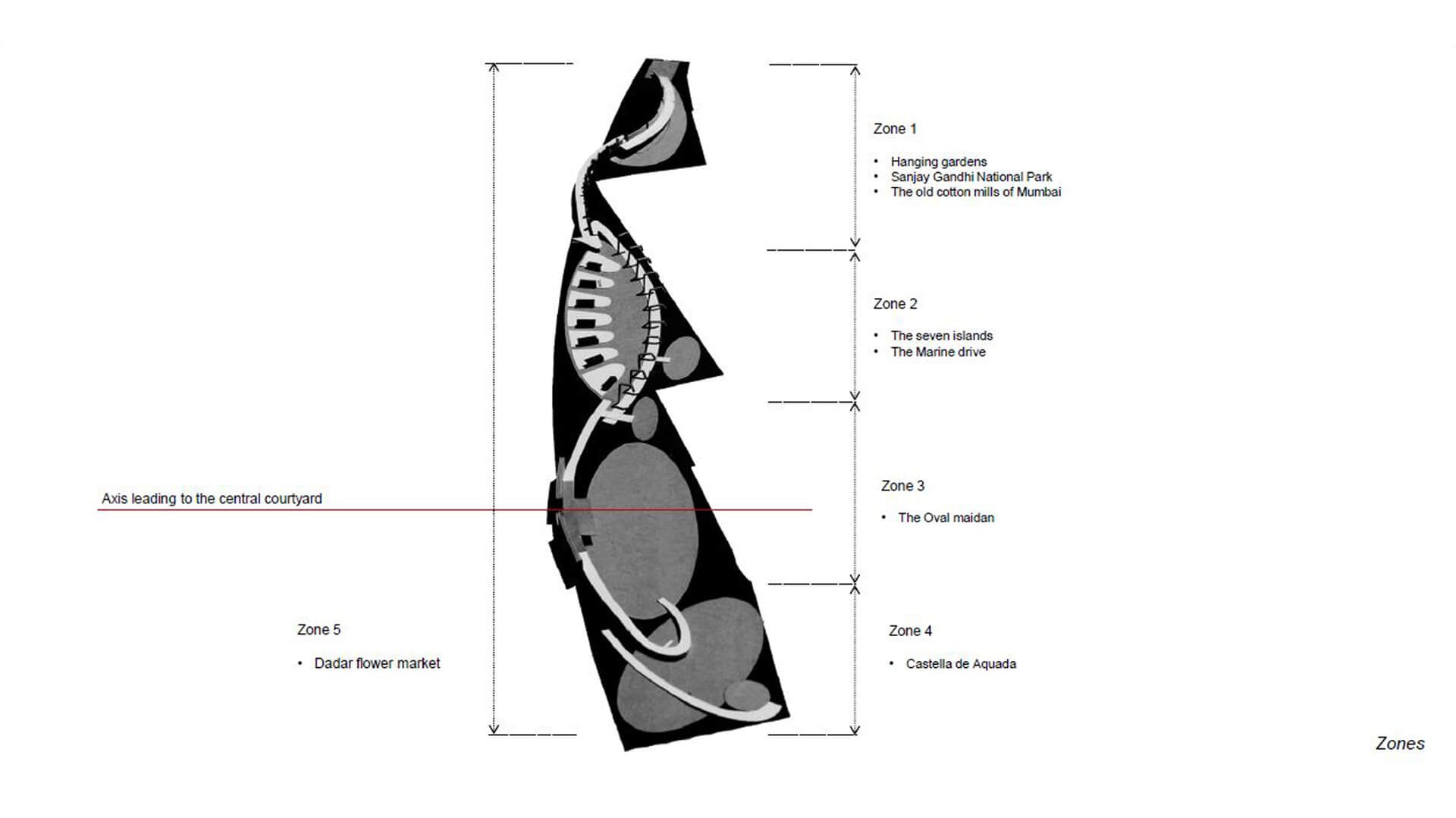
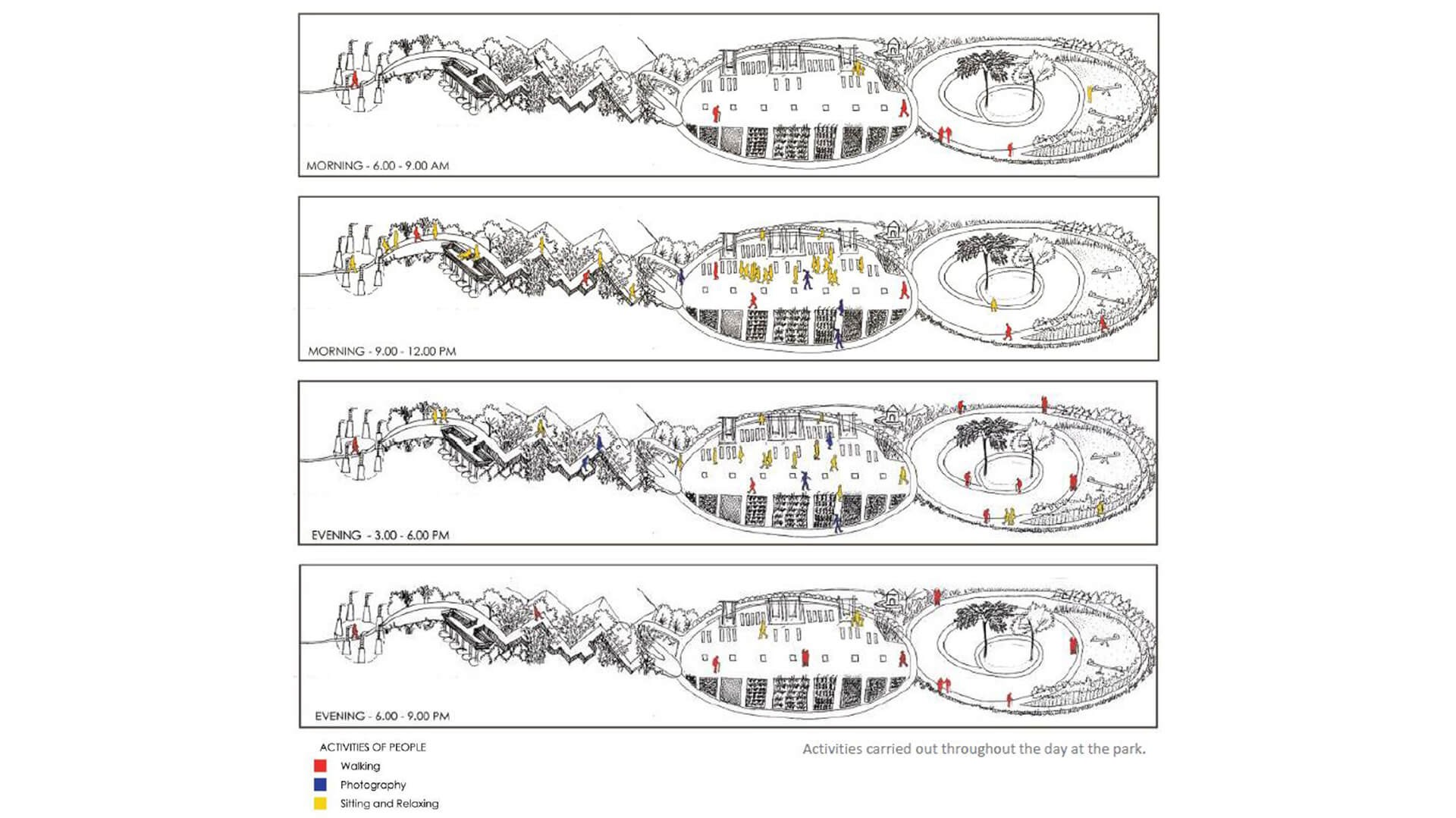
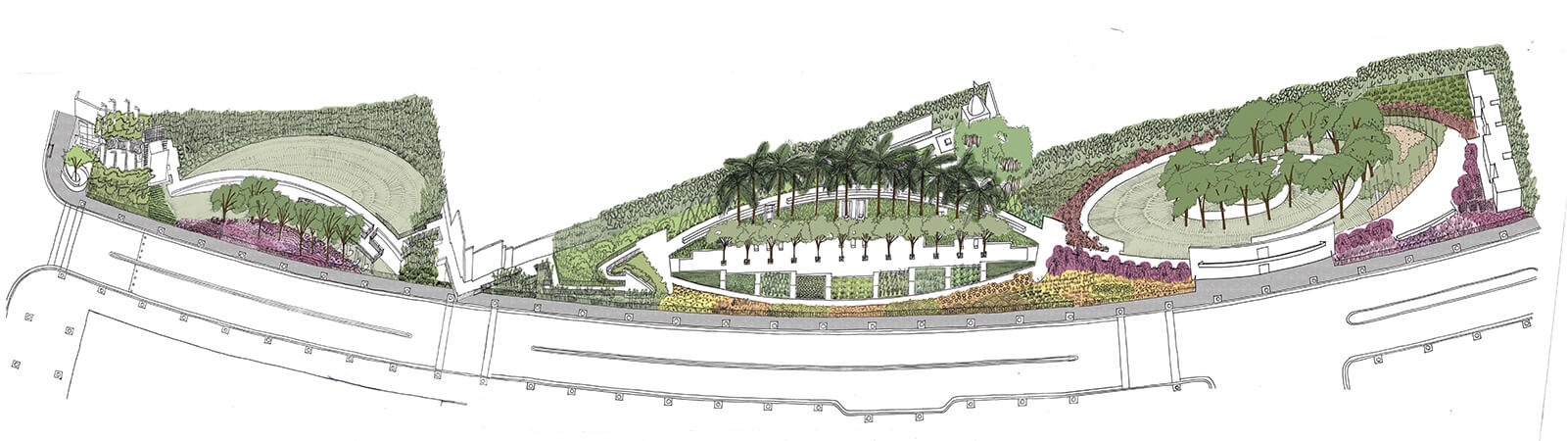
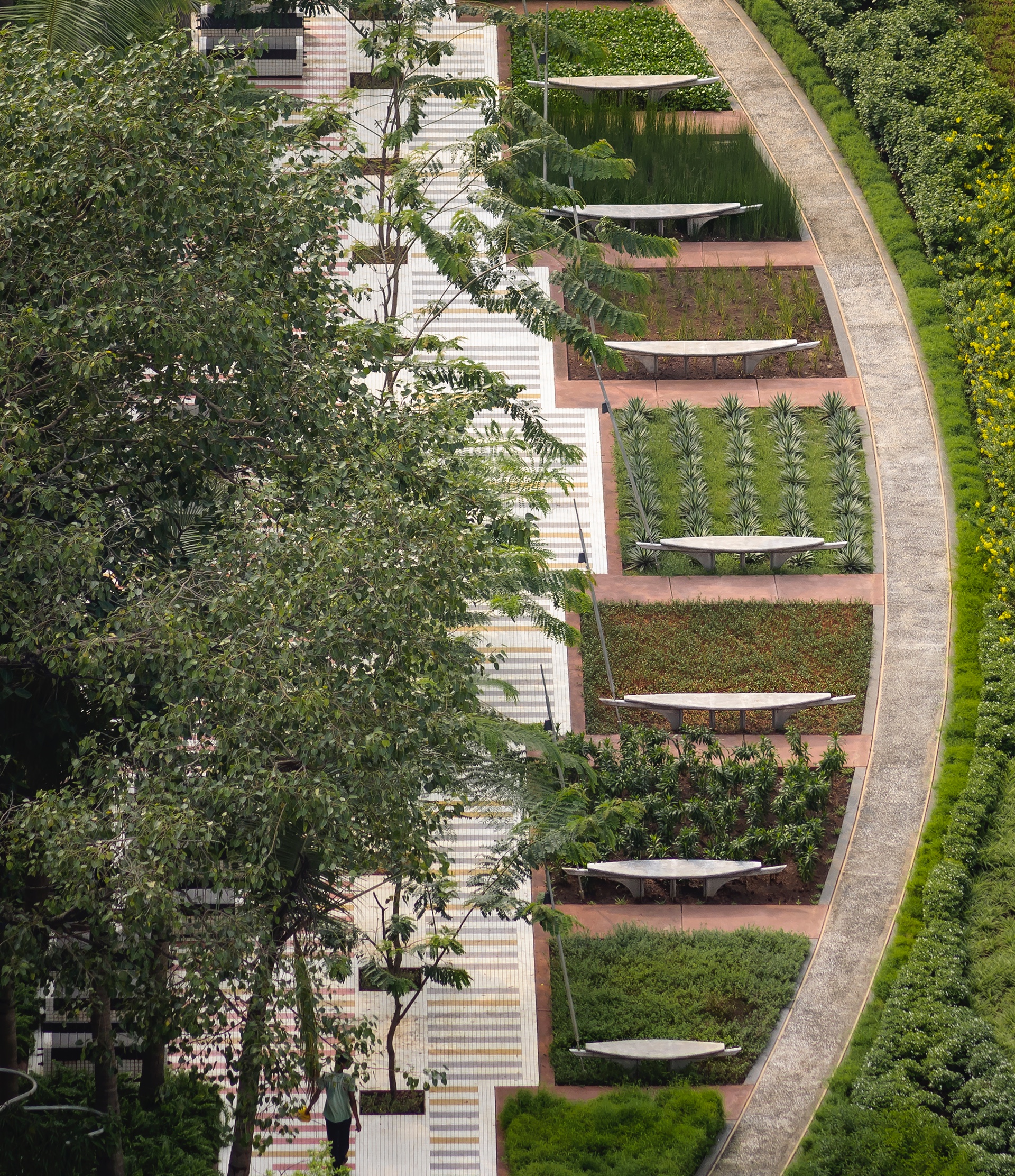
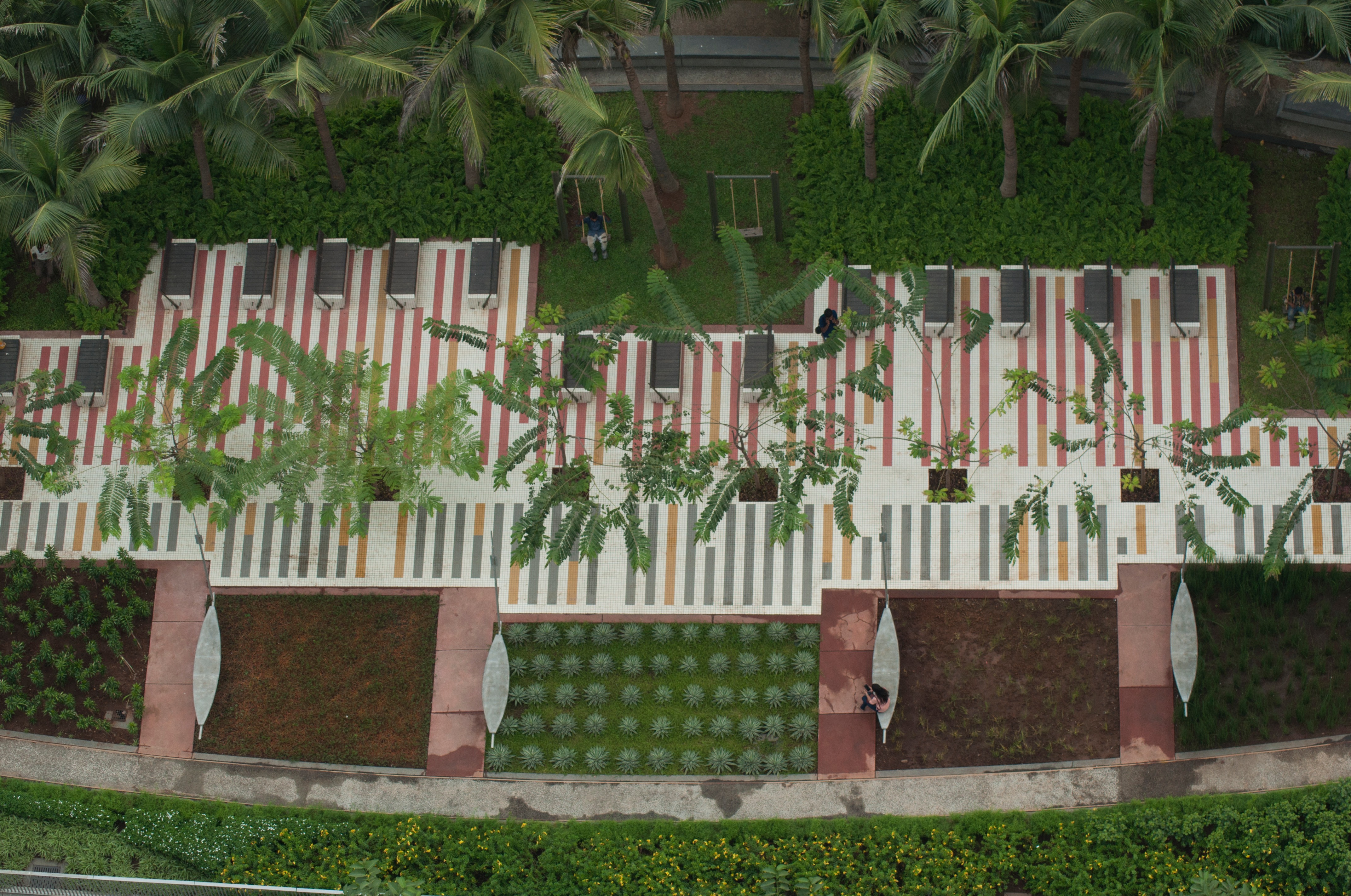
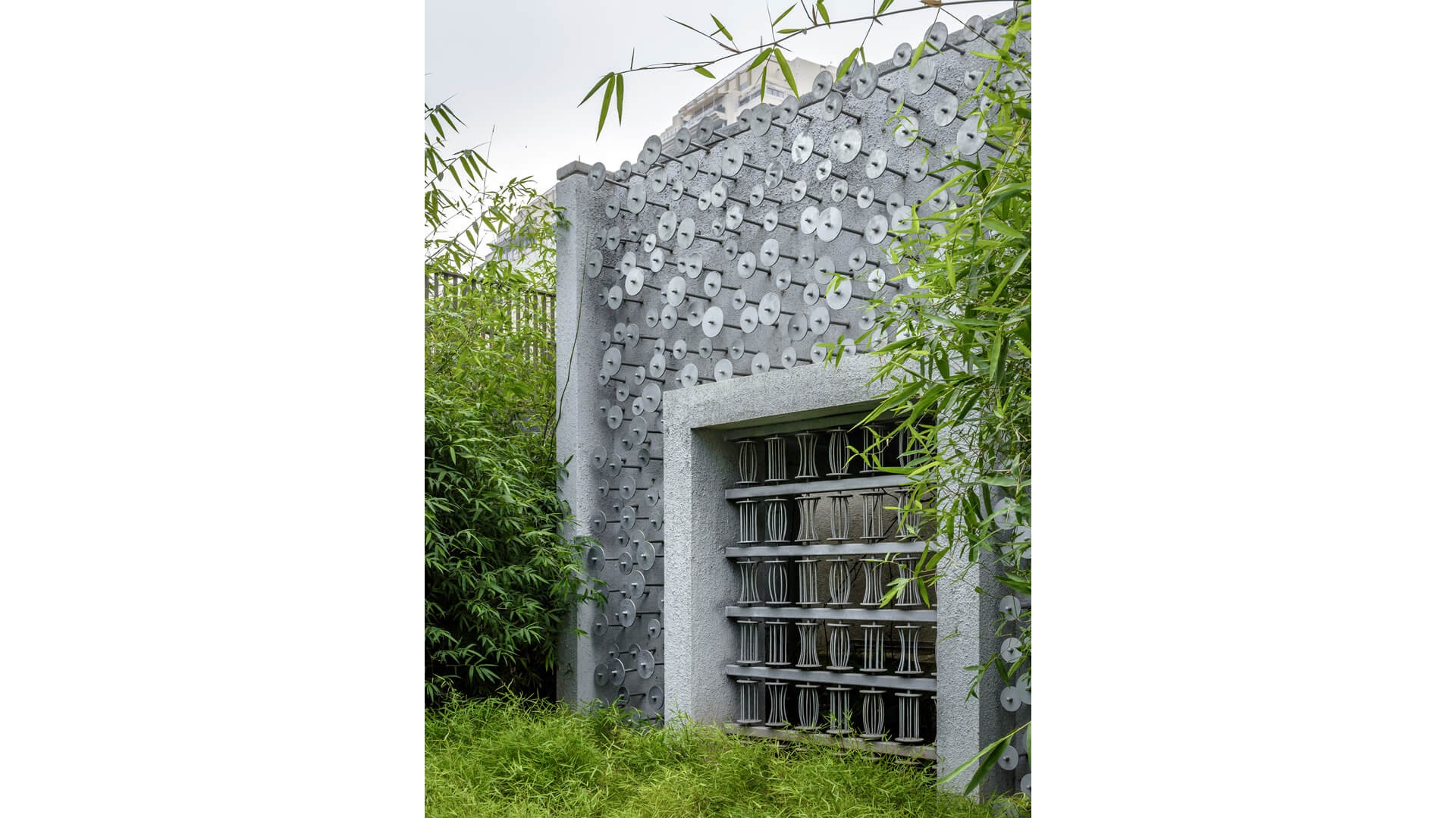
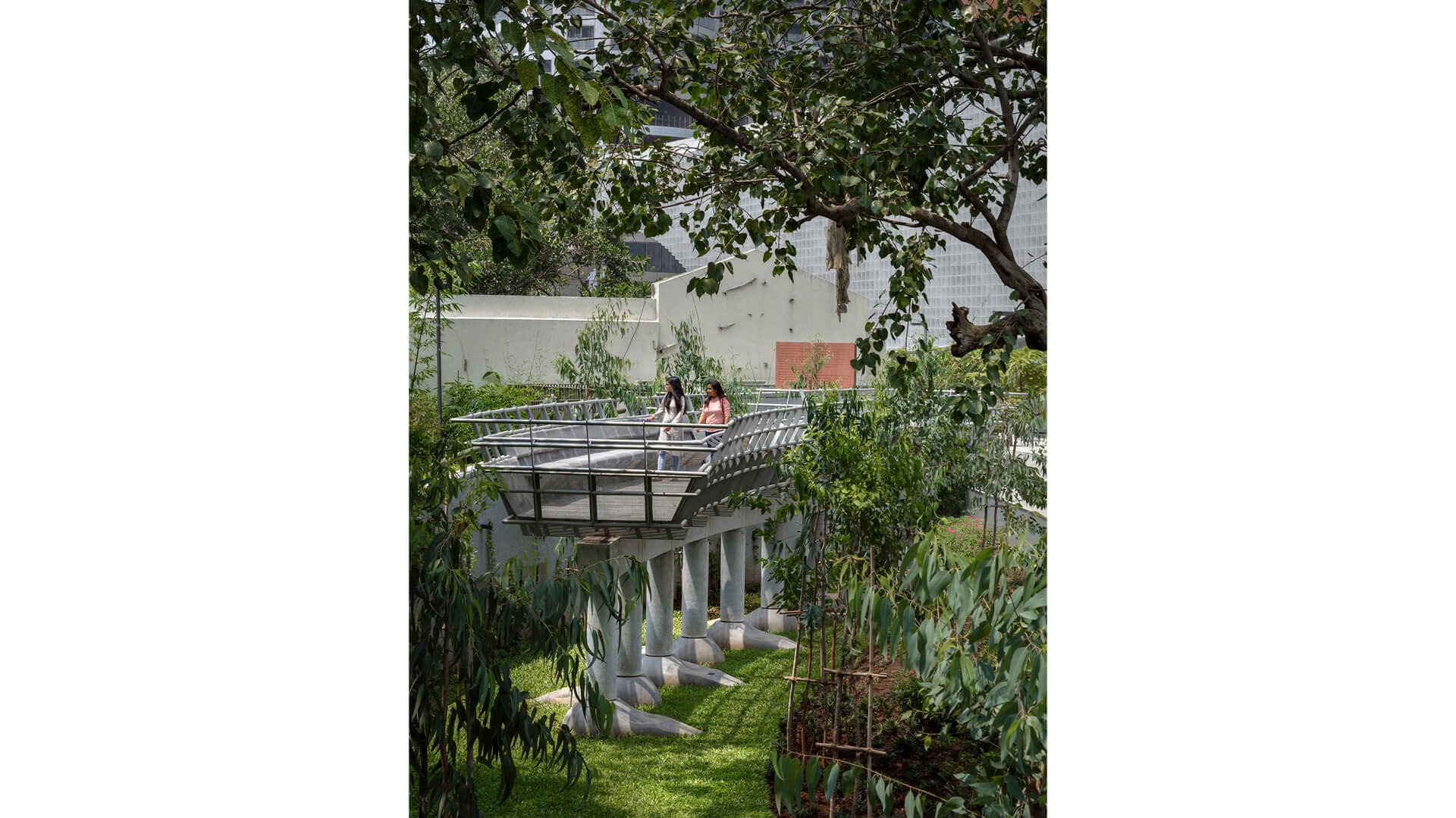
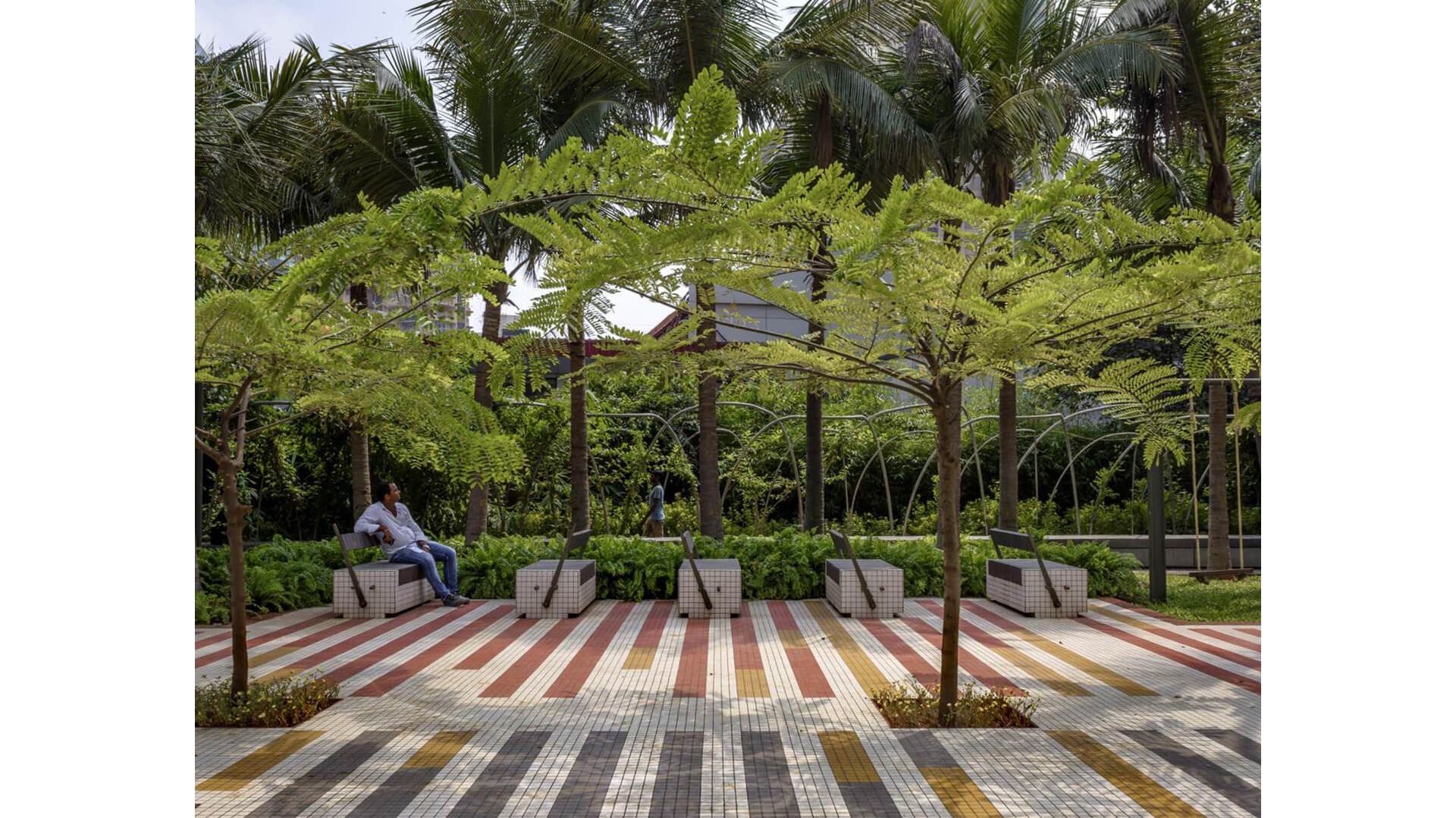
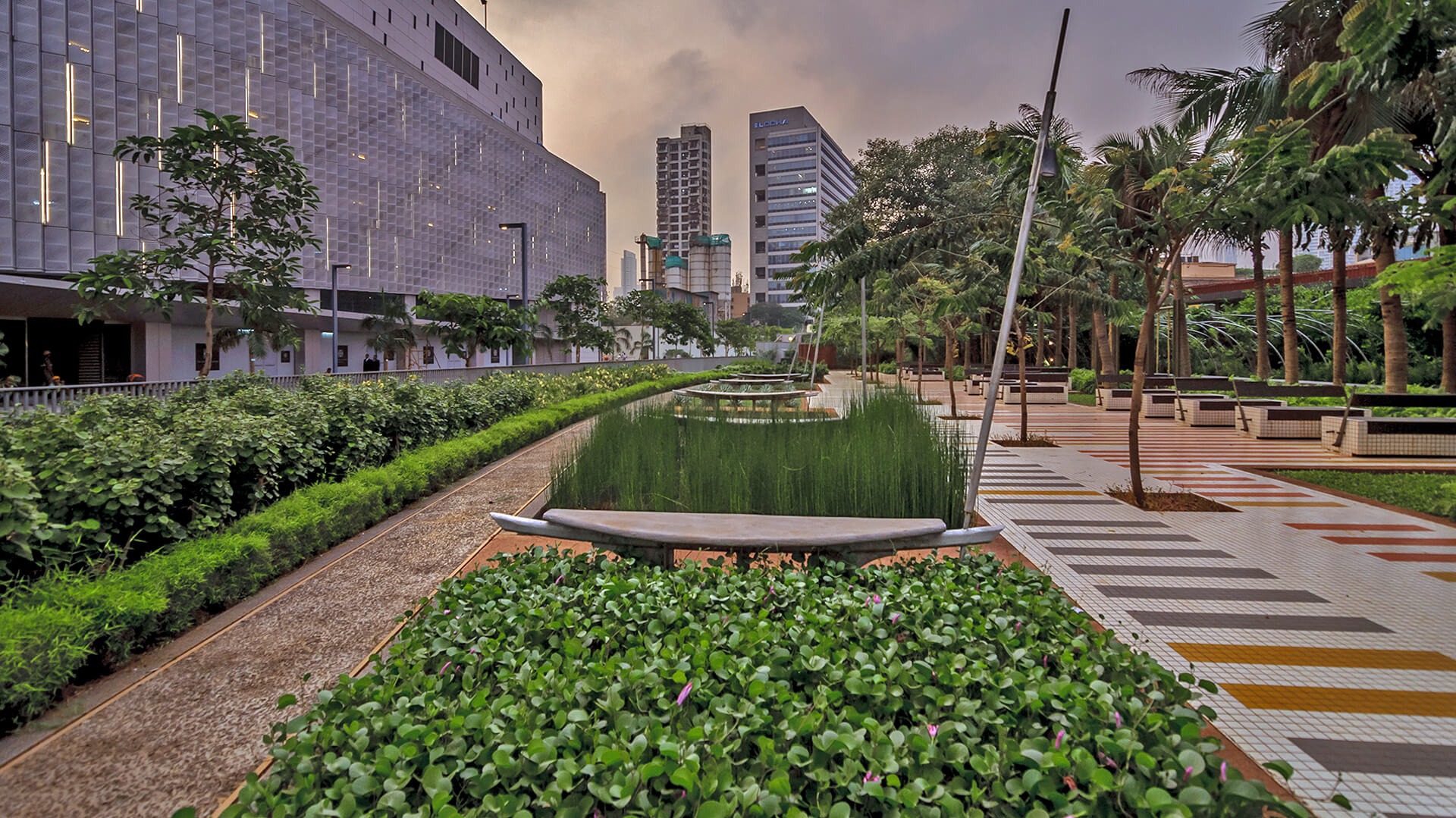
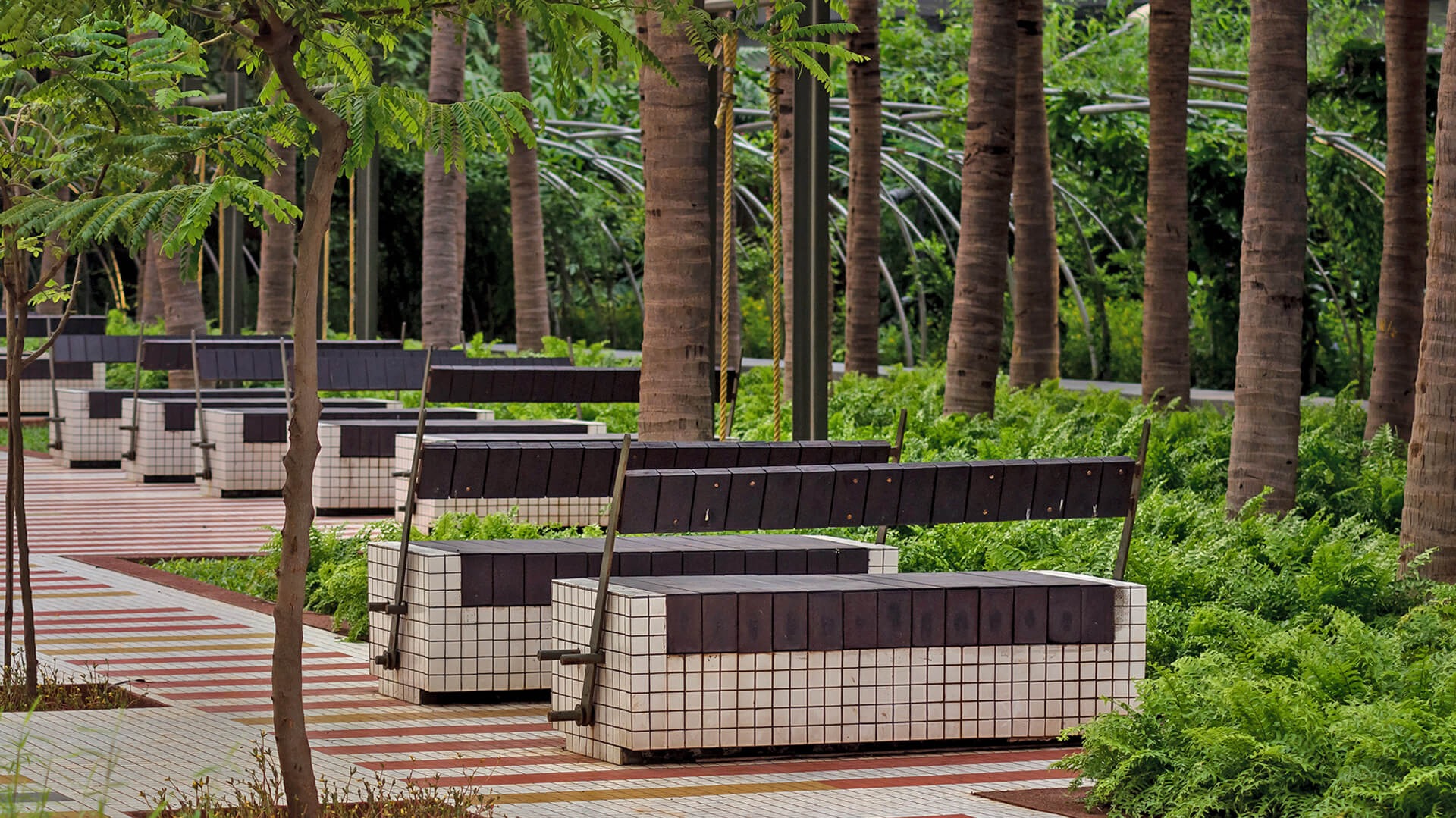
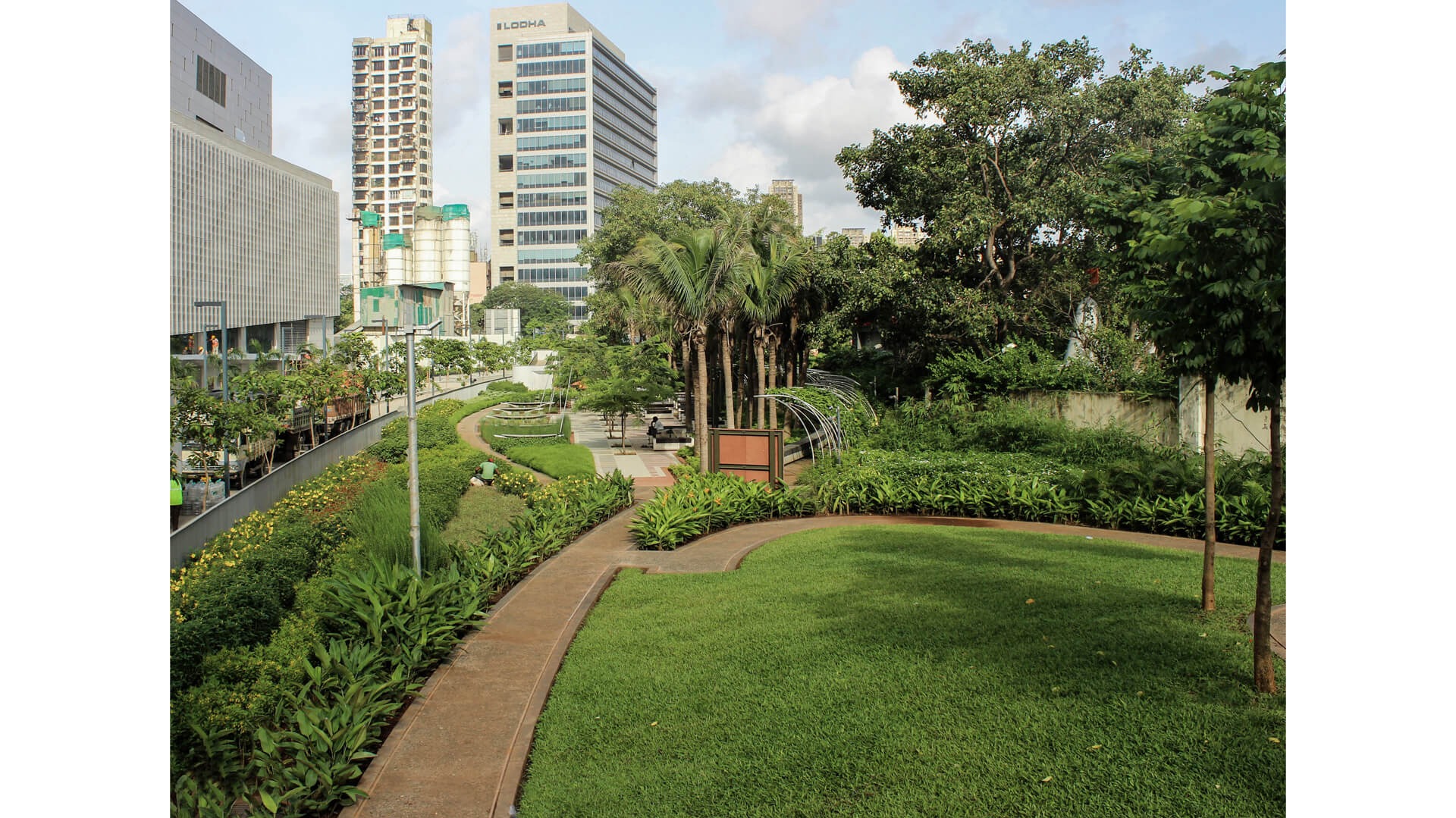
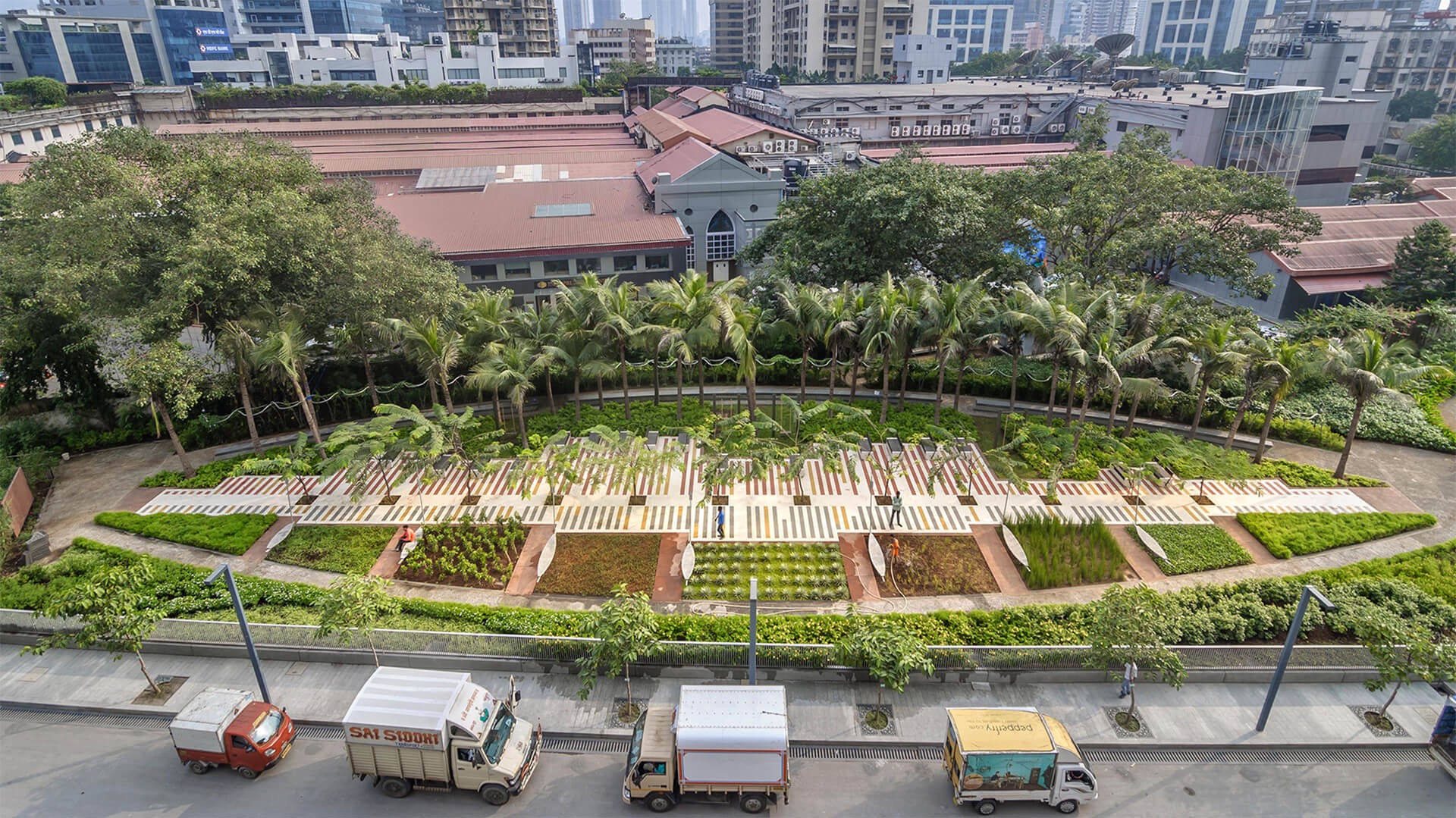
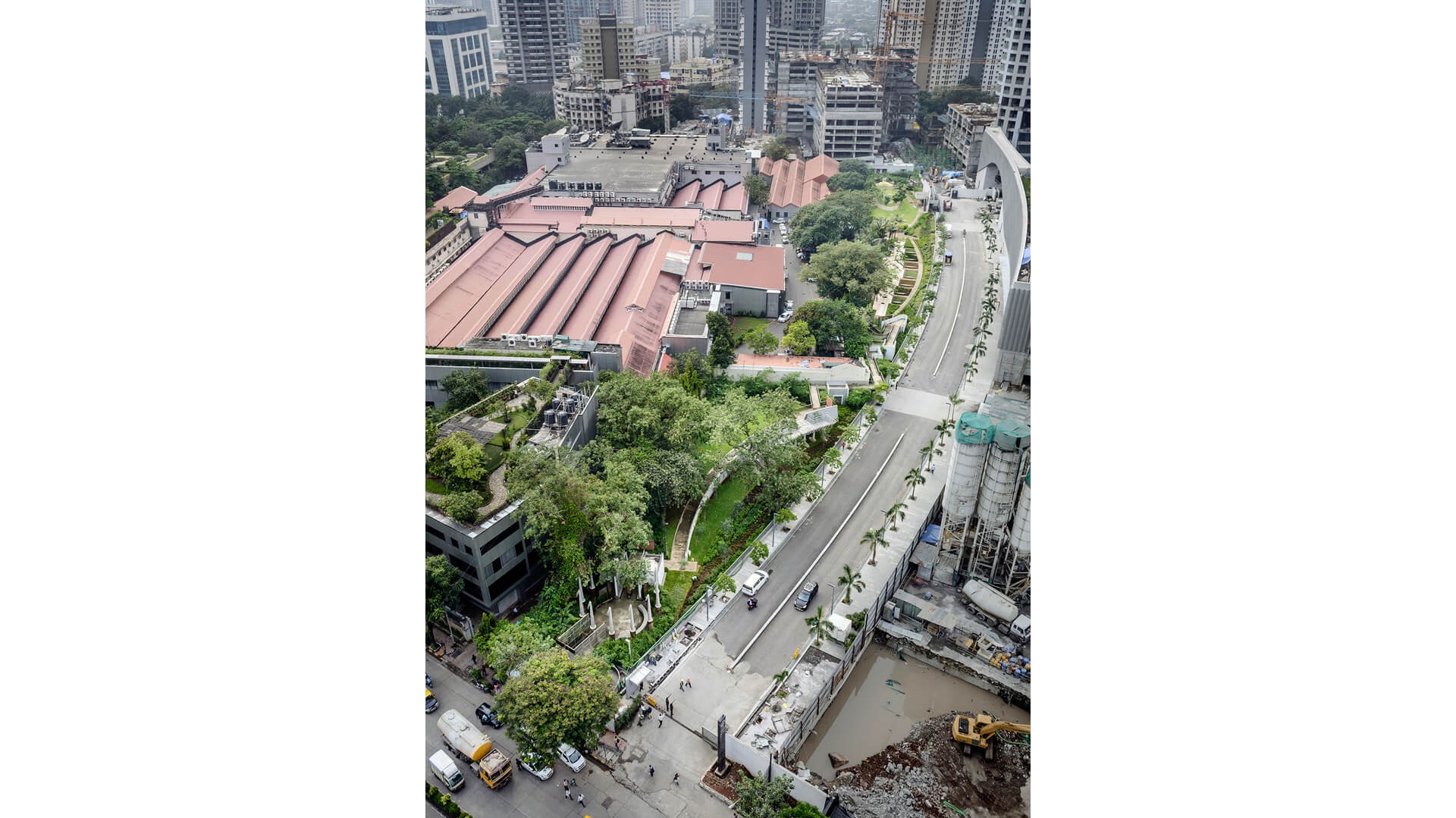
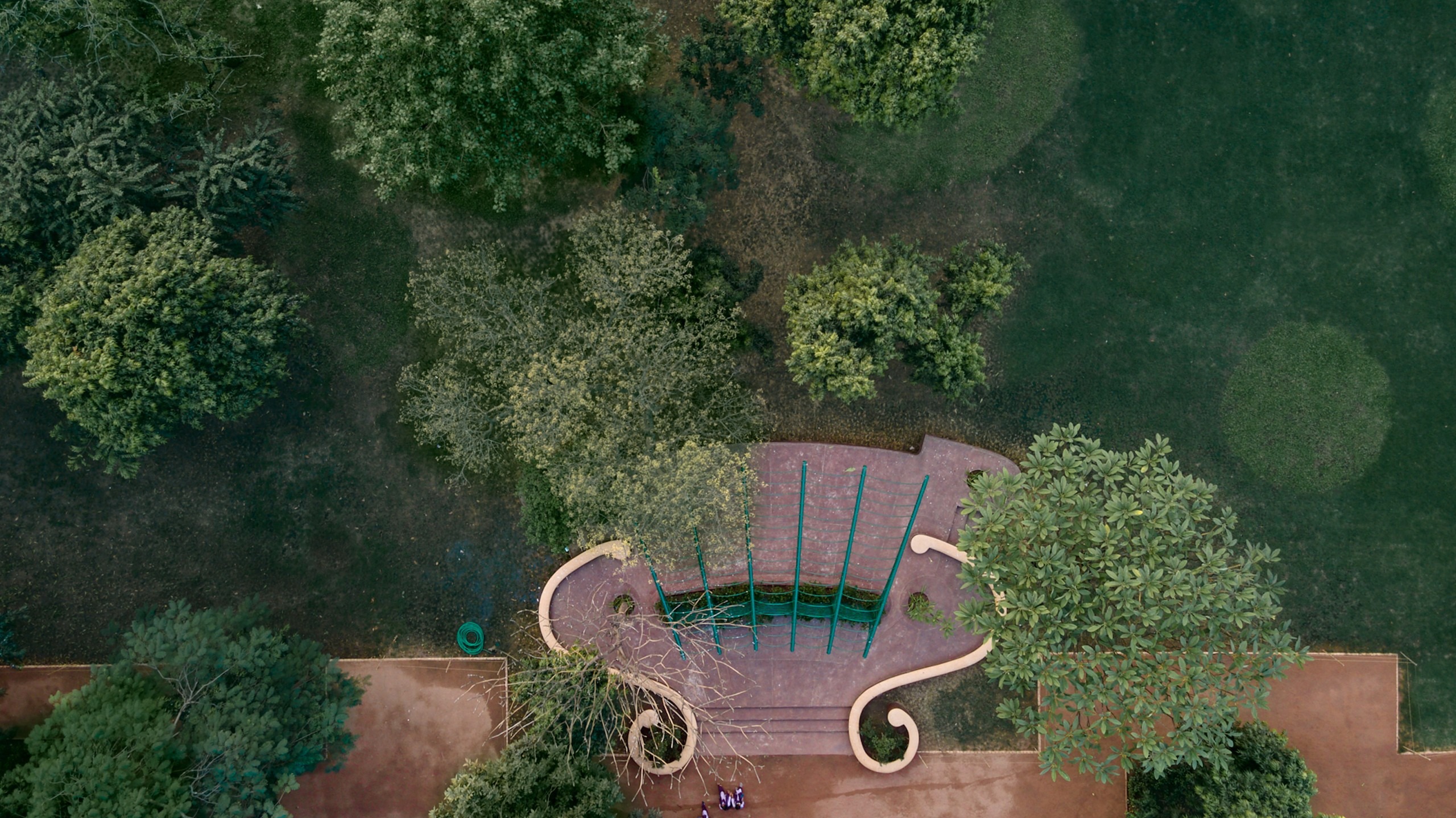
Linear Park, spread over 6000 odd sq.mts, sits in the shadow of one of the tallest residential buildings - World One. It is a zigzag strip of land between a towering residential building and an extremely busy road and is divided into four zones; each zone comprising symbolic representations of places in the city.
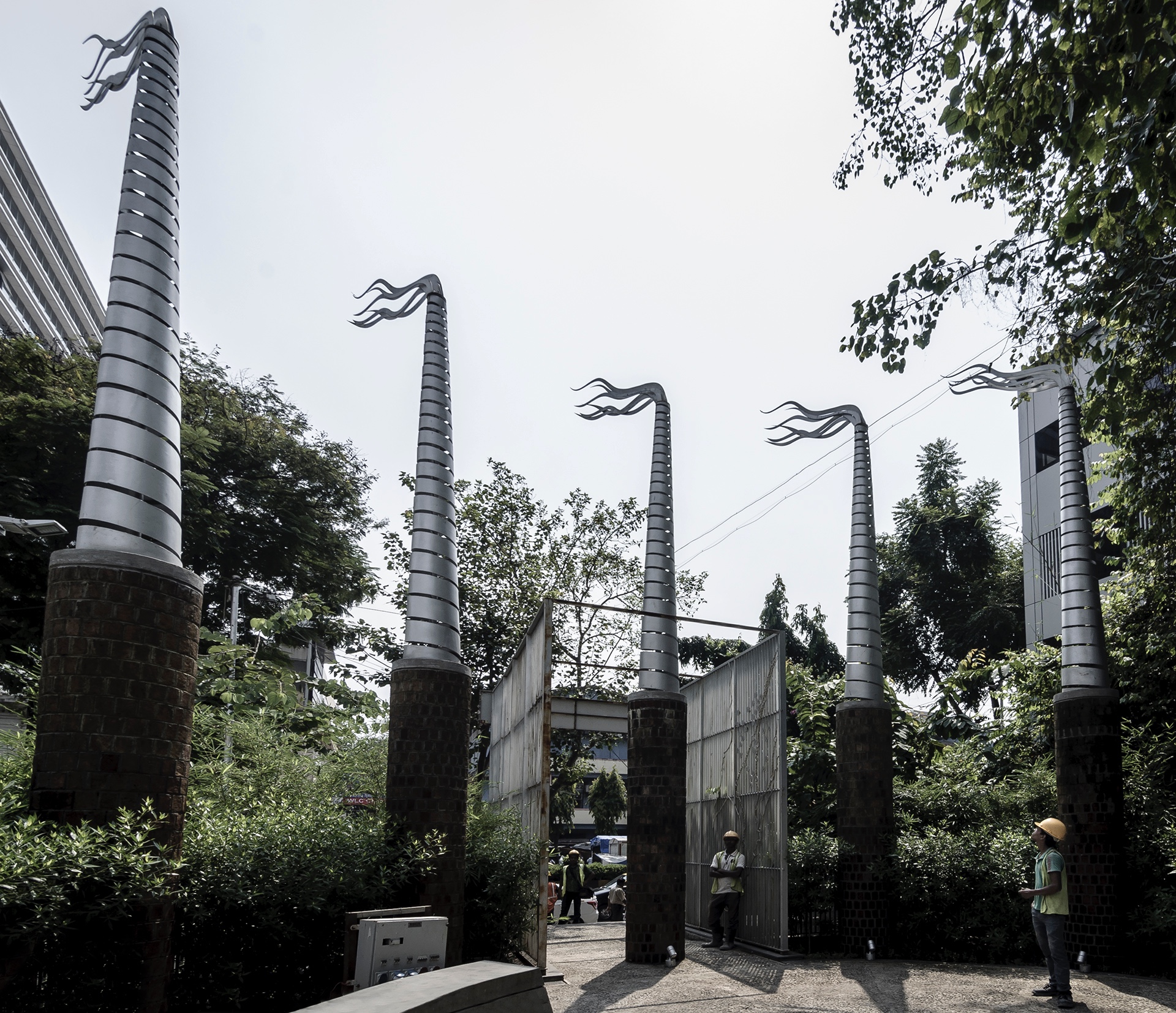
It makes the history of Bombay absolute. It pays tribute, simultaneously to the city’s ability for economic development - the textile mills, the dockyards, Marine drive.
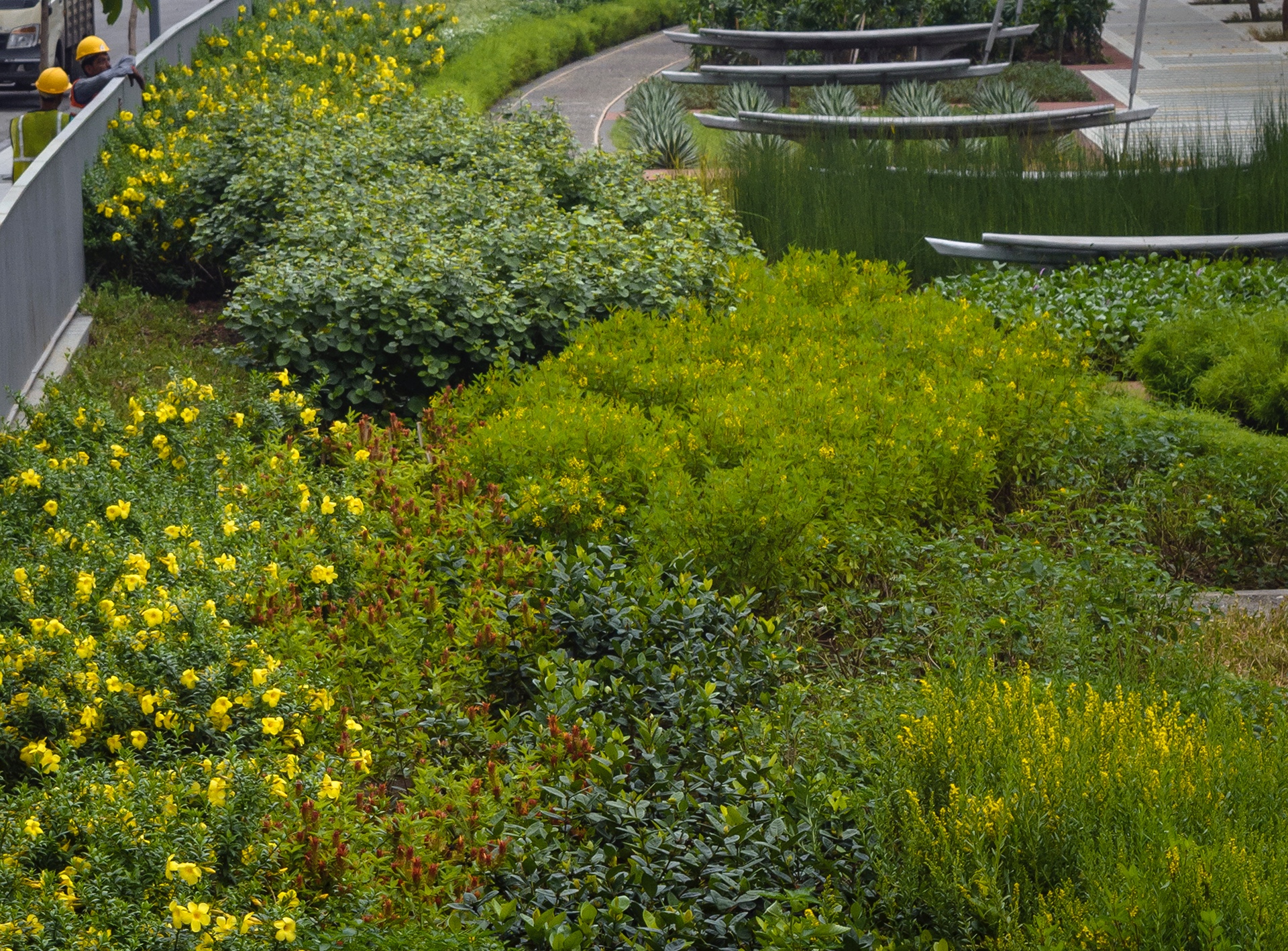
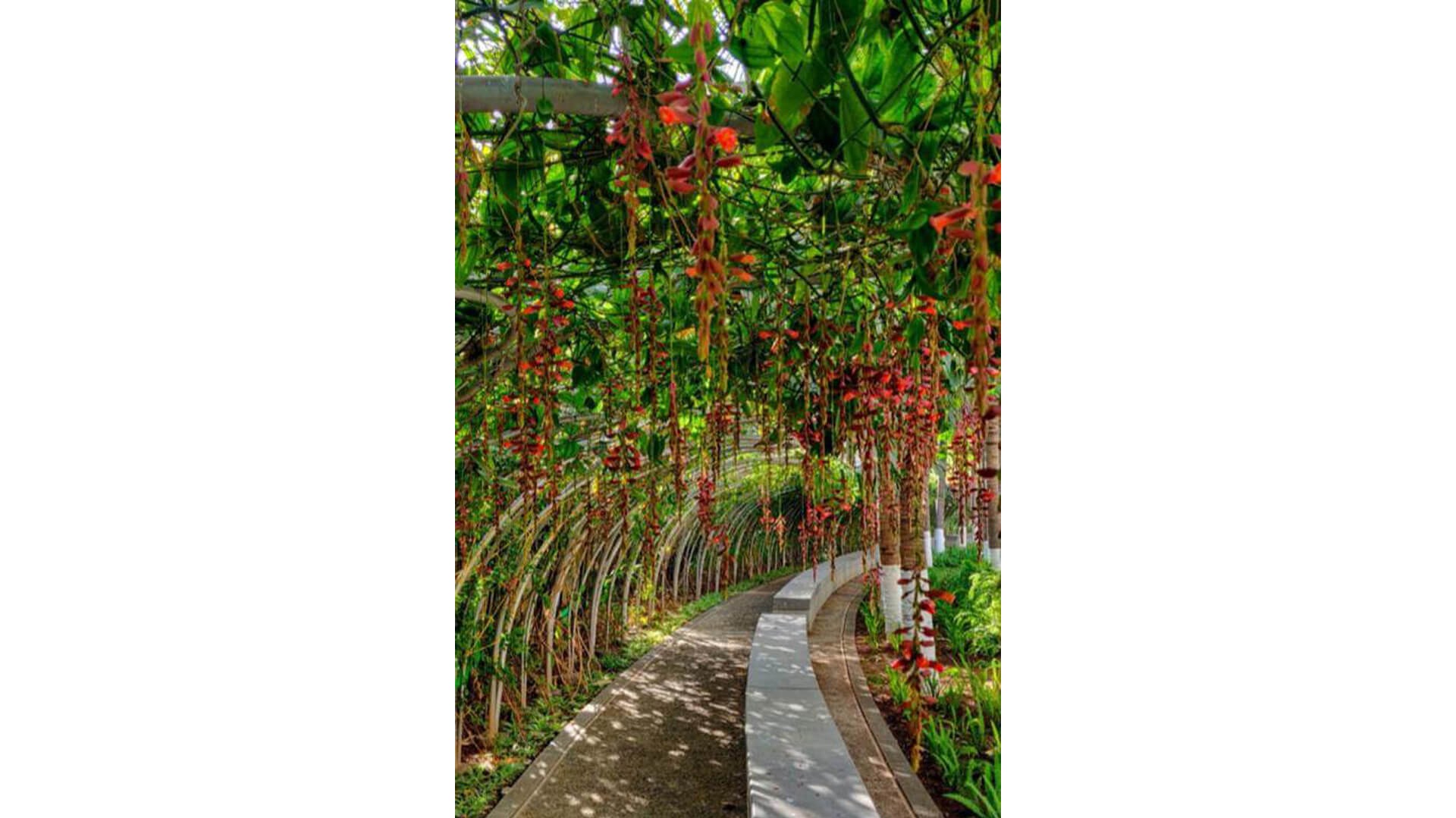
And to the softer elements that make up the city’s cultural and social heritage – Bandra Fort, Sanjay Gandhi National Park, the Dadar Flower Market.
It acknowledges that public parks, by virtue of the characteristics associated with them - accessibility, information, assignment of function and greater programmatic freedom - must take on roles larger than those associated with such typologies.
Beyond being a public park, it takes on the responsibility of recording the history of the city, and becoming a tool by which to aid collective memory.