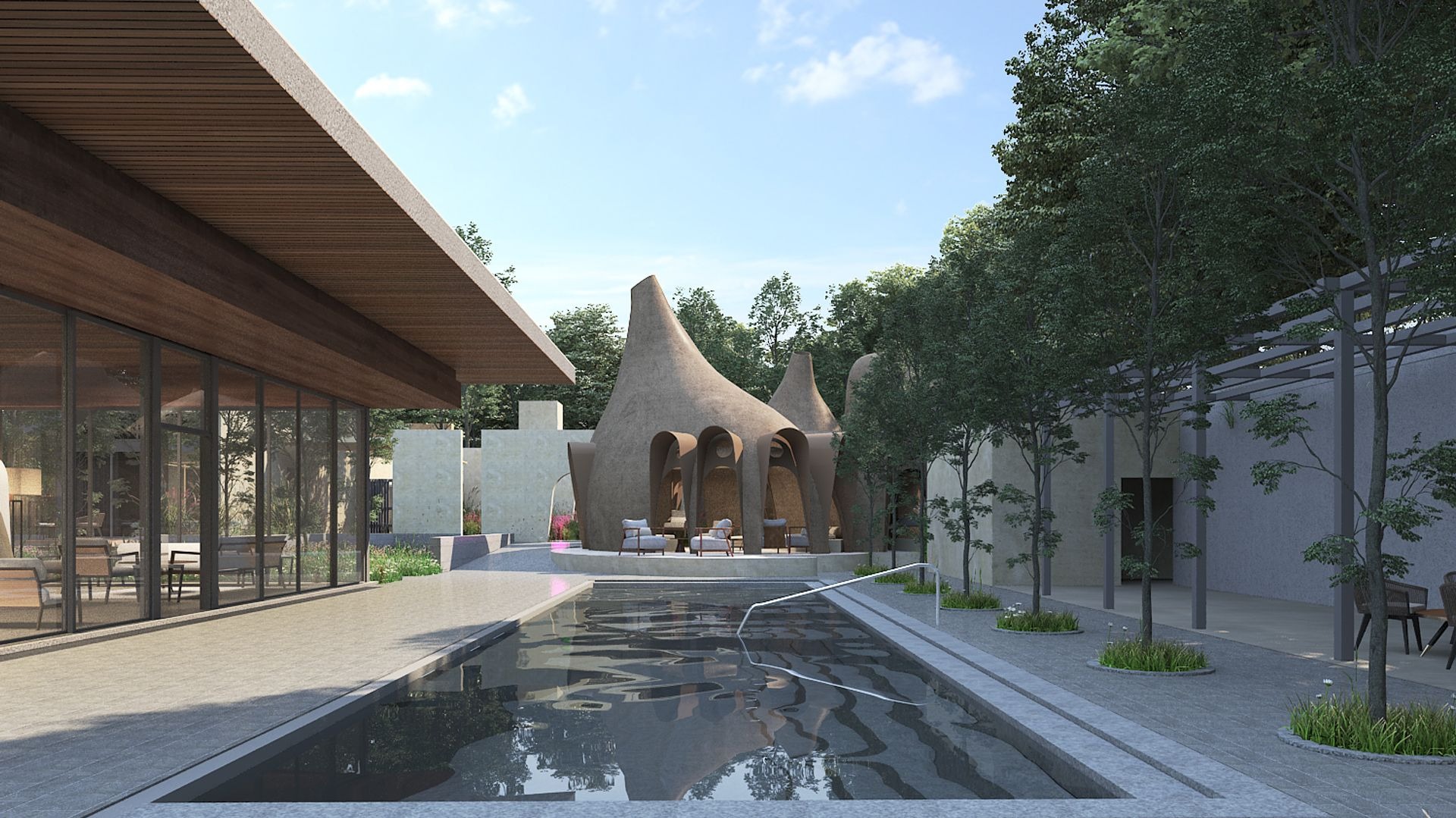
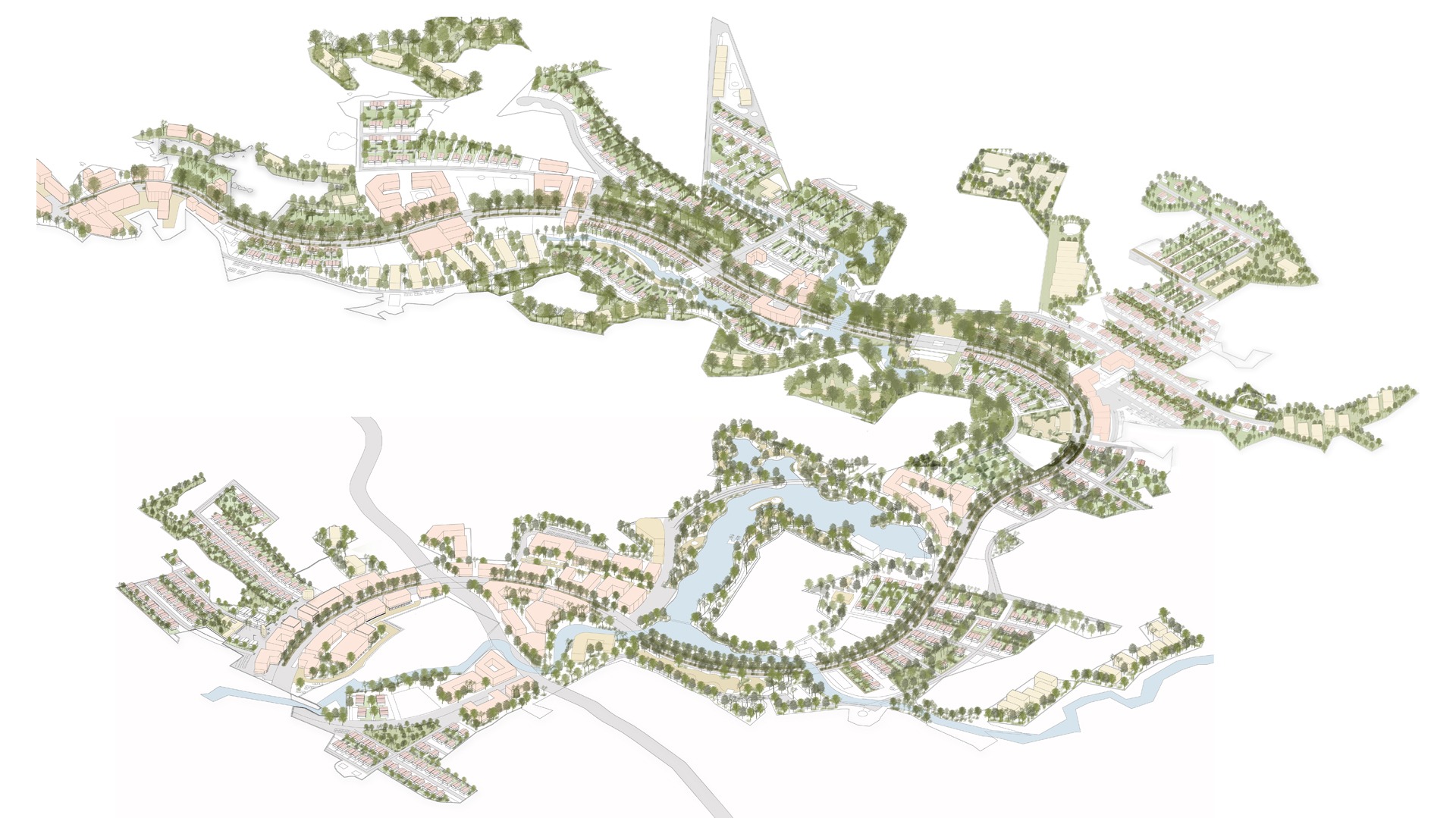
Since no single process works across the board, conscious effort must be made to allow for the collective voice to be heard - while always keeping in mind that design - be it collective or individual is not a linear process. Defining a process seems to create a sort of sieve - nurturing ideas that may define the space.
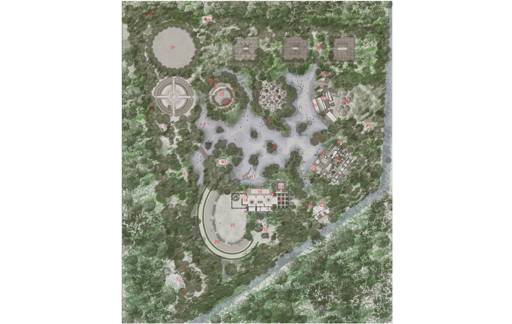
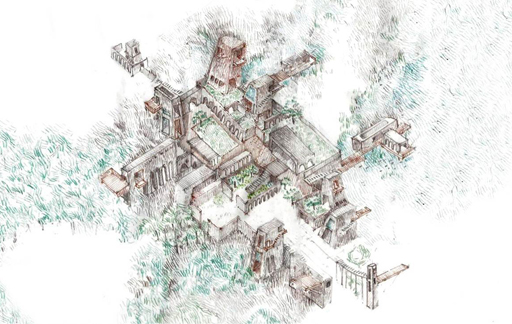
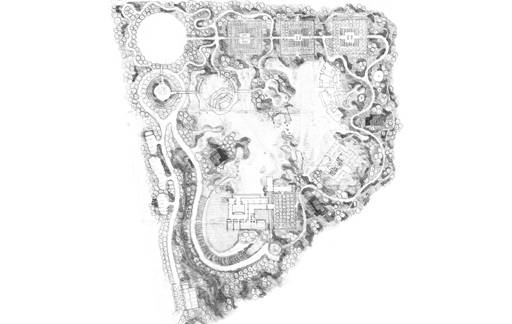
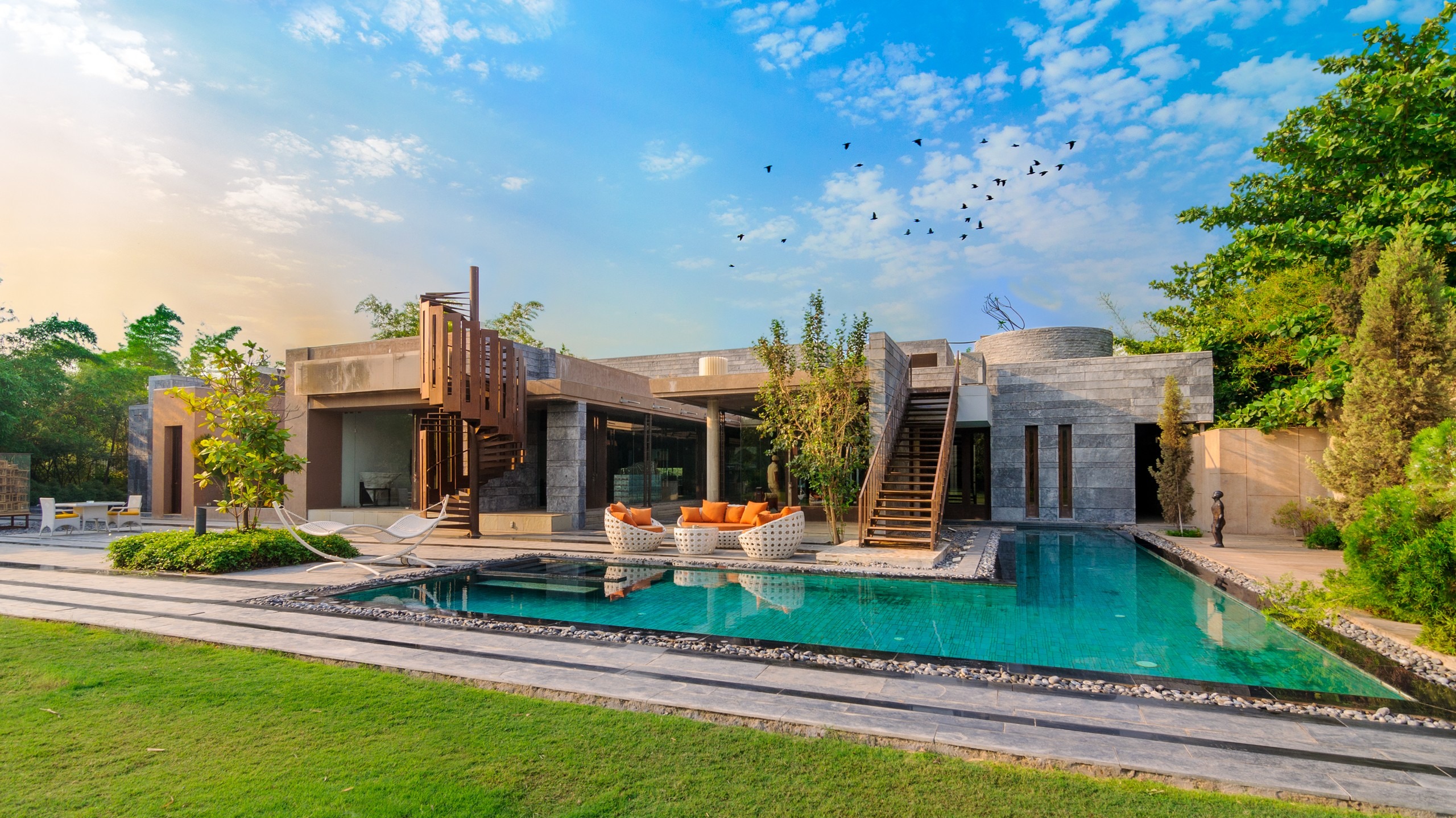
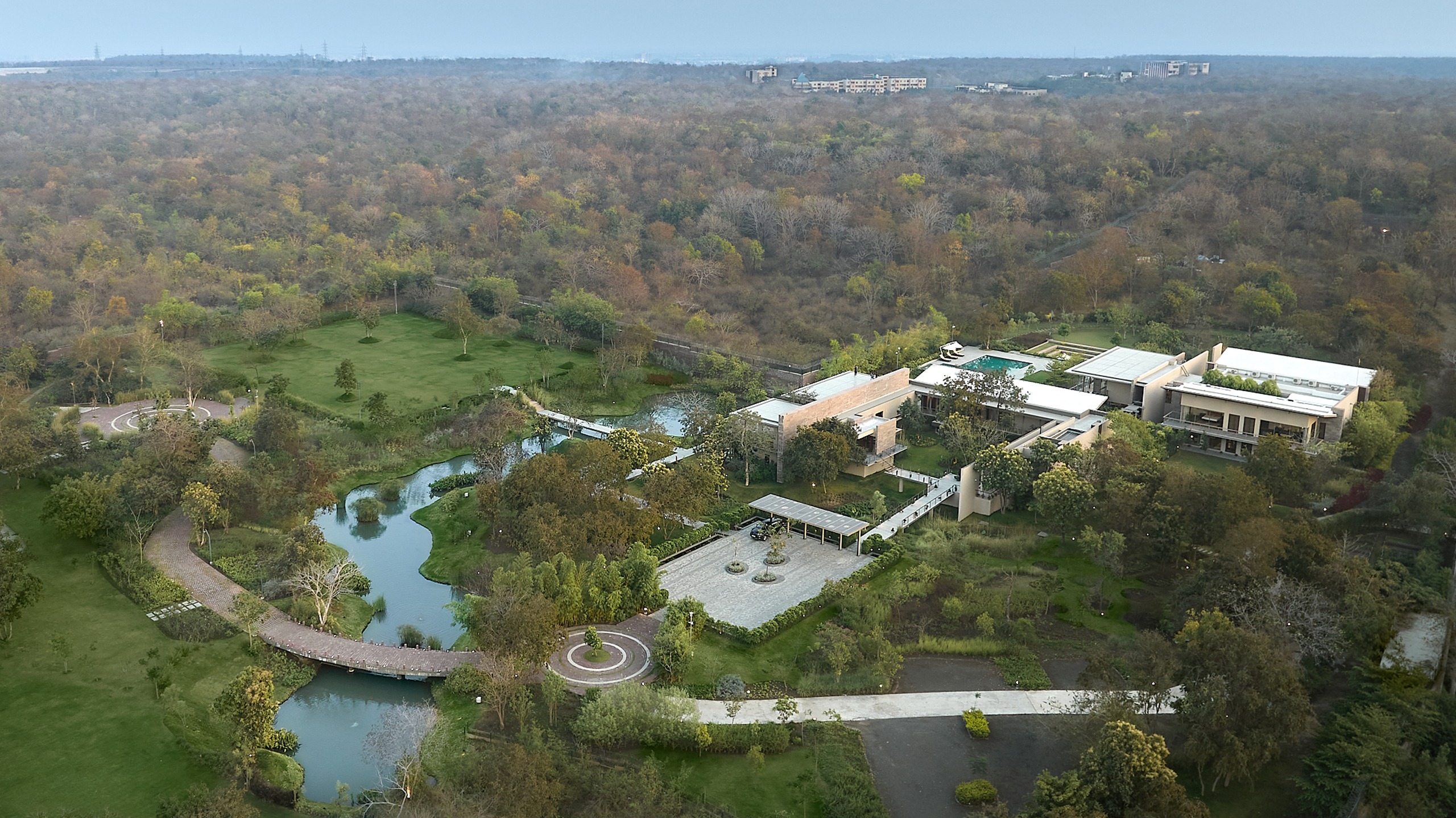
The sensitivity of this land - located between a bird sanctuary, and a deer park, spread over 21 acres - required the establishment of a unique process.
For commissions such as these, which includes the master planning, architecture, and landscape design of the space - immediate context, and the response to it become key. This includes looking at biodiversity, flora and fauna, sightlines, light, boundaries, and activity as a cohesive set of ideas.
There has been a recognition of the fact that there is no formal documentation of process that students or young practitioners look to as a guide. With this in mind, the communication of the need for a process, and its uniqueness as it pertains to this land has been documented in a book - The Design Handbook; Thol.
The book, while talking about the need to incorporate multiple ideas and voices, maps the journey that has been undertaken for Master Planning, Architecture, and Landscape Design up until the point the design was more or less finalised; it recognises that even then, process is ever-evolving.
It is a study for posterity.